

Emergency & Help
24/7 Emergency & General Advisory
🚨 24/7 Medical Emergency
Non-Emergency Advisory
10:00 AM – 6:00 PM, Mon–Sat
For appointments & general queries.
24/7 Emergency & General Advisory
🚨 24/7 Medical Emergency
Non-Emergency Advisory
10:00 AM – 6:00 PM, Mon–Sat
For appointments & general queries.
Explore how yoga can be a beneficial practice for managing cholesterol levels in India. Learn about specific poses, scientific backing, and holistic lifestyle changes for heart health.
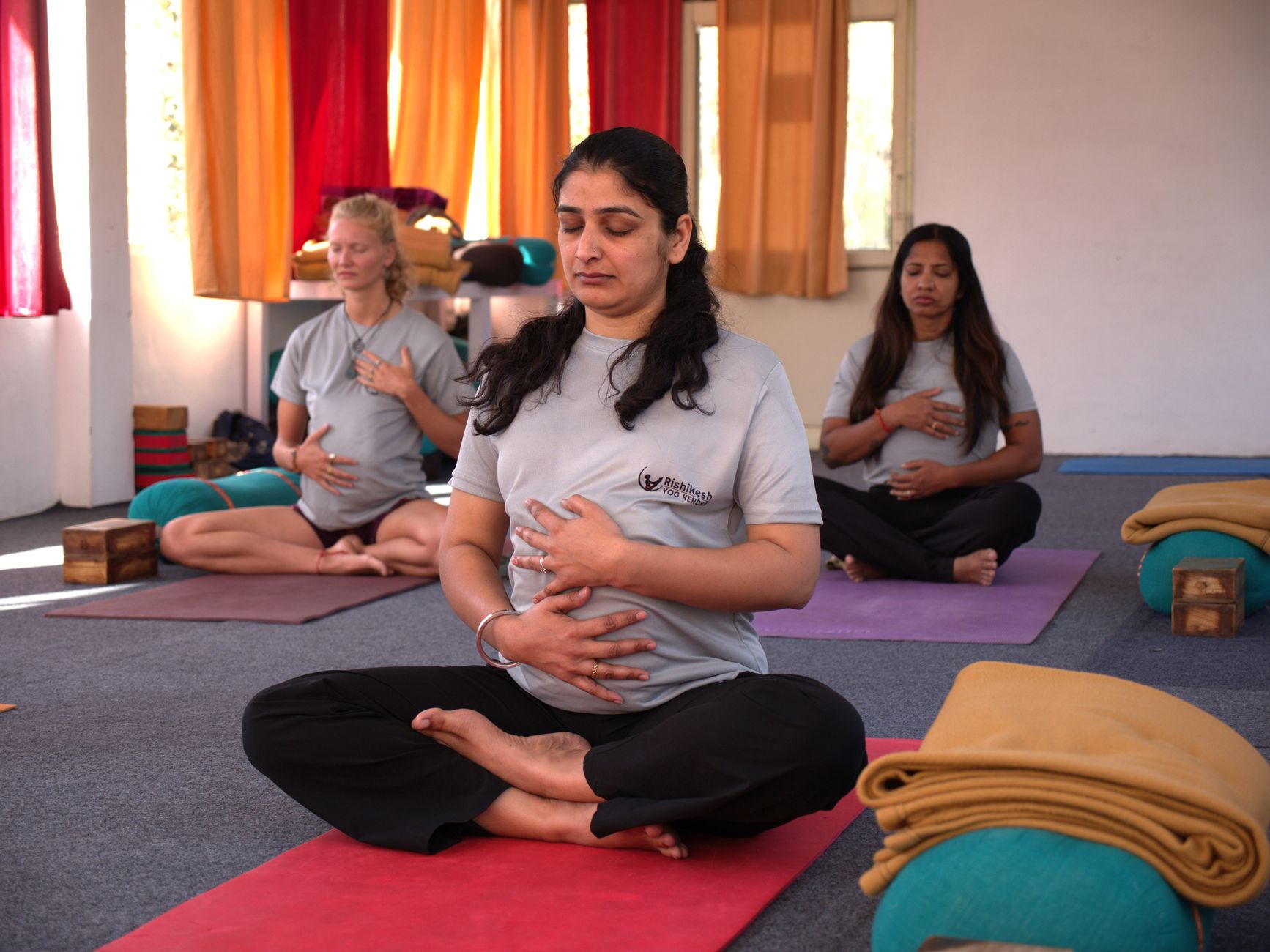
High cholesterol is a growing concern for many in India, impacting heart health and overall well-being. While diet and medication play key roles, have you ever considered the ancient practice of yoga as a complementary approach? The science behind yoga's impact on cholesterol is indeed promising, offering a holistic path to better heart health. This article explores how specific yoga poses and practices can potentially help manage cholesterol levels, reduce stress, and promote a healthier lifestyle, all explained in a way that's relevant and practical for you. Understanding Cholesterol and Its Risks Before we dive into yoga, let's quickly recap what cholesterol is. It's a waxy substance found in your blood that your body needs to build healthy cells. However, when you have too much of certain types, particularly LDL (low-density lipoprotein), often called 'bad' cholesterol, it can build up in your blood vessels. This buildup, known as plaque, can narrow your arteries, increasing the risk of heart disease, stroke, and other cardiovascular problems. Factors like diet, genetics, lack of physical activity, and stress can all contribute to unhealthy cholesterol levels. The Science Behind Yoga and Cholesterol Management You might be wondering, 'How can stretching and breathing exercises affect my cholesterol?' The connection is multifaceted. Several studies, including those conducted in India, suggest that regular yoga practice can positively influence lipid profiles. Key Findings from Research: Reduced LDL and Triglycerides: One study involving individuals with type 2 diabetes in India found that those who practiced yoga alongside their prescribed medications showed a significant decrease in total cholesterol, triglycerides, and LDL (bad) cholesterol. They also saw an improvement in HDL (good) cholesterol. Improved Lipid Profiles: Another study focused on women practicing yoga three times a week for several months observed a reduction in total cholesterol and LDL levels. Comparison to No Exercise: A review of studies in 2014 indicated that yoga could be effective in improving LDL and HDL cholesterol and blood pressure when compared to individuals who did not exercise. While these studies are encouraging, it's important to remember that the number of studies is still limited, and results can vary from person to person. Your individual medical history and how consistently you practice yoga will play a role. How Yoga Contributes to Lower Cholesterol Yoga's benefits extend beyond just physical postures. Its impact on cholesterol levels is likely due to several factors: Stress Reduction: Chronic stress can negatively impact your heart health. Yoga's emphasis on deep breathing and mindfulness helps calm your nervous system, reducing stress hormones. A calmer body is better equipped to manage various health markers, including cholesterol. Improved Digestion: Certain yoga poses, particularly twists, are believed to stimulate digestive organs. Good digestion is linked to better nutrient absorption and waste elimination, which can indirectly support overall metabolic health. Increased Physical Activity: While not as intense as some other forms of exercise, yoga still gets your body moving. Regular physical activity is a cornerstone of managing cholesterol and maintaining cardiovascular health. Mindful Eating Habits: The practice of mindfulness cultivated through yoga can often extend to eating habits. Becoming more aware of your body's signals can lead to making healthier food choices, which is vital for cholesterol management. Yoga Poses to Consider for Cholesterol Management While any form of yoga can be beneficial, some poses are particularly helpful. Remember to listen to your body and modify poses as needed. If you experience any pain, stop immediately. Always consult your doctor before starting any new exercise regimen. 1. Seated Forward Bend (Paschimottanasana) This pose is excellent for calming the brain, relieving stress, and promoting healthy digestion. It also gently stretches the hamstrings and spine. How to do it: Start in a seated position with your legs stretched straight out in front of you. You can sit on a folded blanket to help tilt your pelvis forward, making it easier to keep your back straight. Inhale and lengthen your spine. As you exhale, slowly hinge forward from your hips, keeping your back as flat as possible. Avoid rounding your back. Reach towards your feet or ankles, going only as far as comfortable without straining. Hold the pose for 1 to 3 minutes, breathing deeply and calmly. To release, inhale and slowly come back up to a seated position. 2. Child's Pose (Balasana) Child's Pose is a resting pose that promotes deep relaxation and can help relieve stress and fatigue. It also gently massages the abdominal organs. How to do it: Begin on your hands and knees. Sit back on your heels, and then bring your knees apart as wide as your hips or keep them together, whichever feels more comfortable. Fold your torso down between your thighs. Rest your forehead on the mat. Extend your arms out in front of you with your palms facing down, or rest them alongside your body with palms facing up. Hold for 1 to 2 minutes, or as long as you feel comfortable, focusing on deep, relaxed breaths. 3. Seated Spinal Twist (Ardha Matsyendrasana) Twisting poses are fantastic for stimulating digestion and can help detoxify the body. This pose also improves spinal flexibility. How to do it: Start seated upright with your legs extended. Bend your left leg and place the heel near your right hip. Cross your right leg over your left, placing your right foot flat on the floor beside your left knee. Inhale and lengthen your spine. Exhale and twist your torso to the right, bringing your right shoulder towards your right knee. You can hug your right knee with your left arm, or place your left elbow outside your right knee for a deeper twist. Turn your head to look over your right shoulder, if comfortable for your neck. Hold for 30 seconds to 1 minute, breathing deeply. Inhale to unwind, and repeat on the other side. Beyond Yoga: A Holistic Approach to Cholesterol Control Yoga is a wonderful addition to a cholesterol-lowering plan, but it's not a magic bullet. For effective cholesterol management, it must be combined with other healthy lifestyle choices and medical advice. Dietary Recommendations: Eat More Fish: Incorporate omega-3 rich fish like salmon, mackerel, sardines, and tuna into your diet at least three times a week. These fatty fish can significantly reduce your risk of heart disease. Include Flaxseed: Flaxseed is a powerhouse of Omega-3 fatty acids and can help boost HDL (good) cholesterol. You can add ground flaxseed to your morning oats or use flaxseed oil in your cooking. Increase Fiber Intake: Soluble fiber, found in oats, beans, lentils, apples, and citrus fruits, can help lower LDL cholesterol. Limit Saturated and Trans Fats: Reduce your intake of fried foods, processed snacks, fatty meats, and full-fat dairy products. Lifestyle Changes: Regular Exercise: Aim for at least 150 minutes of moderate-intensity aerobic activity per week, such as brisk walking, jogging, or cycling. Maintain a Healthy Weight: Losing even a small amount of weight if you are overweight can make a significant difference in your cholesterol levels. Quit Smoking: Smoking damages blood vessels and lowers HDL cholesterol. Quitting is one of the best things you can do for your heart. When to Consult Your Doctor It's essential to remember that while yoga can be beneficial, it should complement, not replace, medical advice and treatment. Always consult your doctor before starting yoga or any new exercise program, especially if you have existing health conditions like high cholesterol, heart disease, or diabetes. You should definitely speak to your doctor if: You have been diagnosed with high cholesterol. You are experiencing symptoms of heart disease, such as chest pain, shortness of breath, or palpitations. You have other underlying health conditions that could be affected by exercise. You are unsure how to incorporate yoga safely into your existing treatment plan. Your doctor can provide personalized guidance on managing your cholesterol and help you determine if yoga is a suitable addition to your health regimen. Frequently Asked Questions (FAQ) Can yoga alone lower my cholesterol? Yoga can contribute to lowering cholesterol, especially by reducing stress and promoting physical activity. However, it's most effective when combined with a heart-healthy diet, other forms of exercise, and any medications prescribed by your doctor. It's best viewed as a complementary therapy. How often should I practice yoga for cholesterol benefits? Studies suggest practicing yoga several times a week, perhaps three to five times, for at least 26 weeks to see potential benefits. Consistency is key. Aim for sessions of 30-60 minutes, but even shorter, regular practices can be helpful. Are there any side effects of practicing yoga for cholesterol? When practiced correctly and with awareness, yoga is generally safe. However, improper form or pushing yourself too hard can lead to strains or injuries. It's crucial to listen to your body and modify poses. If you have specific health concerns, discuss them with your doctor and a qualified yoga instructor. What if I can't do certain yoga poses? Yoga is adaptable! Many poses can be modified to suit different levels of flexibility and physical ability. A good yoga
In summary, timely diagnosis, evidence-based treatment, and prevention-focused care improve long-term health outcomes.
Visit Hospital
Near You

Discover how to use essential oils like lavender, lemon, and eucalyptus in your bath to promote relaxation, improve mood, and soothe muscles. Learn safe dilution methods and precautions for a rejuvenating experience.
April 1, 2026

Discover the ancient 5 Tibetan Rites, a sequence of five exercises believed to restore youth and vitality. Learn how to perform each rite and unlock its benefits for energy, sleep, and well-being.
April 1, 2026

Discover the art of circular breathing, a technique that allows continuous sound and breath. Learn how singers, musicians, and meditators can master this skill for enhanced performance and deeper relaxation. Includes practice steps and benefits.
April 1, 2026