

Emergency & Help
24/7 Emergency & General Advisory
🚨 24/7 Medical Emergency
Non-Emergency Advisory
10:00 AM – 6:00 PM, Mon–Sat
For appointments & general queries.
24/7 Emergency & General Advisory
🚨 24/7 Medical Emergency
Non-Emergency Advisory
10:00 AM – 6:00 PM, Mon–Sat
For appointments & general queries.
Discover the incredible benefits of Chakrasana (Wheel Pose), a powerful yoga backbend that enhances spinal flexibility, builds strength, and opens the chest. Learn safe practice techniques and modifications suitable for all levels.
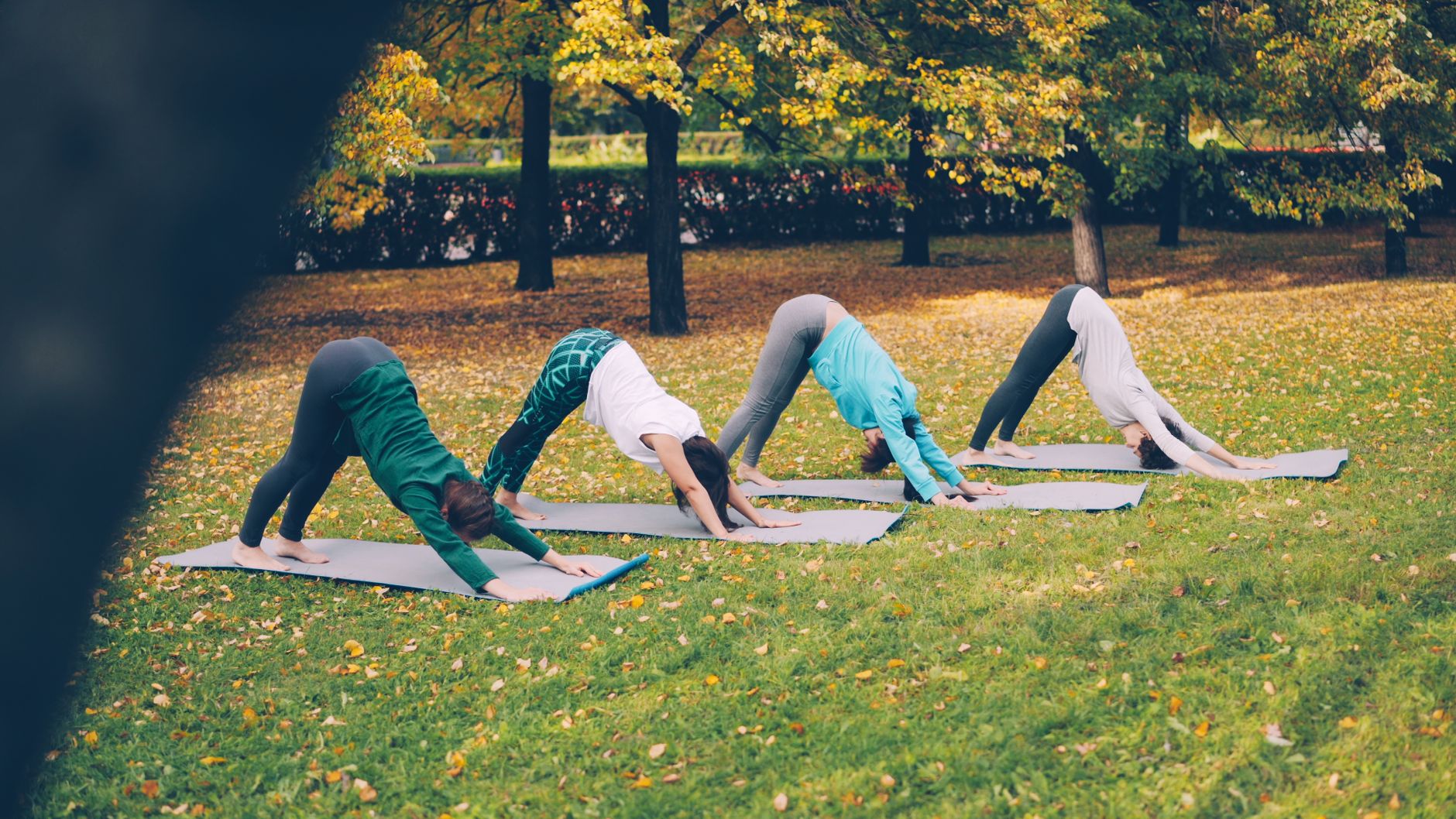
Ever seen a yoga pose that looks like a magnificent, upward-facing bow? That's Chakrasana, also known as Urdhva Dhanurasana or the Wheel Pose. It's a staple in many yoga practices, and for good reason! This deep backbend isn't just visually stunning; it offers a wealth of physical and even some potential metabolic benefits. For us in India, where yoga is deeply rooted, understanding and practicing poses like Chakrasana can be incredibly rewarding for overall well-being.
But let's be honest, for many of us, achieving the full, straight-armed wheel might seem like a distant dream. Perhaps your shoulders feel tight, or your lower back protests at the mere thought. The good news? You don't need to be a seasoned yogi to reap the rewards. Modifications exist, and the goal is always to move safely and effectively. This article will guide you through the incredible benefits of Chakrasana, how to approach it, and how to modify it so you can experience its magic, regardless of your current flexibility.
Chakrasana, literally translating to 'wheel pose' in Sanskrit, is a challenging yet highly rewarding yoga posture. It falls under the category of backbends, meaning you perform it by extending your spine backward. Think of it as opening up your entire front body – from your chest and shoulders to your hip flexors. The visual resemblance to an upward-facing bow is striking, and for advanced practitioners, it can even be a transition into standing poses. However, the essence of the pose lies in its ability to create space, flexibility, and strength throughout the body.
Why should you consider incorporating Wheel Pose into your routine? The benefits are numerous and impactful:
Ready to try? Remember, safety and proper alignment are paramount. If you're new to backbends or have any physical limitations, it's always best to consult with a qualified yoga instructor or healthcare professional. Here’s a general guide:
The journey to a full Wheel Pose can be gradual. Here are ways to make it more accessible:
Chakrasana is a powerful pose, and it’s essential to listen to your body. Avoid this pose or practice with extreme caution if you have:
While yoga is beneficial, certain conditions require medical advice. Consult your doctor before starting or modifying your yoga practice if you:
Yes, beginners can practice Chakrasana using modifications. The key is to focus on proper alignment and listen to your body, using props or keeping the pose less intense until your strength and flexibility improve. It’s not about achieving the full pose immediately, but about the journey and the benefits you gain along the way.
For most people, practicing Chakrasana 2-3 times a week is sufficient to start experiencing its benefits. If you have specific goals or are working with an instructor, they might suggest a different frequency. Overdoing any yoga pose can lead to strain, so consistency over intensity is often best.
Incorrect practice can lead to injuries, particularly in the wrists, shoulders, and lower back. Pushing too hard, especially with a tight spine or weak core, can cause strains or even more serious issues like disc problems. Always prioritize alignment and gentle progression.
Chakrasana counteracts the effects of modern lifestyles, which often lead to rounded shoulders and a slouched posture. By opening the chest and strengthening the upper back muscles, it helps to promote a more upright and aligned posture.
Yes, the deep breathing and heart-opening aspects of Chakrasana can have a calming effect on the nervous system. While it's an energizing pose, the act of focusing on breath and movement can also reduce stress and promote a sense of well-being.
Visit Hospital
Near You
Discover how to use essential oils like lavender, lemon, and eucalyptus in your bath to promote relaxation, improve mood, and soothe muscles. Learn safe dilution methods and precautions for a rejuvenating experience.
April 1, 2026

Discover the ancient 5 Tibetan Rites, a sequence of five exercises believed to restore youth and vitality. Learn how to perform each rite and unlock its benefits for energy, sleep, and well-being.
April 1, 2026

Discover the art of circular breathing, a technique that allows continuous sound and breath. Learn how singers, musicians, and meditators can master this skill for enhanced performance and deeper relaxation. Includes practice steps and benefits.
April 1, 2026