

Emergency & Help
24/7 Emergency & General Advisory
🚨 24/7 Medical Emergency
Non-Emergency Advisory
10:00 AM – 6:00 PM, Mon–Sat
For appointments & general queries.
24/7 Emergency & General Advisory
🚨 24/7 Medical Emergency
Non-Emergency Advisory
10:00 AM – 6:00 PM, Mon–Sat
For appointments & general queries.
Discover the calming benefits of restorative yoga. Learn about its passive healing approach, science-backed advantages, and simple poses to help you relax, reduce stress, and improve well-being.
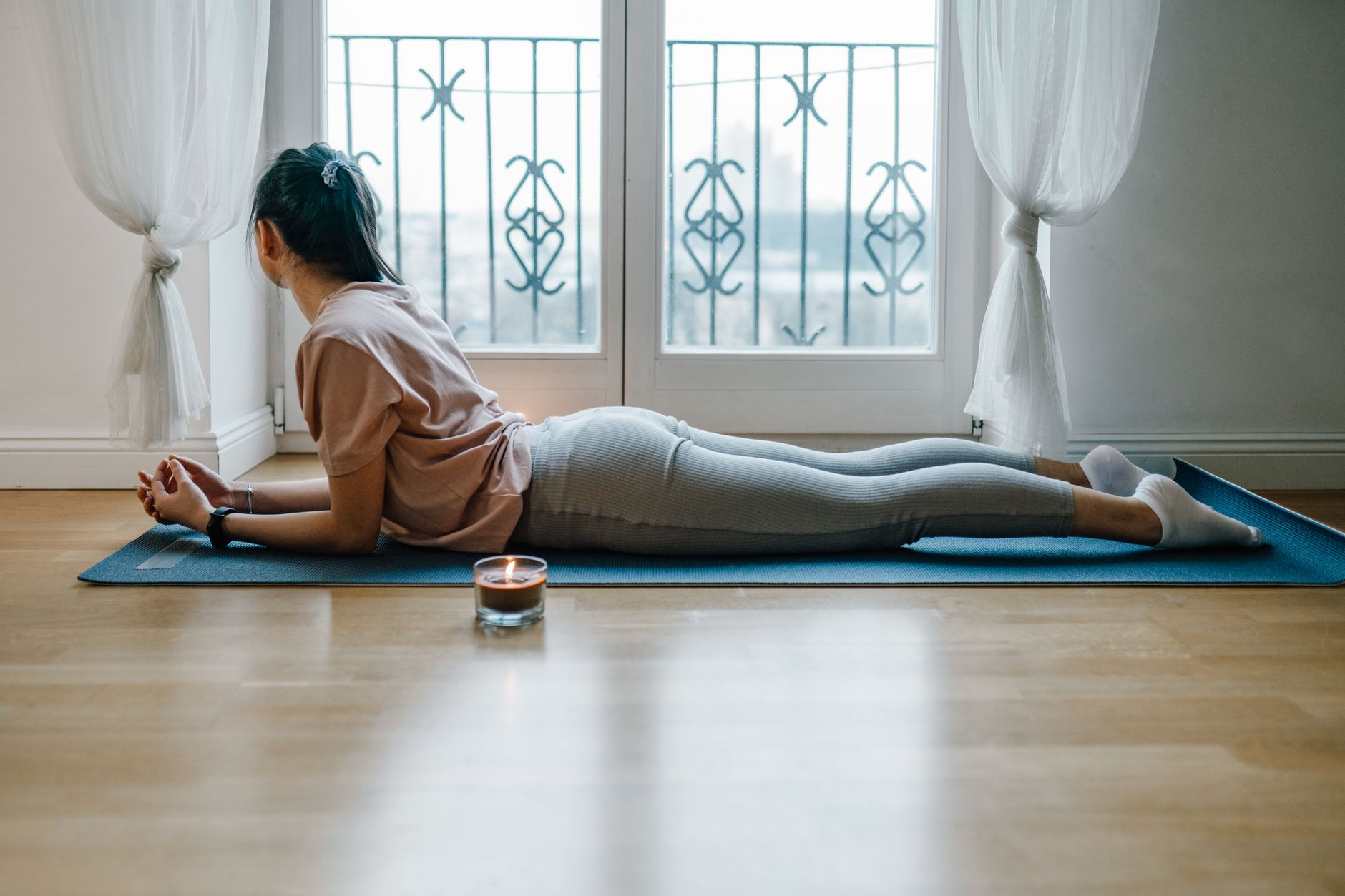
In today's fast-paced world, finding moments of true peace can feel like a luxury. We often push ourselves, juggling work, family, and social commitments, leaving us feeling drained and stressed. If you're searching for a gentle yet profound way to unwind, reconnect with your body, and soothe your mind, restorative yoga might be your answer. Unlike the more vigorous styles of yoga that focus on building heat and strength, restorative yoga is a practice of passive healing. It invites you to slow down, breathe deeply, and allow your body to be fully supported, releasing tension held deep within your muscles and mind. What is Restorative Yoga? Restorative yoga is a meditative form of yoga that encourages physical, mental, and emotional relaxation. Practiced at a slow pace, it emphasizes long holds, stillness, and deep, conscious breathing. The core principle is to allow your body to rest and heal by activating the parasympathetic nervous system – often called the “rest and digest” system. This system is responsible for basic bodily functions and helps counteract the body’s stress response, promoting a sense of calm and well-being. By holding poses for extended periods, typically 5 minutes or more, and using props for support, you can release tension without exerting your muscles. This gentle approach makes it accessible and beneficial for people of all fitness levels and ages. The Science-Backed Benefits of Restorative Yoga The advantages of incorporating restorative yoga into your routine are numerous and supported by research: Relaxes Your Mind and Body: Studies show yoga, in general, reduces stress and anxiety by lowering cortisol levels, the body's primary stress hormone. Restorative yoga's passive nature amplifies this effect, leading to a profound sense of ease. Soothes the Nervous System: This practice actively shifts your nervous system from the “fight-or-flight” sympathetic response to the “rest-and-digest” parasympathetic response. This balance is essential for recovery and overall health. Enhances Your Mood: The combination of deep breathing and relaxation inherent in restorative yoga has been shown to reduce symptoms of depression and uplift your spirits. Reduces Chronic Pain: Research suggests that yoga can be effective in managing chronic pain, including conditions like headaches, back pain, and even pain associated with osteoarthritis. The gentle stretching and release can alleviate muscle tightness and improve mobility. Improves Sleep Quality: By calming the nervous system and reducing stress, restorative yoga can help prepare your body and mind for restful sleep, combating insomnia and improving overall sleep patterns. Boosts Immunity: A relaxed body and a less stressed mind are better equipped to function optimally, which can, in turn, support a healthier immune system. Essential Props for Your Restorative Practice Props are not just helpful; they are fundamental to restorative yoga. They allow you to hold poses comfortably for extended periods without muscular strain. Common props include: Bolsters: Long, firm cushions that provide excellent support for the back, head, or knees. Blankets: Used for cushioning, warmth, or to elevate hips and support the head. Blocks: Can be used under the head, hands, or hips to bring the floor closer or provide gentle support. Eye Pillows: Softly weighted pillows placed over the eyes to deepen relaxation and block out light. You can find these at most yoga studios or online retailers. Even household items like firm pillows or rolled-up towels can serve as substitutes when starting. Gentle Restorative Poses to Try at Home Here are a few accessible poses you can practice. Remember to focus on your breath and allow yourself to relax into each posture. Aim to hold each for at least 5-10 minutes. 1. Supported Child's Pose (Balasana) This pose is incredibly grounding and comforting. Place a bolster or firm pillow lengthwise on your mat. Kneel on the floor and bring your big toes to touch. Separate your knees about hip-width apart (or wider if more comfortable). Lower your torso down between your thighs, resting your chest on the bolster. Your forehead can rest on the bolster or a folded blanket. Extend your arms forward or let them rest alongside your body. Allow your entire body to feel heavy and supported. Focus on deep, slow breaths, feeling your back expand with each inhale and soften with each exhale. 2. Legs-Up-the-Wall Pose (Viparita Karani) This is a wonderfully restorative pose that can be done with minimal effort. Find a clear wall space. Sit sideways against the wall, then gently swing your legs up the wall as you lie back on your mat. scoot your hips as close to the wall as is comfortable. You can place a folded blanket or thin cushion under your hips for added comfort. Your legs should be resting vertically against the wall, and your arms can be relaxed by your sides, palms facing up, or resting on your belly. Close your eyes and focus on deep, even breaths. This pose is excellent for circulation and calming the nervous system. 3. Supported Reclining Bound Angle Pose (Supta Baddha Konasana) This pose opens the hips and chest gently. Place a bolster or several firm pillows lengthwise on your mat. Lie back onto the bolster, so it supports your entire spine from the sacrum to the head. Bring the soles of your feet together and let your knees fall open to the sides. You can place blocks or folded blankets under your knees or thighs for support if there's any strain. Rest your arms by your sides or place one hand on your heart and the other on your belly. Breathe deeply, feeling the gentle opening in your hips and chest. This is a great pose for releasing tension in the pelvic area. 4. Supported Bridge Pose (Setu Bandhasana) This pose gently opens the chest and can relieve fatigue. Lie on your back with your knees bent and feet flat on the floor, hip-width apart. Place a yoga block or a firm, rolled-up blanket under your sacrum (the flat, bony part at the base of your spine). Ensure the block is stable and comfortable. Let your arms rest by your sides, palms facing down. You can stay here, allowing the block to support your hips and pelvis, or gently extend one leg at a time if that feels comfortable and safe. Focus on your breath and the gentle opening across your chest. Avoid pushing yourself; the support is key here. 5. Supported Corpse Pose (Savasana) with Bolster While Savasana is typically done flat on the back, a restorative version uses props for deeper relaxation. Lie on your back and slide a bolster under your knees. This slight bend in the knees can significantly relieve pressure on the lower back and promote deeper relaxation. You can also place a rolled blanket under your head for neck support and an eye pillow over your eyes. Allow your entire body to feel heavy and supported by the floor. Let go of any effort and simply rest. This final resting pose is where the body integrates the benefits of the practice. When to Consider Restorative Yoga Restorative yoga is beneficial in many situations: When You're Feeling Stressed or Anxious: Its ability to calm the nervous system makes it ideal for managing daily stressors. During Recovery from Illness or Injury: Its gentle nature allows for movement and healing without strain, often recommended by healthcare providers. To Improve Sleep: Practicing before bed can quiet a racing mind and prepare you for a peaceful night's sleep. For Chronic Pain Management: It can help alleviate muscle tension and discomfort associated with long-term pain conditions. As a Complement to Other Activities: Whether you're a runner, a desk worker, or engage in other forms of exercise, restorative yoga can help balance your body and prevent overuse injuries. Imagine this: After a particularly demanding week at work, where deadlines loomed and stress levels soared, you decide to try a restorative yoga class. As you lie supported by bolsters and blankets in each pose, the tension you’ve been carrying in your shoulders and jaw slowly begins to melt away. By the end of the session, you feel a profound sense of calm and a lightness you haven’t experienced in weeks. This is the power of restorative yoga in action. When to Consult a Doctor While restorative yoga is generally safe, it's always wise to consult your doctor before starting any new exercise program, especially if you have: Recent surgery or injury Chronic health conditions (e.g., heart disease, osteoporosis, severe back problems) Pregnancy (though modified restorative yoga can be very beneficial, guidance is recommended) Your doctor can advise you on whether restorative yoga is appropriate for your specific health situation and any modifications you might need. Frequently Asked Questions about Restorative Yoga Is restorative yoga suitable for beginners? Absolutely! Restorative yoga is one of the most beginner-friendly forms of yoga because it requires no flexibility or strength. The focus is on relaxation and support, making it accessible to everyone. How often should I practice restorative yoga? You can practice restorative yoga as often as you like. Many people find daily practice, even for just 15-20
In summary, timely diagnosis, evidence-based treatment, and prevention-focused care improve long-term health outcomes.
Visit Hospital
Near You
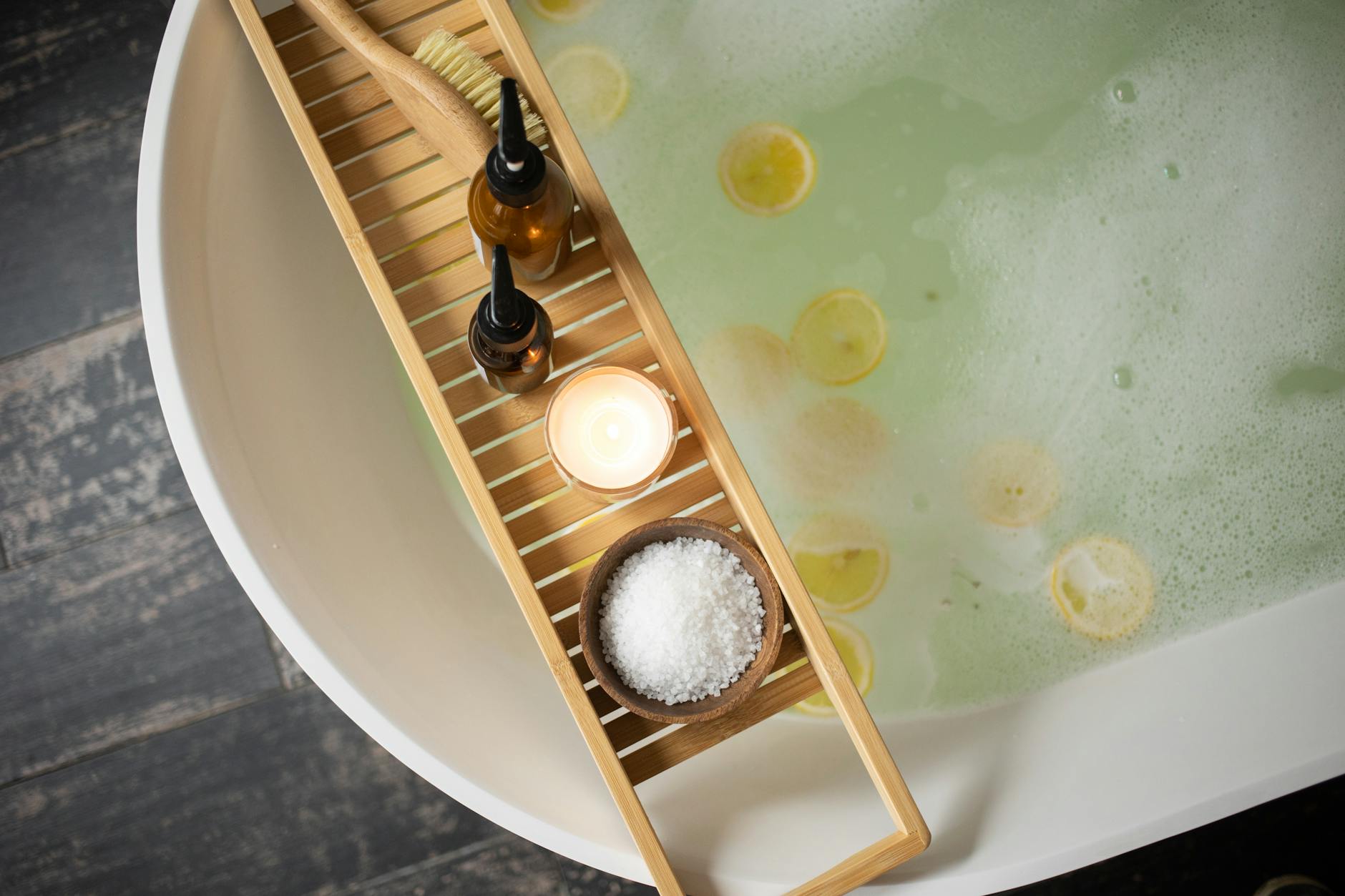
Discover how to use essential oils like lavender, lemon, and eucalyptus in your bath to promote relaxation, improve mood, and soothe muscles. Learn safe dilution methods and precautions for a rejuvenating experience.
April 1, 2026

Discover the ancient 5 Tibetan Rites, a sequence of five exercises believed to restore youth and vitality. Learn how to perform each rite and unlock its benefits for energy, sleep, and well-being.
April 1, 2026

Discover the art of circular breathing, a technique that allows continuous sound and breath. Learn how singers, musicians, and meditators can master this skill for enhanced performance and deeper relaxation. Includes practice steps and benefits.
April 1, 2026