

Emergency & Help
24/7 Emergency & General Advisory
🚨 24/7 Medical Emergency
Non-Emergency Advisory
10:00 AM – 6:00 PM, Mon–Sat
For appointments & general queries.
24/7 Emergency & General Advisory
🚨 24/7 Medical Emergency
Non-Emergency Advisory
10:00 AM – 6:00 PM, Mon–Sat
For appointments & general queries.
Discover gentle yoga poses and breathing techniques to find natural relief from menstrual cramps and make your period days more comfortable.
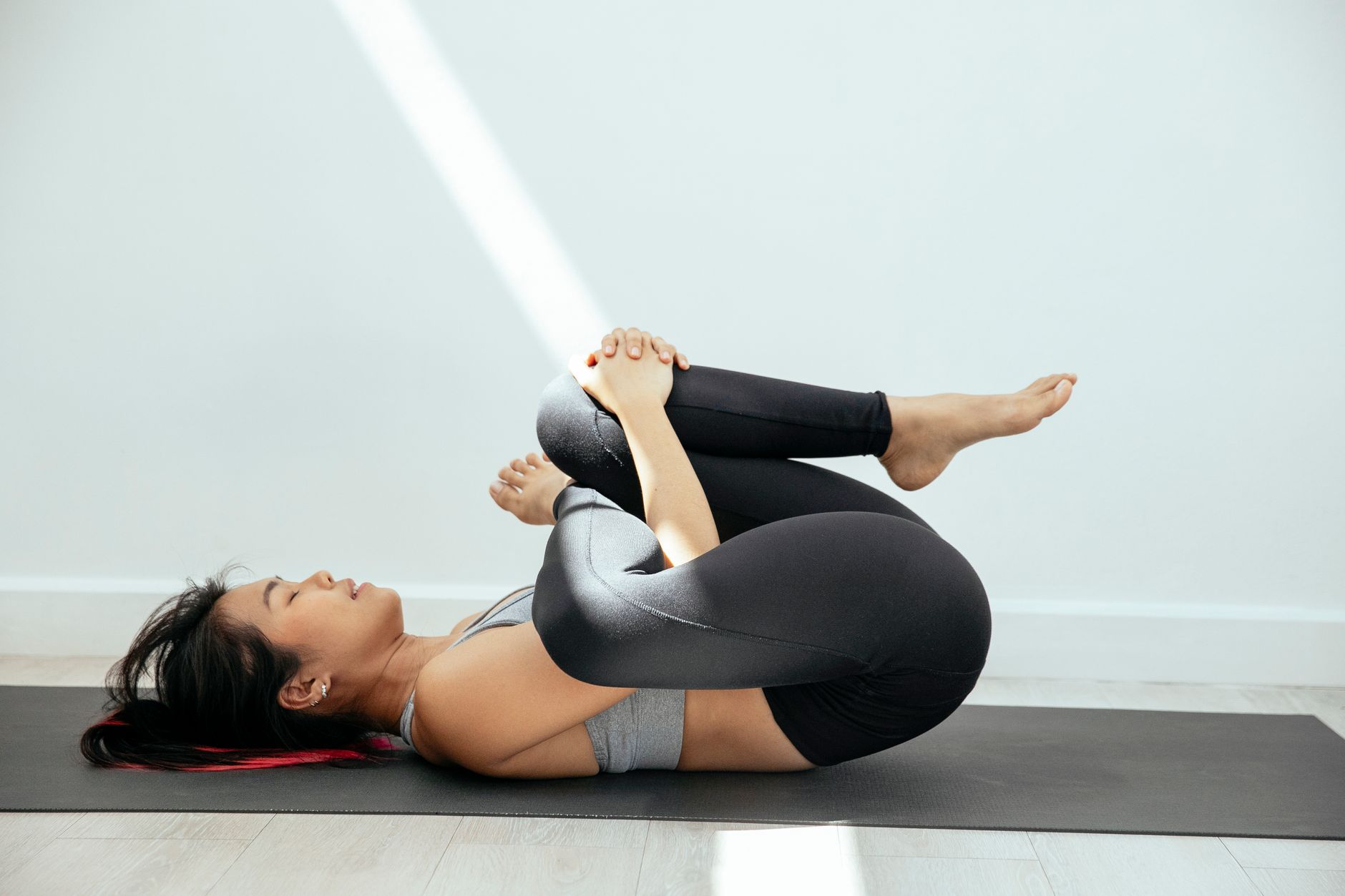
Menstrual cramps, medically known as dysmenorrhea, are a common yet often debilitating experience for many women. They can range from a dull ache to severe, sharp pains in the lower abdomen, sometimes radiating to the back and thighs. These cramps are caused by uterine contractions, triggered by hormone-like substances called prostaglandins. While rest and medication are common coping strategies, gentle exercise, particularly yoga, can offer significant relief. This guide explores how yoga can help manage menstrual pain, making your period days more comfortable.
It might sound counterintuitive, but moving your body when you're experiencing cramps can actually help. Exercise releases endorphins, the body's natural painkillers, and can improve blood circulation. Better circulation can help reduce the buildup of prostaglandins, thereby lessening the intensity of cramps. Furthermore, yoga focuses on deep breathing and relaxation, which can calm the nervous system and ease muscle tension, both contributing factors to pain.
When you're feeling low on energy or experiencing significant discomfort, the key is to choose gentle, restorative poses. Avoid strenuous or inverted poses that might put pressure on your abdomen or feel uncomfortable. Here are four effective yoga poses:
This pose is incredibly calming and can help release tension in the lower back and hips, common areas of discomfort during menstruation.
This restorative pose gently opens the hips and groin, areas that often hold tension during menstruation. It’s also very relaxing.
This gentle flow helps to warm up and mobilize the spine, which can alleviate back pain associated with cramps. It also encourages deep breathing.
A modified forward bend can help relieve tension in the hamstrings and lower back. It’s important to keep the spine long and avoid forcing the stretch.
Listen to your body is the most important rule. If a pose feels uncomfortable or exacerbates your pain, skip it or modify it. Focus on deep, conscious breathing. This not only aids in relaxation but also helps to oxygenate your body and manage pain. Stay hydrated by drinking plenty of water. Consider using props like bolsters, blankets, and blocks to support your body and make poses more comfortable.
While yoga can be a fantastic tool for managing menstrual cramps, severe or persistent pain might indicate an underlying medical condition. Consult your doctor if you experience:
Meera usually dreads her periods, experiencing intense lower abdominal pain that makes even sitting difficult. This month, instead of immediately reaching for painkillers, she decided to try some gentle yoga. After doing Child's Pose and Reclining Bound Angle Pose for about 10 minutes, she noticed a significant reduction in her pain. She felt calmer and more able to get through her day without feeling completely incapacitated.
Yes, gentle yoga can help by releasing endorphins, improving blood flow, and reducing muscle tension and stress, all of which can contribute to menstrual pain relief.
It's generally advisable to avoid intense inversions (like headstands or handstands), deep twists, and very strenuous poses. Listen to your body and opt for poses that feel soothing and restorative.
Practicing gentle yoga a few times a week, or even daily during your period, can be beneficial. Consistency is key, but always prioritize comfort and listen to your body's signals.
Most people do not notice early warning signs right away. That is common. A simple symptom diary, basic routine checks, and timely follow-up visits can prevent small problems from becoming serious.
If you are already on treatment, stay consistent with medicines and lifestyle advice. If your symptoms change, do not guess. Check with a qualified doctor and update your plan early.
Write down symptoms, triggers, and timing for a few days.
Carry old prescriptions and test reports to your consultation.
Ask clearly about side effects, red-flag signs, and follow-up dates.
Seek urgent care for severe pain, breathing trouble, bleeding, fainting, or sudden worsening.
Visit Hospital
Near You
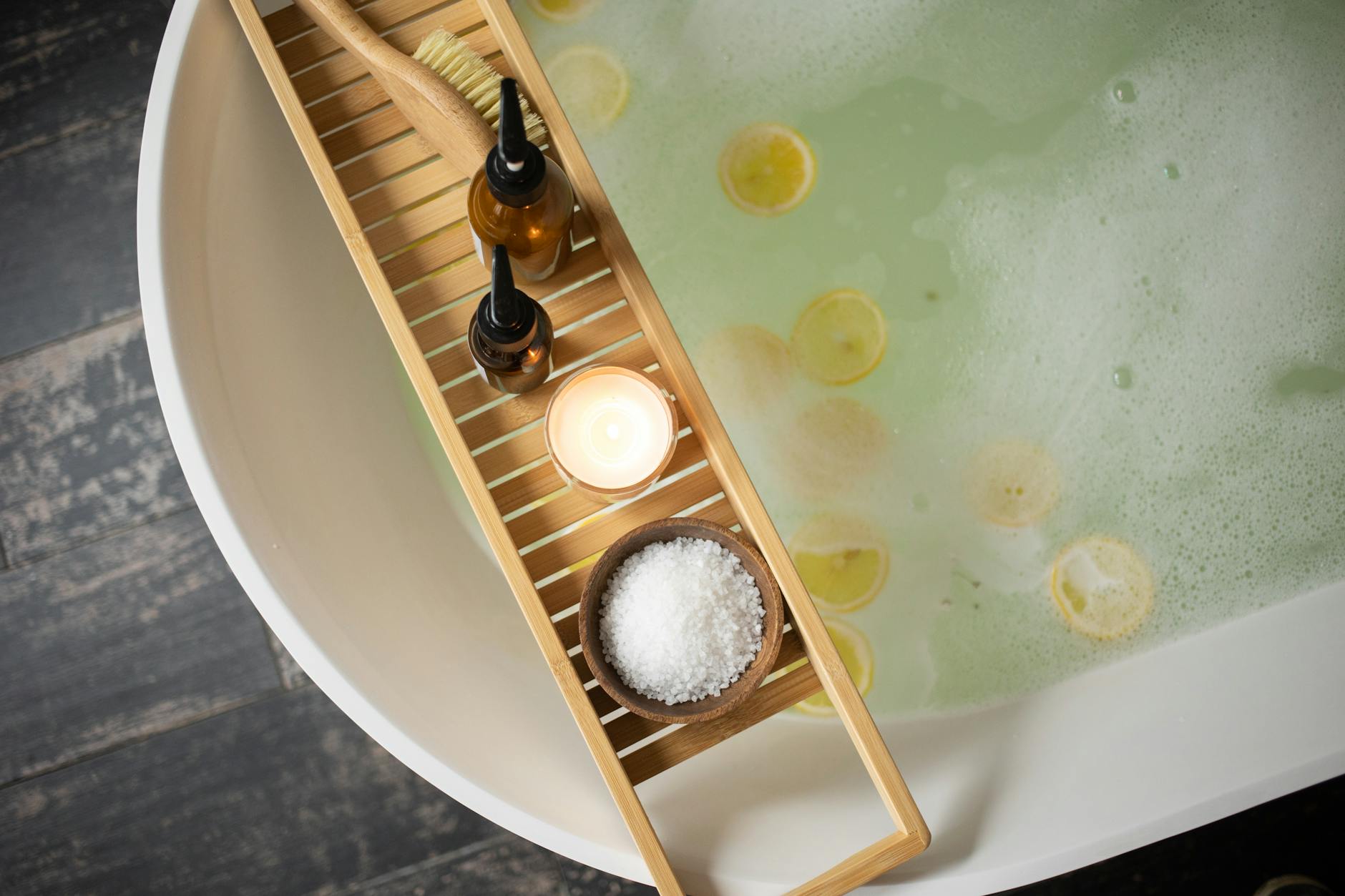
Discover how to use essential oils like lavender, lemon, and eucalyptus in your bath to promote relaxation, improve mood, and soothe muscles. Learn safe dilution methods and precautions for a rejuvenating experience.
April 1, 2026

Discover the ancient 5 Tibetan Rites, a sequence of five exercises believed to restore youth and vitality. Learn how to perform each rite and unlock its benefits for energy, sleep, and well-being.
April 1, 2026

Discover the art of circular breathing, a technique that allows continuous sound and breath. Learn how singers, musicians, and meditators can master this skill for enhanced performance and deeper relaxation. Includes practice steps and benefits.
April 1, 2026