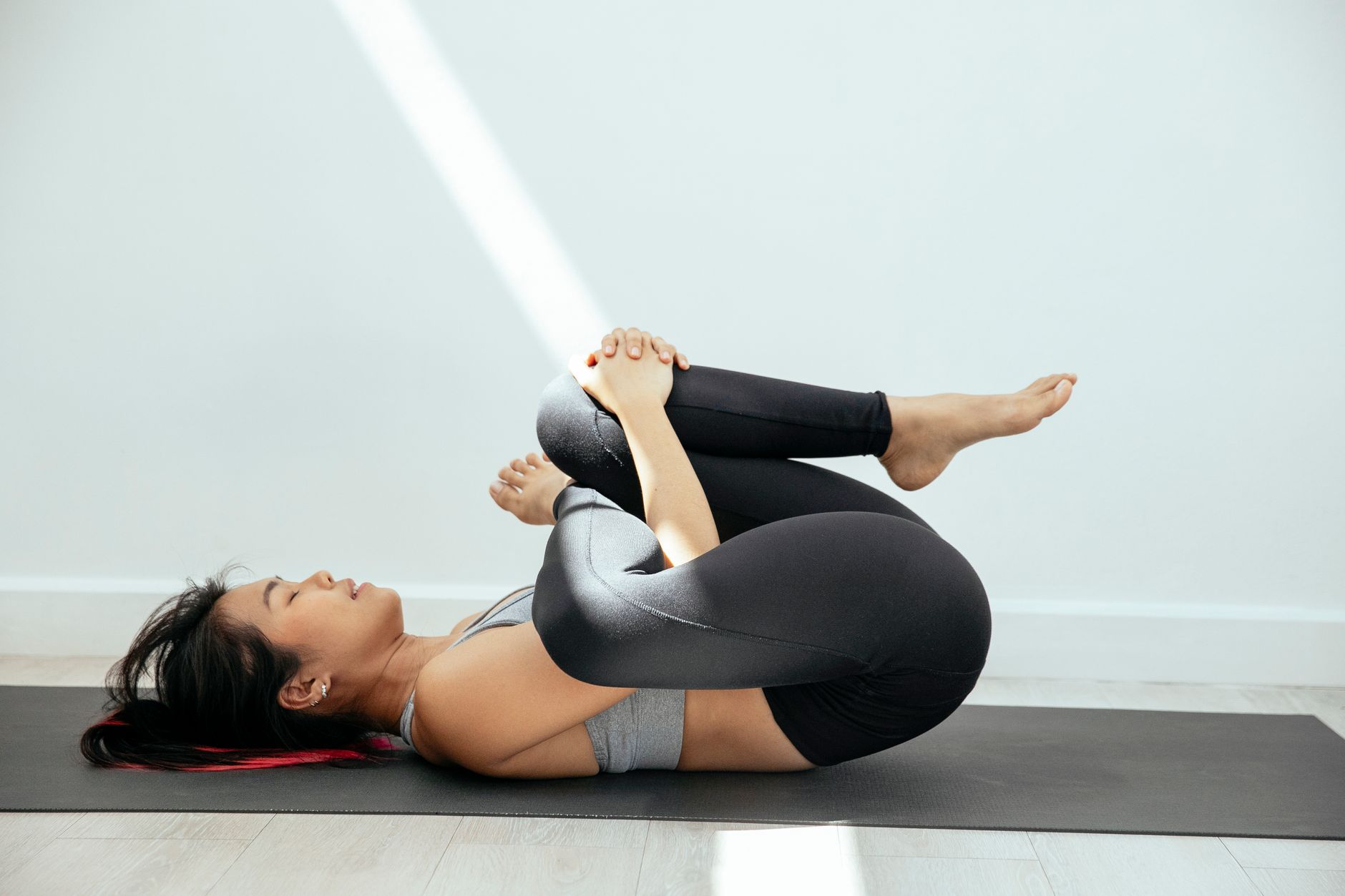
Ladies, let's talk about something that affects nearly all of us: period cramps. That monthly visitor, often accompanied by discomfort, can turn even the best days into a struggle. Medically known as dysmenorrhea, these cramps are primarily caused by your uterus contracting. This happens when hormone-like chemicals called prostaglandins are released. Sometimes, underlying conditions like endometriosis or fibroids can also contribute to the pain. The intensity and duration of these cramps vary greatly from person to person, and even for the same person over time. It’s a common experience, and you’re definitely not alone!
For years, exercise has been a go-to suggestion for easing those nagging backaches and aches associated with PMS (Premenstrual Syndrome). But what kind of exercise works best? Some research suggests that higher-intensity workouts can help by reducing inflammation, while gentler activities like yoga might work by lowering cortisol and prostaglandin levels. Imagine a study where a specific yoga program was tested on menstrual cramps. The results were impressive! Participants not only reported significant pain reduction but also an improvement in their overall quality of life after the yoga sessions. In fact, some studies even hint that yoga might be more effective at soothing PMS symptoms than general exercise.
Now, let's hear from the experts. Sarah Garden, a yoga therapist with over two decades of experience, particularly in chronic pain and pelvic health, has seen firsthand how yoga can help manage the body’s broader response to period pain. This includes things like shallow breathing, holding your breath, and muscle tension that often accompany dysmenorrhea. She emphasizes that yoga teaches us to relax our bodies and our breath, even when experiencing discomfort. It’s a gentle way to stretch those cramping muscles and calm your nervous system.
Sara Hess, another experienced yoga teacher who adapted her practice after being diagnosed with Stage 4 endometriosis, highlights the power of restorative yoga. What makes a pose restorative? It’s the generous use of props to fully support your body and holding the poses for longer periods. Think anywhere from 5 to 20 minutes, as long as you feel completely supported and comfortable. These poses can create a sense of nurturing and openness, allowing your uterus – the strongest muscle in your body – to relax and heal. It’s about surrendering to the body’s needs.
Before we dive into the poses, there's a little bit of discussion in the yoga world about inversions during menstruation. In some traditions, like Ashtanga, practitioners might be asked to avoid inversions during the first three days of their period. The philosophy behind this is that menstruation involves 'apana' or 'downward flowing energy,' and inversions could disrupt this natural flow. However, it's a topic with varying views among contemporary yoga teachers.
Remember, menstruation isn't just about the days you see blood. It begins much earlier with PMS symptoms, and period cramps are often the most noticeable and painful part. Other PMS symptoms can include mood swings, bloating, fatigue, breast tenderness, headaches, and even acne. It’s a whole package!
How Does Yoga Help with Period Cramps and PMS?
Beyond the uterus contracting, period pain often radiates to other areas like the lower back, hips, and thighs. Yoga offers a holistic approach. It teaches you to consciously relax your body and manage your breath, even when pain is present. The gentle stretches can ease tense muscles, and the overall practice has a profoundly calming effect on your nervous system. The specific poses that bring relief can be very personal. Some find a varied flow beneficial, as it moves the body in diverse ways. Others discover that specific restorative poses, designed to be held longer with ample support, create a sense of deep comfort and allow the body to release tension.
The uterus, while incredibly strong, also needs moments of surrender. Restorative poses facilitate this by providing a safe and supported environment for relaxation. This can be particularly beneficial during your period when your body might be craving rest and gentle care.
The 4 Best Yoga Poses for Period Cramps
Here are some restorative yoga poses that can help ease your monthly discomfort. Remember to listen to your body and use props like bolsters, blankets, and blocks to ensure you feel fully supported and comfortable in each pose.
1. Supported Child’s Pose (Balasana)
This is a beautiful resting pose that gently compresses the abdomen and can relieve lower back pain. It’s incredibly grounding and calming.
- How to do it: Start on your hands and knees. Bring your big toes to touch and widen your knees about hip-width apart (or wider if that feels more comfortable). Sink your hips back towards your heels. Lay your torso down between or on your thighs. Rest your forehead on a block, bolster, or the floor. Extend your arms forward or rest them alongside your body, palms facing up.
- Hold time: 5-10 minutes or longer, breathing deeply.
2. Reclining Bound Angle Pose (Supta Baddha Konasana)
This pose opens the hips and chest, and the gentle reclined position can be very soothing. It’s excellent for releasing tension in the hips and groin area, which can often contribute to period pain.
- How to do it: Lie down on your back. Bring the soles of your feet together and let your knees fall open to the sides. You can place blocks or folded blankets under your knees for support if needed. Rest your arms by your sides, palms facing up, or place one hand on your heart and the other on your belly.
- Hold time: 5-10 minutes or longer. Focus on deep, diaphragmatic breaths.
3. Legs-Up-the-Wall Pose (Viparita Karani)
This is a wonderfully restorative pose that can help calm the nervous system and ease fatigue. While it's technically an inversion, many find it beneficial even during their period as the pelvis isn't significantly elevated. The gentle inversion can help reduce swelling and promote relaxation.
- How to do it: Sit sideways next to a wall. Swing your legs up the wall as you lie back on the floor. Scoot your hips as close to the wall as comfortable. Your legs should be extended up the wall, forming an L-shape. You can place a cushion or folded blanket under your hips for added comfort. Let your arms rest by your sides, palms up.
- Hold time: 5-15 minutes. Breathe deeply and allow your body to relax.
4. Supine Spinal Twist (Supta Matsyendrasana)
Twists can help release tension in the spine and abdomen. This gentle supine twist is great for improving digestion and can help ease lower back discomfort associated with cramps.
- How to do it: Lie on your back with your knees bent and feet flat on the floor. Extend your arms out to the sides in a T-shape. Gently drop both knees over to one side, keeping your shoulders as close to the floor as possible. Turn your head to look in the opposite direction of your knees, if comfortable for your neck. You can place a block or blanket between your knees or under your bottom knee for support.
- Hold time: 3-5 minutes per side. Breathe into the twist and feel the release.
When to Seek Medical Advice
While yoga can be a wonderful tool for managing period cramps, it’s important to know when to consult a doctor. If your cramps are severe, debilitating, or suddenly worsen, it’s a good idea to get them checked out. Unusual symptoms like heavy bleeding, pain that doesn’t improve with pain relievers, or pain that occurs outside of your period could indicate an underlying condition that requires medical attention. Don't hesitate to reach out to your healthcare provider if you have any concerns.
Frequently Asked Questions (FAQ)
- Can yoga really help with period cramps?
Yes! Studies and anecdotal evidence suggest that yoga, particularly restorative poses, can significantly ease period pain by relaxing muscles, calming the nervous system, and reducing stress hormones.
- Is it safe to do yoga during my period?
Generally, yes. Gentle yoga and restorative poses are usually safe and beneficial. However, some traditions advise caution with inversions. Always listen to your body and modify poses as needed. If you have any concerns, consult your doctor or yoga instructor.
- How long should I hold these yoga poses?
For restorative poses, holding them for 5 to 20 minutes is generally recommended, provided you feel supported and comfortable. Even shorter holds of 3-5 minutes can be beneficial.
- What if I don't have yoga props?
No worries! You can use everyday household items. Firm pillows or cushions can substitute for bolsters, folded blankets or towels can provide support, and books can work as blocks. The key is to feel supported and comfortable.
- Are there any yoga poses I should avoid during my period?
As mentioned, some people and traditions suggest avoiding deep inversions or intense abdominal compressions. However, this is not universally agreed upon. Gentle twists and forward folds are usually fine. Prioritize comfort and what feels right for your body.