

Emergency & Help
24/7 Emergency & General Advisory
🚨 24/7 Medical Emergency
Non-Emergency Advisory
10:00 AM – 6:00 PM, Mon–Sat
For appointments & general queries.
24/7 Emergency & General Advisory
🚨 24/7 Medical Emergency
Non-Emergency Advisory
10:00 AM – 6:00 PM, Mon–Sat
For appointments & general queries.
Discover simple yoga poses and breathing techniques to calm your mind and reduce anxiety. Practice at home for a more peaceful you.

Feeling overwhelmed by the constant rush of life? Many of us in India experience stress and anxiety daily, whether it's due to work pressures, family responsibilities, or the general pace of modern living. Finding a moment of peace can seem like a luxury, but it doesn't have to be. Yoga offers a powerful, accessible way to reconnect with yourself, calm your mind, and soothe your nervous system. This guide will introduce you to simple, effective yoga poses that you can practice right at home, even if you're a complete beginner. We’ll focus on poses that are gentle, restorative, and designed to melt away tension, helping you feel more grounded and at ease.
Anxiety can manifest in many ways – a racing heart, shallow breathing, constant worry, or even physical tension. Yoga addresses anxiety from multiple angles. The physical postures (asanas) help release stored tension in your muscles. The focus on breathwork (pranayama) calms the nervous system, shifting you from a 'fight-or-flight' response to a 'rest-and-digest' state. The mindfulness aspect of yoga encourages you to be present, reducing rumination on past events or future worries.
You don't need fancy equipment or hours of free time. Just a comfortable mat or even a soft rug and a few minutes can make a difference. Here are some poses that are particularly beneficial for anxiety:
This is a deeply calming pose that encourages introspection and rest. It gently stretches the back and hips, releasing tension.
Twists are excellent for releasing tension in the spine and abdomen, aiding digestion, and promoting relaxation.
This restorative pose is incredibly soothing for the nervous system. It can help reduce fatigue and calm the mind.
This pose calms the brain and helps relieve stress and mild depression. It also stretches the spine, shoulders, and hamstrings.
Often considered the most important pose, Savasana allows your body and mind to integrate the benefits of the practice. It's a deep relaxation pose.
Your breath is your anchor. When anxiety strikes, focusing on your breath can bring you back to the present moment. Try these simple techniques:
This is the foundation of calm breathing. It helps to slow down your heart rate and activate the parasympathetic nervous system.
This technique balances the left and right hemispheres of the brain, promoting mental clarity and calmness.
While yoga and breathing exercises are powerful tools for managing everyday anxiety, it's important to know when to seek professional support. If your anxiety is persistent, interferes with your daily life, causes significant distress, or if you're experiencing panic attacks, it's time to consult a healthcare professional. A doctor or a mental health specialist can provide a proper diagnosis and discuss treatment options, which may include therapy, medication, or a combination of approaches. Remember, seeking help is a sign of strength, not weakness.
Real-life Scenario: Priya, a young professional in Mumbai, found herself constantly worrying about deadlines and presentations. Her heart would race during meetings, and she often felt a knot in her stomach. She started incorporating 10 minutes of Child's Pose and deep breathing before bed. Within a few weeks, she noticed a significant reduction in her overall anxiety levels and felt more capable of handling work stress.
Consistency is key. Even short, regular practice is more beneficial than infrequent long sessions. Try to schedule your yoga time, perhaps first thing in the morning to set a calm tone for the day, or in the evening to unwind. You can also use these poses during moments of acute stress, like before an important meeting or after a difficult conversation. Listen to your body; some days you might need more gentle stretches, while other days you might feel more energetic.
Many people report feeling a sense of calm immediately after a yoga session. However, for sustained relief, consistent practice over several weeks is usually needed to notice significant changes in anxiety levels.
Absolutely not! Yoga is not about achieving perfect poses; it's about connecting with your body and breath. These beginner-friendly poses are designed to be accessible to everyone, regardless of flexibility. Modifications are always possible.
For mild to moderate anxiety, yoga can be a very effective complementary therapy and sometimes even sufficient on its own. However, for severe anxiety disorders, it's best used alongside professional medical advice and treatment, which may include medication. Always consult your doctor.
That's perfectly okay! Yoga is adaptable. Use props like pillows or blankets to support your body. For example, place a pillow under your forehead in Child's Pose or under your knees in Savasana if that feels more comfortable. The goal is comfort and release, not perfection.
Visit Hospital
Near You
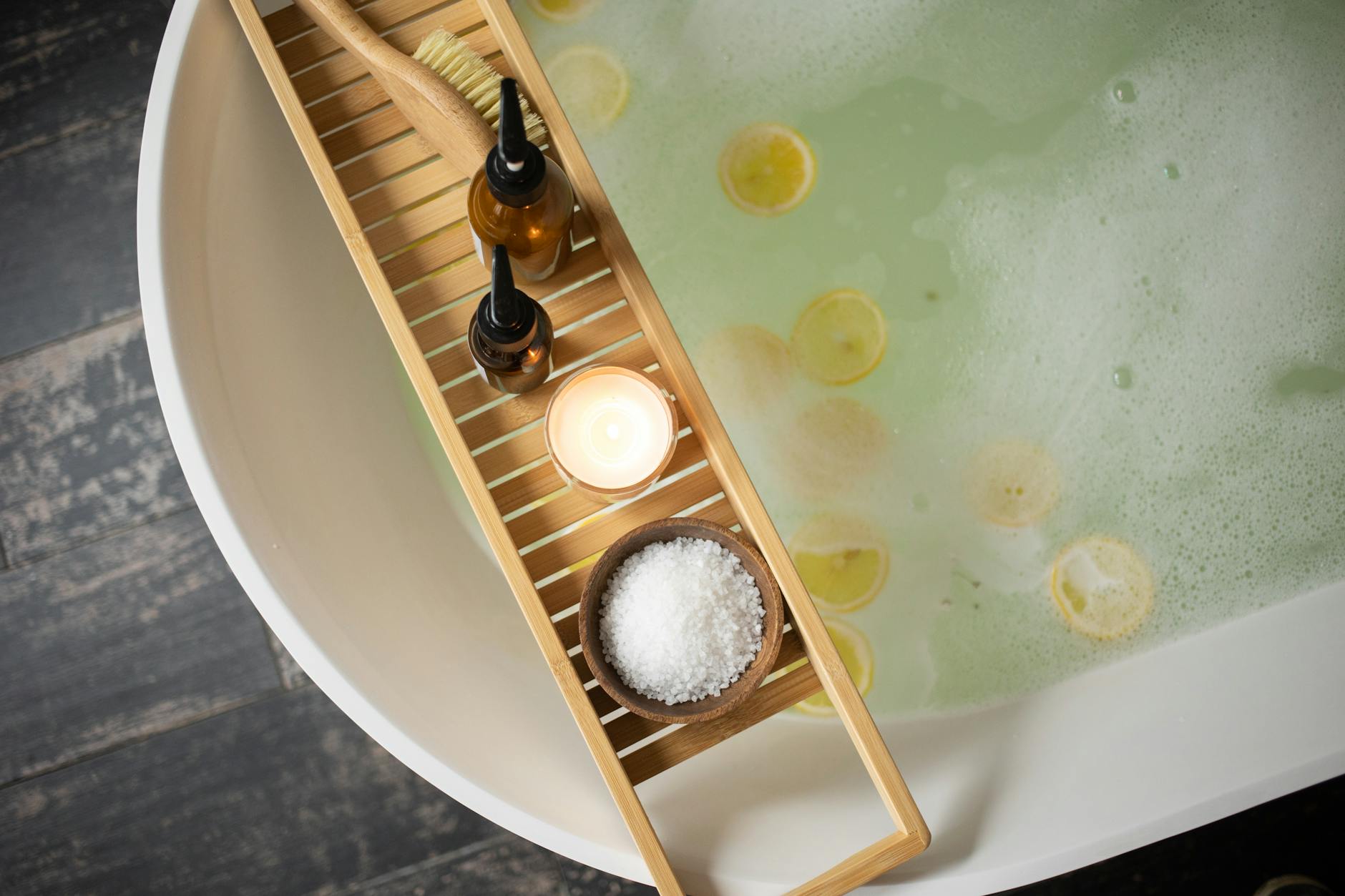
Discover how to use essential oils like lavender, lemon, and eucalyptus in your bath to promote relaxation, improve mood, and soothe muscles. Learn safe dilution methods and precautions for a rejuvenating experience.
April 1, 2026

Discover the ancient 5 Tibetan Rites, a sequence of five exercises believed to restore youth and vitality. Learn how to perform each rite and unlock its benefits for energy, sleep, and well-being.
April 1, 2026

Discover the art of circular breathing, a technique that allows continuous sound and breath. Learn how singers, musicians, and meditators can master this skill for enhanced performance and deeper relaxation. Includes practice steps and benefits.
April 1, 2026