

Emergency & Help
24/7 Emergency & General Advisory
🚨 24/7 Medical Emergency
Non-Emergency Advisory
10:00 AM – 6:00 PM, Mon–Sat
For appointments & general queries.
24/7 Emergency & General Advisory
🚨 24/7 Medical Emergency
Non-Emergency Advisory
10:00 AM – 6:00 PM, Mon–Sat
For appointments & general queries.
Discover the incredible benefits of yoga backbends for beginners. Learn safe techniques to improve flexibility, posture, and energy levels with gentle poses.
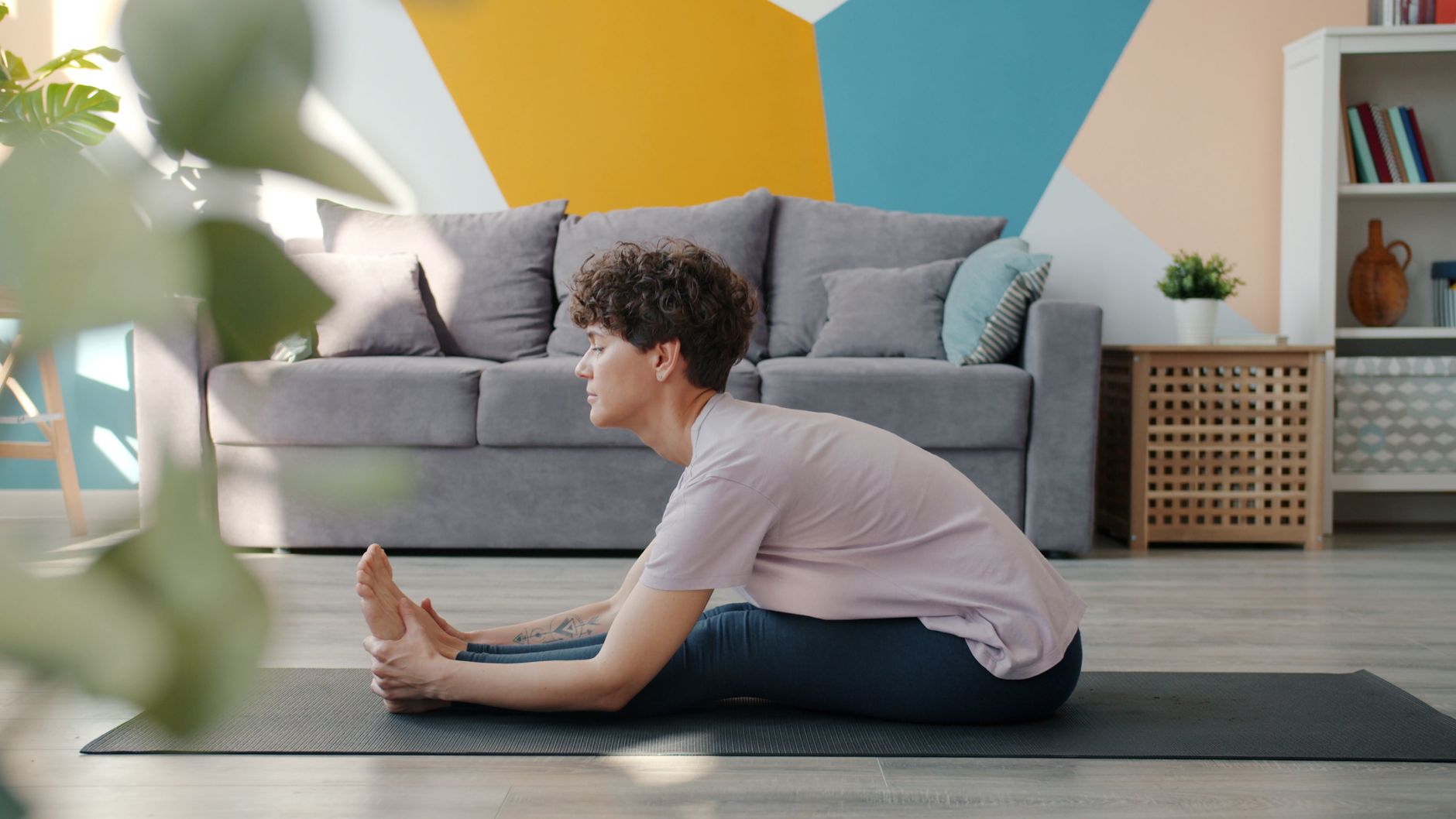
Feeling a bit hunched over from hours at the desk? Or perhaps you just want to inject some energy and openness into your daily routine? Yoga backbends might just be the answer you’re looking for! Often misunderstood as advanced poses reserved for the super-flexible, gentle backbends are actually accessible to almost everyone and offer a wealth of benefits for both body and mind. Think of them as a delightful counter-balance to our modern lives, which often have us bending forward. These poses help bring your body back into a harmonious alignment, releasing tension and boosting your vitality.
Yoga backbends are truly special. They don't just stretch your muscles; they’re often called ‘heart openers’ for a reason. It’s said they can help awaken a spiritual energy at the base of your spine, known as kundalini energy. More poetically, they are believed to open up your heart chakra, fostering a deeper sense of love, compassion, and connection. Imagine feeling more open, more loving, and more connected – that's the emotional promise of a good backbend!
Physically, the advantages are just as compelling. Backbends work wonders to:
However, it’s important to remember that while backbends energize, very deep ones might be too stimulating right before bedtime. If you’re looking for a peaceful night’s sleep, perhaps practice these earlier in the day.
Embarking on your backbend journey should be approached with awareness and care. Safety is paramount. Here’s how to start:
Never jump straight into a backbend. Your body needs preparation. A good warm-up should include gentle movements for your spine, shoulders, hips, and thighs. Think cat-cow poses, gentle twists, and some hip openers. This gets your blood flowing and your muscles ready.
This is perhaps the most critical advice. Only stretch to a point where you feel a comfortable sensation, not pain. Your flexibility can change day by day, so don’t push if you’re feeling stiff. Straining or forcing yourself into a pose is a sure way to invite injury. If you feel any sharp or uncomfortable sensations, ease back immediately.
Your breath is your guide. You should be able to maintain a smooth, steady breath throughout the pose. If your breath becomes ragged or you find yourself holding it, it’s a sign you’ve gone too far. Deep, conscious breathing helps you relax into the pose and get the most benefit.
Instead of holding a challenging pose for a long time, especially when you’re starting, try holding it for shorter durations and repeating it. This allows you to build endurance and deepen your practice gradually. Give yourself ample time to rest and reset in between repetitions.
Begin with the most accessible backbends and gradually work your way up. It’s perfectly fine to stick with beginner poses for as long as you need. Progress happens at its own pace.
Here are a few beginner-friendly backbends to get you started. Remember to warm up first!
This is a foundational backbend. Lie on your stomach with your legs extended and the tops of your feet on the floor. Place your hands palms-down under your shoulders, elbows tucked in. As you inhale, gently lift your chest off the floor, keeping your hips and pubic bone grounded. Gaze straight ahead or slightly upwards. Keep your neck long and relaxed. Hold for 5 breaths. As you exhale, slowly lower back down. Repeat a few times.
Locust pose is fantastic for building strength and improving alignment. Lie on your stomach, arms alongside your body, palms facing down. As you inhale, lift your head, chest, arms, and legs off the floor simultaneously. Keep your neck in line with your spine. Focus on lifting from your back muscles. Hold for a few breaths, then exhale and lower down. You can also start by lifting just the legs or just the upper body.
This pose opens the chest and shoulders beautifully. Lie on your back with your knees bent and feet flat on the floor, hip-width apart, close to your buttocks. Your arms should be alongside your body, palms down. As you inhale, press through your feet and lift your hips and chest off the floor. You can clasp your hands underneath you and walk your shoulders closer together to deepen the stretch in your chest. Keep your neck long and relaxed. Hold for 5-10 breaths, then exhale and slowly lower down.
While backbends are generally safe when practiced correctly, there are certain situations where you need to exercise extra caution or seek professional guidance:
It’s always a good idea to consult with your healthcare provider before beginning any new exercise program, especially one involving poses that significantly impact your spine and posture. If you have any underlying health conditions, such as heart disease, high blood pressure, or significant joint pain, a doctor's clearance is recommended.
Furthermore, if you’re new to yoga or unsure about proper alignment and safety, seeking guidance from a certified and experienced yoga instructor is invaluable. They can help you understand your body's limits, offer modifications, and ensure you’re practicing safely and effectively. Don't hesitate to ask for help – it's a sign of wisdom!
Absolutely! The key is to start with gentle variations like Cobra, Locust, or Bridge pose. The focus is on mindful movement and listening to your body, not on achieving extreme flexibility right away. Progress at your own pace.
Integrating gentle backbends into your yoga practice a few times a week can be very beneficial. Listen to your body; if you feel sore or fatigued, give yourself a rest day. Consistency is more important than frequency.
Pain is a signal to stop or modify. Ensure your hips and pubic bone are grounded in poses like Cobra. In Bridge pose, focus on lifting your chest rather than arching excessively. Sometimes, a slight adjustment in pelvic tilt can alleviate lower back pressure. If pain persists, consult a yoga instructor or healthcare professional.
Yes! Backbends are excellent for counteracting the effects of prolonged sitting and slouching. They help strengthen the muscles that support good posture and increase the flexibility of the chest and shoulders, allowing you to stand taller and straighter.
While some backbends can be energizing, many also help release physical tension that can be associated with stress. By opening the chest and encouraging deeper breathing, they can have a calming and mood-lifting effect, contributing to overall stress relief.
Visit Hospital
Near You

Discover how to use essential oils like lavender, lemon, and eucalyptus in your bath to promote relaxation, improve mood, and soothe muscles. Learn safe dilution methods and precautions for a rejuvenating experience.
April 1, 2026

Discover the ancient 5 Tibetan Rites, a sequence of five exercises believed to restore youth and vitality. Learn how to perform each rite and unlock its benefits for energy, sleep, and well-being.
April 1, 2026

Discover the art of circular breathing, a technique that allows continuous sound and breath. Learn how singers, musicians, and meditators can master this skill for enhanced performance and deeper relaxation. Includes practice steps and benefits.
April 1, 2026