

Emergency & Help
24/7 Emergency & General Advisory
🚨 24/7 Medical Emergency
Non-Emergency Advisory
10:00 AM – 6:00 PM, Mon–Sat
For appointments & general queries.
24/7 Emergency & General Advisory
🚨 24/7 Medical Emergency
Non-Emergency Advisory
10:00 AM – 6:00 PM, Mon–Sat
For appointments & general queries.
Struggling with meditation? Discover practical tips and techniques to make your practice easier and more consistent, even with a busy mind. Learn how to manage distractions and find inner calm.

Meditation, a practice rooted in ancient traditions, is increasingly recognized for its profound benefits on mental and physical well-being. In our fast-paced Indian society, where stress and anxiety often feel like constant companions, finding moments of calm can seem like an impossible dream. Many people are drawn to meditation hoping to find peace, clarity, and a sense of inner stillness. However, the reality of sitting down to meditate can often be different from the expectation. Distractions arise, the mind races, and frustration can set in, leading many to believe they are simply not cut out for it. This is a common experience, and one that can be overcome with the right approach. This guide is designed to demystify meditation, offering practical, actionable strategies to make the practice more accessible and sustainable for everyone, especially for individuals navigating the unique challenges of daily life in India.
Before we dive into solutions, let's acknowledge the roadblocks. You might sit down, intending to find tranquility, only to be bombarded by a sudden urge to check your phone, a nagging worry about a work deadline, or even the seemingly urgent need to go to the bathroom. These aren't signs of failure; they are the natural workings of a busy mind. Our minds are designed to process information, solve problems, and anticipate the future. When we ask them to be still, they often resist, presenting us with a barrage of thoughts and sensations. The key isn't to eliminate these distractions, but to learn how to observe them without getting carried away.
Consider Priya, a young professional in Mumbai. She tried meditating for ten minutes each morning before her commute. Some days, she felt a flicker of calm. But often, her mind would jump from her to-do list, to the traffic she’d face, to a conversation she had the previous day. She started feeling guilty, thinking she was doing it wrong. “I feel more stressed after trying to meditate,” she’d confide in a friend. Priya’s experience is shared by many. The expectation of immediate, profound stillness can be a significant barrier.
The goal of meditation isn't to empty your mind, a common misconception. Instead, it's about cultivating awareness and learning to be present with whatever arises, be it thoughts, emotions, or physical sensations. Here are some proven techniques to make your meditation practice smoother and more rewarding:
The mind craves engagement. Instead of fighting its tendency to wander, give it a specific task. This can transform meditation from a battle into a gentle exercise in focus.
The most common mistake beginners make is trying to meditate for too long too soon. This can lead to frustration and a feeling of being overwhelmed. The key to building a sustainable practice is consistency, not duration.
Perhaps the most liberating realization in meditation is that there is no 'right' way to do it. Your meditation practice is exactly as it should be in any given moment. If your mind is busy, that's okay. If you feel restless, acknowledge it. The practice is about meeting yourself where you are.
Discomfort can quickly become a major distraction. While traditional seated postures are common, they aren't the only option. The goal is to find a position where you can remain relatively still and comfortable for the duration of your practice.
For beginners, a guiding voice can be invaluable. Guided meditations provide structure and instructions, helping you stay focused and navigate the practice.
While meditation offers numerous benefits, it's not a substitute for professional medical or mental health care. If you are experiencing significant distress, anxiety, depression, or other mental health challenges, it is essential to consult with a qualified healthcare professional. They can provide an accurate diagnosis and recommend appropriate treatment, which may include therapy, medication, or other interventions. Meditation can be a valuable complementary practice alongside professional treatment, but it should not be used as a sole solution for serious conditions.
Absolutely! A busy mind is completely normal, especially when you are starting out. Meditation is not about stopping thoughts, but about becoming aware of them without judgment and gently redirecting your attention. Think of it like observing clouds passing in the sky.
Restlessness is also common. Try adjusting your posture to find a more comfortable position. You can also acknowledge the feeling of restlessness without trying to suppress it. Sometimes, simply noticing the sensation can help it to subside. If lying down is an option, it might help.
The benefits of meditation can vary greatly from person to person. Some individuals notice a sense of calm or improved focus after just a few sessions, while others may take weeks or months of consistent practice to experience significant changes. The key is patience and regular practice, rather than focusing on immediate results.
Yes! Meditation is adaptable. If sitting is uncomfortable, try meditating while lying down, standing, or even walking (mindful walking). The core principle is to bring awareness to your experience, whatever your physical state. Exploring guided meditations designed for different physical needs can be very helpful.
Visit Hospital
Near You
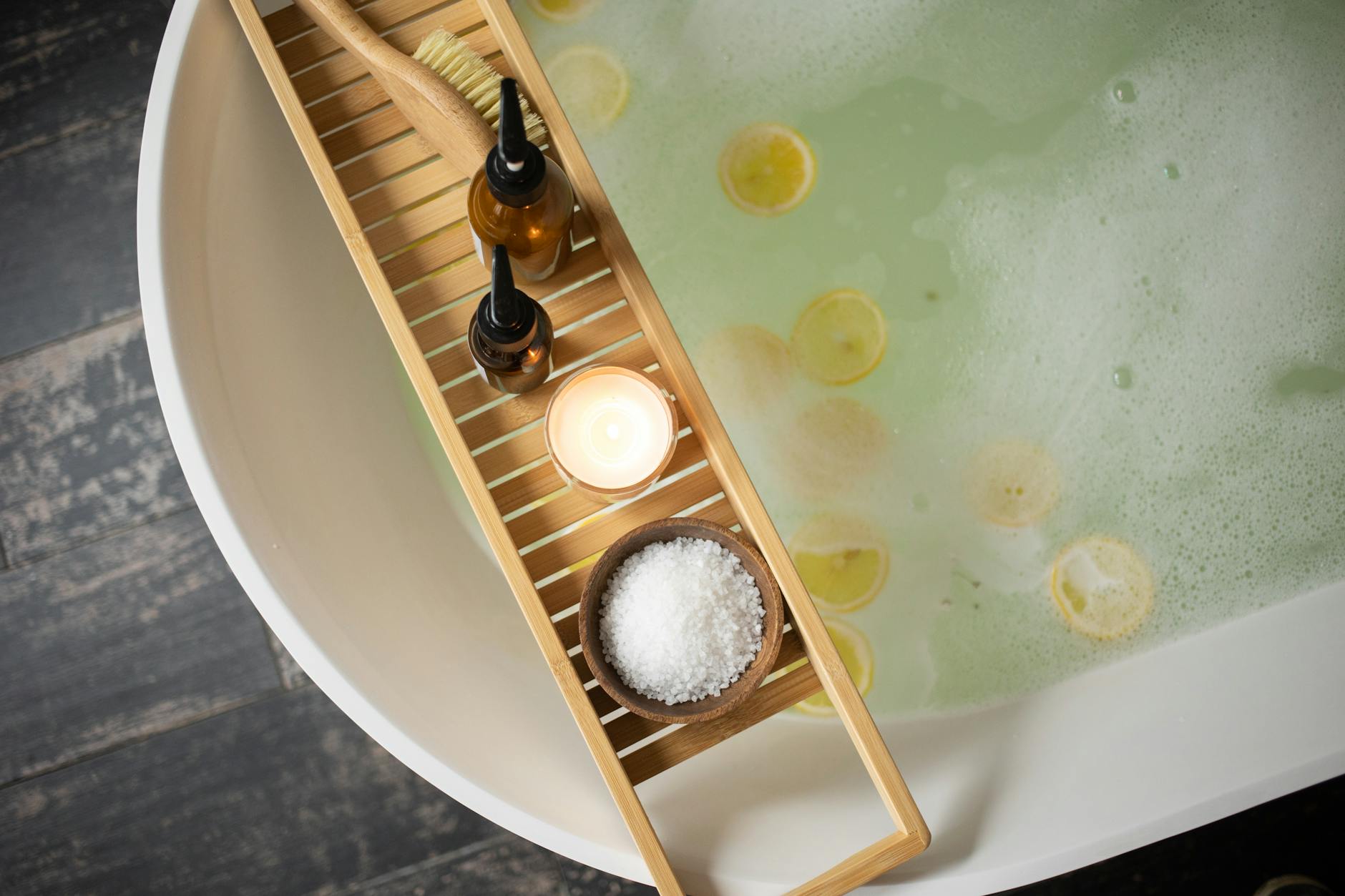
Discover how to use essential oils like lavender, lemon, and eucalyptus in your bath to promote relaxation, improve mood, and soothe muscles. Learn safe dilution methods and precautions for a rejuvenating experience.
April 1, 2026

Discover the ancient 5 Tibetan Rites, a sequence of five exercises believed to restore youth and vitality. Learn how to perform each rite and unlock its benefits for energy, sleep, and well-being.
April 1, 2026

Discover the art of circular breathing, a technique that allows continuous sound and breath. Learn how singers, musicians, and meditators can master this skill for enhanced performance and deeper relaxation. Includes practice steps and benefits.
April 1, 2026