

Emergency & Help
24/7 Emergency & General Advisory
🚨 24/7 Medical Emergency
Non-Emergency Advisory
10:00 AM – 6:00 PM, Mon–Sat
For appointments & general queries.
24/7 Emergency & General Advisory
🚨 24/7 Medical Emergency
Non-Emergency Advisory
10:00 AM – 6:00 PM, Mon–Sat
For appointments & general queries.
Discover practical strategies to overcome common meditation challenges. Learn how to make mindfulness accessible and sustainable in your daily life.
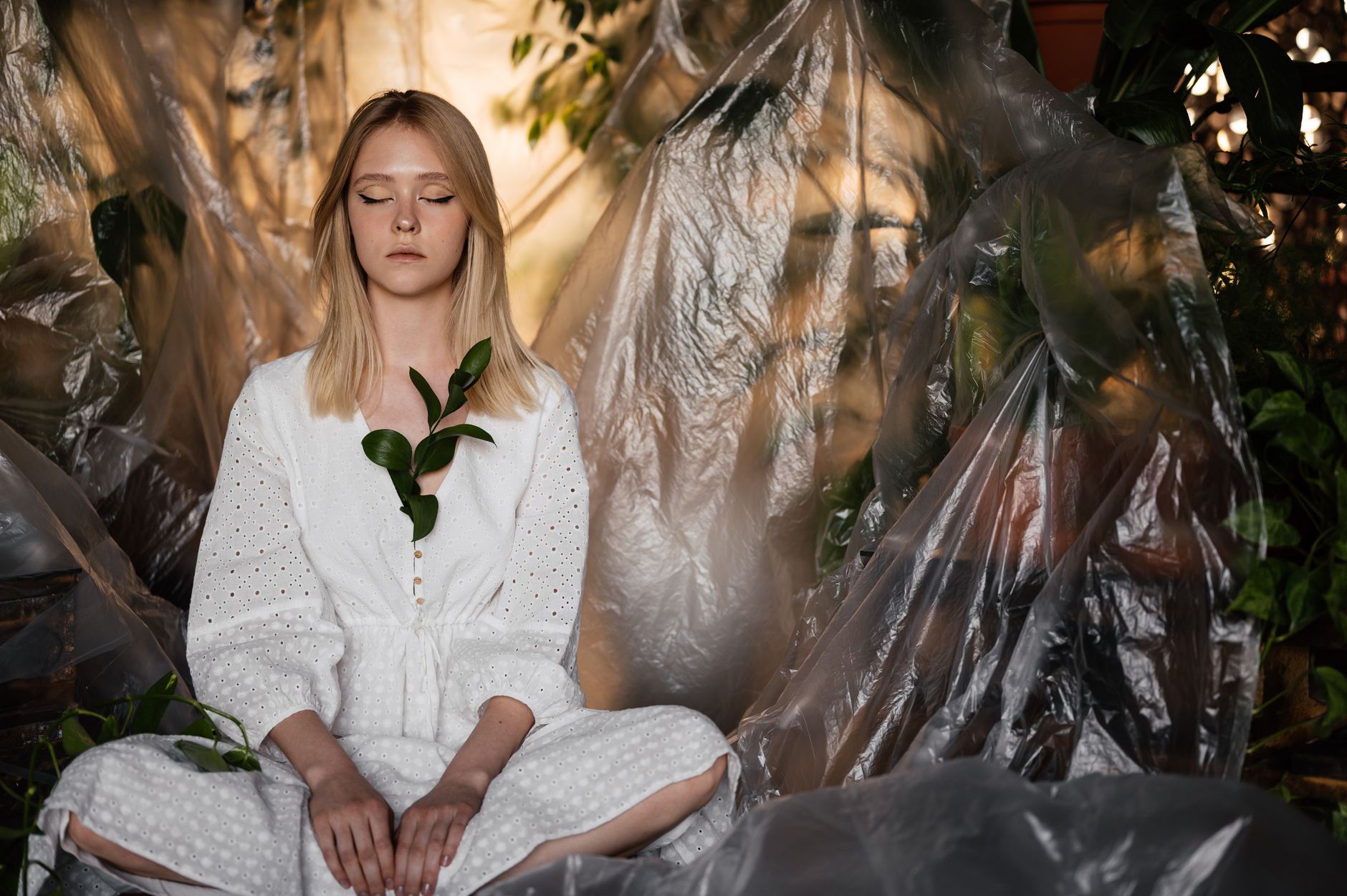
Meditation offers a path to peace in our busy lives, but let's be honest, it's not always easy. Many of us find ourselves battling restless thoughts, feeling frustrated, or simply struggling to find the time and space to practice. If you've ever felt like you're 'doing it wrong' or that your mind is just too chaotic to meditate, you're not alone. In India, where life moves at a rapid pace, incorporating a moment of stillness can seem like an impossible dream. But what if we told you that meditation doesn't require a perfectly quiet room or a completely blank mind? What if the challenges you face are actually opportunities to deepen your practice? This guide is designed to help you navigate those challenges. We'll explore practical, down-to-earth strategies that make meditation more accessible and sustainable, even amidst the demands of everyday Indian life. Forget the pressure of achieving an 'empty mind'; instead, we'll focus on learning to be present with whatever arises. We'll look at simple techniques to anchor your attention, manage distractions, and cultivate a more forgiving and consistent practice. Let's transform meditation from a daunting task into a supportive tool for your well-being. Why is Meditation So Challenging? The primary hurdle most people face with meditation is the very nature of the mind. Our minds are designed to think, to process information, to plan, and to worry. When we ask them to be still, it feels unnatural. This internal resistance can manifest in various ways: Restless Thoughts: A constant stream of thoughts, from to-do lists to fleeting memories. Physical Discomfort: Feeling fidgety, experiencing aches, or an urge to move. Emotional Turmoil: A surge of emotions, frustration, or impatience with the process. External Distractions: Noise from traffic, family members, or even a sudden craving for chai. The 'Am I Doing It Right?' Doubt: Questioning the effectiveness of the practice and comparing it to idealized notions. Consider Priya, a working mother in Mumbai. She tries to meditate for 10 minutes each morning before her children wake up. Just as she settles into her seated posture, she remembers a forgotten grocery item, her phone buzzes with a work notification, and her cat decides it's the perfect time to demand attention by walking across her yoga mat. Priya often ends her session feeling more agitated than when she started, wondering if meditation is simply not for her. Strategies to Make Meditation Easier The good news is that meditation is a skill, and like any skill, it can be learned and improved with practice. The key is to work with your mind, not against it. Here are some accessible techniques: 1. Give Your Mind a 'Job' Your mind likes to feel busy and important. Instead of fighting its tendency to wander, give it a simple task. This helps channel its energy constructively. Counting Breaths: This is a classic technique. As you inhale and exhale, count each breath. Start by counting from 1 to 10. Once you reach 10, begin again at 1. If you lose count or your mind wanders, gently bring your attention back to the breath and start counting from 1 again. It's okay if you have to restart many times; that's part of the practice! Focusing on Physical Sensations: Pay close attention to the physical sensations of your breath. Notice the cool air entering your nostrils, the rise and fall of your chest or abdomen, and the warmth of the air as you exhale. Choose one sensation and rest your attention there. Scenario: You're trying to count your breaths, and suddenly you remember you need to call your parents. Instead of getting frustrated, acknowledge the thought, gently return to your breath, and restart your count from 1. The goal isn't perfect counting, but returning your focus. 2. Start Small and Build Gradually Don't feel pressured to meditate for long periods right away. Consistency is more important than duration. Begin with 5 Minutes: If you're new to meditation, start with just 5 minutes a day. Find a time when you're least likely to be interrupted. Increase Slowly: Once 5 minutes feels comfortable, gradually increase your time by a minute or two each week. Aim for 10-20 minutes if that feels sustainable for you. Real-life Tip: Schedule your meditation like any other important appointment. Put it in your calendar. Even 5 minutes before your morning chai or 5 minutes before bed can make a difference. 3. Embrace Guided Meditations Guided meditations are excellent for beginners and experienced practitioners alike. A voice guides you through the practice, offering instructions and prompts. Use Apps and Online Resources: Many excellent meditation apps (like Calm, Headspace, Insight Timer) offer a wide variety of guided sessions. You can also find guided meditations on YouTube. Explore Different Styles: Try guided body scans, loving-kindness meditations, or simple mindfulness exercises. Benefit: The guide provides external structure, making it easier to stay focused and less daunting than trying to manage your thoughts entirely on your own. 4. Find a Comfortable Posture Meditation doesn't require you to sit in a specific, uncomfortable pose. The goal is to be alert yet relaxed. Seated on a Chair: Sit upright with your feet flat on the floor, spine naturally aligned, and hands resting on your lap or knees. Seated on a Cushion: If you prefer sitting on the floor, use a cushion to elevate your hips slightly, allowing your knees to rest lower than your hips for comfort. Lying Down (with caution): While relaxing, lying down can sometimes lead to sleep. If you choose this, ensure your body is fully supported and try to maintain awareness. A guided relaxation like Savasana (Corpse Pose) from yoga can be effective. Key: Your posture should allow you to be comfortable and alert for the duration of your practice. 5. Accept Your Thoughts and Feelings Perhaps the most profound shift in making meditation easier is changing your relationship with your thoughts and feelings. They are not the enemy. Observe, Don't Judge: Notice thoughts as they arise, like clouds passing in the sky. Acknowledge them without getting carried away by them or criticizing yourself for having them. Be Kind to Yourself: If you find yourself frustrated, acknowledge the frustration without judgment. Treat yourself with the same kindness you would offer a friend learning a new skill. Shift in Perspective: Meditation isn't about stopping thoughts; it's about changing your awareness of them. It's about learning to be present with your experience, whatever it may be. 6. Use Chanting or Mantras For some, vocalizing can be a powerful anchor. The Sound of 'Om': Chanting 'Om' can help focus the mind. Draw out the vowel and consonant sounds. Feel the vibration in your body. Repeating a Mantra: Silently or softly repeat a chosen word or phrase (mantra) that resonates with you, such as 'peace' or 'calm'. How it helps: The rhythmic sound or repetition can occupy the mind in a pleasant way, reducing the space for distracting thoughts. 7. Create a Dedicated Space (If Possible) While not essential, having a designated spot for meditation can help signal to your brain that it's time to practice. Keep it Simple: This doesn't need to be elaborate. It could be a corner of your room with a comfortable cushion or chair. Keep it Tidy: A clean and uncluttered space can contribute to a calmer mind. The Advantage: A consistent space can build a positive association and make it easier to transition into a meditative state. When to Consult a Doctor or Therapist While meditation is generally safe and beneficial, it's important to know when to seek professional help. Intensified Distress: If meditation brings up overwhelming or distressing emotions that you cannot manage, it's wise to speak with a mental health professional. Underlying Conditions: For individuals dealing with severe anxiety, depression, or trauma, meditation should ideally be practiced under the guidance of a therapist or doctor. They can help tailor the practice and ensure it's supportive. Physical Discomfort: If you experience persistent physical pain or discomfort during meditation that doesn't improve, consult a doctor or physiotherapist. Remember: Your mental and physical well-being are paramount. Meditation should be a supportive practice, not a source of added stress. Frequently Asked Questions (FAQ) Q1: Can I meditate if I can't sit still? A: Absolutely! If sitting still is difficult, try walking meditation, or simply focus on the sensation of your feet on the ground while standing. You can also try shorter durations or guided meditations that involve gentle movement. Q2: What if I fall asleep during meditation? A: It happens! If you find yourself frequently falling asleep, try meditating at a different time of day when you're more alert, or try a posture that encourages alertness, like sitting upright in a chair. You can also try shorter sessions. Q3: Is there a 'right' way to meditate? A: No, there isn't one single 'right' way. The most effective meditation is the one you can practice consistently. Focus on being present and kind to yourself, rather than striving for perfection. Q4: How
In summary, timely diagnosis, evidence-based treatment, and prevention-focused care improve long-term health outcomes.
Visit Hospital
Near You

Discover how to use essential oils like lavender, lemon, and eucalyptus in your bath to promote relaxation, improve mood, and soothe muscles. Learn safe dilution methods and precautions for a rejuvenating experience.
April 1, 2026

Discover the ancient 5 Tibetan Rites, a sequence of five exercises believed to restore youth and vitality. Learn how to perform each rite and unlock its benefits for energy, sleep, and well-being.
April 1, 2026

Discover the art of circular breathing, a technique that allows continuous sound and breath. Learn how singers, musicians, and meditators can master this skill for enhanced performance and deeper relaxation. Includes practice steps and benefits.
April 1, 2026