

Emergency & Help
24/7 Emergency & General Advisory
🚨 24/7 Medical Emergency
Non-Emergency Advisory
10:00 AM – 6:00 PM, Mon–Sat
For appointments & general queries.
24/7 Emergency & General Advisory
🚨 24/7 Medical Emergency
Non-Emergency Advisory
10:00 AM – 6:00 PM, Mon–Sat
For appointments & general queries.
Discover the transformative power of conscious breathing. Learn simple techniques to reduce stress, anxiety, and improve overall well-being, making it an accessible tool for everyday life in India.

In the whirlwind of modern Indian life, do you ever feel like you’re just… going through the motions? The constant deadlines, the bustling crowds, the endless to-do lists – it’s enough to make anyone feel frazzled. But what if I told you there’s a simple, powerful tool you already possess that can bring you back to calm, center you in the present, and help you navigate life’s challenges with grace? It’s your breath. Yes, that seemingly automatic process we do thousands of times a day, is actually a gateway to profound well-being. Conscious breathing, often known as pranayama in yogic traditions, is the art of intentionally paying attention to your breath as it flows in and out of your body. It’s not just about taking a deep breath; it’s about developing a gentle awareness of this vital life force. This practice can anchor you in the present moment, making you more attuned to your body and your mind. It’s a way to step back from the chaos, create space for thoughtful responses instead of knee-jerk reactions, and truly engage with your life.
You might be surprised to learn just how deeply your breath is connected to your nervous system. While you might not consciously think about it, your body breathes about 12 to 20 times every minute – that’s up to 28,800 breaths a day! When you’re stressed, your breathing tends to become shallow and rapid. This signals your body’s ‘fight-or-flight’ response, flooding you with adrenaline and preparing you to face a perceived threat. Your heart races, your muscles tense, and your mind becomes a whirlwind. Conscious breathing, on the other hand, does the opposite. By deliberately slowing down and deepening your breath, you activate your parasympathetic nervous system. This is your body’s ‘rest-and-digest’ mode. It tells your system that it’s safe to relax, promoting a sense of calm, lowering your heart rate, and easing muscle tension. It’s like flipping a switch from panic mode to peace mode!
The advantages of making conscious breathing a part of your routine are far-reaching, supported by growing scientific evidence and ancient wisdom alike. Research shows that regular practice can lead to:
Ready to harness the power of your breath? You don’t need fancy equipment or hours of free time. Start small, be consistent, and notice the changes. Here are a few accessible techniques:
This is the foundation of conscious breathing. It’s about simply noticing.
This technique emphasizes using your diaphragm, the large muscle at the base of your lungs, for deeper, more effective breaths.
This technique is excellent for quickly calming the nervous system.
While conscious breathing is a safe and beneficial practice for most people, it’s important to know when to consult a healthcare professional. If you experience any adverse effects, such as dizziness or lightheadedness, stop the practice and rest. If you have a pre-existing respiratory condition like severe asthma or COPD, it’s always wise to speak with your doctor before starting any new breathing exercises to ensure they are appropriate for you. Additionally, if you are dealing with significant anxiety, depression, or other mental health concerns, conscious breathing can be a wonderful complementary tool, but it should not replace professional medical advice or treatment. Your doctor or a mental health professional can provide personalized guidance and ensure you are using these techniques safely and effectively as part of a comprehensive health plan.
Conscious breathing isn’t a magic cure, but it is an incredibly accessible and powerful practice that can profoundly impact your well-being. In our fast-paced world, taking a few moments each day to connect with your breath can be a revolutionary act of self-care. It’s a reminder that even amidst chaos, you have an inner anchor of calm waiting to be discovered. Start with just a minute or two. Feel the difference. Your body, mind, and spirit will thank you.
Q1: How long should I practice conscious breathing each day?
Start small! Even 1-5 minutes a day can make a difference. As you get more comfortable, you can gradually increase the duration to 10-15 minutes or longer, perhaps once or twice a day.
Q2: Can conscious breathing really help with anxiety?
Yes, absolutely! By activating the parasympathetic nervous system, conscious breathing helps to calm your body’s stress response, which is often overactive in people experiencing anxiety. Many studies show significant improvements in anxiety symptoms with regular practice.
Q3: I feel dizzy when I try deep breathing. What should I do?
This can happen, especially when you're new to it. It usually means you're breathing too deeply or too quickly, or holding your breath. Try to slow down your breath and ensure your exhales are gentle and complete. If it persists, reduce the depth of your breaths or pause the exercise and consult a healthcare provider.
Q4: Is conscious breathing the same as meditation?
While often used together and sharing similar goals of mindfulness and calm, they are distinct. Meditation is a broader practice that can involve various techniques. Conscious breathing is specifically focused on the awareness and intentional control of your breath, and it can be a powerful tool within meditation or as a standalone practice.
Q5: Can children benefit from conscious breathing?
Yes, children can greatly benefit from learning simple breathing techniques to manage emotions, improve focus, and reduce stress. Age-appropriate techniques can be introduced gently.
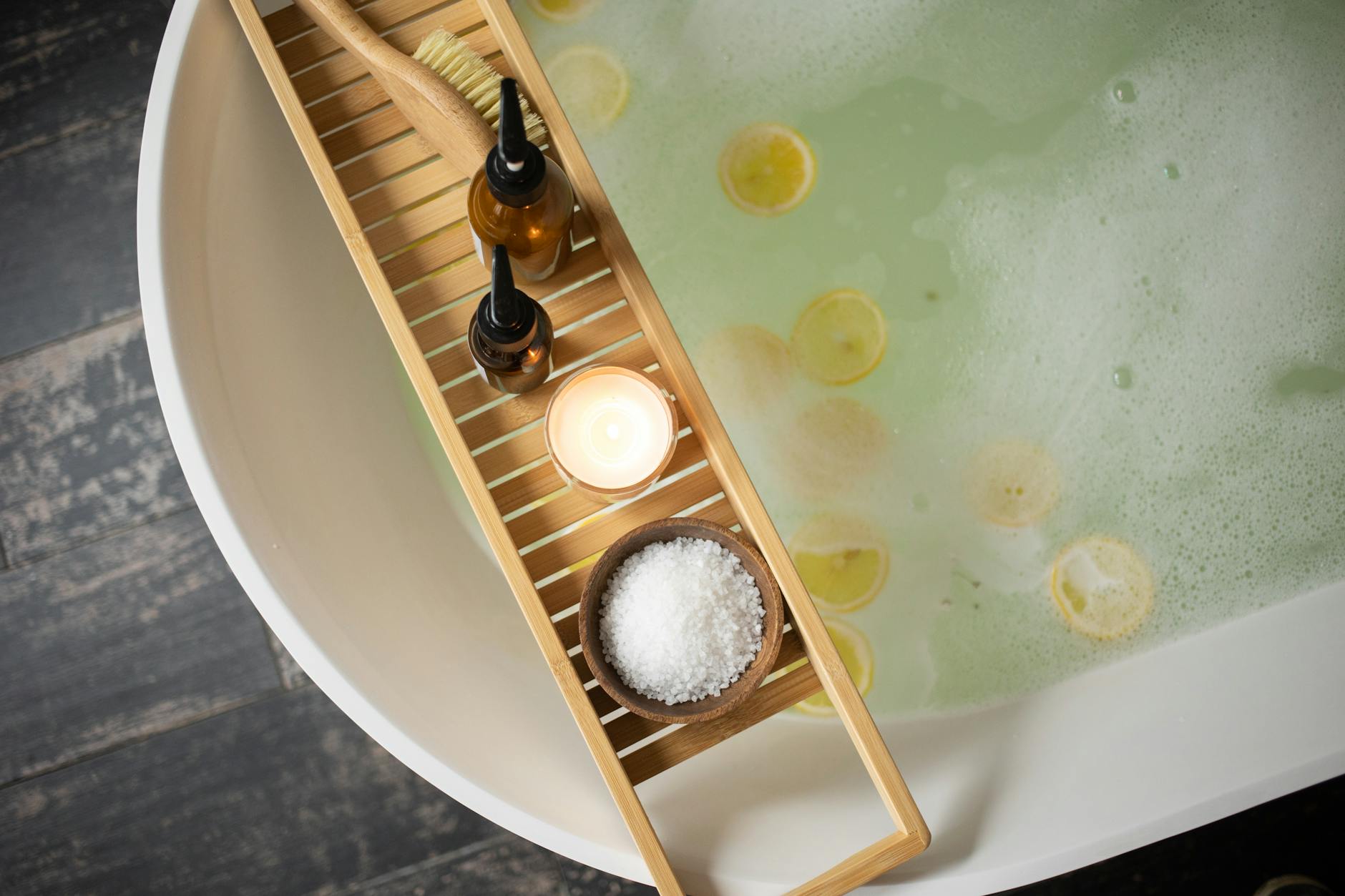
Discover how to use essential oils like lavender, lemon, and eucalyptus in your bath to promote relaxation, improve mood, and soothe muscles. Learn safe dilution methods and precautions for a rejuvenating experience.
April 1, 2026

Discover the ancient 5 Tibetan Rites, a sequence of five exercises believed to restore youth and vitality. Learn how to perform each rite and unlock its benefits for energy, sleep, and well-being.
April 1, 2026

Discover the art of circular breathing, a technique that allows continuous sound and breath. Learn how singers, musicians, and meditators can master this skill for enhanced performance and deeper relaxation. Includes practice steps and benefits.
April 1, 2026