

Emergency & Help
24/7 Emergency & General Advisory
🚨 24/7 Medical Emergency
Non-Emergency Advisory
10:00 AM – 6:00 PM, Mon–Sat
For appointments & general queries.
24/7 Emergency & General Advisory
🚨 24/7 Medical Emergency
Non-Emergency Advisory
10:00 AM – 6:00 PM, Mon–Sat
For appointments & general queries.
Learn how to safely perform the headstand (Sirsasana) with our step-by-step guide, including benefits, safety tips, and preparatory poses suitable for Indian readers.

The headstand, known in Sanskrit as Sirsasana, is often called the 'king of asanas' in yoga. It's an advanced inversion that offers a wealth of physical and mental benefits, but it also requires careful preparation and execution to avoid injury. This guide is designed for our readers in India, providing practical advice on how to approach this powerful pose safely and effectively. We'll cover the benefits, essential safety precautions, preparatory poses, and step-by-step instructions for entering and exiting the headstand.
When performed correctly, Sirsasana can be a transformative practice. It's more than just an upside-down pose; it's a way to invigorate your body and calm your mind. Here’s what you can gain:
While the benefits are appealing, safety is paramount. Headstands carry risks, especially to the neck, shoulders, and back, if not approached with proper technique and preparation. Always listen to your body and never push beyond your limits.
1. Work with a Spotter: The ideal scenario is to practice with a qualified yoga teacher or an experienced friend. They can guide your alignment, offer support, and ensure you're moving safely into and out of the pose. Imagine you're trying a headstand for the first time at your local yoga studio, and your teacher gently guides your hips and corrects your arm placement – that's the kind of support that makes a difference.
2. Use a Wall for Support: If you're practicing at home without a spotter, a wall can be a valuable tool, especially when you're learning. Don't lean heavily on it, but use it for emotional reassurance and to gauge your distance. As you gain confidence, you can gradually move further away from the wall.
3. Soften Your Landing: Place a few folded blankets or cushions on the floor around you. This provides a softer landing if you happen to lose your balance and tumble. It's a simple yet effective way to reduce anxiety about falling.
A headstand isn't a pose you jump into. It requires building strength, stability, and flexibility. Focus on these poses to prepare your body:
Once you feel ready and have built a solid foundation, follow these steps carefully. Remember, gentleness and awareness are key.
Measure Your Elbow Width: Sit on your mat and measure the distance between your elbows by placing your opposite hands on the inside of your upper arms. Maintain this elbow distance.
Place Your Forearms: Keep your elbows exactly where they are and place them down on your mat. Your forearms will form a stable triangle with your elbows as the apex. Your hands can either clasp together, or you can place one hand flat on the mat with the other hand cupped over the elbow, and then switch sides to ensure even pressure.
Interlace Fingers: Interlace your fingers firmly, creating a supportive cradle for the back of your head. Your thumbs should rest on the mat.
Place the Crown of Your Head: Gently bring the very top of your head (the crown) to the mat, nestled within the cradle of your hands. Your forehead should point towards the floor. Ensure your neck is long and not compressed. This is where the folded blankets can be helpful to cushion your head.
Walk Your Feet In: From a Downward-Facing Dog position with your forearms on the ground, begin to walk your feet closer to your head. Keep your knees bent initially. Feel your core engage, drawing your navel towards your spine.
Lift One Leg: Once your feet are close enough that your hips are nearly over your shoulders, shift your weight forward slightly. Gently lift one leg off the ground, bending the knee towards your chest. Breathe here.
Lift the Second Leg: With control, engage your core and gently lift the second leg to meet the first. You might find yourself 'kicking up,' but aim for a controlled lift using core strength rather than momentum. If you're using a wall, you might gently tap your feet against it for support.
Once both legs are lifted, focus on creating a stable, straight line from your hands, through your shoulders and spine, to your feet. Press firmly into your forearms and the outer edges of your hands. Keep your core engaged and your breath steady. Relax your face and jaw. Aim to hold for 3-5 breaths initially, gradually increasing the duration as you feel comfortable and stable.
Coming down is just as important as going up. Always exit with control:
If you experience any pain, dizziness, or discomfort at any point, come down immediately. It's highly recommended to learn the headstand under the guidance of a certified yoga instructor, especially if you are new to inversions or have any health concerns. They can provide personalized adjustments and ensure you're practicing safely.
Scenario: Priya, a 35-year-old software engineer in Bangalore, has been practicing yoga for a year. She's eager to try the headstand but feels nervous about her neck. She decides to attend a workshop specifically on inversions where an experienced teacher demonstrates the preparatory poses and provides hands-on adjustments. This approach helps her build confidence and learn the correct alignment before attempting the full pose.
Remember, yoga is a journey, not a destination. Approach the headstand with patience, respect for your body, and a sense of playfulness. Enjoy the process of learning and growing in your practice!
Visit Hospital
Near You
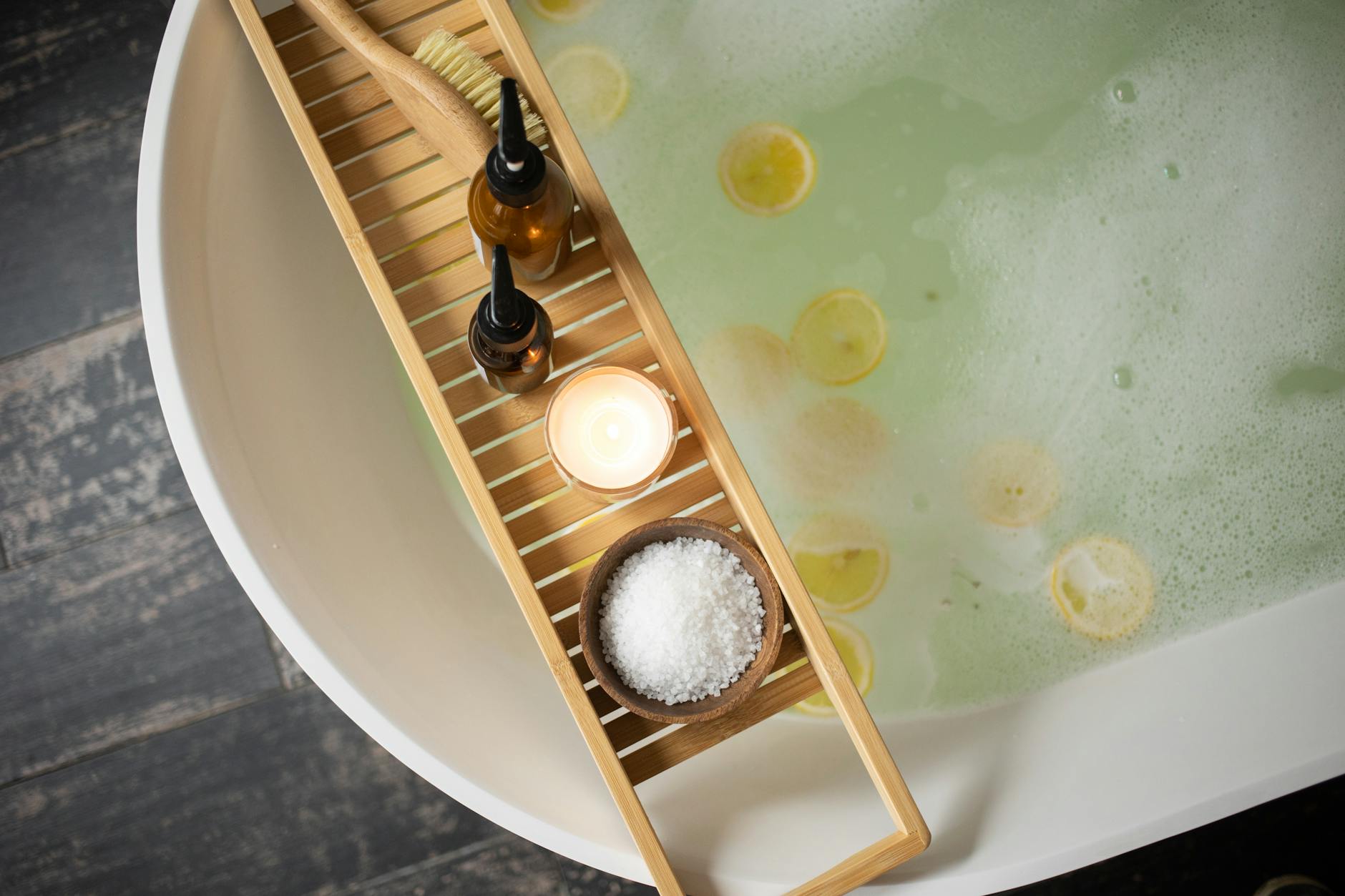
Discover how to use essential oils like lavender, lemon, and eucalyptus in your bath to promote relaxation, improve mood, and soothe muscles. Learn safe dilution methods and precautions for a rejuvenating experience.
April 1, 2026

Discover the ancient 5 Tibetan Rites, a sequence of five exercises believed to restore youth and vitality. Learn how to perform each rite and unlock its benefits for energy, sleep, and well-being.
April 1, 2026

Discover the art of circular breathing, a technique that allows continuous sound and breath. Learn how singers, musicians, and meditators can master this skill for enhanced performance and deeper relaxation. Includes practice steps and benefits.
April 1, 2026