

Emergency & Help
24/7 Emergency & General Advisory
🚨 24/7 Medical Emergency
Non-Emergency Advisory
10:00 AM – 6:00 PM, Mon–Sat
For appointments & general queries.
24/7 Emergency & General Advisory
🚨 24/7 Medical Emergency
Non-Emergency Advisory
10:00 AM – 6:00 PM, Mon–Sat
For appointments & general queries.
Stay updated with our latest healthcare news and your appointments.
Explore how mindfulness meditation can help manage Irritable Bowel Syndrome (IBS) symptoms by calming the gut-brain axis, reducing stress, and improving coping mechanisms. Learn practical techniques and discover the evidence supporting this complementary therapy for a better quality of life.

Irritable Bowel Syndrome (IBS) is a chronic gastrointestinal disorder characterized by abdominal pain or discomfort, bloating, and altered bowel habits (diarrhea, constipation, or both). It affects millions worldwide, significantly impacting quality of life. While its exact cause remains unknown, stress and anxiety are well-established triggers and exacerbators of IBS symptoms. This is where mindfulness meditation, a practice rooted in ancient traditions, offers a promising complementary approach to managing IBS by addressing the powerful connection between your gut and your brain.
IBS is often referred to as a functional gastrointestinal disorder because, unlike inflammatory bowel diseases (IBD) such as Crohn's disease or ulcerative colitis, it doesn't cause visible inflammation or damage to the digestive tract. Instead, it involves a disturbance in how the gut and brain communicate, leading to hypersensitivity and altered gut motility.
These symptoms can be unpredictable, causing significant distress, anxiety, and social limitations for those living with IBS.
While the precise cause of IBS is not fully understood, several factors are believed to contribute to its development and symptom flare-ups:
Diagnosing IBS involves a process of ruling out other conditions that might cause similar symptoms. Doctors typically use the Rome IV criteria, which are based on symptoms:
A doctor will also perform a physical exam and may order tests such as blood tests (to check for anemia, inflammation, or celiac disease), stool tests (to rule out infection or inflammation), and sometimes a colonoscopy, especially for individuals over 50 or those with
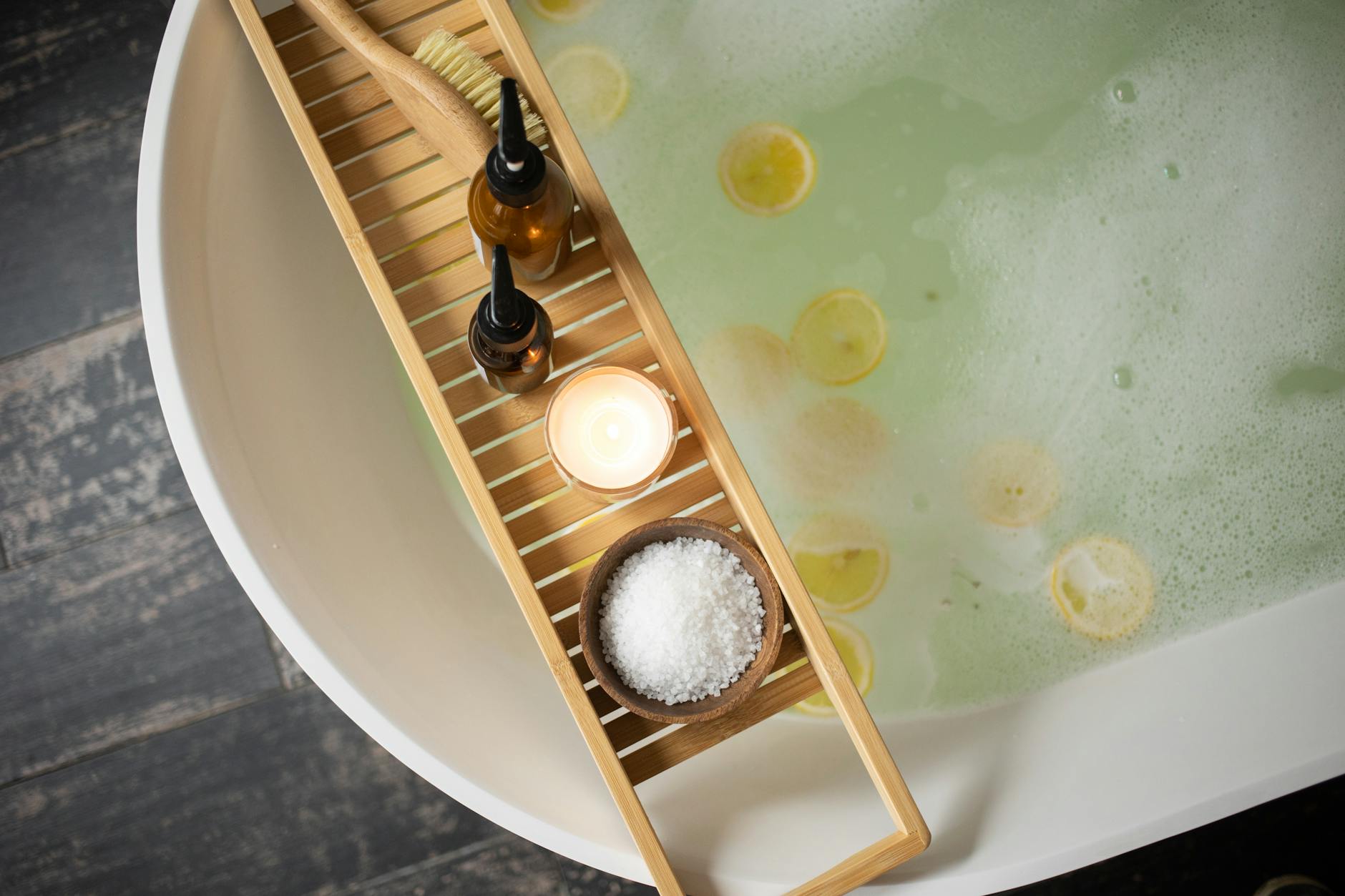
Discover how to use essential oils like lavender, lemon, and eucalyptus in your bath to promote relaxation, improve mood, and soothe muscles. Learn safe dilution methods and precautions for a rejuvenating experience.
April 1, 2026

Discover the ancient 5 Tibetan Rites, a sequence of five exercises believed to restore youth and vitality. Learn how to perform each rite and unlock its benefits for energy, sleep, and well-being.
April 1, 2026

Discover the art of circular breathing, a technique that allows continuous sound and breath. Learn how singers, musicians, and meditators can master this skill for enhanced performance and deeper relaxation. Includes practice steps and benefits.
April 1, 2026