

Emergency & Help
24/7 Emergency & General Advisory
🚨 24/7 Medical Emergency
Non-Emergency Advisory
10:00 AM – 6:00 PM, Mon–Sat
For appointments & general queries.
24/7 Emergency & General Advisory
🚨 24/7 Medical Emergency
Non-Emergency Advisory
10:00 AM – 6:00 PM, Mon–Sat
For appointments & general queries.
Discover how Pilates, a mindful exercise focusing on core strength and controlled movements, can offer gentle relief for migraine symptoms by improving posture, reducing back pain, and managing stress.

Migraines can be a debilitating condition, impacting daily life with throbbing pain, nausea, and sensitivity to light and sound. For many, finding effective relief is a constant quest. While medication plays a role, many individuals seek complementary therapies to manage their symptoms. Have you ever considered Pilates? This low-impact exercise method, developed by Joseph Pilates in the early 20th century, focuses on controlled movements, core strength, and mindful connection between the body and mind. Originally designed for rehabilitation, Pilates has evolved into a popular fitness practice. But can it help with migraines? Let's explore the potential benefits and how this unique exercise could offer a gentler path to managing migraine symptoms.
Migraine is more than just a bad headache. It's a complex neurological condition that affects millions worldwide. Triggers can vary widely, from certain foods and stress to hormonal changes and environmental factors. For some, intense physical activity can even be a trigger, leading to a careful consideration of any exercise regimen.
However, the medical community increasingly recognizes the value of regular, moderate exercise for migraine management. The American Migraine Foundation (AMF) suggests that consistent exercise can decrease the frequency of migraine attacks. It also helps reduce stress and improve sleep quality, both of which are known migraine triggers. The key is finding the right type of exercise – one that promotes well-being without exacerbating symptoms.
Pilates distinguishes itself through its emphasis on core strength, flexibility, and precise movements. Unlike high-intensity aerobic exercises that can sometimes spike blood pressure – a potential migraine trigger for some – Pilates focuses on controlled, deliberate actions. This mindful approach can be particularly appealing for individuals managing a chronic condition like migraine.
Here's an interesting connection: a 2019 review of studies highlighted a significant link between lower back pain and headache disorders, including migraine. People experiencing headaches often report concurrent lower back pain more frequently than those who don't. Why is this relevant to Pilates? Pilates is renowned for its ability to strengthen the core and back muscles. By improving posture and alleviating back pain, Pilates may indirectly address a contributing factor to migraine frequency and severity. Poor posture, such as slouching, can indeed worsen migraine symptoms, and Pilates directly targets these postural issues.
Elevated blood pressure during physical exertion can sometimes provoke migraine attacks. This is where Pilates might offer a unique advantage. A small study in 2020 involving middle-aged adults with hypertension found that Pilates could potentially lower blood pressure. After just one session, participants observed a reduction in blood pressure. This suggests that the slow, controlled movements of Pilates are less likely to cause the sudden blood pressure spikes that might trigger a migraine in sensitive individuals. For those who experience exercise-induced hypertension, Pilates could be a safer exercise alternative.
Pilates offers several potential benefits that align well with migraine management strategies:
If you're considering incorporating Pilates into your routine to help manage migraines, here are some practical steps:
While Pilates is generally safe, certain movements or intensities might not be suitable for everyone. It's wise to be aware of potential triggers associated with exercise:
While more extensive research specifically on Pilates and migraine is needed, the existing evidence points towards a promising complementary role for this exercise method. Its focus on core strength, posture improvement, stress reduction, and gentle, controlled movement makes it a potentially valuable tool for individuals seeking non-pharmacological ways to manage their migraines. By strengthening the body and fostering a mind-body connection, Pilates offers a holistic approach to wellness that can contribute to a better quality of life for those living with this challenging condition.
For most people with migraines, Pilates is considered a safe and potentially beneficial form of exercise, especially when performed under the guidance of a qualified instructor. Its low-impact nature and focus on controlled movements make it less likely to trigger migraines compared to high-intensity activities. However, it's always best to consult your doctor before starting any new exercise program.
While direct research is limited, Pilates may help reduce migraine frequency indirectly by improving posture, reducing back pain, lowering stress levels, and promoting better sleep – all factors that can influence migraine occurrences. Regular exercise, in general, is recommended by organizations like the American Migraine Foundation for decreasing attack frequency.
Pilates is particularly well-suited for individuals with both migraines and back pain. It is designed to strengthen core and back muscles, improve posture, and alleviate pain. If your back pain is linked to weak abdominal muscles, Pilates can be very effective. Always inform your instructor about your back pain so they can modify exercises appropriately.
Consistency is key. Aim for 2-3 Pilates sessions per week, starting with shorter durations and gradually increasing as your body adapts. Listen to your body and adjust the frequency based on how you feel. Combining Pilates with other healthy lifestyle habits, such as a balanced diet and adequate sleep, will yield the best results.
Visit Hospital
Near You
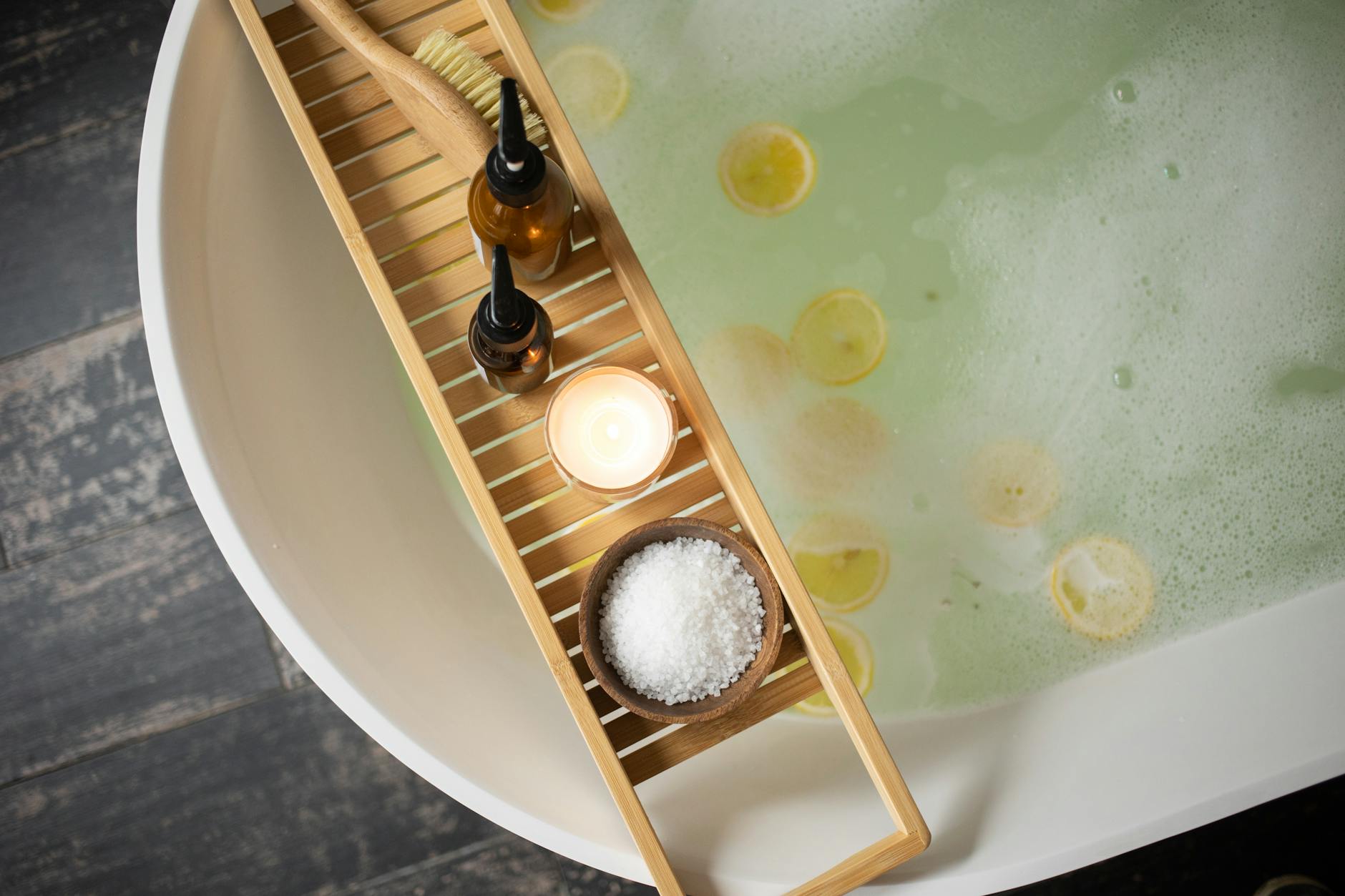
Discover how to use essential oils like lavender, lemon, and eucalyptus in your bath to promote relaxation, improve mood, and soothe muscles. Learn safe dilution methods and precautions for a rejuvenating experience.
April 1, 2026

Discover the ancient 5 Tibetan Rites, a sequence of five exercises believed to restore youth and vitality. Learn how to perform each rite and unlock its benefits for energy, sleep, and well-being.
April 1, 2026

Discover the art of circular breathing, a technique that allows continuous sound and breath. Learn how singers, musicians, and meditators can master this skill for enhanced performance and deeper relaxation. Includes practice steps and benefits.
April 1, 2026