

Emergency & Help
24/7 Emergency & General Advisory
🚨 24/7 Medical Emergency
Non-Emergency Advisory
10:00 AM – 6:00 PM, Mon–Sat
For appointments & general queries.
24/7 Emergency & General Advisory
🚨 24/7 Medical Emergency
Non-Emergency Advisory
10:00 AM – 6:00 PM, Mon–Sat
For appointments & general queries.
Discover the soothing benefits of sea salt baths for muscle relief, skin health, better sleep, and relaxation. Learn how to create your own therapeutic soak at home.

In our fast-paced lives, finding moments of calm and rejuvenation is essential for overall well-being. While many of us associate relaxation with spa days or quiet evenings, a simple yet powerful remedy lies within reach: the humble sea salt bath. More than just a luxurious indulgence, a sea salt bath offers a surprising array of therapeutic benefits for your body and mind. From easing muscle aches to soothing irritated skin and promoting better sleep, this ancient practice can be a game-changer for your health routine. Let's explore how incorporating sea salt into your bath can transform your well-being, making it a practical and accessible self-care ritual. What Exactly is Sea Salt? Before we dive into the benefits, it's helpful to understand what sea salt is. Sea salt is derived from the evaporation of ocean water. Unlike table salt, which undergoes significant processing to achieve a fine texture, sea salt is typically minimally processed. This means it retains a variety of trace minerals, such as magnesium, potassium, and calcium, which are often stripped away during the refining of table salt. These minerals contribute to the unique therapeutic properties of sea salt baths. The texture and composition of sea salt can vary depending on its source. Some popular types include: Dead Sea Salt: Sourced from the highly mineralized Dead Sea, this salt is renowned for its therapeutic qualities, particularly for skin conditions. Himalayan Pink Salt: While technically mined, it shares many mineral properties with sea salt and is often used similarly. Regular Sea Salt: Harvested from ocean water, this is commonly used in culinary applications but also beneficial in baths. The Therapeutic Power of a Sea Salt Soak The magic of a sea salt bath lies in its ability to interact with your body through osmosis and the absorption of minerals. When you soak in a warm bath infused with sea salt, your skin acts like a sponge, drawing in these beneficial minerals while simultaneously releasing toxins. This dual action can lead to a range of positive effects: 1. Easing Muscle Aches and Joint Stiffness Many of us experience muscle soreness from physical activity, long hours at a desk, or simply the wear and tear of daily life. Sea salt baths can provide significant relief. The minerals, particularly magnesium, help to relax muscles and reduce inflammation, easing stiffness and aches. The warm water itself increases blood circulation, further aiding in muscle recovery and joint mobility. Real-life scenario: After a particularly demanding week of household chores and long commutes, Priya felt a persistent ache in her lower back and stiffness in her knees. She decided to try a sea salt bath before bed, hoping for some relief. After soaking for 20 minutes, she noticed a marked decrease in her discomfort, feeling more relaxed and ready for a restful night's sleep. 2. Calming Irritated Skin Conditions If you struggle with skin issues like psoriasis, eczema, or general dryness and itching, a sea salt bath can be a soothing balm. Dermatologists often recommend these baths as a complementary treatment. The minerals in sea salt can help reduce inflammation, decrease scaling, and alleviate itching. By promoting skin cell turnover and strengthening the skin barrier, sea salt can contribute to healthier, more comfortable skin. The anti-inflammatory properties of sea salt are particularly beneficial for conditions like psoriasis, where it can help to reduce redness and the characteristic flaky scales. For eczema sufferers, the gentle exfoliation and mineral content can soothe irritated patches and improve hydration. 3. Promoting Better Sleep Struggling to unwind before bedtime? A warm sea salt bath can be an excellent addition to your nightly routine. The combination of warm water and the relaxing effects of magnesium can help lower stress levels, calm the nervous system, and prepare your body for sleep. A soak about an hour or two before bed can signal to your body that it's time to wind down, leading to deeper, more restorative sleep. 4. Stimulating Circulation The minerals present in sea salt, along with the warmth of the bathwater, can help to improve blood circulation. Enhanced circulation means that oxygen and nutrients are delivered more efficiently to your body's tissues, while waste products are removed more effectively. This can contribute to a general feeling of vitality and aid in the body's natural healing processes. 5. Detoxification While the body has its own sophisticated detoxification systems, a sea salt bath can offer supportive benefits. The process of osmosis, where impurities are drawn out of the body through the skin as minerals are absorbed, can aid in the elimination of toxins. This gentle cleansing process can leave you feeling refreshed and revitalized. How to Take a Therapeutic Sea Salt Bath Creating your own revitalizing sea salt bath at home is simple and requires just a few key ingredients. Follow these steps for an optimal experience: Prepare the Bath: Fill your bathtub with warm water. The ideal temperature is usually a few degrees warmer than your body temperature – comfortably warm, not scalding. Add Sea Salt: For a standard-sized bathtub, start with about 1/4 cup of sea salt. If you have a larger tub or desire more intense benefits, you can gradually increase this amount, even up to 2 cups for a very large tub, depending on your body size and skin sensitivity. Optional Additions: You can enhance your bath by adding a few drops of your favorite essential oils (like lavender for relaxation or eucalyptus for muscle relief) or a tablespoon of carrier oil such as olive oil or almond oil to further moisturize your skin. Soak and Relax: Immerse yourself in the water and soak for 15 to 20 minutes, or as long as you feel comfortable. Close your eyes, breathe deeply, and let the warm, mineral-rich water work its magic. Rinse and Moisturize: After your soak, gently pat your skin dry with a towel. Avoid harsh rubbing. Follow up immediately with a good moisturizer to lock in hydration, especially if you have dry skin. DIY Sea Salt Body Scrub Beyond baths, sea salt can also be used to create an invigorating body scrub. This is a wonderful way to exfoliate dead skin cells and reveal smoother, brighter skin. Ingredients: 1 cup fine sea salt 1/2 cup of a carrier oil (such as olive oil, almond oil, or coconut oil) Optional: 5-10 drops of essential oil for fragrance and added benefits Instructions: In a bowl, combine the sea salt and the carrier oil. If using, add the essential oil and mix well until you have a consistent paste. Gently massage the scrub onto damp skin in the shower, focusing on rough areas like elbows, knees, and feet. Rinse thoroughly with water and pat your skin dry. Use this scrub once or twice a week for best results. Important Considerations and Precautions While sea salt baths are generally safe and beneficial, there are a few things to keep in mind: Water Temperature: Ensure the water is comfortably warm, not too hot, to avoid drying out your skin further or causing discomfort. Skin Conditions: If you have open wounds, severe skin infections, or very sensitive skin, consult your doctor before taking a sea salt bath. Blood Pressure: Individuals with high blood pressure should use caution with hot baths and consult their doctor. Hydration: Drink a glass of water before and after your bath to stay hydrated. Frequency: While beneficial, it's generally recommended to enjoy sea salt baths a few times a week rather than daily, unless advised otherwise by a healthcare professional. When to Consult a Doctor While sea salt baths can offer relief for common ailments, it's important to seek professional medical advice if: Your skin condition worsens despite regular baths. You experience any adverse reactions like increased redness, irritation, or allergic responses. You have underlying health conditions, such as heart problems, high blood pressure, or significant skin infections, and are unsure if sea salt baths are appropriate for you. You are experiencing persistent pain or stiffness that does not improve. A doctor or dermatologist can provide a proper diagnosis and recommend the most effective treatment plan for your specific health concerns. Frequently Asked Questions (FAQ) Can I use table salt instead of sea salt? While table salt can offer some of the benefits of a warm soak, it lacks the rich mineral content of sea salt. Sea salt's trace minerals are what provide the enhanced therapeutic effects for skin and muscles. How often can I take a sea salt bath? For most people, taking a sea salt bath 2-3 times per week is beneficial. Listen to your body; if your skin feels dry, reduce the frequency. Can children take sea salt baths? Yes, generally children can benefit from sea salt baths, especially for soothing irritated skin. Use a smaller amount of salt (e.g., 1-2 tablespoons) and ensure the water is not too hot. Always supervise children during bath time. Incorporating sea salt baths into your wellness routine is a simple yet profound way to enhance your physical and mental well-being. It's
In summary, timely diagnosis, evidence-based treatment, and prevention-focused care improve long-term health outcomes.
Visit Hospital
Near You
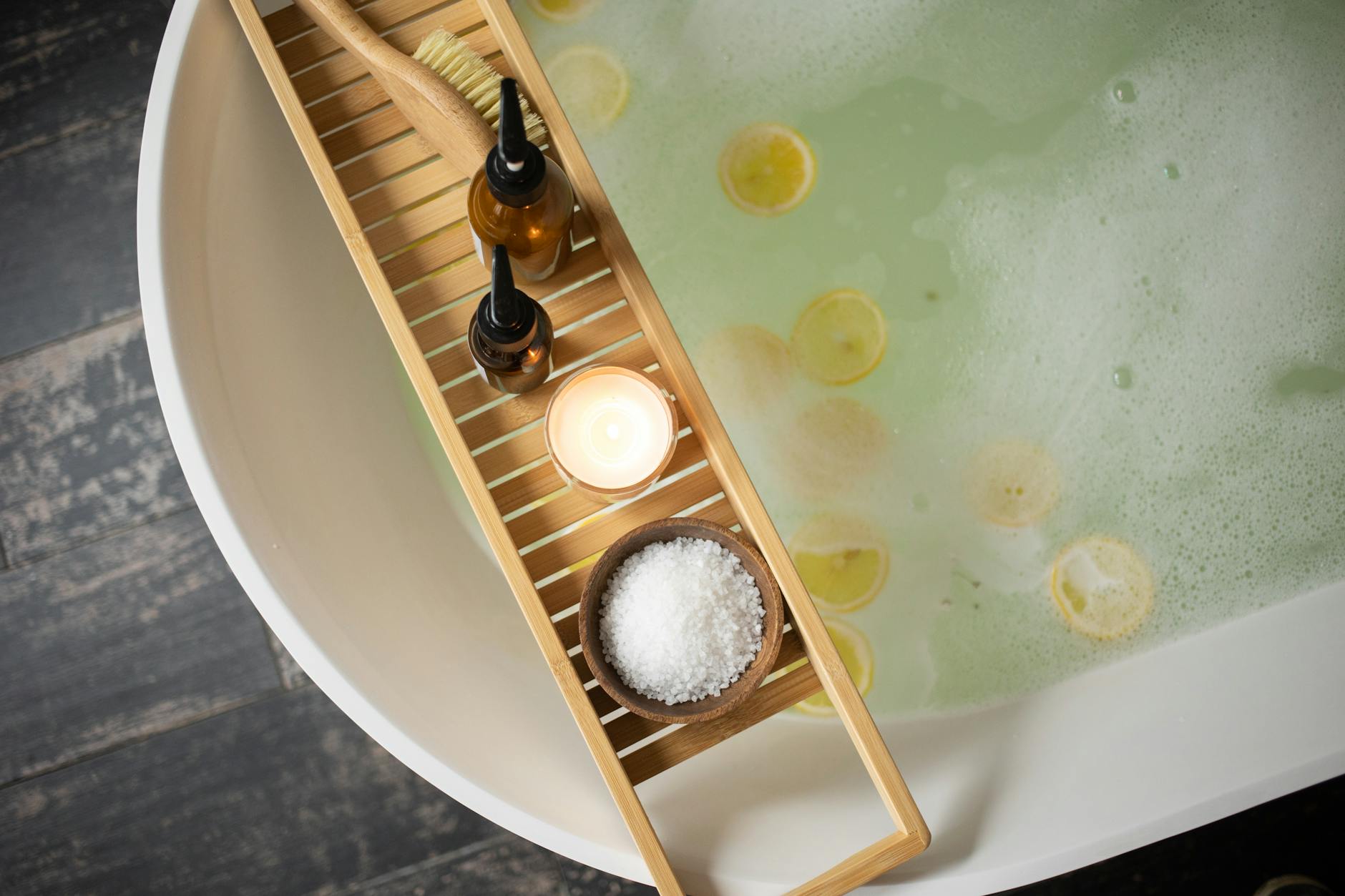
Discover how to use essential oils like lavender, lemon, and eucalyptus in your bath to promote relaxation, improve mood, and soothe muscles. Learn safe dilution methods and precautions for a rejuvenating experience.
April 1, 2026

Discover the ancient 5 Tibetan Rites, a sequence of five exercises believed to restore youth and vitality. Learn how to perform each rite and unlock its benefits for energy, sleep, and well-being.
April 1, 2026

Discover the art of circular breathing, a technique that allows continuous sound and breath. Learn how singers, musicians, and meditators can master this skill for enhanced performance and deeper relaxation. Includes practice steps and benefits.
April 1, 2026