

Emergency & Help
24/7 Emergency & General Advisory
🚨 24/7 Medical Emergency
Non-Emergency Advisory
10:00 AM – 6:00 PM, Mon–Sat
For appointments & general queries.
24/7 Emergency & General Advisory
🚨 24/7 Medical Emergency
Non-Emergency Advisory
10:00 AM – 6:00 PM, Mon–Sat
For appointments & general queries.
Discover how soothing herbal teas like chamomile, lavender, and peppermint can help you manage stress, improve sleep, and boost your mood. Learn brewing tips and when to consult a doctor.
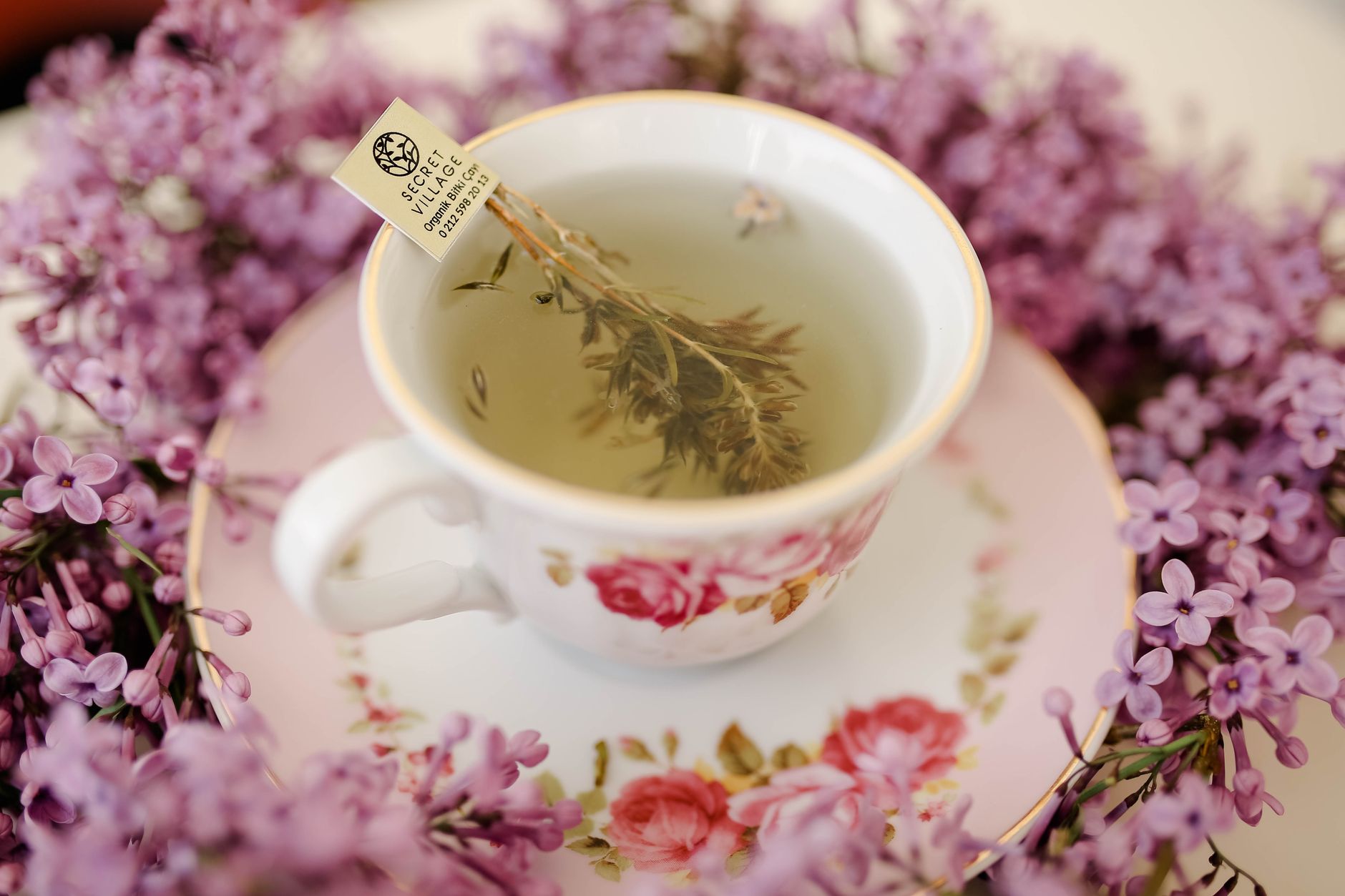
Feeling overwhelmed? In today's fast-paced Indian life, stress has become an unwelcome companion for many. From demanding jobs to family responsibilities, the pressure can mount, leaving you feeling drained and anxious. But what if a simple, age-old remedy could offer a comforting escape? We're talking about herbal teas! For centuries, cultures around the world, including our own, have turned to the gentle power of brewed herbs to find calm and promote well-being. This isn't just about a warm drink; it's about harnessing the natural compounds found in plants to support your mental and physical health. Research is increasingly backing what traditional wisdom has always known: certain herbs, steeped in hot water, can indeed help melt away stress, improve your mood, and even enhance your sleep. Let's explore how these delightful brews can become your go-to allies in managing the daily grind. Why Herbal Tea for Stress Relief? Herbal teas, often called tisanes, are not technically 'teas' in the same way as black or green tea, which come from the Camellia sinensis plant and contain caffeine. Instead, herbal teas are infusions made from a variety of plant parts – flowers, leaves, roots, seeds, and bark. This rich botanical diversity is key to their therapeutic potential. These plants contain a treasure trove of natural compounds, including antioxidants, anti-inflammatory agents, and compounds with calming or mood-boosting effects. When you brew an herbal tea, these beneficial compounds are released into the hot water, creating a potent, natural elixir. The act of preparing and sipping a warm cup of herbal tea can itself be a form of mindfulness. It encourages you to pause, take a deep breath, and focus on the present moment. This simple ritual can interrupt the cycle of anxious thoughts and provide a much-needed break. Beyond the ritual, the very aroma of certain herbs, like lavender or peppermint, has been shown to have a calming effect on the nervous system, even before you take a sip. Think of it as a multi-sensory experience designed to gently guide you back to a state of balance. The Science Behind the Soothing Sip While traditional use is powerful, modern science is also shedding light on the effectiveness of herbal teas. Studies are exploring how specific herbs interact with our body's systems to reduce stress and anxiety. For instance, research suggests that compounds in herbs like lemon balm can positively influence neurotransmitters in the brain, which are responsible for regulating mood and stress. Similarly, other studies hint at the anti-inflammatory properties of certain herbs, which can play a role in overall well-being, as chronic inflammation is often linked to stress and other health issues. It's fascinating to consider that even the simple act of inhaling the steam from a cup of herbal tea can have an impact. Some research indicates that the aroma alone, particularly from teas like black tea (though not strictly herbal, its aroma is studied), can help lower stress hormones and promote a more relaxed mood. This suggests that the benefits are not solely dependent on ingestion but can also be experienced through our sense of smell, adding another layer to the therapeutic experience. Top Herbal Teas for Your Stress-Busting Cupboard Navigating the world of herbal teas can be exciting! Here are some of the most popular and well-researched options known for their stress-relieving and mood-enhancing properties: 1. Chamomile Tea Often hailed as nature's lullaby, chamomile is renowned for its calming and sleep-promoting qualities. Its anti-inflammatory properties have also been noted in studies, showing potential in soothing the digestive system and protecting against stomach issues. Imagine winding down your day with a gentle cup that helps you relax and prepares you for a restful night's sleep. It’s like a warm hug for your insides! 2. Lavender Tea The soothing scent of lavender is no secret, and its tea form is equally potent. Studies have shown that drinking lavender tea can help reduce feelings of anxiety and depression, particularly in older adults. This fragrant brew is perfect for those moments when you feel your mind racing or your worries piling up. It’s a gentle yet effective way to bring a sense of peace to your day. 3. Peppermint Tea While often associated with digestive relief, peppermint tea also offers a refreshing lift that can help clear the mind and ease tension. Its invigorating aroma and flavour can help combat mental fatigue and promote a sense of clarity. If you’re feeling sluggish or mentally foggy, a cup of peppermint can be a wonderfully revitalising choice. It’s also fantastic for soothing bloating and other tummy troubles! 4. Lemon Balm Tea A member of the mint family, lemon balm boasts a delightful citrusy flavour and a significant calming effect. Research suggests it can be effective in improving feelings of stress and anxiety. It’s a wonderful choice for those seeking a gentle mood enhancer and a way to ease nervous tension. Its bright taste is like sunshine in a cup, perfect for lifting your spirits. 5. Valerian Root Tea Valerian root is perhaps one of the most well-known herbs for sleep. While research often focuses on supplements, the tea form is also believed to promote deeper, more restful sleep and reduce the time it takes to fall asleep. If sleepless nights are contributing to your stress, valerian root tea might be worth exploring. Be mindful, as it has a strong, earthy flavour that some find an acquired taste. 6. Rose Tea Beyond its romantic associations, rose tea offers a delicate floral flavour and can be a wonderful caffeine-free option for a gentle mood boost. The act of enjoying its subtle aroma and taste can be incredibly grounding and uplifting, helping to create a moment of self-care and tranquility in your busy schedule. 7. Rosemary Tea Rosemary isn't just for cooking! This aromatic herb is believed to be beneficial for brain health. Its compounds may help improve memory and focus, which can be incredibly helpful when stress is impacting your cognitive function. Enjoying rosemary tea can be a proactive step towards maintaining mental sharpness and clarity. 8. Oat Straw Tea Oat straw tea is often recommended for its potential to support the nervous system and reduce inflammation. While less commonly known than chamomile or lavender, it's gaining recognition for its ability to help the body cope with stress and promote a sense of calm. It’s a nourishing choice for overall resilience. How to Brew the Perfect Cup Making a delicious and effective cup of herbal tea is simple: Start with Quality: Choose high-quality loose-leaf herbs or reputable tea bags. Check for freshness and, if possible, organic options. Use Fresh Water: Always start with cold, fresh water. Bring it to a rolling boil. Steeping Time is Key: Pour the hot water over your herbs (about 1-2 teaspoons per cup). Cover the cup while steeping to keep the volatile oils from escaping. Steeping times vary: delicate flowers and leaves (like chamomile, lemon balm) usually need 5-10 minutes, while roots and barks (like valerian) might need 10-15 minutes. Strain and Sip: Strain the herbs and enjoy your tea. You can add a touch of honey or a slice of lemon if desired, but often, the natural flavour is best enjoyed on its own. When to Consult Your Doctor While herbal teas are generally safe and offer many benefits, it's always wise to be informed. Here are a few situations where you should chat with your doctor before making herbal teas a regular part of your routine: Existing Health Conditions: If you have any chronic health issues like heart disease, kidney problems, or liver conditions, consult your doctor. Medication Interactions: Some herbs can interact with medications. For example, chamomile can have mild blood-thinning effects and may interact with anticoagulant medications like warfarin. Valerian root can interact with sedatives. Always disclose your herbal tea consumption to your doctor, especially if you are on any prescription drugs. Pregnancy and Breastfeeding: Many herbs are not recommended during pregnancy or breastfeeding due to a lack of safety data. Always seek medical advice. Allergies: As with any natural product, allergic reactions are possible. If you experience any unusual symptoms, stop consumption and consult a healthcare professional. FAQs About Herbal Teas for Stress Q1: Can I drink herbal tea every day? Yes, for most people, drinking a cup or two of most herbal teas daily is generally safe and can be beneficial. However, it's always best to listen to your body and consult with a healthcare provider if you have any concerns. Q2: Are there any side effects to drinking herbal tea? While generally safe, some people might experience mild side effects like digestive upset or allergic reactions. Certain herbs, like valerian root, can cause drowsiness. Always start with a small amount to see how your body reacts. Q3: Do herbal teas really work for stress? Research supports the benefits of many herbal teas for stress relief and mood improvement. The calming effect can come from the herbs themselves, the aroma, and the ritual of preparing and drinking the
In summary, timely diagnosis, evidence-based treatment, and prevention-focused care improve long-term health outcomes.
Visit Hospital
Near You
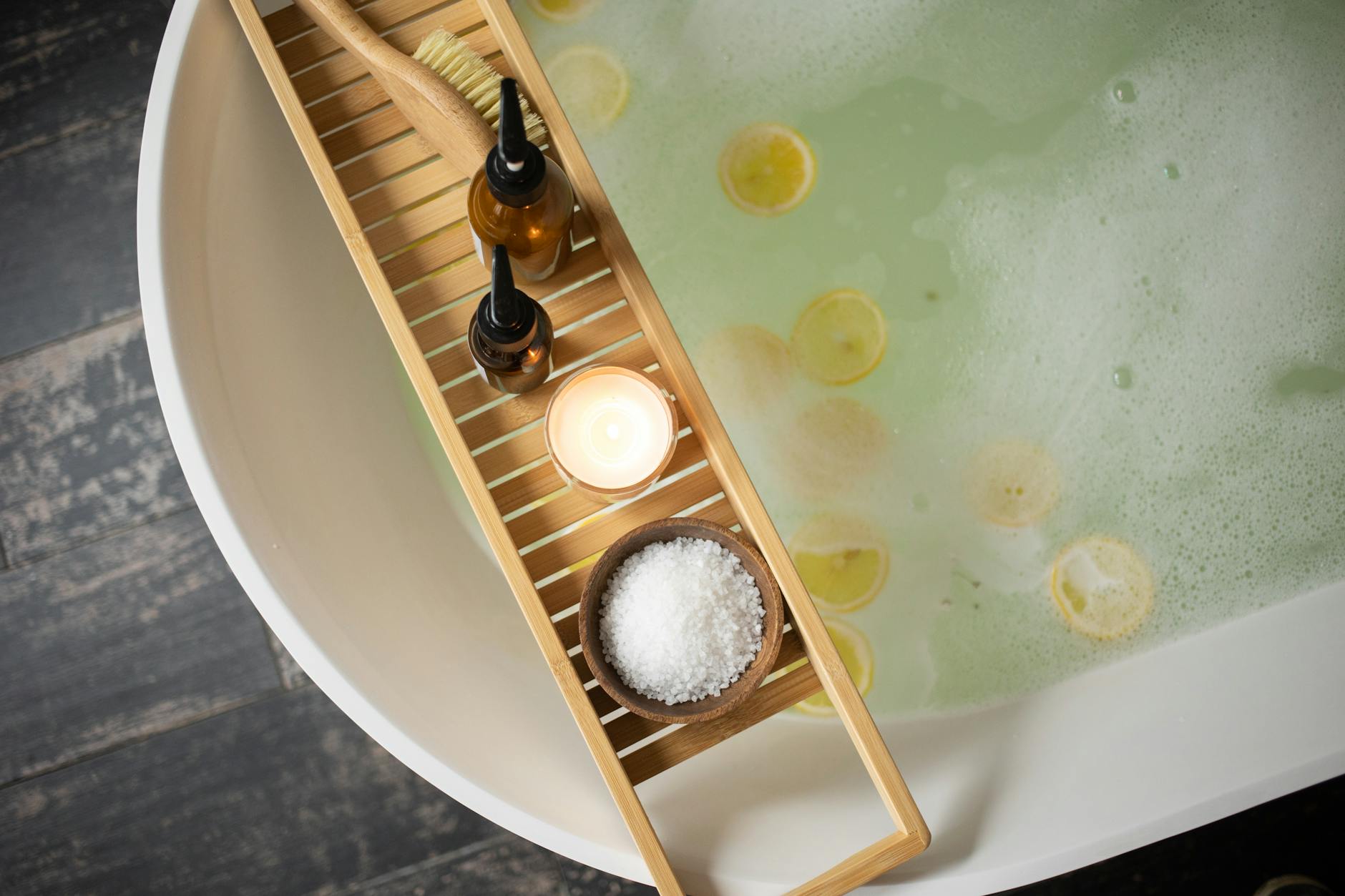
Discover how to use essential oils like lavender, lemon, and eucalyptus in your bath to promote relaxation, improve mood, and soothe muscles. Learn safe dilution methods and precautions for a rejuvenating experience.
April 1, 2026

Discover the ancient 5 Tibetan Rites, a sequence of five exercises believed to restore youth and vitality. Learn how to perform each rite and unlock its benefits for energy, sleep, and well-being.
April 1, 2026

Discover the art of circular breathing, a technique that allows continuous sound and breath. Learn how singers, musicians, and meditators can master this skill for enhanced performance and deeper relaxation. Includes practice steps and benefits.
April 1, 2026