

Emergency & Help
24/7 Emergency & General Advisory
🚨 24/7 Medical Emergency
Non-Emergency Advisory
10:00 AM – 6:00 PM, Mon–Sat
For appointments & general queries.
24/7 Emergency & General Advisory
🚨 24/7 Medical Emergency
Non-Emergency Advisory
10:00 AM – 6:00 PM, Mon–Sat
For appointments & general queries.
Discover the incredible benefits of Halasana (Plow Pose), a powerful yoga posture that enhances flexibility, aids digestion, reduces stress, and more. Learn how to practice it safely with modifications.
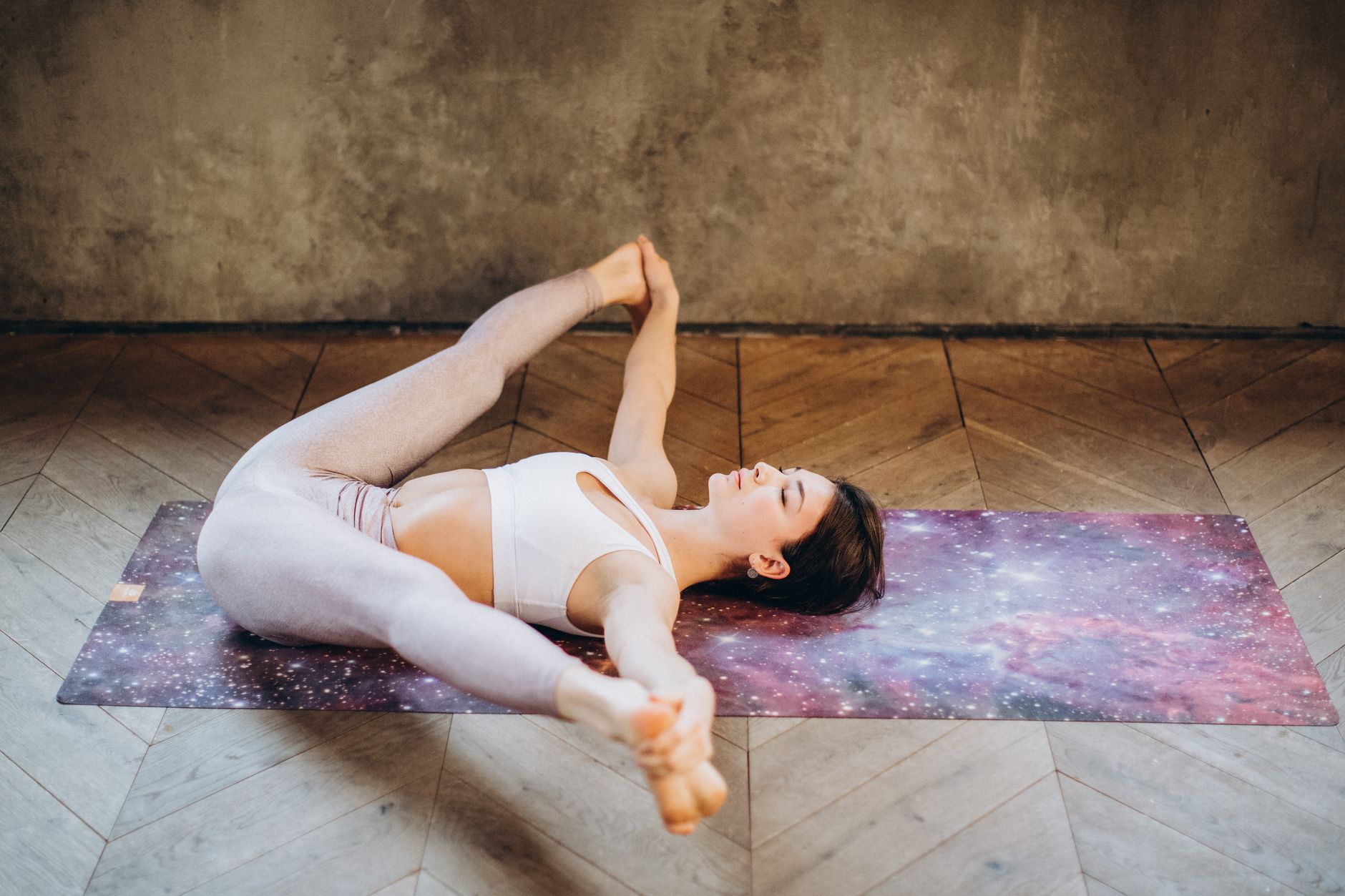
Namaste, wonderful people! Today, we're diving deep into the world of yoga to explore a pose that's as grounding as it is uplifting: Halasana, more commonly known as the Plow Pose. In Sanskrit, 'Hala' means plow, and 'asana' means pose. This posture, with its unique inversion and deep stretches, offers a treasure trove of benefits for your physical and mental health. It's an intermediate pose, meaning it requires a bit of practice and perhaps some guidance, but the rewards are absolutely worth the effort. We'll guide you through how to do it safely, what wonders it can do for your body, and how to adapt it if needed. Get ready to transform your yoga practice! Why Halasana is a Game-Changer Imagine a yoga pose that works on your spine, strengthens your shoulders and arms, tones your back muscles, and even helps with digestion. Sounds amazing, right? Halasana does all this and more! As an inversion, where your heart is positioned above your head, it brings a fresh flow of blood and oxygen to your brain, which can feel incredibly invigorating. This pose is particularly beneficial for those managing diabetes, as it's known to help improve blood pressure and lower blood sugar levels. But it's not just about deep internal benefits; Halasana is a masterclass in flexibility. It stretches your entire spine, making it more supple and releasing tension in your neck, shoulders, and back. This increased flexibility can lead to better muscle and joint mobility, reducing your risk of injuries and improving your everyday movements, whether you're reaching for something on a high shelf or enjoying a game of badminton. The Art of Performing Halasana Ready to try the Plow Pose? Here’s a step-by-step guide to help you get there safely: Starting Position: Begin by lying flat on your back on your yoga mat. Let your arms rest comfortably by your sides, with your palms pressing gently into the floor. Take a few deep breaths to center yourself. Lifting the Legs: As you exhale, engage your abdominal muscles and begin to roll your pelvis off the floor. Gently lift your legs, bringing them towards your head. Aim to get your legs to a 90-degree angle, perpendicular to the floor. Bringing Legs Overhead: Now, slowly and with control, begin to lower your legs back over your head, moving towards the floor behind you. Your toes should eventually aim to touch or get close to the floor. Supporting Your Back: While your legs are overhead, place your hands on your lower back for support. Position your fingers pointing upwards towards the ceiling, aligning your pinky fingers on either side of your spine. Elevating the Spine: Gently walk your hands up your spine, helping to elevate and lengthen it. Draw your shoulder blades and elbows in as close together as possible. This creates a strong base and supports your upper body. Arm Variations: If your toes comfortably reach the floor, you have a couple of options for your arms. You can release them alongside your body with palms facing down, or you can interlace your fingers behind your back. Breathing and Holding: Keep your neck in line with your spine, and gaze upwards. Try to rest your weight on your upper shoulders, not on your neck or head. Breathe deeply and hold the pose for up to two minutes, or as long as you feel comfortable. Remember, this is an intermediate pose, so listen to your body! Releasing from Halasana Coming out of the pose is just as important as getting into it: Gently bring your hands back alongside your body, palms facing down. As you exhale, slowly and with control, roll your spine back down onto the floor, vertebra by vertebra. Alternatively, you can bend your knees and place your feet flat on the floor as you lower your legs. The Myriad Benefits of Halasana The Plow Pose isn't just a physical challenge; it's a holistic practice that nourishes your body and mind. Here’s a closer look at its incredible advantages: Spinal Health and Flexibility: Halasana is a superb stretch for your entire spine. It increases its suppleness, which can help ease muscle tension and significantly improve your posture. A flexible spine means better mobility and a reduced risk of back pain. Strengthens Muscles: This pose works wonders for strengthening your shoulders, arms, and back muscles. It tones these areas, contributing to better overall body strength and stability. Circulation and Blood Pressure: As an inversion, Halasana boosts blood circulation. This improved flow can help regulate blood pressure, making it a beneficial pose for cardiovascular health. Diabetes Management: For individuals managing diabetes, Halasana can be a valuable addition to their routine. It's known to help lower blood sugar levels, supporting overall diabetes management efforts. Digestive Health: The abdominal compression in Halasana stimulates your digestive organs. This can be incredibly helpful for those struggling with constipation, promoting smoother digestion. Stress Relief and Mental Calm: The act of releasing tension and the inversion itself can have a profound calming effect on your nervous system. Halasana helps melt away physical and mental stress, leaving you feeling more relaxed and at ease. Improved Sleep: By reducing stress and promoting relaxation, Halasana can pave the way for deeper, more restful sleep. If you find yourself tossing and turning at night, incorporating this pose might be a game-changer. Enhanced Flexibility: Beyond the spine, Halasana enhances overall flexibility, improving muscle and joint mobility. This translates to easier everyday movements and a lower chance of injury. A Fresh Perspective: Anecdotally, many yogis report that inversions like Halasana can offer a mental boost, sparking new ways of thinking and providing a fresh perspective on challenges. It’s like giving your mind a little reset! Modifications for a Safer Practice Remember, yoga is a personal journey, and modifications are key to safe and effective practice. If bringing your legs all the way over your head feels too intense, or if your hamstrings are tight, here are some ways to adapt Halasana: Bent Knees: Instead of straightening your legs, you can bend your knees. This reduces the stretch and makes the pose more accessible. Hands on Hips: If placing your hands on your lower back feels unstable, rest them on the sides of your hips for support. Pillows or Blocks: For added support under your shoulders or head, you can place a folded blanket or yoga blocks. Limited Range: You don't need to bring your feet all the way to the floor. Simply hold the legs overhead at an angle that feels comfortable and safe for your body. Advanced Variations: Going Deeper Once you're comfortable with the basic Halasana, you might explore these variations: Parsva Halasana (Side Plow Pose): From Halasana, with your hands on your back for support, walk your feet to the right, holding for a few breaths, then to the left. This adds a lateral stretch. Karnapidasana (Ear Pressure Pose): Bend your knees and bring them towards the floor alongside your ears. This intensifies the compression and stretch. Supta Konasana (Reclining Angle Posture): Walk your feet out wide while keeping them on the floor behind you, creating a wide-legged plow. When to Exercise Caution: Contraindications While Halasana offers numerous benefits, it's not for everyone. Certain conditions require you to approach this pose with extreme caution or avoid it altogether: Neck Injuries: If you have any neck pain, stiffness, or a recent injury, do not practice Halasana. The pressure on the neck can be harmful. High Blood Pressure: While it can help regulate blood pressure for some, the inversion itself can temporarily increase blood pressure. Consult your doctor if you have uncontrolled hypertension. Thyroid Issues: The pressure on the throat area might be problematic for individuals with thyroid conditions. Recent Abdominal Surgery: Avoid this pose if you've recently had abdominal surgery. Back Problems: If you have a serious back condition, consult your doctor or a qualified yoga instructor before attempting this pose. Pregnancy: This pose is generally not recommended during pregnancy, especially in later trimesters. Important Safety Tip: Always keep your neck in a neutral position. Never turn your head from side to side while in Halasana. Focus your gaze upwards. When to Consult Your Doctor or Yoga Instructor It's always wise to seek professional advice before starting any new exercise, especially one as involved as Halasana. Consult your doctor if you have any pre-existing health conditions, particularly those mentioned above. Furthermore, working with a certified and experienced yoga instructor is highly recommended. They can guide you on proper alignment, offer personalized modifications, and ensure you practice safely, helping you unlock the full potential of Halasana while minimizing any risks. Frequently Asked Questions (FAQ) Q1: Is Halasana suitable for beginners? Halasana is generally considered an intermediate pose. Beginners can try it with modifications, such as bending the knees or not bringing the legs all the way overhead, under the guidance of an instructor. Q2: How long should I hold Halasana? Start by holding the pose for 30 seconds to a minute and gradually
In summary, timely diagnosis, evidence-based treatment, and prevention-focused care improve long-term health outcomes.
Visit Hospital
Near You
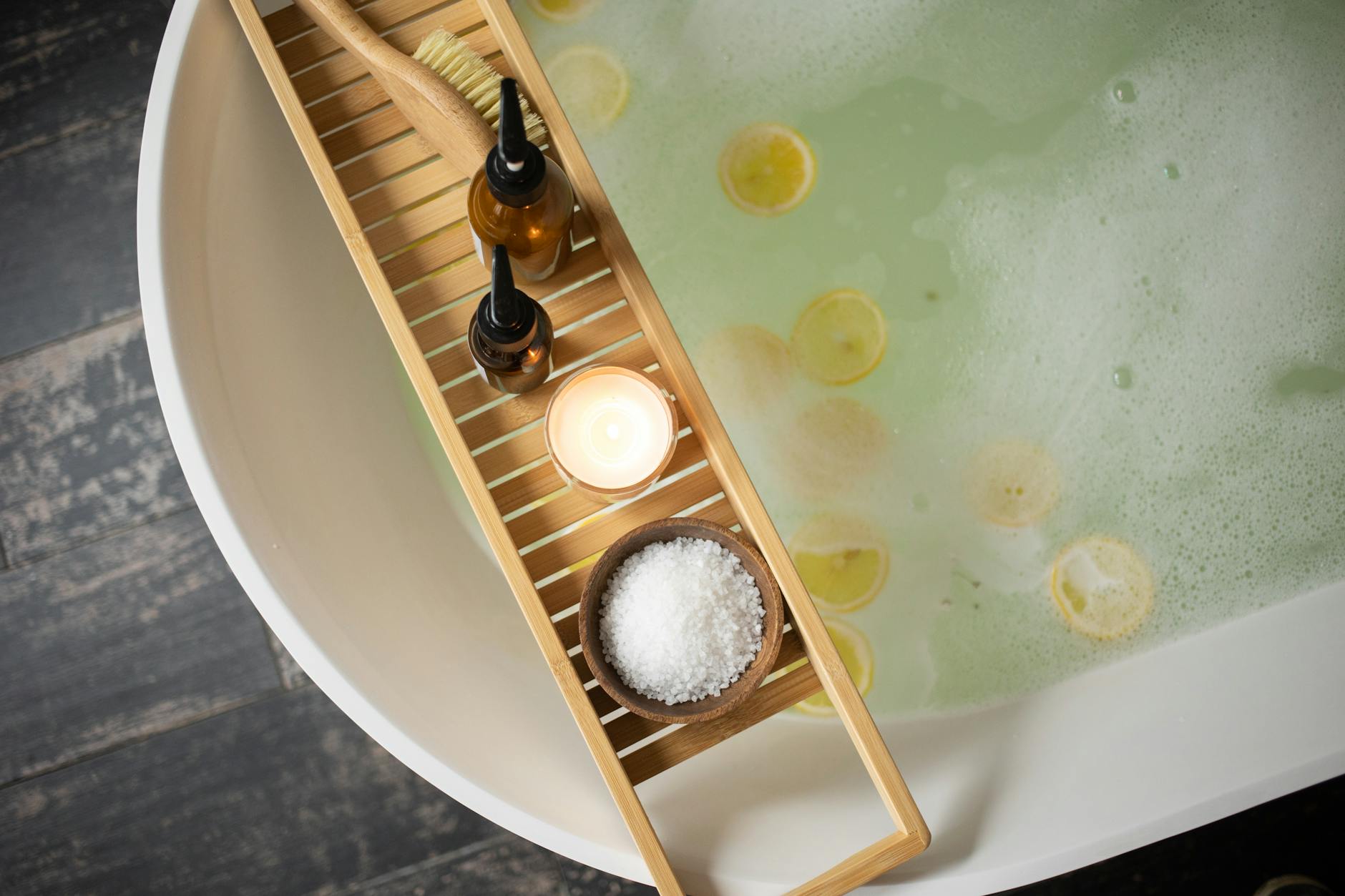
Discover how to use essential oils like lavender, lemon, and eucalyptus in your bath to promote relaxation, improve mood, and soothe muscles. Learn safe dilution methods and precautions for a rejuvenating experience.
April 1, 2026

Discover the ancient 5 Tibetan Rites, a sequence of five exercises believed to restore youth and vitality. Learn how to perform each rite and unlock its benefits for energy, sleep, and well-being.
April 1, 2026

Discover the art of circular breathing, a technique that allows continuous sound and breath. Learn how singers, musicians, and meditators can master this skill for enhanced performance and deeper relaxation. Includes practice steps and benefits.
April 1, 2026