

Emergency & Help
24/7 Emergency & General Advisory
🚨 24/7 Medical Emergency
Non-Emergency Advisory
10:00 AM – 6:00 PM, Mon–Sat
For appointments & general queries.
24/7 Emergency & General Advisory
🚨 24/7 Medical Emergency
Non-Emergency Advisory
10:00 AM – 6:00 PM, Mon–Sat
For appointments & general queries.
Discover how to deepen your yoga practice by aligning your asanas and intentions with the phases of the moon. Learn practical tips for each lunar stage.
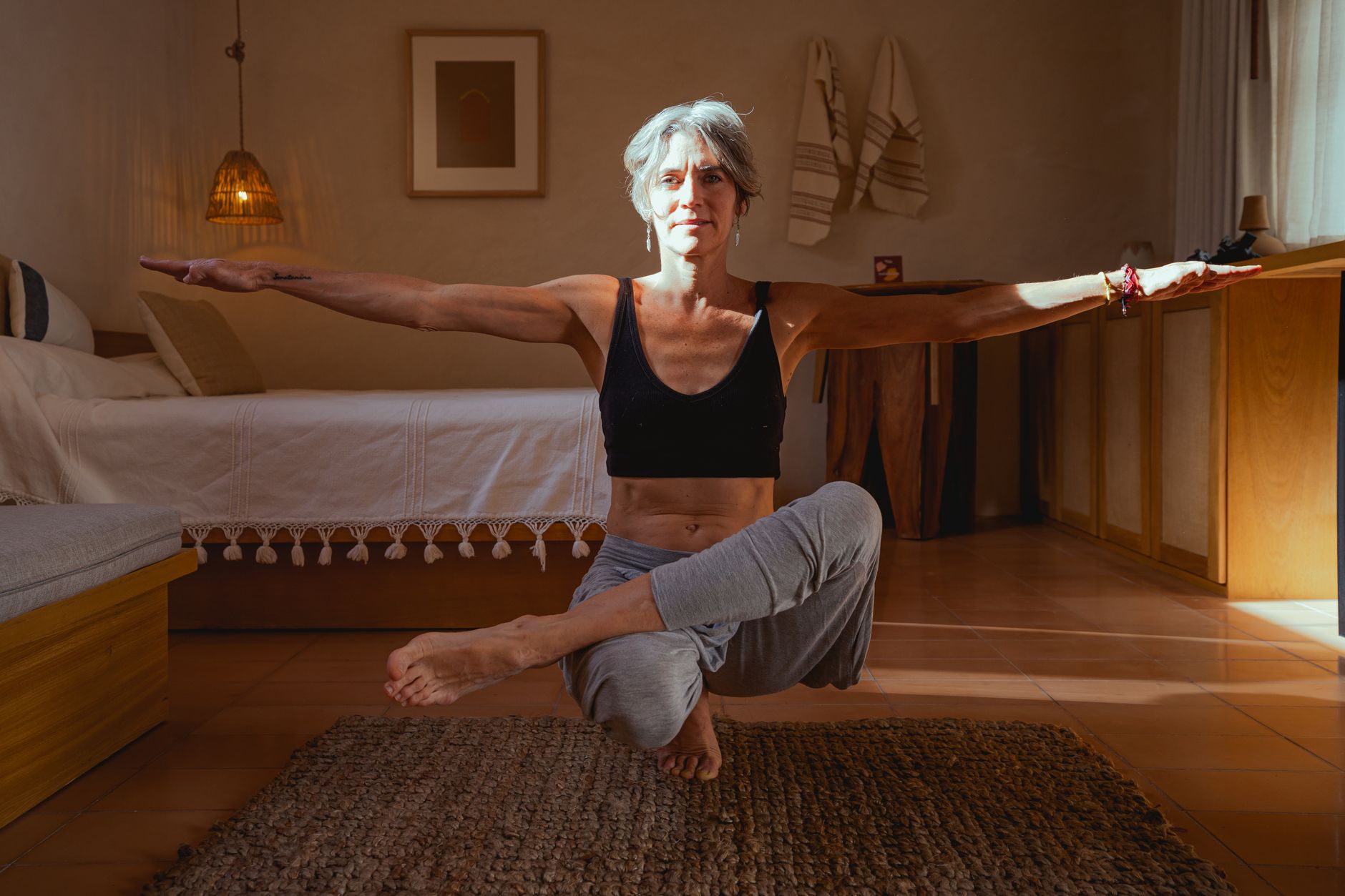
Have you ever felt a subtle shift in your energy, a pull towards introspection or a surge of vitality, that seemed to mirror the night sky? For centuries, yogis have understood a profound connection between the lunar cycle and our own internal rhythms. The moon, a silent celestial dancer, influences not just the ocean's tides but also, many believe, the ebb and flow of our physical and emotional states. This ancient wisdom offers a beautiful way to deepen your yoga practice, transforming it from a mere physical exercise into a more holistic journey of self-discovery. Let's explore how you can harmonize your time on the mat with the mystical phases of the moon.
The moon's gravitational pull is a powerful force. While science may still be uncovering the full extent of its impact on the human body, which is largely composed of water, the connection is undeniable for many. Research, though sometimes mixed, has hinted at correlations between lunar phases and physiological markers like heart rate and blood pressure. Some studies even suggest a link between the moon's gravity and the release of neurohormones. While a direct link to menstruation is debated, the influence on sleep patterns has been observed in more recent studies.
In yoga, the concept of 'Hatha' yoga itself speaks to this duality. Derived from Sanskrit, 'Ha' signifies the sun, representing active, outward energy, while 'Tha' signifies the moon, embodying passive, inward energy. Hatha yoga, therefore, aims to balance these complementary forces within us. It’s important to remember that these 'masculine' and 'feminine' energies are not tied to gender but represent universal polarities present in everyone, much like the concept of Yin and Yang in traditional Chinese philosophy. Honoring the moon's phases in your yoga practice is an ancient tradition that many contemporary practitioners embrace.
Shifting your yoga practice to align with the moon's phases can offer profound insights into your emotional landscape and expand your yogic journey. By becoming more attuned to these natural cycles, you can better understand yourself and your place within the wider natural world. While scientific evidence remains a subject of ongoing research, the practice itself can be a deeply meaningful way to connect with the moon's mystery and your own inner wisdom.
The New Moon marks the beginning of the lunar cycle, a period of darkness and potent stillness. It's a time of quiet reflection, a blank slate upon which to inscribe new intentions. In the Ashtanga tradition, it is often a day of rest, allowing the body and mind to prepare for the cycle ahead.
As the moon grows from a sliver to a full orb, your energy levels typically rise. This is the time to channel that burgeoning vitality into more dynamic practices. It's about building strength, focus, and commitment towards your intentions.
The Full Moon represents the peak of lunar energy, a time of illumination, culmination, and often, heightened emotions. It’s a moment to acknowledge your progress, celebrate your achievements, and perhaps release what no longer serves you.
Following the peak of the Full Moon, the Waning Moon signifies a period of gradual release and introspection. As the moon shrinks, so too does our outward energy, encouraging a return to inner reflection and letting go.
Experienced yoga teachers offer practical advice for integrating lunar awareness into your daily life:
While aligning your yoga practice with the moon is a wonderful way to enhance your well-being, it's essential to remember that it is a complementary practice. If you experience any persistent physical discomfort, unusual fatigue, or significant emotional distress, it is vital to seek professional medical advice. A doctor can provide accurate diagnosis and treatment for any underlying health conditions. Yoga should always support, not replace, conventional medical care.
Scientific evidence is still evolving and can be mixed. Some studies suggest correlations between lunar phases and physiological markers, while others find no significant link. However, many people report feeling a connection and find that aligning their yoga practice with the moon enhances their experience and well-being, regardless of definitive scientific proof.
Absolutely not! This practice is for everyone, regardless of experience level. Beginners can start by simply observing their energy levels and making small adjustments, like choosing gentler poses during the Waning Moon or trying a few extra Sun Salutations during the Waxing Moon.
Your body's signals are the most important guide. If you feel tired during the Waxing Moon, opt for a gentler practice. If you feel unusually energetic during the Waning Moon, you might choose a more dynamic sequence. The goal is to harmonize with your inner rhythm, which may not always perfectly align with the external lunar cycle.
Begin by tracking the moon phases. You can use apps or online calendars. Then, start by making one small change each phase. For example, dedicate your New Moon practice to setting intentions and your Full Moon practice to gratitude.
Yes, many people find that this practice enhances self-awareness and emotional regulation. The introspective nature of the Waning Moon and the intention-setting of the New Moon can be particularly beneficial for managing stress, anxiety, and promoting overall mental wellness.
Visit Hospital
Near You

Discover how to use essential oils like lavender, lemon, and eucalyptus in your bath to promote relaxation, improve mood, and soothe muscles. Learn safe dilution methods and precautions for a rejuvenating experience.
April 1, 2026

Discover the ancient 5 Tibetan Rites, a sequence of five exercises believed to restore youth and vitality. Learn how to perform each rite and unlock its benefits for energy, sleep, and well-being.
April 1, 2026

Discover the art of circular breathing, a technique that allows continuous sound and breath. Learn how singers, musicians, and meditators can master this skill for enhanced performance and deeper relaxation. Includes practice steps and benefits.
April 1, 2026