

Emergency & Help
24/7 Emergency & General Advisory
🚨 24/7 Medical Emergency
Non-Emergency Advisory
10:00 AM – 6:00 PM, Mon–Sat
For appointments & general queries.
24/7 Emergency & General Advisory
🚨 24/7 Medical Emergency
Non-Emergency Advisory
10:00 AM – 6:00 PM, Mon–Sat
For appointments & general queries.
Discover the rejuvenating power of face yoga! Learn simple exercises, understand the benefits, and unlock your natural radiance for a healthier, happier you.
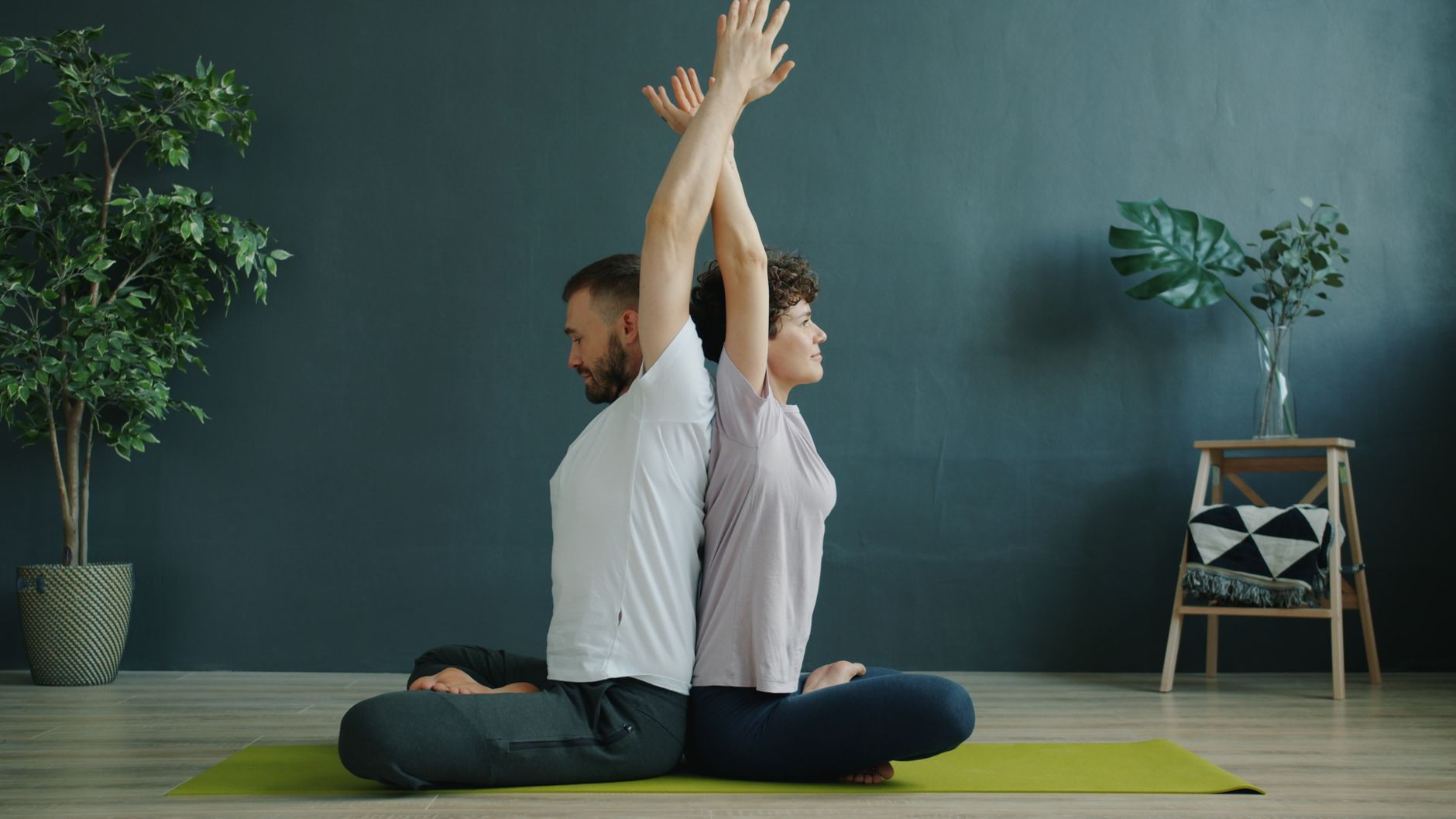
In the bustling, vibrant landscape of India, where tradition meets modernity, taking a moment for self-care can feel like a luxury. Yet, a growing trend offers a simple, natural way to enhance your inner and outer glow: Face Yoga. You might be wondering, can simple facial exercises really make a difference? Let's explore how this ancient practice, adapted for modern life, can help rejuvenate your skin and uplift your spirit.
Face yoga is more than just a beauty routine; it's a holistic practice that combines gentle facial exercises, massage, and acupressure. It aims to stimulate the muscles, skin, and lymphatic system of your face. The goal? To alleviate tension, boost circulation, and potentially improve the tone and appearance of your facial features. Think of it as a workout for your face, much like you might do for your body.
While research is still evolving, many practitioners and some studies suggest a range of benefits:
Imagine Priya, a busy working mother in Delhi. She often feels the stress of her day etched onto her face, with frown lines and tired eyes. She decided to try face yoga for just 10 minutes each morning. After a few weeks, she noticed her skin felt more supple, and she felt a subtle lift in her mood, making her feel more confident and less fatigued throughout the day.
It's important to approach face yoga with realistic expectations. While the concept of exercising muscles to improve their tone is well-established, the specific research on face yoga is still in its early stages. Some studies have shown promising results, suggesting benefits for facial appearance and mood. However, many researchers agree that larger, more robust studies are needed to confirm these findings definitively. The subjective nature of beauty and skin appearance also makes objective measurement challenging.
A 2021 review highlighted that while facial exercises may help improve facial strength and appearance, the current research is limited. Similarly, a 2013 review noted that study results were often subjective and inconclusive, calling for more research. Despite this, the practice remains popular for its potential to promote relaxation and a sense of self-care.
You don't need special equipment or a lot of time. Start with these basic exercises. Remember to perform them gently and stop if you feel any pain or discomfort. Aim for consistency rather than intensity.
How to do it: Place your index fingers on your eyebrows, just above your inner eyebrows. Gently press down and hold for a few seconds. Then, slide your fingers outwards towards your temples, smoothing the skin. Repeat this 5-10 times.
Why it helps: This can help relax the muscles in the forehead and potentially soften frown lines.
How to do it: Smile, then use your index fingers to gently push up your cheekbones. Hold this lifted position for about 10-20 seconds. You should feel a slight resistance. Repeat 5 times.
Why it helps: This exercise targets the cheek muscles, aiming to lift and tone them.
How to do it: Place your middle fingers on the inner corners of your eyes, just below your eyebrows. Gently press for a few seconds. Then, without releasing the pressure, circle your fingers gently in one direction for 30 seconds, and then the other direction for 30 seconds. Be very gentle around the delicate eye area.
Why it helps: This can help stimulate circulation around the eyes and may reduce puffiness or the appearance of dark circles.
How to do it: Pucker your lips as if you're going to whistle. Then, puff out your cheeks, filling them with air. Hold this for a few seconds, then release. Repeat 5-10 times.
Why it helps: This can help strengthen the muscles around your mouth and cheeks.
How to do it: Gently open your mouth as wide as you comfortably can, then close it slowly. Repeat 10 times. Follow this by gently massaging your jawline from your chin towards your ears.
Why it helps: This helps release tension often held in the jaw, which can contribute to headaches and a tight facial expression.
Consistency is key. Aim to practice for 5-15 minutes daily. You can do it:
Listen to your body. If you feel any discomfort, ease up or stop the exercise. Using a natural oil or a gentle moisturizer can help your fingers glide smoothly across your skin during massage and exercises.
While face yoga is generally safe, it's always wise to consult with a healthcare professional or a qualified yoga instructor, especially if you have:
A doctor or a dermatologist can advise if face yoga is suitable for you and offer guidance.
Face yoga isn't just about looking good; it's about feeling good. The mindful practice, the connection to your breath, and the act of self-care can contribute significantly to your mental well-being. It encourages you to slow down, be present, and show yourself some kindness. This mindful approach aligns beautifully with the principles of traditional Indian wellness practices that emphasize harmony between mind, body, and spirit.
Some types of traditional yoga, like Hatha or Restorative yoga, can also benefit your face. Holding poses longer can increase your awareness of facial muscles. Forward folds can increase blood flow to the face, while twists can help release neck tension, which often affects facial muscles. Paying attention to your facial expressions during your regular yoga practice can also be beneficial.
Results vary greatly from person to person. Some people notice subtle improvements in skin hydration and a feeling of relaxation within a few days. More noticeable changes in muscle tone or appearance might take several weeks to a few months of consistent practice.
Face yoga is a natural approach that aims to improve muscle tone and skin appearance over time. It is unlikely to produce the dramatic, immediate results of procedures like Botox or surgery. However, it can be a wonderful complementary practice for maintaining facial health and potentially delaying the need for more invasive treatments.
When performed correctly and gently, face yoga has very few side effects. Some people might experience temporary redness due to increased circulation. It's crucial to avoid excessive pressure or stretching, which could cause discomfort or bruising.
Absolutely! Face yoga is often used to target specific concerns like wrinkles. Gentle exercises and massage can help relax tense muscles that contribute to expression lines and improve circulation to the skin, potentially making wrinkles less noticeable over time.
Visit Hospital
Near You

Discover how to use essential oils like lavender, lemon, and eucalyptus in your bath to promote relaxation, improve mood, and soothe muscles. Learn safe dilution methods and precautions for a rejuvenating experience.
April 1, 2026

Discover the ancient 5 Tibetan Rites, a sequence of five exercises believed to restore youth and vitality. Learn how to perform each rite and unlock its benefits for energy, sleep, and well-being.
April 1, 2026

Discover the art of circular breathing, a technique that allows continuous sound and breath. Learn how singers, musicians, and meditators can master this skill for enhanced performance and deeper relaxation. Includes practice steps and benefits.
April 1, 2026