

Emergency & Help
24/7 Emergency & General Advisory
🚨 24/7 Medical Emergency
Non-Emergency Advisory
10:00 AM – 6:00 PM, Mon–Sat
For appointments & general queries.
24/7 Emergency & General Advisory
🚨 24/7 Medical Emergency
Non-Emergency Advisory
10:00 AM – 6:00 PM, Mon–Sat
For appointments & general queries.
Discover the gentle power of restorative yoga for deep relaxation, stress relief, and a calmer mind. Learn simple poses and benefits.

In today's fast-paced world, finding moments of true peace and deep relaxation can feel like a luxury. We juggle work, family, and social commitments, often leaving us feeling drained and stressed. If you're looking for a way to genuinely unwind, calm your mind, and soothe your body without strenuous effort, let us introduce you to the gentle yet powerful practice of restorative yoga. Unlike more active yoga styles that build heat and strength, restorative yoga is all about passive healing and deep rest. It's a meditative journey inward, allowing your body and mind to release accumulated tension and find a state of profound balance.
Imagine sinking into a pose and feeling completely supported, with no need to push or strain. That's the essence of restorative yoga. This style of yoga is characterized by its slow pace and the use of props like bolsters, blankets, and blocks. These aids help you hold poses for extended periods – typically 5 minutes or more, sometimes even 20 minutes or longer – without any muscular effort. The goal isn't to stretch your muscles to their limit, but rather to allow them to relax deeply and release tension. By holding these gentle poses for longer durations and focusing on deep, conscious breathing, restorative yoga helps to activate your parasympathetic nervous system. This is your body's “rest and digest” mode, the counterpoint to the “fight or flight” stress response. When activated, it signals your body to slow down, reduce blood pressure, and promote a sense of calm and well-being. It's a practice designed to restore your body's natural equilibrium.
The calming effects of restorative yoga are not just anecdotal; they are supported by science. Here's how this gentle practice can positively impact your health:
You don't need to be a seasoned yogi to practice restorative yoga. With a few simple props, you can create a deeply relaxing experience in your own home. Remember, the key is to be comfortable and supported. If a pose doesn't feel right, adjust it or skip it.
This is a wonderfully grounding pose. Place a bolster or several folded blankets between your thighs and your calves. You can also place a folded blanket under your head for support. Gently lower your torso over the bolster, allowing your forehead to rest on it. Your arms can rest alongside your body, palms up, or stretched forward. Stay here for 10 minutes or more, focusing on deep, slow breaths and releasing tension in your back and shoulders.
This pose is fantastic for circulation and calming the nervous system. Find a clear wall space. Sit with your side against the wall, then gently swing your legs up the wall as you lie back onto your mat. Scoot your hips as close to the wall as is comfortable for you. You can place a folded blanket under your hips for added support. Allow your arms to rest by your sides, palms facing up. Remain in this pose for up to 5 minutes, focusing on deep, even breaths. You might feel a gentle stretch in the backs of your legs.
This gentle inversion can be very restorative for the spine and chest. Lie on your back with your knees bent and feet flat on the floor, hip-width apart. Place a yoga block or a folded blanket under your sacrum (the flat bony part at the base of your spine). You want the support to be comfortable and stable. Allow your body to rest on the support. Your legs can remain bent, or you can extend them long if that feels comfortable. Your arms can rest by your sides. Stay in this pose for 10 minutes or more, focusing on deep breathing and allowing your chest to open gently.
This pose is excellent for opening the hips and chest while promoting relaxation. Lie on your back. Bring the soles of your feet together and let your knees fall open to the sides. Place bolsters or folded blankets under each knee for support. You can also place a rolled blanket under your upper back to gently open your chest. Rest your arms by your sides or place one hand on your heart and the other on your belly. Breathe deeply and allow your body to relax into the support for 10 minutes or more.
Meet Priya, a busy marketing manager. After a particularly demanding week filled with back-to-back meetings and tight deadlines, she felt completely wired and exhausted. Sleep wasn't coming easily, and her shoulders were perpetually tense. She decided to try a restorative yoga class at her local studio. Sinking into a supported Child's Pose with a bolster under her chest, she felt an immediate sense of release. As she held the pose, focusing on her breath, the mental chatter began to quiet down. By the end of the session, she felt a profound sense of calm and physical ease she hadn't experienced in weeks.
While restorative yoga is generally safe and beneficial for most people, it's always wise to listen to your body. If you have any pre-existing medical conditions, especially those involving your spine, neck, or joints, it’s recommended to consult with your doctor before starting any new yoga practice. Informing your yoga instructor about any injuries or health concerns is also crucial. They can offer modifications and ensure you're practicing safely. If you experience any sharp or persistent pain during a pose, ease out of it immediately.
Incorporating restorative yoga into your routine can be a transformative step towards better physical and mental health. It offers a sanctuary of calm in a chaotic world, inviting you to simply be, to breathe, and to heal.
Visit Hospital
Near You
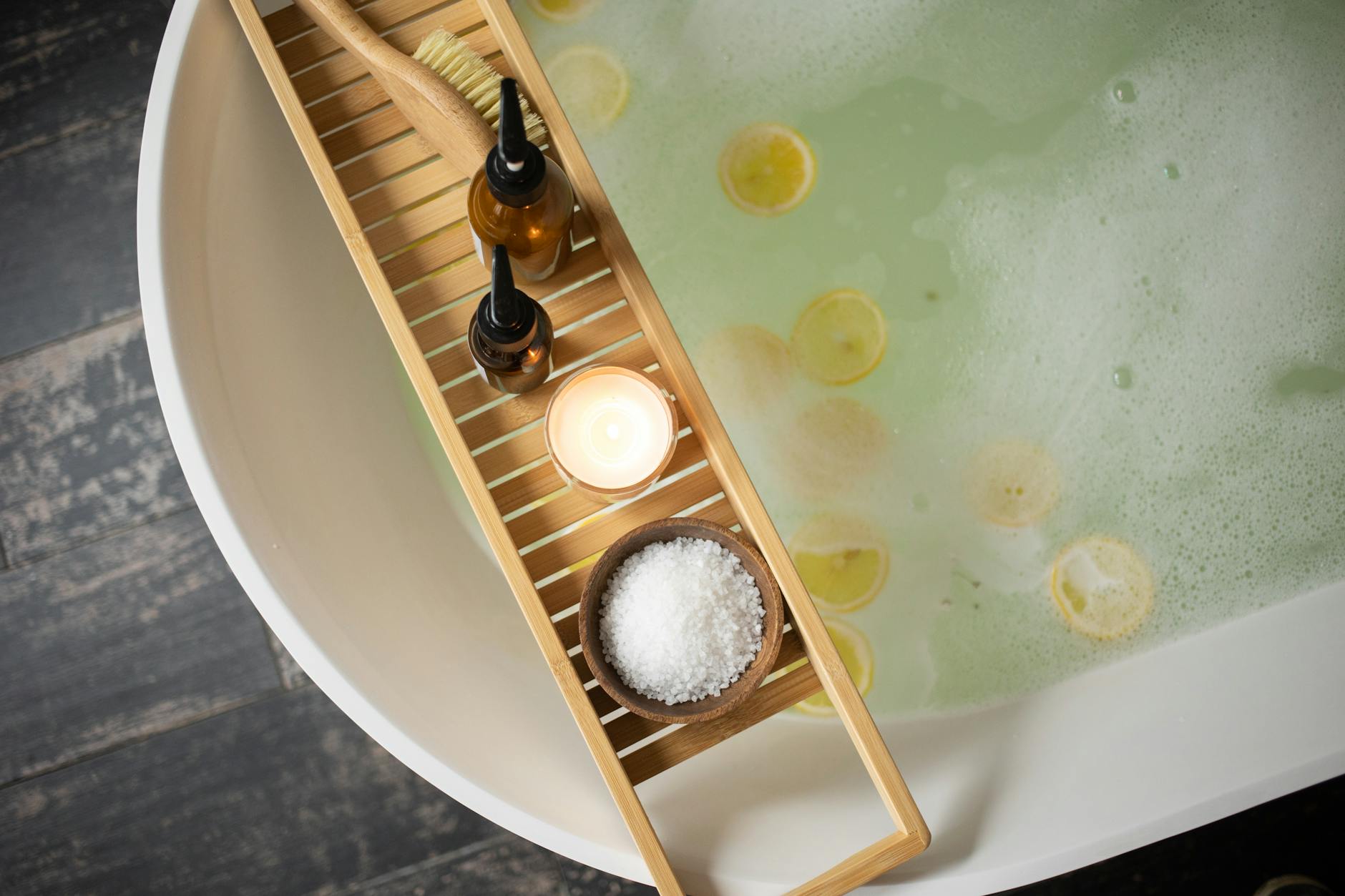
Discover how to use essential oils like lavender, lemon, and eucalyptus in your bath to promote relaxation, improve mood, and soothe muscles. Learn safe dilution methods and precautions for a rejuvenating experience.
April 1, 2026

Discover the ancient 5 Tibetan Rites, a sequence of five exercises believed to restore youth and vitality. Learn how to perform each rite and unlock its benefits for energy, sleep, and well-being.
April 1, 2026

Discover the art of circular breathing, a technique that allows continuous sound and breath. Learn how singers, musicians, and meditators can master this skill for enhanced performance and deeper relaxation. Includes practice steps and benefits.
April 1, 2026