

Emergency & Help
24/7 Emergency & General Advisory
🚨 24/7 Medical Emergency
Non-Emergency Advisory
10:00 AM – 6:00 PM, Mon–Sat
For appointments & general queries.
24/7 Emergency & General Advisory
🚨 24/7 Medical Emergency
Non-Emergency Advisory
10:00 AM – 6:00 PM, Mon–Sat
For appointments & general queries.
Understand the truth behind 'Blue Waffle' syndrome. Learn about vaginal infections, symptoms, and proper diagnosis from experts.

Meena, 45, a homemaker from Jaipur, noticed an unusual flow and a faint bluish tinge, accompanied by itching. Her neighbour, concerned, mentioned something called 'Blue Waffle'. This term, often circulating in hushed tones or online forums, has become a source of significant anxiety for many Indian women. But what exactly is it?
The truth is, 'Blue Waffle' is not a recognised medical diagnosis. It’s a myth, a fabricated condition that has unfortunately gained traction, causing undue distress and confusion. Let's separate fact from fiction regarding reproductive tract well-being concerns.
Honestly, the persistent circulation of such misinformation online is deeply concerning. It can lead women to self-diagnose incorrectly, delay seeking proper therapeutic attention, or even resort to unverified home remedies.
What most people miss is that the symptoms attributed to 'Blue Waffle' are actually indicative of several common and treatable reproductive tract conditions or ailments. These include yeast issues (candidiasis), bacterial imbalance (BV), trichomoniasis, and even some sexually transmitted ailments (STIs).
Most people overlook this completely.
A healthy reproductive tract maintains a delicate balance of microorganisms, primarily bacteria, with lactobacilli being the dominant type. This balance helps maintain an acidic pH, which prevents the overgrowth of harmful bacteria and yeasts. When this balance is disrupted, various manifestations can arise.
Think about it this way: just as a garden needs specific conditions to thrive, so does the reproductive tract ecosystem. When these conditions change, problems can arise.
Caused by an overgrowth of Candida fungus, yeast issues are extremely prevalent. In India, it's estimated that up to 75% of women will experience at least one yeast problem in their lifetime. manifestations typically include intense itching, burning during urination, redness, and swelling of the vulva.
The flow is often thick, white, and clumpy, resembling cottage cheese. While not typically blue, sometimes the inflammation and flow can alter appearance.
BV occurs when there's an imbalance of the bacteria normally found in the reproductive tract. It’s one of the most typical causes of abnormal reproductive tract flow. Over 50% of women in India may experience BV at some point, though often it goes undiagnosed or is misattributed.
signs include a thin, greyish-white flow with a strong, fishy odour, especially after intercourse. Itching and irritation can also be present. The flow itself is not blue, but severe inflammation can sometimes lead to visual changes.
This is where most patients struggle.
This is a sexually transmitted ailment caused by the parasite Trichomonas vaginalis. It affects millions globally, and while precise Indian data is scarce, STIs remain a public well-being concern. manifestations can vary but often include a frothy, yellow-green reproductive tract flow with a foul odour.
Itching, burning, and pain during urination or intercourse are also typical. Again, the flow isn't blue.
The term 'Blue Waffle' appears to have originated from online forums and social media, likely as a sensationalised and graphic depiction of a severe reproductive tract ailment or STI. There is no scientific literature or scientific evidence to support 'Blue Waffle' as a distinct medical concern. The 'blue' aspect is likely a fabrication, possibly an exaggeration of the visual appearance of severe inflammation or atypical flow in some ailments.
Does this sound familiar? This kind of misinformation spreads like wildfire, especially when graphic images, often digitally altered, are shared without context.
Here's the thing: the internet, while a powerful tool for information, can also be a breeding ground for myths. Health misinformation, particularly concerning sensitive topics like sexual and reproductive well-being, can have devastating consequences.
It can lead to unnecessary fear, stigmatisation, and avoidance of healthcare services. The World Health Organization (WHO) has repeatedly highlighted the need for accurate health information dissemination to combat such issues.
Here's where it gets interesting.
Self-diagnosing based on internet rumours can be dangerous. For instance, mistaking a yeast issue for BV or vice-versa can lead to ineffective treatment and prolonged discomfort.
Trichomoniasis, being an STI, requires specific therapy for both partners to prevent re-infection and further spread. Untreated STIs can lead to serious long-term complications, including pelvic inflammatory disease (PID) and infertility.
Consider the cultural context in India. Many women face barriers to discussing sexual well-being openly due to societal stigma.
This makes them more vulnerable to believing unverified information found online, especially if it seems to explain their warning signs without requiring a difficult conversation with family or a doctor. The fear of judgment can be a considerable deterrent to seeking help.
What should you actually do? If you experience any unusual reproductive tract signs—such as changes in flow colour or consistency, odour, itching, burning, or pain—it is essential to consult a healthcare professional immediately. A qualified doctor or gynaecologist can perform the necessary examinations and tests to accurately diagnose the issue.
For example, a simple microscopic examination of the flow can differentiate between yeast, bacteria, or parasites. Institutions like the All India Institute of Medical Sciences (AIIMS) consistently advocate for early and accurate diagnosis of all gynaecological issues.
Recovery is rarely linear.
A healthcare provider will typically:
management depends entirely on the confirmed diagnosis. Yeast issues are usually treated with antifungal medications (oral or topical). Bacterial vaginosis is treated with antibiotics.
Trichomoniasis requires specific antiparasitic medications, and importantly, sexual partners must also be treated. The Indian Council of Medical Research (ICMR) provides guidelines for the management of typical ailments, stressing the importance of evidence-based management.
It is vital to complete the full course of prescribed medication, even if manifestations improve earlier. This ensures the ailment is fully eradicated and reduces the risk of recurrence or developing antibiotic resistance, a growing concern highlighted by The Lancet.
Maintaining good reproductive tract well-being involves several practices:
Living in India often involves cultural practices like floor sitting, especially during festivals or daily routines. While generally healthy, maintaining personal hygiene in such environments is key. Ensure clean clothing and frequent washing.
The International Diabetes Federation (IDF) notes that diabetes can sometimes affect immune function, potentially increasing susceptibility to ailments. Women with diabetes should pay extra attention to managing their blood sugar levels and maintaining good hygiene.
Ultimately, the 'Blue Waffle' is a phantom—a medically unfounded term that preys on fear and ignorance. The real issues are prevalent, treatable ailments that require prompt and accurate therapeutic attention. Don't let online myths dictate your well-being decisions.
That alone changes everything.
Always consult a qualified physician before making any therapeutic decisions.
Visit Hospital
Near You

A cesarean section (C-section) is a surgical delivery in which a baby is born through an incision in the mother's abdomen and uterus. In Kolkata, several experienced obstetricians and well-equipped hospitals offer C-section services for planned and emergency deliveries. Understanding when a C-sectio
July 31, 2026
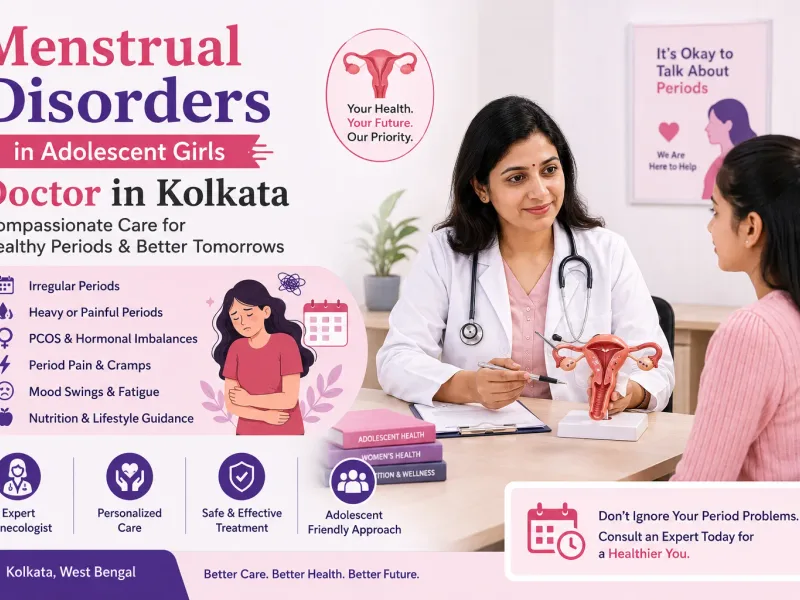
If you are searching for a Menstrual Disorders in Adolescent Girls Doctor in Kolkata, early evaluation by an experienced gynecologist can help identify the underlying cause of irregular or painful periods. While menstrual irregularities are common during the first few years after puberty, persistent
July 31, 2026

If you are searching for a Fibroid & Endometriosis doctor in Kolkata, choosing an experienced gynecologist with expertise in minimally invasive gynecological surgery is essential. Uterine fibroids and endometriosis are two common but different conditions that can cause pelvic pain, heavy menstrual b
July 31, 2026