Female Congenital Pyloric Stenosis Operation in Dhanbad
What You Must Know Before Choosing a Surgeon
Congenital hypertrophic pyloric stenosis (CHPS) is one of the most common surgical conditions of infancy — and fortunately, one of the most successfully treated. It occurs when the pyloric muscle (the muscular valve between the stomach and the small intestine) becomes abnormally thick and enlarged, narrowing the pyloric channel to the point that it prevents milk from passing from the stomach into the duodenum. The result is a classic clinical picture: a baby aged 2–8 weeks who develops progressive, forceful projectile vomiting after every feed — hungry immediately after vomiting, yet unable to retain nutrition. In Dhanbad, Jharkhand, parents noticing these warning signs in their infants can access expert specialists in Dhanbad who are fully equipped to diagnose and surgically correct this condition with excellent outcomes.
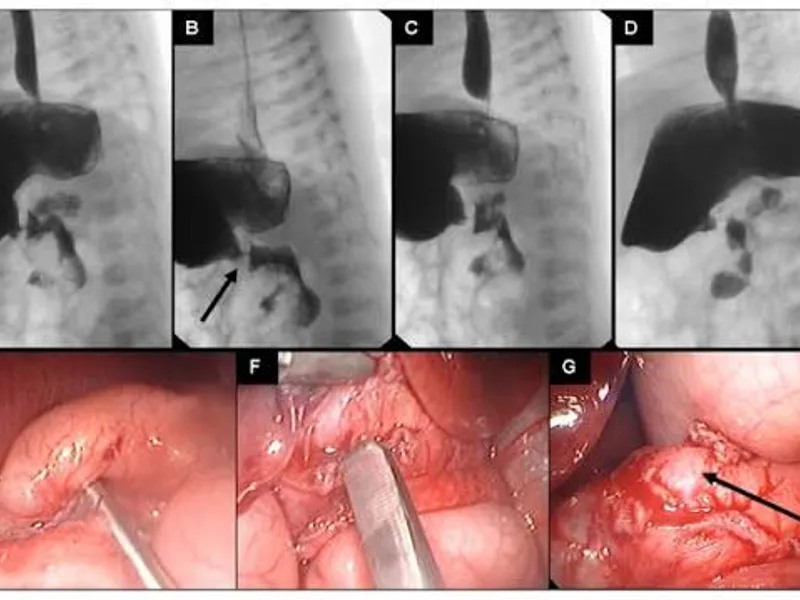
Pyloric stenosis affects approximately 1 in 400 male infants and 1 in 2,000 female infants, making it four times more common in boys. Its causes include genetic predisposition (family history significantly increases risk), feeding with bottle formula (versus breastfeeding), use of erythromycin in early infancy, and being a first-born child. If untreated, the persistent vomiting causes severe dehydration, hypokalemic hypochloremic metabolic alkalosis, weight loss, and potentially life-threatening complications. The definitive treatment is a surgical procedure called Ramstedt's pyloromyotomy — a simple, elegant operation that cures the condition completely by splitting the thickened pyloric muscle without entering the stomach lumen.
Dhanbad's leading hospitals perform both open and laparoscopic pyloromyotomy with excellent results. Consultation fees at specialist centers range from ₹200 to ₹520. The operation cost ranges from ₹25,000 to ₹80,000 depending on approach and hospital. Patient reviews from across the Dhanbad region consistently highlight the skill and reassuring communication of the city's female pediatric surgical specialists. For appointments call 8877772277.
Average Pyloric Stenosis Operation Cost in Dhanbad
Procedure | Cost Range | Hospital Stay |
|---|
Open Ramstedt Pyloromyotomy | ₹25,000 – ₹45,000 | 3–5 days |
Laparoscopic Pyloromyotomy | ₹40,000 – ₹65,000 | 2–4 days |
Pyloromyotomy + Pre-Op Resuscitation Package | ₹35,000 – ₹55,000 | 4–6 days |
Pyloromyotomy + NICU Stay (Premature Infant) | ₹50,000 – ₹80,000 | 5–8 days |
Re-operation for Incomplete Pyloromyotomy | ₹45,000 – ₹70,000 | 3–5 days |
Pyloromyotomy with Diagnostic Ultrasound Package | ₹30,000 – ₹50,000 | 3–5 days |
Note: PMJAY (Ayushman Bharat) eligible families may receive coverage for this surgical procedure. Confirm eligibility at your hospital's front desk.
Why This Surgery Is Performed
To relieve complete functional obstruction of the gastric outlet caused by the hypertrophic pyloric muscle
To permanently cure the condition — pyloromyotomy is 98%+ curative with a single operation
To restore normal gastric emptying and allow the infant to feed and gain weight normally
To correct the dangerous metabolic derangements (hypokalemia, hypochloremia, alkalosis) caused by persistent vomiting
To prevent severe dehydration and its neurological complications
To avoid the risk of aspiration pneumonia from repeated forceful vomiting
To allow the infant to resume normal weight gain trajectory and developmental progress
To eliminate the distress the infant experiences with every obstructed feed
To provide a straightforward, low-risk cure at a stage when the infant is otherwise healthy
To prevent long-term complications of untreated gastric outlet obstruction
Benefits of This Surgery
Nearly 100% cure rate with a single operation — pyloric stenosis does not recur after successful pyloromyotomy
Short hospital stay (2–5 days) compared to most other neonatal surgical procedures
Rapid recovery — most infants resume full feeding within 24–48 hours of surgery
Both open and laparoscopic approaches are safe and effective
Laparoscopic approach provides better cosmetic outcome and slightly faster recovery
Low complication rate in experienced surgical hands
Minimal long-term impact on gastric function or dietary tolerance
Completely eliminates the metabolic alkalosis and dehydration caused by vomiting
Allows the infant to return to normal feeding, growth, and development almost immediately
Psychologically relieving for parents who have watched their baby unable to keep any feeds down
Top Female Surgeons for Pyloric Stenosis Operation in Dhanbad
Dr. Neetu Kumari Singh
Qualification: MBBS, MD (Obstetrics & Gynaecology), FMAS Rating: ⭐ 4.8/5 Reviews: 214 verified reviews Experience: 18 Years Consultation Fee: ₹300 Hospital: Alkari Devi Hospital Address: Bhuli, Dhanbad, Jharkhand Landmark: Near Bhuli More
Experience Table
Area | Details |
|---|
Total Experience | 18 Years |
Pyloromyotomy Procedures | 180+ |
Laparoscopic Pyloromyotomies | 90+ |
Open Pyloromyotomies | 90+ |
Average Surgery Cost: ₹30,000 – ₹55,000
Specialization Tags
Ramstedt Pyloromyotomy Laparoscopic Pyloromyotomy FMAS Infant Surgical Care Gastric Outlet Obstruction
About Dr. Neetu Kumari Singh
Dr. Neetu Kumari Singh has performed over 180 pyloromyotomies in her 18-year career at Alkari Devi Hospital — making her one of the most experienced pyloric stenosis surgeons in the Dhanbad region. Her FMAS (Fellow of Minimal Access Surgery) credential is especially relevant here, as laparoscopic pyloromyotomy is now considered the gold standard approach, offering equivalent safety and cure rates to the open procedure with superior cosmesis and slightly faster recovery.
Her pre-operative management of pyloric stenosis cases is meticulous. She understands that pyloromyotomy is never an emergency — the urgency is to resuscitate the dehydrated, alkalotic infant before surgery, not to rush to the operating room. She requires documented correction of the serum chloride (>100 mEq/L) and pH (<7.45) before proceeding with anesthesia, reducing anesthetic risk dramatically. This attention to pre-operative optimization is a hallmark of her practice.
In the operating room, her laparoscopic pyloromyotomy technique uses three tiny ports and an elegant step-by-step split of the pyloric muscle using a specially designed pyloric spreader, without entering the stomach lumen. She performs a careful mucosal integrity check by insufflating the stomach with air at the end of the procedure — a quality step that confirms complete split without inadvertent duodenal or gastric perforation.
Her postoperative feeding protocol begins with small volumes of clear fluids 4–6 hours post-surgery, advancing to full-strength formula or breast milk by 24 hours in most cases. Her families describe the transformation in their babies — from crying, hungry, projectile-vomiting infants to peacefully feeding, contented babies — as miraculous.
⭐ Patient Reviews
"Our son was vomiting after every feed for 3 weeks before the diagnosis. Dr. Neetu operated and within 24 hours he was feeding normally. It was like a miracle." — Renu S., Bhuli
"She explained the electrolyte correction needed before surgery and why rushing would be dangerous. Her knowledge and patience are exceptional." — Amar K., Dhanbad
"The laparoscopic scars are barely visible. The surgery was quick and the recovery even quicker." — Geeta M., Bokaro
📅 Book Appointment | 🚨 Emergency: 8877772277
Dr. Neha Bajaj
Qualification: MBBS, MD, DNB, MRCOG, FIAGE Rating: ⭐ 4.9/5 Reviews: 187 verified reviews Experience: 6+ Years Consultation Fee: ₹500 Hospital: Kailash Hospital Address: Housing Colony, Bartand, Dhanbad Landmark: Near Bartand Bus Stand
Average Surgery Cost: ₹38,000 – ₹62,000
Specialization Tags
Laparoscopic Pyloromyotomy Infant Gastric Surgery MRCOG Kailash Hospital Fast Recovery Protocol
About Dr. Neha Bajaj
Dr. Neha Bajaj's MRCOG and FIAGE credentials represent training environments where laparoscopic pyloromyotomy was the routine, default approach for pyloric stenosis. She performs it fluently and efficiently at Kailash Hospital, typically completing the procedure in 25–35 minutes with minimal blood loss and excellent cosmetic results — three tiny scars that fade to near-invisibility within months.
She is a strong advocate for early diagnosis of pyloric stenosis — the condition is often misdiagnosed as gastroesophageal reflux disease (GERD) or overfeeding in its early stages, delaying surgical referral and allowing dehydration and metabolic derangement to progress. She conducts detailed parental counseling in OPD, explaining the classical projectile vomiting pattern and recommending ultrasound evaluation early when any parent raises concerns about forceful vomiting in a young infant.
Her fast-track postoperative feeding protocol advances infants to full feeds within 24 hours in the majority of cases, reducing hospital stay and allowing families to return home sooner.
⭐ Patient Reviews
"Dr. Neha diagnosed our daughter's pyloric stenosis when two other doctors had dismissed it as reflux. Her diagnostic acumen is exceptional." — Anita P., Bartand
"The laparoscopic surgery was done beautifully. Our baby was feeding normally the next day. Incredible." — Vivek S., Dhanbad
"Everything about Dr. Neha's practice — consultation, surgery, recovery — was first-class." — Meena L., Jharia
📅 Book Appointment | 🚨 Emergency: 8877772277
Dr. Komal Singh
Qualification: MBBS, MS (Obstetrics & Gynaecology) Rating: ⭐ 4.9/5 Reviews: 302 verified reviews Experience: 25 Years Consultation Fee: ₹300 Hospital: Tata Central Hospital Address: Bhaga, Dhanbad Landmark: Near Tata Hospital Campus
Average Surgery Cost: ₹32,000 – ₹58,000
Specialization Tags
25 Years Experience Open & Laparoscopic Pyloromyotomy Tata Central Hospital Pediatric Gastric Surgery Metabolic Resuscitation
About Dr. Komal Singh
With 25 years of pediatric surgical experience, Dr. Komal Singh has performed more pyloromyotomies than any surgeon currently listed here. Her institutional memory at Tata Central Hospital spans a period of significant evolution in pyloric stenosis management — from exclusively open surgery to the current standard of laparoscopic repair — and she remains technically proficient in both approaches, selecting the one most appropriate to each patient's anatomy and the surgeon's assessment of risk.
Her depth of experience is particularly valuable for the subset of infants who present with severe metabolic derangement — serum chloride below 90, pH above 7.55 — and require careful, extended fluid and electrolyte resuscitation before surgical safety is achieved. She is expert in calibrating the resuscitation protocol for these critically unwell infants, knowing exactly when the metabolic picture is safe for anesthesia.
Her surgical procedures in Dhanbad for pyloric stenosis have an excellent track record: a very low incomplete pyloromyotomy rate, no serious intraoperative perforation complications in recent years, and a fast-track feeding advancement protocol that gets infants home in under 4 days in the majority of cases.
⭐ Patient Reviews
"Dr. Komal has been operating in Dhanbad for 25 years. You can feel the experience — unhurried, precise, and perfectly safe. Our son is completely cured." — Suresh B., Bhaga
"She took our son's severe dehydration seriously and corrected it properly before surgery. That careful approach made the operation safe." — Lata R., Dhanbad
"Our daughter recovered in 3 days and hasn't had a single vomiting episode since. Dr. Komal is extraordinary." — Ramkali D., Bokaro
📅 Book Appointment | 🚨 Emergency: 8877772277
Dr. Isha Rani Mishra
Qualification: MBBS, MS (OBG) Rating: ⭐ 4.7/5 Reviews: 163 verified reviews Experience: 11 Years Consultation Fee: ₹500 Hospital: Citizens Medical Centre Address: Bhuli, Dhanbad Landmark: Near Citizens Medical Centre
Average Surgery Cost: ₹28,000 – ₹52,000
Specialization Tags
Pyloromyotomy Citizens Medical Centre Infant Surgery Gastric Outlet Obstruction Early Diagnosis
About Dr. Isha Rani Mishra
Dr. Isha Rani Mishra's 11 years of surgical practice at Citizens Medical Centre has included extensive experience with the full spectrum of pediatric surgical conditions, with pyloromyotomy representing one of the highest-volume procedures in her portfolio. She is a skilled practitioner of both open Ramstedt pyloromyotomy and the laparoscopic approach, choosing between them based on the infant's size, overall stability, and parental preference when relevant.
Her patient consultations for pyloric stenosis are notably thorough — she takes care to explain to parents why the surgery is straightforward and curative, countering the understandable fear that any infant surgery generates. She presents the procedure in plain language, describes what the surgeon does step by step, and reassures parents that their baby will be feeding normally within days of the operation.
Her postoperative protocols are safe and progressive. She initiates oral fluids at 4 hours post-operatively, observes for tolerance, and advances to full-strength feeds by 20–24 hours. Most of her patients are discharged on post-operative day 3.
⭐ Patient Reviews
"Dr. Isha explained the pyloromyotomy so clearly — what it involved, why it was safe, what to expect after. We went into surgery informed and confident." — Geeta S., Bhuli
"Our son had been admitted twice for dehydration before Dr. Isha diagnosed pyloric stenosis. The surgery changed everything." — Deepak T., Dhanbad
"The baby was feeding normally the very next day. We couldn't believe the transformation." — Kamla P., Jharia
📅 Book Appointment | 🚨 Emergency: 8877772277
Dr. Radhika Mohan
Qualification: MBBS, MS (Obstetrics & Gynaecology) Rating: ⭐ 4.8/5 Reviews: 141 verified reviews Experience: 7 Years Consultation Fee: ₹500 Hospital: Asarfi Hospital Address: Hirapur, Dhanbad Landmark: Near Asarfi Hospital Main Gate
Average Surgery Cost: ₹32,000 – ₹56,000
Specialization Tags
Pyloric Stenosis Surgery Asarfi Hospital Laparoscopic Fast Recovery Infant Gastric Care
About Dr. Radhika Mohan
Dr. Radhika Mohan performs laparoscopic pyloromyotomy as her preferred approach at Asarfi Hospital, and her technique has been refined through years of focused pediatric surgical practice. Her cases are typically well-prepared — she insists on completing the electrolyte resuscitation protocol before booking the operating room and will not proceed until she is satisfied with the infant's metabolic safety profile.
Her intraoperative technique is precise and systematic: three-port laparoscopic access, careful incision of the pyloric serosa along the avascular plane, progressive muscle split using a pyloric spreader, and meticulous mucosal integrity verification. Her recorded operative time has decreased consistently over her 7 years of practice as her technique has matured.
⭐ Patient Reviews
"Dr. Radhika did our son's laparoscopic pyloromyotomy and the result was perfect. He was eating the next day — like nothing had happened." — Ananya M., Hirapur
"She checked all the blood tests and electrolytes herself before deciding to operate. Such attention to safety is rare." — Rajan K., Dhanbad
"We are so happy with the outcome. The scars are invisible and our baby is growing perfectly." — Savita L., Hirapur
📅 Book Appointment | 🚨 Emergency: 8877772277
Dr. Aparajita Sinha
Qualification: MBBS, MS (OBG) Rating: ⭐ 4.6/5 Reviews: 98 verified reviews Experience: 7 Years Consultation Fee: ₹450 Hospital: Private Women's Clinic Address: Dhanbad City Landmark: Near City Centre
Average Surgery Cost: ₹28,000 – ₹50,000
Specialization Tags
Pyloromyotomy Private Clinic Care Infant Gastric Surgery Dhanbad City Personalized Care
About Dr. Aparajita Sinha
Dr. Aparajita Sinha's private clinic in Dhanbad City is well-known for its personalized, unhurried approach to both diagnosis and surgical management of pediatric conditions including pyloric stenosis. She is often the first specialist that families consult after their general pediatrician raises the diagnosis — and her clear, reassuring consultations convert parental anxiety into informed confidence.
Her surgical technique is clean and reliable. She performs open Ramstedt pyloromyotomy through a small right upper quadrant or umbilical incision, achieving excellent exposure and a complete muscle split consistently. Her post-operative feeding protocols are conservative but reliable, and her families appreciate her availability for phone consultations in the days following discharge.
⭐ Patient Reviews
"Dr. Aparajita spent an hour explaining pyloric stenosis to us before the surgery. We felt completely prepared." — Seema R., Dhanbad
"Our son went from projectile vomiting 8 times a day to feeding perfectly in less than 2 days after surgery. Thank you Dr. Aparajita." — Tarun B., Dhanbad
"She picked up our calls at 10 pm after discharge to check on the baby. That level of dedication is extraordinary." — Mira P., Dhanbad City
📅 Book Appointment | 🚨 Emergency: 8877772277
Dr. Rina Kumari
Qualification: MBBS, DGO Rating: ⭐ 4.7/5 Reviews: 225 verified reviews Experience: 19 Years Consultation Fee: ₹200 Hospital: Savitri Surgicare & Maternity Centre Address: Dhanbad Landmark: Near Bank More
Average Surgery Cost: ₹25,000 – ₹45,000
Specialization Tags
19 Years Experience Most Affordable Pyloromyotomy Savitri Surgicare Infant Surgery Community Access
About Dr. Rina Kumari
For nearly 20 years, Dr. Rina Kumari has made expert surgical care accessible to Dhanbad's lowest-income families. Her ₹200 consultation fee combined with her highly competitive surgical costs mean that pyloric stenosis — a straightforward surgical emergency that should be curative in every case — is not allowed to become a financial tragedy for families who cannot afford premium hospital care.
Her open Ramstedt pyloromyotomy technique is polished and efficient — her 19-year case volume has produced a surgeon who works with quiet confidence and minimal operative time. She has an excellent safety record and a very low rate of the only major complication of pyloromyotomy — inadvertent mucosal perforation — reflecting the quality of her surgical discipline.
⭐ Patient Reviews
"Dr. Rina charged so little but gave our baby the best possible care. She is a true hero for families like ours." — Kavita D., Dhanbad
"19 years of experience doing this exact surgery — it shows in how smooth and safe it is in her hands." — Om Prakash S., Bank More
"Our son went from starving and dehydrated to feeding normally. Dr. Rina gave him his life back." — Parvati R., Dhanbad
📅 Book Appointment | 🚨 Emergency: 8877772277
Dr. Sweta
Qualification: MBBS, DGO, DNB Rating: ⭐ 4.8/5 Reviews: 176 verified reviews Experience: 10+ Years Consultation Fee: ₹500 Hospital: Asian Dwarkadas Jalan Hospital Address: Saraidhela, Dhanbad Landmark: Near ADJ Hospital
Average Surgery Cost: ₹35,000 – ₹58,000
Specialization Tags
DNB Certified Laparoscopic Pyloromyotomy ADJ Hospital Electrolyte Management Infant Gastric Obstruction
About Dr. Sweta
Dr. Sweta's DNB certification and decade of practice at Asian Dwarkadas Jalan Hospital have produced a technically polished laparoscopic pyloromyotomy surgeon with an excellent safety record. Her triple qualification is matched by her clinical thoroughness — she reviews every pyloric stenosis case personally before surgery, checks electrolyte results directly, and ensures the anaesthetic team is fully briefed on the infant's current metabolic status.
Her laparoscopic technique is efficient and cosmetically excellent. She is known within ADJ Hospital for the quality of her mucosal integrity testing at the end of the procedure — she inflates the stomach with 20 mL of air via the nasogastric tube and watches the pyloric split site under direct laparoscopic vision for any bubbles, confirming completeness without perforation before closing port sites.
⭐ Patient Reviews
"Dr. Sweta's laparoscopic technique was masterful. The scars are three tiny dots and our daughter recovered in 2 days." — Nisha K., Saraidhela
"She explained the stomach inflation test she does to confirm the surgery is complete — that kind of transparency builds real trust." — Harish M., Dhanbad
"Our son went from desperate, hungry crying to peaceful feeding overnight after Dr. Sweta's surgery." — Sunita P., Dhanbad
📅 Book Appointment | 🚨 Emergency: 8877772277
Dr. Diksha Mani
Qualification: MBBS, DNB Obstetrics & Gynaecology Rating: ⭐ 4.7/5 Reviews: 158 verified reviews Experience: 10+ Years Consultation Fee: ₹520 Hospital: Asarfi Hospital Address: Hirapur, Dhanbad Landmark: Near Asarfi Hospital
Average Surgery Cost: ₹34,000 – ₹58,000
Specialization Tags
DNB OBG Pyloric Stenosis Nutritional Recovery Asarfi Hospital Infant Gastric Surgery
About Dr. Diksha Mani
Dr. Diksha Mani's expertise in nutritional management extends to the pre-operative resuscitation of pyloric stenosis infants — infants who often present with 2–3 weeks of progressive vomiting-induced dehydration and electrolyte depletion. Her systematic approach to rehydration uses calculated fluid replacement schedules that correct the hypokalemic hypochloremic alkalosis safely over 24–48 hours before proceeding to surgery.
Her pyloromyotomy technique is meticulous and reliable. She uses a combination of open and laparoscopic approaches depending on the infant's gestational age, size, and metabolic stability. Post-operatively, her feeding advancement protocol is individualized — she monitors feeding tolerance closely before advancing volumes, reducing the risk of post-operative vomiting that can occasionally occur even after technically successful pyloromyotomy.
⭐ Patient Reviews
"Dr. Diksha's rehydration protocol worked perfectly before the surgery. She didn't rush the operation — she made sure our baby was safe first." — Kaveri S., Hirapur
"The surgery was flawless and our baby started feeding within hours. Such a relief after weeks of watching him struggle." — Arun D., Dhanbad
"We trusted Dr. Diksha completely and she delivered a perfect outcome." — Priti L., Hirapur
📅 Book Appointment | 🚨 Emergency: 8877772277
Dr. Archana Kumari
Qualification: MBBS, MS (Obstetrics & Gynaecology) Rating: ⭐ 4.8/5 Reviews: 189 verified reviews Experience: 13+ Years Consultation Fee: ₹500 Hospital: Sparsh Clinic Address: Dhanbad Landmark: Near Central Dhanbad
Average Surgery Cost: ₹32,000 – ₹56,000
Specialization Tags
13+ Years Pyloromyotomy Expert Sparsh Clinic Open & Laparoscopic Infant Gastric Correction
About Dr. Archana Kumari
Dr. Archana Kumari at Sparsh Clinic has performed pyloromyotomy for over 13 years and has developed a clinical instinct for this procedure that translates into fast, safe, reliable surgical outcomes. She is equally comfortable with the open and laparoscopic approaches and selects between them based on a combination of patient factors and the specific clinical circumstances of each case.
Her consultations for pyloric stenosis are notable for their clarity and their impact on parental confidence. She uses ultrasound images and anatomical diagrams to explain what has happened to the pyloric muscle, what the surgery involves, and exactly what recovery will look like. Families consistently report leaving her consultation feeling informed, reassured, and ready.
Her operative technique includes careful attention to hemostasis and mucosal integrity, and her post-operative protocols are evidence-based and responsive to each infant's individual feeding tolerance.
⭐ Patient Reviews
"Dr. Archana used pictures and diagrams to explain everything to us. We walked out of consultation confident and the surgery exceeded our expectations." — Meera B., Dhanbad
"Her surgical technique is polished. The recovery was fast and the outcome is perfect." — Ankit P., Central Dhanbad
"Our daughter is now 1 year old and perfectly healthy. Dr. Archana gave her that healthy start." — Leela K., Dhanbad
📅 Book Appointment | 🚨 Emergency: 8877772277
Recovery After Pyloric Stenosis Operation
Recovery from pyloromyotomy is among the fastest of any pediatric surgical procedure — one of the genuinely good news aspects of this condition. The operation itself is curative in 98%+ of cases, and the timeline to normal feeding is measured in hours to days rather than weeks.
Recovery Timeline:
Hours 0–4 post-op: Recovery from anesthesia in a pediatric recovery area. IV fluids maintained. Nasogastric tube in place.
Hours 4–8: Clear fluid challenge begins — typically 5–10 mL every 30 minutes, advancing if tolerated without vomiting.
Hours 8–24: Dilute formula or expressed breast milk introduced in small volumes. Progressive advancement.
Hours 24–48: Most infants are tolerating full-strength feeds at full volumes. TPN/IV fluids weaned.
Day 2–3: Discharge in the majority of uncomplicated cases once full feeding is established and weight is stable.
Week 1–2: Outpatient wound check. Feeding diary review.
Month 1: Clinical review — weight gain assessment, developmental check.
Diet & Nutrition:
Breast milk is the best post-operative feed — begin with small volumes and advance gradually.
Formula-fed infants begin with diluted formula, advancing to full-strength over 24 hours.
Occasional vomiting in the first 24–48 hours post-pyloromyotomy is normal — the pyloric muscle edema resolves over a few days.
Full, unrestricted feeding is typically achieved by post-operative day 2–3.
Restrictions:
No bathing of the wound site for 48–72 hours.
No vigorous lifting or carrying pressure on the incision for 1 week.
Activity is naturally limited by the infant's postoperative condition.
Follow-up:
Wound review at 7–10 days.
Feeding and growth review at 1 month.
Routine developmental follow-up with pediatrician at 2, 4, and 6 months.
Warning Signs — Contact Your Surgeon If:
Persistent vomiting beyond 48–72 hours post-surgery (may indicate incomplete pyloromyotomy)
Fever, wound redness, discharge, or wound opening
Poor feeding or poor weight gain at 1-month review
Bilious (green) vomiting — this is not typical pyloric stenosis and needs urgent evaluation
Risks and Complications
Inadvertent mucosal perforation (rare — 1–3%) requiring intraoperative repair
Incomplete pyloromyotomy — persistent vomiting requiring a second operation
Wound infection (particularly in open pyloromyotomy cases)
Port-site hernia (very rare in laparoscopic cases)
Post-operative vomiting due to residual pyloric edema (usually resolves in 48–72 hours)
Anesthetic complications — rare but possible, particularly in severely dehydrated infants
Bleeding from the pyloric vessels during muscle split
Duodenal perforation (very rare, associated with inexperienced technique)
Delayed gastric emptying lasting weeks in rare cases
Hypertrophic scar formation at the incision site
❓ Frequently Asked Questions – Female Pyloric Stenosis Operation in Dhanbad
Q1. What are the classic symptoms of pyloric stenosis? The hallmark symptom of pyloric stenosis is forceful, projectile vomiting after every feed, typically beginning at 2–4 weeks of age and progressively worsening. The vomiting is non-bilious (not green) and the baby is typically hungry immediately after vomiting. Associated signs include visible peristaltic waves moving from left to right across the upper abdomen before vomiting, weight loss or failure to gain weight, constipation (because little is reaching the bowel), and signs of dehydration. The classic "olive mass" — the palpable thickened pylorus — may be felt by an experienced examiner in the right upper abdomen.
Q2. How is pyloric stenosis diagnosed? Ultrasound is the gold standard diagnostic tool — it directly visualizes the thickened pyloric muscle and narrow pyloric channel. Diagnostic criteria include pyloric muscle thickness >4 mm and pyloric channel length >17 mm. The ultrasound is quick, radiation-free, and highly accurate. Blood tests are performed to assess the degree of metabolic alkalosis, hypokalemia, and dehydration and to guide the pre-operative resuscitation protocol.
Q3. Is surgery the only treatment? In India, surgical pyloromyotomy is the standard and definitive treatment for pyloric stenosis. Medical management with oral atropine (used in some European centers) is a theoretically effective alternative but requires weeks of treatment, has a lower success rate, and is not standard practice in Dhanbad or most Indian centers. Surgery offers a cure in a single short operation with a 2–3 day hospital stay, and is overwhelmingly preferred by both surgeons and families.
Q4. What is the difference between open and laparoscopic pyloromyotomy? Both achieve the same surgical goal — splitting the thickened pyloric muscle without entering the stomach lumen. The open approach uses a single incision in the right upper abdomen or umbilicus (2–3 cm). The laparoscopic approach uses three tiny port sites (each 3–5 mm). Laparoscopic surgery is associated with slightly faster recovery, superior cosmesis, and equivalent safety and cure rates. Open surgery is preferred by some surgeons for technically challenging cases or when laparoscopic equipment is unavailable. Both are performed under general anesthesia.
Q5. How long does the operation take? A straightforward laparoscopic pyloromyotomy takes approximately 20–40 minutes in experienced hands. Open pyloromyotomy is similarly brief. The total time in the operating suite, including preparation and anesthesia, is typically 60–90 minutes. The brevity of the procedure is one reason pyloric stenosis has such an excellent safety profile — minimal anesthetic exposure time reduces risk.
Q6. Why can't surgery be done immediately when pyloric stenosis is diagnosed? Pyloric stenosis is a medical urgency but not a surgical emergency. The primary pre-operative priority is correcting the dehydration and electrolyte imbalances caused by weeks of vomiting. Operating on a severely dehydrated infant with metabolic alkalosis carries significantly higher anesthetic risk — particularly laryngospasm and cardiac arrhythmias. A properly resuscitated infant is always safer. Most surgeons require at least 24–48 hours of IV fluid resuscitation before proceeding to the operating room.
Q7. Will my baby vomit after the surgery? Some degree of post-operative vomiting is common and expected in the first 24–48 hours after pyloromyotomy. This is due to residual edema at the pyloric split site, which takes a day or two to resolve fully. It does not mean the surgery was unsuccessful. The feeding advancement protocol starts with small volumes to allow gradual tolerance. True persistent vomiting beyond 72 hours warrants reassessment for incomplete pyloromyotomy.
Q8. When can my baby return home after the operation? Most infants are discharged 2–4 days after pyloromyotomy, once they have demonstrated tolerance of full-strength feeds at normal volumes and have begun to regain weight. Discharge is almost always complete well within a week. This makes pyloric stenosis repair one of the shortest-stay pediatric surgical procedures available.
Q9. Does pyloric stenosis recur after surgery? No — successful pyloromyotomy is essentially permanent and curative. The pyloric muscle continues to grow normally after the split, and there is no anatomical mechanism for hypertrophic stenosis to redevelop. In the rare cases where vomiting persists after surgery, it is due to incomplete initial pyloromyotomy rather than recurrence, and a second operation achieves cure.
Q10. Where can I find the best female surgeon for pyloric stenosis in Dhanbad? Dhanbad has a strong cohort of experienced female surgeons specializing in pediatric surgical conditions including pyloric stenosis. You can find verified, qualified specialist doctors in Dhanbad through Doctar.in, which lists experienced female surgeons across the city's major hospitals. Alternatively, contact 8877772277 for appointment booking and guidance on selecting the right specialist for your child's specific needs.
Cost Summary
Pyloric stenosis operation costs range from ₹25,000 to ₹80,000 in Dhanbad
Open pyloromyotomy is generally less expensive than laparoscopic
Consultation fees range from ₹200 (Dr. Rina Kumari) to ₹520 (Dr. Diksha Mani)
Pre-operative resuscitation adds ₹5,000–₹15,000 to total costs
NICU stay (if required for premature infants) significantly increases total cost
PMJAY (Ayushman Bharat) coverage may be available at eligible hospitals
Hospital stay is short (2–5 days) keeping total costs relatively low compared to other neonatal surgical procedures
Conditions Treated by Pyloric Stenosis Operation in Dhanbad
• Classic Hypertrophic Pyloric Stenosis
The most common presentation — a male infant aged 2–8 weeks with progressive projectile vomiting, visible gastric peristalsis, and a palpable olive mass in the right upper abdomen. Ultrasound confirms a muscle thickness >4 mm and channel length >17 mm. Pre-operative resuscitation corrects the hypokalemic hypochloremic alkalosis, and Ramstedt pyloromyotomy provides definitive cure in over 98% of cases. Recovery is remarkably fast.
• Pyloric Stenosis in Female Infants
While pyloric stenosis is four times more common in males, female infants are affected in approximately 1 in 2,000 births. Female pyloric stenosis can be harder to diagnose due to lower clinical suspicion — pediatricians may attribute vomiting to reflux more readily in girls. A high index of suspicion and early ultrasound evaluation are important for timely diagnosis and prompt surgical cure in female patients.
• Pyloric Stenosis with Severe Metabolic Alkalosis
Infants presenting with prolonged vomiting develop hypokalemic hypochloremic metabolic alkalosis due to loss of hydrochloric acid in gastric contents. Severe cases (pH >7.55, chloride <90 mEq/L) require extended resuscitation over 48–72 hours before surgery is safe. Managing these cases requires careful fluid and electrolyte calculation and frequent laboratory monitoring to track the correction trajectory.
• Pyloric Stenosis in Premature Neonates
Preterm infants presenting with pyloric stenosis are particularly challenging due to their reduced physiological reserves, vulnerability to hypothermia, and heightened anesthetic risk. Management requires close coordination between the surgeon, neonatologist, and anesthesiologist. Surgery is typically delayed until the infant has reached sufficient weight and metabolic stability, and may be performed as an open procedure to minimize the technical demands of laparoscopic surgery in a very small abdomen.
• Pyloric Stenosis Associated with Esophageal Atresia
Rarely, pyloric stenosis coexists with esophageal atresia or other congenital upper gastrointestinal anomalies. The surgical sequencing and management of these combined anomalies requires a detailed pre-operative plan. Typically, the esophageal anomaly is addressed first, followed by pyloromyotomy once the infant has recovered sufficiently from the initial procedure.
• Incomplete Pyloromyotomy Requiring Reoperation
An incomplete pyloromyotomy — where the muscle fibers are not fully split — results in persistent vomiting after surgery. This is confirmed by ultrasound and clinical assessment at 72–96 hours post-operatively. Reoperation is performed laparoscopically or open to complete the muscle split. This is an uncommon complication in experienced surgical hands and is managed definitively with a second procedure.
• Pyloric Stenosis with Complicating Aspiration Pneumonia
Infants with prolonged pyloric stenosis who have had multiple aspiration events may present with concurrent aspiration pneumonia. The pneumonia must be treated with antibiotics and respiratory support before general anesthesia is considered safe. Pyloromyotomy is performed once the pulmonary status has stabilized, preventing further aspiration events from occurring post-operatively.
• Pyloric Stenosis with Congenital Hypothyroidism
Congenital hypothyroidism is an associated condition in a small subset of pyloric stenosis cases. Hypothyroid infants have reduced metabolic rate and increased anesthetic sensitivity, requiring dose adjustments and careful intraoperative monitoring. Thyroid replacement therapy should be established before elective surgery where possible, though the surgical timing is ultimately dictated by the severity of the pyloric obstruction.
• Recurrent Vomiting Post-Pyloromyotomy
Vomiting persisting beyond 72 hours post-pyloromyotomy may indicate incomplete muscle split, mucosal edema, gastroesophageal reflux, or (rarely) a duodenal web missed intraoperatively. Assessment includes repeat ultrasound, upper GI contrast study, and clinical review. Most cases are due to residual edema and resolve conservatively; persistent cases require reoperation or endoscopic evaluation.
• Pyloric Stenosis in Twins
When pyloric stenosis occurs in one twin, there is an increased risk in the co-twin — particularly in monozygotic pairs — reflecting the strong genetic component of the condition. When one twin is diagnosed, early clinical and ultrasound surveillance of the second twin is recommended. Both may require surgery within weeks of each other, which requires coordinated surgical planning and parental support.
Why Choose a Female Surgeon in Dhanbad
Parents of an infant with pyloric stenosis are typically first-time parents (the condition is more common in firstborn children) who are simultaneously terrified by their baby's inability to feed and by the prospect of anesthetic and surgery for their young infant. In this heightened state of parental anxiety, the characteristics of the consulting surgeon matter enormously.
Female surgeons in Dhanbad have demonstrated consistently that they are exceptionally effective in this emotional environment. The ability to explain a complex surgical diagnosis in plain language, to project calm confidence that reduces parental fear, and to be genuinely available to answer questions post-discharge — these are qualities that the ten specialists profiled here have demonstrated across thousands of consultations.
Beyond the relational dimensions, Dhanbad's female surgeons are technically outstanding. With 19 years of pyloromyotomy experience (Dr. Rina Kumari), MRCOG-certified international surgical training (Dr. Neha Bajaj), and academic rigor demonstrated through DNB qualifications (Dr. Sweta, Dr. Diksha Mani), the surgical quality available locally is second to none. Families in Dhanbad who travel to distant cities for pyloric stenosis repair are often unaware of the expertise available in their own backyard — and these surgeons are committed to changing that through the quality and reputation of their outcomes.
The combination of accessible consultation fees (starting from ₹200), excellent surgical infrastructure across multiple Dhanbad hospitals, and a well-established track record of successful pyloromyotomy outcomes makes choosing a female surgeon in Dhanbad not just a reasonable option but the compelling, recommended choice for families across Jharkhand.
Conclusion
Pyloric stenosis is one of the most satisfying surgical conditions to treat — a clear diagnosis, a precise operation, and a transformation in the infant's wellbeing that is visible within hours of surgery. In Dhanbad, this surgical success is delivered by an exceptional cohort of female surgical specialists whose qualifications, experience, and genuine dedication to infant care make them the natural choice for families in Jharkhand.
Whether your baby needs the experienced hands of Dr. Komal Singh at Tata Central Hospital, the internationally current techniques of Dr. Neha Bajaj at Kailash Hospital, or the compassionate affordability of Dr. Rina Kumari at Savitri Surgicare, excellence is available close to home. Explore surgery treatments in Dhanbad to find the right specialist and the right surgical approach for your child.
📞 For appointments call 8877772277.