Female Cystocele Repair Surgery in Dhanbad
What You Must Know Before Choosing a Surgeon
A cystocele, often described as a "fallen" or "dropped" bladder, occurs when the supportive tissue between a woman's bladder and vaginal wall weakens, allowing the bladder to bulge into the vagina. For many women, this condition develops gradually — sometimes after childbirth, sometimes with age — and symptoms can range from a mild sense of pelvic pressure to a noticeable bulge that affects daily comfort, bladder function, and quality of life. Fortunately, women in Dhanbad now have access to a number of experienced female surgeons who specialise in diagnosing and surgically correcting cystocele, helping restore both comfort and confidence.
Dhanbad's medical community includes female general surgeons, female laparoscopic surgeons, female gynaecological surgeons, and female urological surgeons, many of whom have extensive experience managing pelvic organ prolapse conditions like cystocele. For women who notice a feeling of heaviness in the pelvic area, difficulty fully emptying the bladder, or a visible or palpable bulge near the vaginal opening, consulting with a specialist early can help determine the severity of the prolapse and the most appropriate treatment — whether that's pelvic floor therapy, a supportive pessary device, or surgical repair.
A cystocele develops when the fibrous and muscular tissue (the pubocervical fascia) that normally holds the bladder in place becomes weakened or stretched, most commonly due to vaginal childbirth — particularly multiple deliveries, prolonged labour, or delivery of larger babies. Other contributing factors include the natural loss of tissue elasticity and strength after menopause due to declining estrogen levels, chronic straining from long-term constipation, repetitive heavy lifting, persistent coughing (such as from smoking-related lung conditions), and obesity, all of which increase pressure on pelvic support structures over time.
Symptoms vary depending on severity: mild cases may cause a vague sense of pelvic pressure or fullness, especially after standing for long periods, while more advanced cases can cause a visible bulge at the vaginal opening, difficulty starting urination, a sensation of incomplete bladder emptying, recurrent urinary tract infections due to urine retention, and discomfort during intercourse. If left untreated, cystocele tends to progress gradually, and severe cases can lead to chronic urinary retention, recurrent infections, skin irritation from the protruding tissue, and a significant impact on physical activity and intimacy.
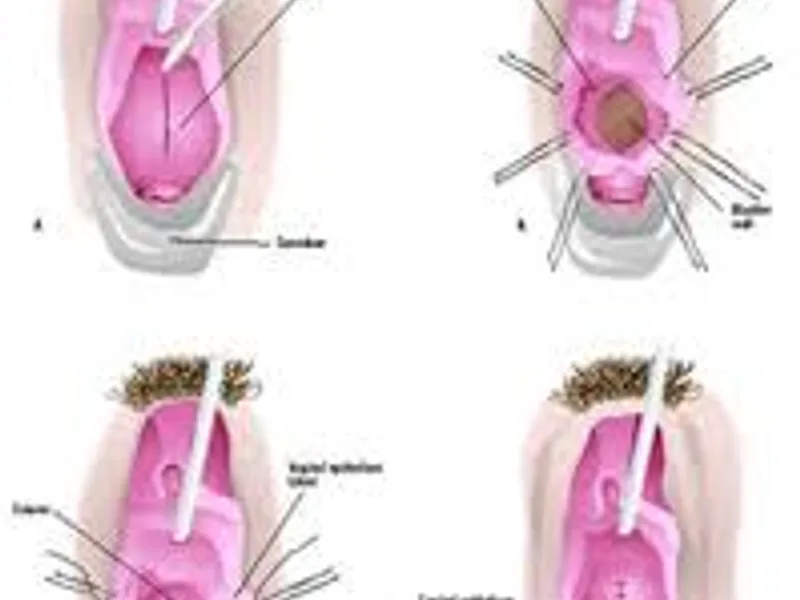
Surgical repair is generally recommended when the cystocele causes bothersome symptoms that affect daily life, when conservative measures like pelvic floor exercises or a pessary haven't provided adequate relief, or when the prolapse is advanced enough that it's affecting bladder emptying and increasing infection risk. Cystocele repair surgery — often called anterior vaginal wall repair or anterior colporrhaphy — involves tightening and reinforcing the weakened tissue between the bladder and vagina, restoring the bladder to its normal position and re-establishing the vaginal wall's structural support. The benefits of timely treatment include relief from the constant sensation of pressure or bulging, improved bladder emptying, reduced risk of recurrent infections, and a return to comfortable daily activity and intimacy without the persistent awareness of the prolapse.
If you've noticed symptoms like pelvic pressure, a bulge, or changes in urination, consulting with the best female doctors in Dhanbad can help clarify the degree of prolapse and the most suitable treatment path for your specific situation.
Consultation fees for the doctors listed in this article range from approximately ₹200 to ₹520. Most clinics in Dhanbad maintain OPD hours from around 9:00 AM to 1:00 PM and 5:00 PM to 8:00 PM on weekdays. The total cost of cystocele repair surgery in Dhanbad — including pre-operative evaluation, the surgical procedure, hospital stay, and follow-up — generally ranges from ₹50,000 to ₹1,20,000 depending on the severity of prolapse and whether additional procedures are performed concurrently. Reading verified patient reviews can help women get a better sense of a hospital's overall care quality, the surgeon's approach to pre- and post-operative counselling, and the comfort of the recovery environment.
For appointments call 8877772277.
Average Cystocele Repair Surgery Cost in Dhanbad
The cost of cystocele repair surgery in Dhanbad depends on the severity of the prolapse, whether the repair is combined with other pelvic floor procedures (such as a hysterectomy or incontinence surgery), the surgical approach used, and the hospital's room category.
Procedure | Cost Range | Hospital Stay |
Anterior colporrhaphy (standard cystocele repair) | ₹50,000 – ₹75,000 | 2–4 days |
Cystocele repair combined with TVT/TOT for incontinence | ₹85,000 – ₹1,20,000 | 3–5 days |
Cystocele repair combined with vaginal hysterectomy | ₹95,000 – ₹1,20,000 | 4–6 days |
Pre-operative workup (pelvic exam, ultrasound, blood work) | ₹4,000 – ₹10,000 | Day care |
Anaesthesia charges (spinal/general) | Included or ₹5,000 – ₹8,000 | Not applicable |
Private/semi-private room upgrade | ₹2,000 – ₹5,000 per day | As selected |
Follow-up visits (first 3 months) | ₹500 – ₹1,500 per visit | Not applicable |
PMJAY Note: Women covered under the Pradhan Mantri Jan Arogya Yojana (Ayushman Bharat) scheme may be eligible for cashless treatment for cystocele repair at empanelled hospitals in Dhanbad, depending on the applicable package codes and severity classification. Verifying eligibility and documentation requirements with the hospital's PMJAY help desk beforehand is recommended.
Why Cystocele Repair Surgery Is Performed
To correct a moderate to severe bulge of the bladder into the vaginal wall causing persistent discomfort.
To relieve a sensation of pelvic pressure, heaviness, or "something falling out" that worsens through the day.
To improve bladder emptying in women experiencing difficulty starting urination or incomplete emptying.
To reduce the frequency of urinary tract infections caused by urine retention from the prolapse.
To address discomfort during intercourse caused by the prolapse.
To treat cystocele that has progressed despite pelvic floor exercises or use of a vaginal pessary.
To restore normal vaginal anatomy after childbirth-related pelvic floor weakening.
To correct prolapse that is causing visible bulging at the vaginal opening, which can cause irritation or skin changes.
To prevent further progression of the prolapse, which tends to worsen gradually if untreated.
To improve overall quality of life for women whose daily activities are limited by prolapse-related discomfort.
Benefits of Cystocele Repair Surgery
Relief from the persistent sensation of pelvic pressure, heaviness, or bulging.
Improved bladder emptying and reduced post-void residual urine.
Decreased frequency of urinary tract infections associated with incomplete bladder emptying.
Restoration of normal vaginal anatomy, improving comfort during daily activities.
Improved comfort during intercourse for women who experienced discomfort due to the prolapse.
High success rates with durable, long-term results for most women.
Can be combined with other pelvic floor procedures (incontinence surgery, hysterectomy) for comprehensive correction in a single surgery.
Minimally invasive vaginal approach in most cases, avoiding external abdominal incisions.
Improved self-confidence and reduced anxiety related to visible or palpable prolapse.
Return to normal physical activity, including exercise, without the constant awareness of prolapse symptoms.
Top Female Surgeons for Cystocele Repair Surgery in Dhanbad
Below is a directory of experienced female doctors in Dhanbad who can be consulted for evaluation and surgical management of pelvic organ prolapse, including cystocele repair. Please contact the hospital directly to confirm availability, OPD timings, and whether the doctor performs this specific procedure.
Dr. Neetu Kumari Singh
Qualification: MBBS, MD (Obstetrics & Gynaecology), FMAS
Experience: 18 Years
Consultation Fee: ₹300
Hospital: Alkari Devi Hospital
Address: Bhuli, Dhanbad, Jharkhand
Landmark: Near Bhuli More
Dr. Neha Bajaj
Qualification: MBBS, MD, DNB, MRCOG, FIAGE
Experience: 6+ Years
Consultation Fee: ₹500
Hospital: Kailash Hospital
Address: Housing Colony, Bartand, Dhanbad
Landmark: Near Bartand Bus Stand
Dr. Komal Singh
Qualification: MBBS, MS (Obstetrics & Gynaecology)
Experience: 25 Years
Consultation Fee: ₹300
Hospital: Tata Central Hospital
Address: Bhaga, Dhanbad
Landmark: Near Tata Hospital Campus
Dr. Isha Rani Mishra
Qualification: MBBS, MS (OBG)
Experience: 11 Years
Consultation Fee: ₹500
Hospital: Citizens Medical Centre
Address: Bhuli, Dhanbad
Landmark: Near Citizens Medical Centre
Dr. Radhika Mohan
Qualification: MBBS, MS (Obstetrics & Gynaecology)
Experience: 7 Years
Consultation Fee: ₹500
Hospital: Asarfi Hospital
Address: Hirapur, Dhanbad
Landmark: Near Asarfi Hospital Main Gate
Dr. Aparajita Sinha
Qualification: MBBS, MS (OBG)
Experience: 7 Years
Consultation Fee: ₹450
Hospital: Private Women's Clinic
Address: Dhanbad City
Landmark: Near City Centre
Dr. Rina Kumari
Dr. Sweta
Qualification: MBBS, DGO, DNB
Experience: 10+ Years
Consultation Fee: ₹500
Hospital: Asian Dwarkadas Jalan Hospital
Address: Saraidhela, Dhanbad
Landmark: Near ADJ Hospital
Dr. Diksha Mani
Qualification: MBBS, DNB Obstetrics & Gynaecology
Experience: 10+ Years
Consultation Fee: ₹520
Hospital: Asarfi Hospital
Address: Hirapur, Dhanbad
Landmark: Near Asarfi Hospital
Dr. Archana Kumari
📅 To book an appointment with any of the above specialists, contact the hospital reception directly or use the details listed on their hospital's official page.
🚨 Emergency Contact: 8877772277
Women evaluating specialized surgical treatments for prolapse-related conditions are encouraged to discuss their complete symptom picture during consultation, since cystocele often coexists with other forms of pelvic organ prolapse or incontinence that may benefit from a combined surgical approach.
Recovery After Cystocele Repair Surgery
Recovery from cystocele repair surgery generally follows a predictable path, with most women experiencing steady improvement over several weeks.
Immediate Post-Operative Period (Days 1–3)
Most women stay in the hospital for 2 to 4 days following surgery. A urinary catheter is typically placed for the first 1–2 days to allow the bladder and surrounding tissues to rest while initial swelling subsides. Vaginal packing may also be used briefly to support healing tissue and reduce bleeding, usually removed within 24 hours. Mild to moderate pelvic discomfort, light vaginal bleeding, and a feeling of pressure are normal during this period and are managed with prescribed pain relief.
Early Recovery (Days 4–14)
Once discharged, most women continue recovering at home with an emphasis on rest and gradual increases in activity. Short walks are encouraged to support circulation and prevent blood clots, but standing for long periods, heavy lifting, and strenuous activity should be avoided. Some women notice a sensation of pelvic fullness or mild discomfort during this period, which generally continues to improve week by week.
Diet and Bowel Safety
A light, fibre-rich diet is recommended in the days following surgery to support healthy bowel movements, as straining during bowel movements can place pressure on the healing repair site. Staying well-hydrated, eating foods like fruits, vegetables, and whole grains, and avoiding excessive spicy or heavy foods in the first week can support overall recovery and reduce constipation-related strain.
Post-Op Restrictions
Heavy lifting (generally anything over 4–5 kg), strenuous exercise, swimming, tampon use, and sexual intercourse should be avoided for at least 6 weeks, or until cleared by your surgeon, to allow the repaired tissue to heal fully. Driving can usually resume within a week or so, once sitting and movement are comfortable. Most women in desk-based jobs return to work within 2–3 weeks, while those in physically demanding roles may need 4–6 weeks.
Follow-up Schedule
A follow-up visit is typically scheduled around 2 weeks after surgery to assess healing of the vaginal tissue and review any residual symptoms. A further follow-up at around 6–8 weeks helps confirm that the repair has healed well and that the bladder is emptying normally. Long-term follow-up may include periodic pelvic exams to monitor for recurrence, particularly in women with risk factors for prolapse.
⚠️ Warning Signs to Watch For: Patients should contact their surgeon promptly if they experience heavy vaginal bleeding, fever, increasing (rather than improving) pelvic pain, difficulty urinating or a sense of urinary retention, foul-smelling vaginal discharge, or any signs of wound infection. These symptoms warrant prompt evaluation rather than waiting for a scheduled visit.
Most women notice significant relief from the pre-surgery sensation of pressure or bulging within the first few weeks, with full healing of the repaired tissue typically complete by around 8–12 weeks.
Risks and Complications
Temporary urinary retention requiring a short period of catheter use after surgery.
Vaginal bleeding or spotting during the early recovery period.
Urinary tract infection (UTI) during the healing phase.
Risk of injury to the bladder during surgical repair, which is carefully avoided through precise surgical technique.
Recurrence of the prolapse over time, particularly in women with ongoing risk factors like chronic coughing or heavy lifting.
Discomfort during intercourse (dyspareunia) during the initial healing period, which generally improves with time.
Vaginal wall scarring or tightening (if mesh or grafts are used) in a small percentage of cases.
Pelvic infection or wound infection at the repair site.
General or spinal anaesthesia-related risks, which are generally low and assessed individually.
Need for additional surgery in cases of significant recurrence, particularly if underlying risk factors aren't addressed.
❓ Frequently Asked Questions
1. What is a cystocele and why does it need surgery?
A cystocele occurs when the supportive tissue between the bladder and the vaginal wall weakens, causing the bladder to bulge into the vagina. While mild cases may be managed with pelvic floor exercises or a supportive pessary device, moderate to severe cases that cause persistent pressure, bulging, or difficulty with bladder emptying generally require surgical repair to restore normal anatomy and function and prevent the prolapse from progressing further.
2. How do I know if I have a cystocele?
Common signs include a sensation of pelvic pressure or heaviness, particularly after standing for long periods, a visible or palpable bulge at the vaginal opening, difficulty starting urination or a feeling of incomplete bladder emptying, and sometimes recurrent urinary tract infections. A pelvic examination by a specialist is the most reliable way to confirm a cystocele and determine its severity, or "grade."
3. Is cystocele repair surgery painful?
The surgery is performed under anaesthesia, so there's no pain during the procedure itself. Afterward, mild to moderate pelvic discomfort and a feeling of pressure are common for the first week or two but are generally well-managed with prescribed pain medication and improve steadily.
4. How long does cystocele repair surgery take?
Depending on the severity of the prolapse and whether additional procedures (such as incontinence surgery or hysterectomy) are performed at the same time, the surgery typically takes between 1 and 2.5 hours.
5. What surgical approach is used for cystocele repair?
Cystocele repair is most commonly performed through a vaginal approach (anterior colporrhaphy), which avoids external abdominal incisions. The weakened tissue between the bladder and vagina is tightened and reinforced to restore normal support. In some cases, surgical mesh may be used for additional support, depending on the severity and the surgeon's assessment.
6. How long will I be in the hospital?
Most women stay in the hospital for 2 to 4 days, depending on the extent of the repair and whether other procedures were performed concurrently.
7. When can I return to normal activities?
Light activities can typically resume within a week, while strenuous activities, heavy lifting, and exercise should be avoided for at least 6 weeks. Most women in desk-based jobs return to work within 2–3 weeks.
8. Can a cystocele come back after surgery?
While cystocele repair has good long-term success rates, recurrence can occur, particularly in women with ongoing risk factors such as chronic coughing, heavy lifting, or significant weight gain. Addressing these risk factors after surgery can help reduce the likelihood of recurrence.
9. Will I need a catheter after surgery?
Yes, a temporary urinary catheter is typically placed for the first day or two after surgery to allow the bladder to rest while initial swelling subsides. It is usually removed once you're able to urinate normally.
10. Can cystocele repair be combined with other surgeries?
Yes, cystocele repair is often combined with other procedures such as TVT or TOT for incontinence, or with a vaginal hysterectomy, particularly in women who have multiple pelvic floor concerns. Combining procedures in a single surgery can be more efficient and reduce overall recovery time compared to separate surgeries.
11. Will surgery affect my ability to have children?
Cystocele repair surgery is generally recommended for women who have completed childbearing, as future pregnancy and vaginal delivery could place stress on the repaired tissue and potentially affect long-term results. If you're planning future pregnancies, discuss this with your surgeon.
12. Is mesh used in cystocele repair surgery safe?
Surgical mesh may be used in some cases of cystocele repair to provide additional support, particularly for more severe or recurrent prolapse. Your surgeon will discuss whether mesh is recommended for your specific case, along with the associated benefits and any potential risks, as part of informed consent.
13. How soon will I feel relief from my symptoms?
Many women notice relief from the sensation of pressure or bulging fairly soon after surgery, though full healing of the repaired tissue takes several weeks. Your surgeon will guide you on what improvements to expect at each stage of recovery.
14. What is the cost of cystocele repair surgery in Dhanbad?
The cost typically ranges from ₹50,000 to ₹1,20,000 depending on the severity of the prolapse and whether additional procedures are performed at the same time. A detailed estimate is best obtained during consultation with specialist doctors in Dhanbad.
15. How can I reduce the chance of needing this surgery again in the future?
Maintaining a healthy body weight, managing chronic cough or constipation, avoiding repetitive heavy lifting, and continuing pelvic floor exercises after recovery can all help reduce the risk of prolapse recurrence over time.
Cost Summary
Standard anterior colporrhaphy (cystocele repair) typically costs between ₹50,000 and ₹75,000.
Combined cystocele repair with incontinence surgery (TVT/TOT) ranges from ₹85,000 to ₹1,20,000.
Cystocele repair combined with vaginal hysterectomy generally ranges from ₹95,000 to ₹1,20,000.
Pre-operative diagnostic workup adds approximately ₹4,000 to ₹10,000 to the total cost.
Private or semi-private room upgrades typically add ₹2,000 to ₹5,000 per day.
Anaesthesia charges may be included in package pricing or billed separately at ₹5,000 to ₹8,000.
PMJAY/Ayushman Bharat beneficiaries should confirm eligibility for cashless treatment with empanelled hospitals.
Always request a complete itemised estimate covering surgeon's fee, OT charges, anaesthesia, room rent, and follow-up visits.
Conditions Treated by Cystocele Repair Surgery in Dhanbad
• Cystocele (Anterior Vaginal Wall Prolapse)
The primary condition treated by this surgery, a cystocele occurs when weakened support tissue allows the bladder to bulge into the vaginal wall. Surgical repair restores normal anatomical position and relieves associated symptoms of pressure and bulging.
• Urinary Retention Due to Prolapse
Significant cystocele can kink or compress the urethra, leading to difficulty emptying the bladder fully. Repair surgery restores normal bladder positioning, improving the ability to urinate completely.
• Recurrent Urinary Tract Infections from Incomplete Emptying
When the bladder doesn't empty fully due to prolapse, residual urine can become a breeding ground for bacteria, leading to repeated infections. Correcting the cystocele helps restore normal emptying and reduces infection frequency.
• Post-Partum Pelvic Organ Prolapse
Vaginal childbirth, particularly multiple or complicated deliveries, is a leading cause of weakened pelvic support tissue. Cystocele repair addresses the resulting prolapse and restores normal vaginal anatomy.
• Menopause-Related Pelvic Tissue Weakening
The decline in estrogen after menopause can accelerate weakening of pelvic support tissues, contributing to cystocele development or progression. Surgical repair reinforces this tissue regardless of the underlying hormonal cause.
• Cystocele Associated with Chronic Constipation or Coughing
Long-term straining from chronic constipation or persistent coughing places repeated pressure on pelvic support structures, contributing to prolapse. While managing these underlying conditions is important, surgical repair addresses the structural damage that has already occurred.
• Combined Cystocele and Rectocele (Posterior Prolapse)
Some women experience prolapse affecting both the front (bladder) and back (rectum) walls of the vagina. Surgical repair can be tailored to address both the cystocele and any accompanying rectocele in the same procedure.
• Recurrent Cystocele After Previous Repair
In cases where a previous cystocele repair hasn't held over time, often due to ongoing risk factors, a repeat repair — sometimes with reinforced techniques — can be performed to address the recurrence.
• Cystocele with Coexisting Stress Urinary Incontinence
It's common for cystocele and stress incontinence to occur together, as both relate to weakened pelvic floor support. Combined surgical correction addresses both conditions, often in a single operative session.
• Vaginal Wall Bulge Causing Skin Irritation
In more advanced cases, the protruding vaginal wall can come into contact with clothing, causing irritation, discomfort, or changes in the skin's appearance. Surgical correction restores the tissue to its normal internal position, resolving this irritation.
Why Choose a Female Surgeon in Dhanbad
Pelvic organ prolapse, including cystocele, is a condition that many women find difficult to discuss — sometimes out of embarrassment, sometimes simply because the symptoms can feel vague or hard to describe. Consulting a female surgeon often makes this conversation easier, allowing women to describe their symptoms candidly, including details about bladder function, intimacy, and the physical sensation of the prolapse, all of which are important for accurate diagnosis and treatment planning.
Female specialists in Dhanbad frequently bring extensive backgrounds in obstetrics and gynaecology, which gives them a strong understanding of how childbirth, hormonal changes, and the natural ageing process all interact to affect pelvic floor health over a woman's lifetime. This broader perspective often means that consultations go beyond just the immediate surgical question, addressing related concerns like incontinence, future pregnancy plans, and overall pelvic health.
With practices ranging from established hospitals like Tata Central Hospital and Citizens Medical Centre to smaller, more personalised clinics, women in Dhanbad have a range of options when choosing where to seek care. This flexibility allows patients to select a setting that matches their comfort level — whether that's the comprehensive resources of a larger hospital or the more individualised attention often found in smaller practices.
As with any surgical decision, taking the time during an initial consultation to discuss your symptoms in detail, ask questions about the proposed procedure, and understand what recovery will involve can help you feel more confident and prepared — regardless of which surgeon you choose to proceed with.
Conclusion
A cystocele can develop quietly over years, often dismissed as "just part of getting older" or something that happens after childbirth — but for many women, the persistent sensation of pressure, bulging, or changes in bladder function can meaningfully affect daily comfort and confidence. The encouraging reality is that cystocele repair surgery is a well-established procedure with high success rates, offering lasting relief for women whose symptoms have progressed beyond what conservative measures can manage.
If you've noticed symptoms like pelvic pressure, a bulge near the vaginal opening, or changes in how completely you're able to empty your bladder, a proper evaluation can help clarify the degree of prolapse and the most appropriate next steps — whether that's continued monitoring, a pessary, or surgical repair.
Dhanbad's experienced female doctors offer women access to thorough pelvic floor evaluations and a range of advanced surgical procedures for prolapse-related conditions, often combining cystocele repair with other procedures when needed for a comprehensive solution. Addressing these symptoms doesn't have to mean an indefinite period of discomfort — for many women, a relatively short recovery period leads to a lasting return to comfort and confidence in daily life.
📞 For appointments call 8877772277.