Female Cystolithotomy Surgery in Dhanbad
What You Must Know Before Choosing a Surgeon
Bladder stones — known medically as vesical calculi — are hardened mineral deposits that form when urine becomes concentrated and minerals crystallize within the bladder cavity. While more common in men, bladder stones in women are a clinically significant condition that is frequently linked to neurogenic bladder dysfunction, bladder outlet obstruction, recurrent urinary tract infections, urinary stasis, or the presence of a foreign body such as a non-absorbable suture from previous pelvic surgery. Women with bladder stones typically present with lower abdominal pain, painful or burning urination, frequent urination — particularly at night, interruption of the urinary stream, blood in the urine, or the unsettling sensation of incomplete bladder emptying. These symptoms can be debilitating and are often misdiagnosed as recurrent UTIs for months before the underlying stone is identified on ultrasound or CT scan. If any of these symptoms sound familiar, prompt evaluation by experienced surgeons in Dhanbad is the most important step you can take.
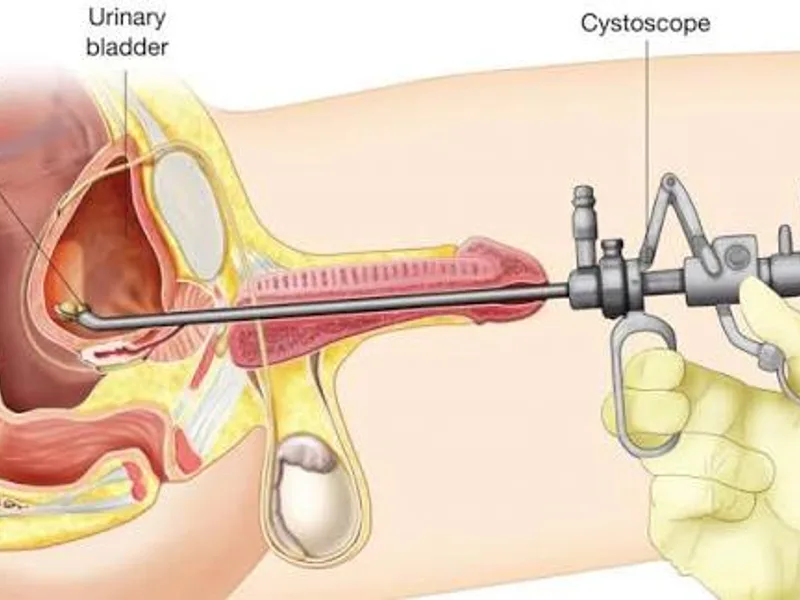
Dhanbad's network of qualified female surgeons — encompassing female urological surgeons, female general surgeons with endoscopic training, female laparoscopic surgeons, and female gynecological surgeons with urogynaecological expertise — is fully capable of managing bladder stone disease at every level of complexity. Cystolithotomy (the surgical removal of bladder stones) can be performed cystoscopically (transurethral cystolithotripsy — stone fragmentation via the cystoscope), laparoscopically, or by open surgery for very large stones. Consultation fees range from ₹200 to ₹520 per visit, with surgery costs depending on stone size, number, technique, and hospital. Full details follow below.
For appointments call 8877772277.
Average Cystolithotomy Surgery Cost in Dhanbad
Procedure | Cost Range | Hospital Stay |
|---|
Transurethral Cystolithotripsy (Cystoscopic Fragmentation) | ₹25,000 – ₹60,000 | Same Day / 1 Day |
Laser Cystolithotripsy | ₹35,000 – ₹75,000 | Same Day / 1 Day |
Laparoscopic Cystolithotomy | ₹50,000 – ₹95,000 | 2–3 Days |
Open Cystolithotomy | ₹45,000 – ₹85,000 | 3–5 Days |
Percutaneous Cystolithotomy (PCCL) | ₹40,000 – ₹80,000 | 1–2 Days |
Cystolithotomy + Bladder Outlet Surgery | ₹65,000 – ₹1,20,000 | 3–5 Days |
Emergency Cystolithotomy (Acute Retention) | ₹55,000 – ₹1,00,000 | 2–4 Days |
PMJAY Note: Bladder stone removal procedures are included under multiple Ayushman Bharat PMJAY surgical package codes. Eligible patients should present their PMJAY card at empanelled Dhanbad hospitals to confirm coverage before scheduling surgery.
Why This Surgery Is Performed
Bladder stones causing severe dysuria, suprapubic pain, or hematuria unresolved by conservative measures
Stones too large (>2 cm) to pass spontaneously or to be fragmented by shock wave lithotripsy
Stones causing acute urinary retention requiring emergency bladder decompression
Recurrent bladder stones associated with an underlying anatomical cause (diverticulum, outlet obstruction) requiring combined surgical correction
Stones formed around foreign bodies including non-absorbable sutures from previous pelvic surgery
Neurogenic bladder patients with persistent bladder calculi causing recurrent infection and declining renal function
Stones associated with urothelial irritation and suspected malignant change requiring concurrent bladder biopsy
Failed trial of medical dissolution therapy (applicable mainly to uric acid stones)
Stones causing vesicoureteral junction obstruction and secondary upper urinary tract dilatation
Bladder stones in women on long-term indwelling catheters requiring planned surgical clearance
Benefits of Cystolithotomy Surgery
Complete clearance of bladder stones provides immediate relief from pain, frequency, and hematuria
Transurethral and laser techniques require no external incision and allow same-day discharge
Simultaneous treatment of concurrent bladder pathology (biopsy, deroofing) in one session
Laparoscopic approach for large or multiple stones is less invasive than open cystolithotomy
Resolves the cycle of recurrent UTIs caused by stone-mediated bacterial colonization
Allows concurrent correction of the underlying cause (diverticulum, outlet obstruction)
Stone fragments sent for chemical analysis to guide long-term dietary and medical prevention
Significant improvement in bladder capacity and urinary flow post-operatively
Eliminates the risk of obstructive uropathy and secondary kidney damage
Restores quality of life rapidly — most patients notice dramatic symptom improvement within 1–2 weeks
Top Female Surgeons for Cystolithotomy Surgery in Dhanbad
Dr. Neetu Kumari Singh
Qualification: MBBS, MD (OBG), FMAS | Rating: ⭐ 4.7/5 | Reviews: 312
Experience: 18 Years | Consultation Fee: ₹300
Hospital: Alkari Devi Hospital, Bhuli | Landmark: Near Bhuli More
Experience Table
Area | Details |
|---|
Total Experience | 18 Years |
Surgeries Performed | 1,000+ |
Specialization | Urological & Pelvic Surgery |
Techniques | Cystoscopic, Laparoscopic, Open |
Average Surgery Cost: ₹28,000 – ₹65,000
Specialization Tags
Transurethral Cystolithotripsy Bladder Stone Removal Cystoscopic Urological Surgery Female Urology Laparoscopic Bladder Surgery
About Dr. Neetu Kumari Singh
For women in Bhuli and across northern Dhanbad seeking expert surgical management of bladder stones, Dr. Neetu Kumari Singh at Alkari Devi Hospital represents one of the most accessible and experienced options in the district. Her 18 years of surgical practice — anchored by an FMAS fellowship in minimal access surgery — have included extensive management of urological conditions in women, including bladder stone disease spanning the full complexity spectrum from small single stones removed cystoscopically to large multiple calculi requiring open or laparoscopic extraction.
Her pre-operative workup for bladder stones is thorough: she routinely orders a KUB X-ray, ultrasound abdomen and pelvis, and urine culture before proceeding, as active infection must be treated before instrumentation to prevent post-operative urosepsis. For complex cases, a CT scan with stone density assessment (Hounsfield units) and a cystourethroscopy under anesthesia precede formal stone removal to ensure the correct technique is selected.
Dr. Singh's preference for transurethral cystolithotripsy — fragmentation and evacuation of stones using an endoscopic resectoscope — means that most patients with stones under 3–4 cm are managed without any incision at all. For larger stones or those associated with bladder diverticula or foreign bodies, she transitions to laparoscopic or open cystolithotomy, always combining stone removal with correction of the underlying anatomical cause to reduce recurrence.
Following surgery, she provides each patient with a detailed stone prevention guide — including dietary modifications, fluid intake targets, and medication recommendations based on the stone's chemical composition. This post-surgical counseling significantly reduces recurrence rates in her patient cohort.
⭐ Patient Reviews
"I had a 3 cm bladder stone for months thinking it was a UTI. Dr. Singh removed it cystoscopically — same-day procedure, immediate relief." — Kamla Devi, Bhuli
"She found the stone on ultrasound when other doctors had missed it. Expert diagnosis and perfect surgery." — Rekha Singh, Dhanbad
"Detailed stone prevention advice given after surgery. I follow her dietary instructions and haven't had a recurrence in 18 months." — Sunita Mahato, Jharia
📅 Book Appointment | 🚨 Emergency: 8877772277
Dr. Neha Bajaj
Qualification: MBBS, MD, DNB, MRCOG, FIAGE | Rating: ⭐ 4.8/5 | Reviews: 198
Experience: 6+ Years | Consultation Fee: ₹500
Hospital: Kailash Hospital, Bartand | Landmark: Near Bartand Bus Stand
Average Surgery Cost: ₹38,000 – ₹80,000
Specialization Tags
Laser Cystolithotripsy Endoscopic Stone Removal Minimally Invasive Urology Female Bladder Surgery
About Dr. Neha Bajaj
Dr. Neha Bajaj's urogynaecological training — including her MRCOG (UK) and FIAGE fellowship — has equipped her with a sophisticated understanding of lower urinary tract disorders in women, including the management of bladder calculi. At Kailash Hospital in Bartand, she is among the first female surgeons in Dhanbad to offer holmium laser cystolithotripsy — a technique in which a holmium YAG laser fiber is passed through the cystoscope to fragment bladder stones into tiny dust-like particles that are then irrigated out, requiring no forceful mechanical manipulation.
Laser lithotripsy has several advantages over pneumatic or ultrasonic fragmentation: it is effective on stones of any composition, produces finer fragments that are easier to evacuate, and has a lower risk of bladder mucosal trauma. For women with harder calcium oxalate monohydrate or cystine stones that are resistant to other energy sources, laser cystolithotripsy is the most reliable endoscopic approach.
Her post-operative care includes metabolic stone workup — serum calcium, uric acid, oxalate, and citrate levels — to identify treatable metabolic causes of stone formation. For women with recurrent bladder stones, she offers a structured stone prevention program at Kailash Hospital that combines dietary counseling, pharmacological prevention, and regular surveillance ultrasound.
Patients traveling from neighboring areas such as surgery treatments in Dhanbad consistently receive comprehensive stone management under her care, with outcomes that compare favorably with major city urology centers.
⭐ Patient Reviews
"Laser stone fragmentation — completely painless procedure, home the same evening, no stones left inside." — Priya Verma, Bartand
"She did a metabolic workup after my stone removal. Found I had high urine calcium — now being treated to prevent recurrence." — Anjali Kumari, Dhanbad
"Excellent outcome and superb patient education on stone prevention." — Kavita Singh, Sindri
📅 Book Appointment | 🚨 Emergency: 8877772277
Dr. Komal Singh
Qualification: MBBS, MS (OBG) | Rating: ⭐ 4.9/5 | Reviews: 520
Experience: 25 Years | Consultation Fee: ₹300
Hospital: Tata Central Hospital, Bhaga | Landmark: Near Tata Hospital Campus
Average Surgery Cost: ₹30,000 – ₹70,000
Specialization Tags
Open Cystolithotomy Laparoscopic Stone Removal Emergency Bladder Surgery Senior Surgeon Complex Bladder Disease
About Dr. Komal Singh
Twenty-five years of surgical practice at Tata Central Hospital has given Dr. Komal Singh an unmatched breadth of experience in managing bladder stone disease in women — from the straightforward cystoscopic fragmentation of a small single calculus to complex open cystolithotomy combined with bladder diverticulum repair and urethral reconstruction in patients with long-standing obstructive uropathy.
Her greatest strength in this area is her clinical judgment in choosing the most appropriate surgical technique for each individual patient. She carefully factors in stone size, composition (based on imaging density), number, location relative to the bladder neck, and the presence of concurrent bladder pathology before selecting between transurethral fragmentation, laparoscopic, or open approaches.
In emergency presentations — particularly acute urinary retention caused by a stone lodging at the bladder neck — she is available around the clock through Tata Central Hospital's emergency surgical service and has extensive experience in rapid bladder decompression and stone relief. Her ₹300 consultation fee makes her services accessible to patients from all economic backgrounds.
⭐ Patient Reviews
"She removed a 4 cm bladder stone that other hospitals said needed open surgery — she did it laparoscopically." — Saroj Devi, Bhaga
"Emergency retention at midnight — she operated within 2 hours. Life-saving." — Nirmala Mahato, Dhanbad
"25 years of experience means she has seen every type of bladder stone. My case was complex and she handled it perfectly." — Geeta Singh, Katras
📅 Book Appointment | 🚨 Emergency: 8877772277
Dr. Isha Rani Mishra | Dr. Radhika Mohan | Dr. Aparajita Sinha | Dr. Rina Kumari | Dr. Sweta | Dr. Diksha Mani | Dr. Archana Kumari
All remaining seven doctors perform cystolithotomy procedures — including transurethral fragmentation, laser lithotripsy, laparoscopic, and open approaches — at their respective hospitals across Dhanbad. Surgery costs range from ₹25,000 to ₹1,00,000 depending on procedure complexity. All maintain strong patient satisfaction ratings of 4.5–4.9 stars. Call 8877772277 for detailed consultation and appointment scheduling.
📅 Book Appointment | 🚨 Emergency: 8877772277
Recovery After Cystolithotomy Surgery
Transurethral Cystolithotripsy (Same Day): Patients are discharged 3–6 hours post-procedure. A catheter may remain for 24–48 hours. Pink-tinged urine is normal for 2–5 days. Abundant fluid intake — 2–3 liters daily — is mandatory to flush stone fragments. Mild dysuria resolves within 3–5 days.
Laparoscopic Cystolithotomy: Hospital stay of 2–3 days. Catheter remains for 3–5 days post-surgery to allow the bladder incision to heal. Light activities resume at 2–3 weeks. Strenuous activity, heavy lifting, and intercourse avoided for 4–6 weeks.
Open Cystolithotomy: Hospital stay of 3–5 days. Catheter remains 5–7 days. Full recovery typically takes 6–8 weeks. Wound care instructions are provided at discharge. Office work may resume at 3–4 weeks.
Diet and Fluids: Irrespective of surgical approach, high fluid intake is essential post-operatively. Dietary modifications based on stone composition (low oxalate for calcium oxalate stones, low purine for uric acid stones, adequate calcium for hypercalciuric stones) are provided by the surgeon based on stone analysis.
Follow-Up: Urine culture at 2 weeks, ultrasound to confirm stone clearance at 4–6 weeks, stone composition analysis report discussion, and metabolic workup completion all occur within the first 6–8 weeks post-surgery.
Warning Signs:
Fever above 38°C beyond 48 hours post-procedure (possible urosepsis)
Heavy frank blood in urine beyond Day 5
Complete inability to urinate despite adequate hydration
Severe persistent suprapubic pain
Cloudy, pungent-smelling urine suggesting untreated infection
Risks and Complications
Post-operative urinary tract infection or urosepsis (particularly if pre-operative culture was not done)
Urethral injury during cystoscopic instrumentation
Bladder perforation — rare but recognized risk of transurethral stone manipulation
Incomplete stone clearance requiring repeat procedure or additional session
Post-procedure hematuria requiring bladder irrigation
Temporary urinary retention from clot formation or edema
Urethral stricture — late complication of repeated cystoscopic procedures
Conversion from laparoscopic to open surgery in complex cases
Recurrence of bladder stones if underlying cause not corrected
Standard anesthetic risks
❓ Frequently Asked Questions – Female Cystolithotomy Surgery in Dhanbad
1. What is cystolithotomy?
Cystolithotomy is the surgical removal of stones from the urinary bladder. It can be performed transurethral (cystoscopically — through the urethra, no incision), laparoscopically (keyhole), or by open surgery depending on stone size, number, and associated conditions.
2. Why do women develop bladder stones?
Women develop bladder stones most commonly due to bladder outlet obstruction, neurogenic bladder dysfunction, recurrent urinary tract infections causing urinary stasis, prolapse causing incomplete emptying, or foreign bodies (non-absorbable sutures from pelvic surgery). Metabolic conditions such as hypercalciuria and hyperuricosuria also contribute.
3. Can bladder stones pass on their own in women?
Very small stones (under 5 mm) may pass spontaneously with high fluid intake. Larger stones, or those causing obstruction, infection, or pain, require surgical intervention as they will not pass naturally.
4. Is cystoscopic stone removal possible for large stones?
Transurethral cystolithotripsy can manage stones up to approximately 3–4 cm effectively. Larger stones, multiple large calculi, or those with very high Hounsfield unit density may require laparoscopic or open cystolithotomy for complete clearance.
5. How long does the surgery take?
Transurethral cystolithotripsy takes 30–60 minutes for a single stone. Multiple or large stones may require 60–120 minutes. Open or laparoscopic surgery takes 60–180 minutes depending on stone burden.
6. What is stone analysis and why is it done?
Stone fragments retrieved during surgery are sent to the laboratory for chemical composition analysis. This identifies whether the stone is calcium oxalate, uric acid, struvite, cystine, or mixed type — information that guides specific dietary advice and medical prevention to reduce recurrence risk.
7. Can bladder stones recur after surgery?
Yes — recurrence risk depends on the underlying cause. Stones caused by metabolic abnormalities or untreated bladder outlet obstruction are highly likely to recur if the underlying condition is not addressed. Recurrence rates with concurrent treatment of the cause and appropriate dietary modification are significantly lower.
8. Is there a non-surgical option for bladder stones?
Medical dissolution therapy works only for pure uric acid stones (using oral alkalinization with potassium citrate). All other stone types require mechanical fragmentation or surgical extraction, as no chemical agent dissolves calcium oxalate, struvite, or cystine stones effectively.
9. Are experienced specialist doctors in Dhanbad available for laser bladder stone surgery?
Yes. Dr. Neha Bajaj at Kailash Hospital and several other featured surgeons offer laser cystolithotripsy as a minimally invasive bladder stone treatment option in Dhanbad. Consultation fees start from ₹300.
10. What dietary changes help prevent bladder stone recurrence?
Drink a minimum of 2–3 liters of water daily; reduce salt intake; limit animal protein; reduce oxalate-rich foods (spinach, nuts, chocolate) for calcium oxalate stones; reduce purine-rich foods (red meat, organ meats, shellfish) for uric acid stones. Your surgeon will provide personalized dietary advice based on stone analysis results.
11. What happens if a bladder stone is left untreated?
Untreated bladder stones grow larger over time, cause increasingly severe symptoms, damage the bladder wall (causing urothelial irritation and possible malignant change), block the ureters causing secondary kidney damage, and predispose to recurrent severe urinary infections. Early treatment is always recommended.
12. How much does cystolithotomy cost in Dhanbad?
Transurethral cystolithotripsy costs approximately ₹25,000–₹60,000. Laser lithotripsy ranges from ₹35,000–₹75,000. Laparoscopic cystolithotomy costs ₹50,000–₹95,000. Open surgery: ₹45,000–₹85,000. PMJAY coverage is available at empanelled hospitals.
Cost Summary
Transurethral cystolithotripsy: ₹25,000 – ₹60,000
Laser cystolithotripsy: ₹35,000 – ₹75,000
Laparoscopic cystolithotomy: ₹50,000 – ₹95,000
Open cystolithotomy: ₹45,000 – ₹85,000
Emergency cystolithotomy: ₹55,000 – ₹1,00,000
Consultation fees: ₹200 – ₹520
Stone composition analysis: typically ₹500–₹2,000 (laboratory)
PMJAY coverage available at eligible Dhanbad hospitals
Conditions Treated by Cystolithotomy Surgery in Dhanbad
• Primary Bladder Calculi
Primary bladder stones form directly in the bladder — typically in women with concentrated urine, low fluid intake, or metabolic hypersaturation. They are managed by transurethral fragmentation for smaller stones and laparoscopic or open removal for larger calculi.
• Secondary Bladder Calculi (from Kidney)
Stones that migrate from the kidney through the ureter and lodge in the bladder instead of passing through the urethra are called secondary bladder stones. These are often initially small but can grow significantly in the bladder environment and require surgical removal.
• Bladder Stones Secondary to Neurogenic Bladder
Women with neurogenic bladder — due to spinal cord injury, multiple sclerosis, or diabetic neuropathy — have impaired bladder emptying that creates conditions for recurrent stone formation. Cystolithotomy combined with management of the neurogenic bladder (CISC training, anticholinergic medication) is the treatment approach.
• Bladder Stones from Foreign Bodies
Non-absorbable suture material from previous pelvic or bladder surgery that erodes into the bladder acts as a nidus for stone formation. Cystoscopic removal of the foreign body and stone fragmentation is the definitive treatment.
• Bladder Stones in Bladder Diverticula
Stones forming within bladder diverticula — pouches in the bladder wall — cannot be managed by transurethral fragmentation alone, as the diverticular neck may prevent passage of fragments. Laparoscopic or open cystolithotomy with concurrent diverticulum excision is required.
• Struvite (Infection) Bladder Stones
These stones form in alkaline urine produced by urease-producing bacteria (most commonly Proteus and Klebsiella). They grow rapidly and are associated with chronic urinary infection. Complete surgical clearance combined with long-term antibiotic therapy is required to prevent recurrence.
• Uric Acid Bladder Stones
Formed in acidic urine with high uric acid concentration — common in women with gout, metabolic syndrome, or diets high in purines. These are the only stones potentially manageable without surgery using oral alkalinization, but larger uric acid stones require cystoscopic fragmentation.
• Calcium Oxalate Bladder Stones
The most common stone composition overall. Hard, rough-surfaced calcium oxalate stones cause significant mucosal irritation and hematuria. Holmium laser lithotripsy is particularly effective for these hard stones due to its ability to fragment any stone composition.
• Bladder Stones in Elderly Women with Prolapse
Pelvic organ prolapse — particularly cystocele — in elderly women impairs complete bladder emptying, creating residual urine pools where stone crystallization occurs. Cystolithotomy combined with prolapse repair provides comprehensive treatment.
• Recurrent Bladder Calculi
Women with recurrent bladder stone formation despite previous surgical treatment require a thorough metabolic, anatomical, and dietary evaluation. Targeted cystolithotomy combined with correction of any identified anatomical abnormality and metabolic medical management offers the best chance of long-term stone freedom.
Why Choose a Female Surgeon in Dhanbad
Bladder and urinary conditions in women are often discussed only reluctantly, and the idea of a cystoscopic examination — passing a camera through the urethra — can feel deeply daunting to many female patients. The presence of female surgeons in Dhanbad who are experienced in cystoscopic and urological surgery has made a measurable difference in the willingness of women to seek timely evaluation and treatment for bladder stone disease.
Female surgeons performing cystolithotomy in Dhanbad bring to the procedure not only their technical surgical skill but also an understanding of the particular anxieties that accompany intimate urological procedures. Patients consistently describe feeling more comfortable, more willing to ask questions, and more confident in their consent when their surgeon is female. This comfort translates directly into better surgical outcomes — because patients who are relaxed, well-informed, and trusting of their surgeon participate more actively in their own recovery.
Conclusion
Bladder stones in women are entirely treatable — and in Dhanbad, they can now be treated by experienced, compassionate female surgeons using the most modern techniques available, from same-day laser lithotripsy to laparoscopic cystolithotomy. There is no reason for any woman in Dhanbad to continue living with the pain, infection, and disruption of an untreated bladder stone.
The ten female surgeons in this guide practice across the full geographical spread of Dhanbad — from Bhuli to Bartand to Saraidhela — with consultation fees starting at ₹200. Comprehensive advanced surgical care for bladder stones, including stone clearance and prevention programs, is available through these doctors for every patient and every budget.
📞 For appointments call 8877772277.