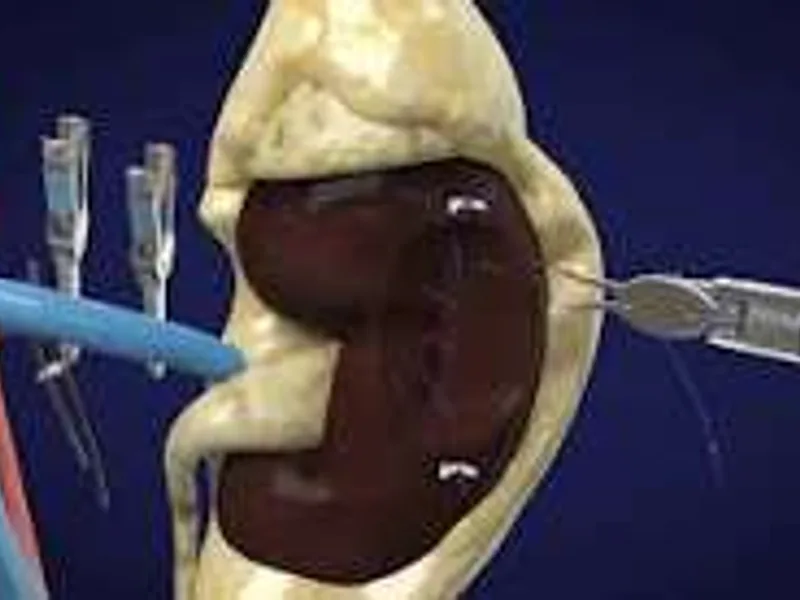
Female Nephrectomy for Pyonephrosis Surgery in Dhanbad
What You Must Know Before Choosing a Surgeon
Pyonephrosis is a serious medical condition in which the kidney's collecting system becomes filled with pus, usually as a result of a severe infection combined with obstruction of normal urine flow. It is considered a medical emergency, as the affected kidney can rapidly lose function and the infection can spread into the bloodstream if not treated promptly. In situations where the kidney has been severely and irreversibly damaged by this process, nephrectomy — surgical removal of the affected kidney — may become necessary to protect the patient's overall health. For women in Dhanbad facing this diagnosis, access to experienced, compassionate female surgeons can make an enormous difference during what is often a frightening and urgent time.
Dhanbad is home to a number of skilled female general surgeons, female laparoscopic surgeons, female urological surgeons, and female emergency surgeons who are equipped to manage both the urgent aspects of pyonephrosis and, when necessary, the surgical removal of a severely damaged kidney. Because pyonephrosis often presents suddenly with severe symptoms, having access to specialists who can act quickly — while still taking the time to explain the situation clearly to patients and families — is essential. Many women specifically seek out female surgeons for procedures involving the urinary tract, and Dhanbad's hospitals have responded with a strong roster of experienced professionals across the city.
Pyonephrosis typically develops when a kidney stone, a stricture (narrowing) in the ureter, a tumour, or another structural abnormality blocks the normal flow of urine from the kidney, while at the same time, a bacterial infection takes hold within the trapped urine. Because the infected urine cannot drain, it accumulates and effectively becomes an abscess within the kidney's collecting system. Common symptoms include high fever with chills (often with dramatic spikes), severe flank or back pain on the affected side, nausea and vomiting, a general feeling of being acutely unwell, and sometimes cloudy or foul-smelling urine, though in cases of complete obstruction, urine output from the affected kidney may be minimal. Risk factors include a history of kidney stones, untreated urinary tract infections, structural abnormalities of the urinary tract, diabetes (which increases infection risk), and previous urinary tract surgeries that may have led to scarring or strictures. If not treated urgently, pyonephrosis can lead to sepsis (a life-threatening bloodstream infection), permanent loss of function in the affected kidney, and in severe cases, can become life-threatening.
The first step in managing pyonephrosis is almost always urgent drainage of the infected urine — typically through a procedure called percutaneous nephrostomy, where a drainage tube is placed directly into the kidney through the skin, combined with intravenous antibiotics to control the infection. This emergency drainage relieves pressure, controls the infection, and stabilises the patient. Once the acute infection is controlled, doctors assess whether the affected kidney has retained any meaningful function. If imaging and function tests show that the kidney has been irreversibly damaged — often described as a "non-functioning" kidney — and the other kidney is healthy, nephrectomy may be recommended to remove the source of recurrent infection risk and prevent ongoing health complications from a non-functioning, potentially infected organ. The benefit of proceeding with nephrectomy in these cases is that it removes a kidney that can no longer contribute to the body's filtration needs and that may otherwise remain a persistent source of infection, pain, or other complications.
If you or a loved one is dealing with a suspected kidney infection with severe symptoms, it's important to seek urgent medical attention. For ongoing evaluation and surgical planning afterward, consulting with trusted surgeons in Dhanbad can help ensure a clear understanding of the condition and the recommended treatment path.
Consultation fees for the doctors listed in this article range from approximately ₹200 to ₹520 for routine consultations, though pyonephrosis itself is typically managed as an emergency or urgent inpatient admission rather than through a scheduled OPD visit. Most clinics maintain regular OPD hours from around 9:00 AM to 1:00 PM and 5:00 PM to 8:00 PM for follow-up and related consultations. The overall cost of nephrectomy surgery for pyonephrosis in Dhanbad — including emergency drainage, hospital stay, the nephrectomy procedure itself, and post-operative care — generally ranges from ₹1,20,000 to ₹2,50,000 depending on the surgical approach and the complexity of the case. Given the urgent nature of this condition, immediate medical attention takes priority over researching reviews, but for follow-up care and any planned procedures, reviewing verified patient experiences can still provide helpful context.
For appointments call 8877772277.
Average Nephrectomy for Pyonephrosis Surgery Cost in Dhanbad
The cost of nephrectomy for pyonephrosis in Dhanbad depends heavily on the urgency of presentation, whether emergency drainage is required first, the surgical approach (open vs. laparoscopic), and the length of hospital stay, which can be extended in cases involving significant infection.
Procedure | Cost Range | Hospital Stay |
Emergency percutaneous nephrostomy (initial drainage) | ₹25,000 – ₹45,000 | 2–4 days (often ICU) |
Open nephrectomy (simple) | ₹1,20,000 – ₹1,70,000 | 6–10 days |
Laparoscopic nephrectomy | ₹1,50,000 – ₹2,20,000 | 4–7 days |
Complex/complicated nephrectomy (severe infection, adhesions) | ₹1,80,000 – ₹2,50,000 | 8–14 days |
Pre-operative workup (CT scan, renal function tests, blood cultures) | ₹8,000 – ₹20,000 | Day care/inpatient |
ICU care (commonly required due to infection severity) | ₹5,000 – ₹10,000 per day | As needed |
Post-operative follow-up visits and imaging | ₹1,000 – ₹3,000 per visit | Not applicable |
💡 PMJAY Note: Given the emergency nature of pyonephrosis and the potential need for nephrectomy, patients covered under the Pradhan Mantri Jan Arogya Yojana (Ayushman Bharat) scheme may be eligible for cashless treatment at empanelled hospitals in Dhanbad. Because emergency admissions often require rapid processing, families are encouraged to inform the hospital's PMJAY desk about coverage as early as possible during admission.
Why Nephrectomy for Pyonephrosis Is Performed
Irreversible Tissue Loss: To remove a kidney that has become completely non-functioning due to severe, prolonged infection and obstruction.
Sepsis Prevention: To eliminate a persistent source of infection that could otherwise lead to recurrent sepsis.
Refractory Pain: To address cases where the infected kidney continues to cause pain or systemic illness despite drainage and antibiotics.
Systemic Safeguard: To prevent long-term health complications associated with retaining a non-functioning, potentially infected organ.
Structural Destruction: To manage cases where structural damage from chronic obstruction has destroyed the kidney's filtering tissue beyond recovery.
Calculus Complications: To address pyonephrosis associated with a large, complex kidney stone (staghorn calculus) that has caused irreversible damage.
Chronic Inflammation: To remove a kidney severely affected by xanthogranulomatous pyelonephritis, a chronic destructive infection of the kidney.
Contralateral Protection: To treat cases where the affected kidney poses an ongoing risk to the function of the healthy kidney through systemic infection.
Recurrent Treatment Failure: To resolve cases where repeated episodes of infection in the same kidney have failed to respond to less invasive treatments.
Quality of Life Improvement: To improve overall quality of life and reduce hospital readmissions in patients with a chronically infected, non-functioning kidney.
Benefits of Nephrectomy for Pyonephrosis Surgery
Definitive Cure: Definitive removal of the source of recurrent, severe infections originating from the affected kidney.
Reduced Sepsis Risk: Significantly minimized risk of life-threatening bloodstream infections associated with a chronically infected organ.
Symptomatic Relief: Relief from chronic, debilitating flank pain associated with the diseased kidney.
Fewer Hospitalizations: Prevents the need for repeated emergency hospital admissions for acute infection management.
Workload Optimization: Allows the body to focus its filtering function on the remaining healthy kidney, which typically adapts and compensates effectively.
Advanced Access Option: Laparoscopic approaches, where suitable, offer smaller incisions and generally faster recovery than traditional open surgery.
Psychological Relief: Removes the constant psychological burden of living with a chronically infected, non-functioning organ.
Decreased Drug Dependency: Reduces long-term antibiotic dependency that may otherwise be required to suppress recurrent infections.
Comprehensive Clearance: Can be combined with the removal of associated structures (such as a severely diseased ureter) in the same procedure if clinically required.
Structured Recovery Path: Provides a clear, definitive surgical solution after the acute infection phase has been successfully brought under medical control.
Top Female Surgeons for Nephrectomy (Pyonephrosis) Surgery in Dhanbad
Below is a directory of experienced female doctors in Dhanbad who can be consulted for evaluation and ongoing management related to kidney infections and urological surgical needs, including cases that may require nephrectomy. In emergencies involving suspected pyonephrosis, patients should seek immediate hospital admission rather than waiting for a scheduled consultation; the doctors listed below can be contacted for urgent evaluation, follow-up care, and surgical planning. Please contact the hospital directly to confirm availability and emergency protocols.
Dr. Neetu Kumari Singh
Qualification: MBBS, MD (Obstetrics & Gynaecology), FMAS
Experience: 18 Years
Consultation Fee: ₹300
Hospital: Alkari Devi Hospital
Address: Bhuli, Dhanbad, Jharkhand
Landmark: Near Bhuli More
Dr. Neha Bajaj
Qualification: MBBS, MD, DNB, MRCOG, FIAGE
Experience: 6+ Years
Consultation Fee: ₹500
Hospital: Kailash Hospital
Address: Housing Colony, Bartand, Dhanbad
Landmark: Near Bartand Bus Stand
Dr. Komal Singh
Qualification: MBBS, MS (Obstetrics & Gynaecology)
Experience: 25 Years
Consultation Fee: ₹300
Hospital: Tata Central Hospital
Address: Bhaga, Dhanbad
Landmark: Near Tata Hospital Campus
Dr. Isha Rani Mishra
Qualification: MBBS, MS (OBG)
Experience: 11 Years
Consultation Fee: ₹500
Hospital: Citizens Medical Centre
Address: Bhuli, Dhanbad
Landmark: Near Citizens Medical Centre
Dr. Radhika Mohan
Qualification: MBBS, MS (Obstetrics & Gynaecology)
Experience: 7 Years
Consultation Fee: ₹500
Hospital: Asarfi Hospital
Address: Hirapur, Dhanbad
Landmark: Near Asarfi Hospital Main Gate
Dr. Aparajita Sinha
Qualification: MBBS, MS (OBG)
Experience: 7 Years
Consultation Fee: ₹450
Hospital: Private Women's Clinic
Address: Dhanbad City
Landmark: Near City Centre
Dr. Rina Kumari
Dr. Sweta
Qualification: MBBS, DGO, DNB
Experience: 10+ Years
Consultation Fee: ₹500
Hospital: Asian Dwarkadas Jalan Hospital
Address: Saraidhela, Dhanbad
Landmark: Near ADJ Hospital
Dr. Diksha Mani
Qualification: MBBS, DNB Obstetrics & Gynaecology
Experience: 10+ Years
Consultation Fee: ₹520
Hospital: Asarfi Hospital
Address: Hirapur, Dhanbad
Landmark: Near Asarfi Hospital
Dr. Archana Kumari
📅 To book an appointment with any of the above specialists, contact the hospital reception directly. For suspected pyonephrosis or any severe kidney infection symptoms, proceed to the nearest hospital emergency department immediately.
🚨 Emergency: 8877772277
For patients requiring advanced surgical care for complex kidney conditions, discussing the full scope of available surgical options — including both emergency drainage procedures and definitive surgical solutions — with your treating team can help ensure a coordinated approach to care.
Recovery After Nephrectomy for Pyonephrosis Surgery
Recovery from nephrectomy performed for pyonephrosis tends to be more involved than recovery from elective procedures, partly because patients are often recovering from both the acute infection itself and major abdominal or retroperitoneal surgery.
Immediate Post-Operative Period (Days 1–5)
Patients are typically monitored closely in the hospital, often in an ICU or high-dependency unit initially, particularly if they were significantly unwell from infection before surgery. Pain management, intravenous fluids, and continued antibiotics are standard during this period. A surgical drain may be placed near the operative site to monitor for any fluid collection and is usually removed within a few days once output decreases. Mobility is encouraged as soon as safely possible to reduce the risk of blood clots and support overall lung recovery.
Early Recovery (Days 6–14)
As the surgical site heals and infection markers improve, patients are gradually transitioned to a general ward and then prepared for discharge. Pain typically decreases significantly during this period, though some discomfort at the incision site is normal. Patients are encouraged to increase activity gradually — starting with short walks and progressing as tolerated, while avoiding any heavy lifting or strenuous movement.
Diet & Hydration
A gradual return to a normal diet is typical, starting with light, easily digestible foods and progressing as appetite and digestion normalise. Adequate protein intake supports wound healing, while staying well-hydrated supports the remaining kidney's function. Patients are generally advised to avoid excessive salt intake, particularly in the weeks following surgery, to support healthy blood pressure regulation as the body adjusts to functioning with one kidney.
Activity Restrictions
Heavy lifting, strenuous exercise, and contact sports should be avoided for at least 6–8 weeks to allow the surgical site to heal fully, particularly important given the larger incision often involved in an open nephrectomy compared to other urological procedures. Driving should be avoided until the patient is off strong pain medication and feels confident in their movement. Return to work depends heavily on the nature of the job and the individual's overall recovery — desk-based work may be possible within 3–4 weeks, while physically demanding jobs may require 8 weeks or more.
Follow-up Routine
Follow-up appointments are typically more frequent after nephrectomy for pyonephrosis compared to elective surgeries, given the need to monitor both wound healing and the function of the remaining kidney. An initial follow-up is usually scheduled around 2 weeks after discharge, with subsequent visits to monitor kidney function through blood tests (checking creatinine and overall renal function) and to ensure the surgical site has healed without complications. Long-term follow-up typically includes periodic kidney function monitoring, as the remaining kidney takes on the full filtering workload.
Warning Signs to Watch For
Patients should seek prompt medical attention if they experience:
Fever or chills
Increasing pain at the surgical site
Redness, swelling, or discharge from the incision
Significant changes in daily urine output
Swelling in the legs or around the eyes (indicating changes in filtration)
Any signs of a new systemic infection
Given that the remaining kidney is now solely responsible for filtration, any concerning symptoms should be evaluated promptly rather than waiting for a scheduled visit. Most patients see significant improvement in their overall energy and wellbeing within 4–6 weeks as the body adjusts to functioning with one kidney, with the remaining kidney typically compensating well over the following months.
Risks and Complications
Bleeding during or after surgery, which can be significant given the kidney's rich blood supply, occasionally requiring transfusion.
Infection at the surgical site or recurrence of systemic infection if not fully controlled before surgery.
Injury to nearby organs (such as the spleen, liver, bowel, or major blood vessels) during surgery, particularly in cases with significant inflammation or scarring from chronic infection.
Pneumonia or other respiratory complications, particularly in patients who were significantly unwell before surgery.
Blood clots (deep vein thrombosis) due to reduced mobility during recovery.
Hernia formation at the incision site over the longer term, particularly with open surgical approaches.
Reduced kidney function over time, requiring monitoring of the remaining kidney's filtering capacity.
Prolonged hospital stay if infection control takes longer than expected.
Anaesthesia-related risks, which are carefully assessed given that patients may be recovering from significant infection.
Need for conversion from laparoscopic to open surgery in cases where extensive scarring or inflammation is found during the procedure.
❓ Frequently Asked Questions – Female Nephrectomy for Pyonephrosis Surgery in Dhanbad
1. What is pyonephrosis and why is it considered an emergency?
Pyonephrosis occurs when the kidney's collecting system fills with pus due to a combination of infection and blockage of normal urine flow. It's considered a medical emergency because the trapped infected fluid can rapidly spread into the bloodstream, causing sepsis, and can also destroy kidney tissue very quickly. Immediate hospital evaluation, drainage, and antibiotic treatment are essential to prevent life-threatening complications.
2. Why would the kidney need to be removed entirely?
If the kidney has been so severely damaged by prolonged infection and obstruction that it no longer contributes meaningfully to filtering the blood — referred to as a "non-functioning" kidney — and continues to pose a risk of recurrent infection, removing it (nephrectomy) can prevent ongoing health problems, provided the other kidney is functioning well enough to take over.
3. Is the first treatment always surgery to remove the kidney?
No. The first step in managing pyonephrosis is almost always urgent drainage of the infected fluid, typically through a tube placed directly into the kidney (percutaneous nephrostomy), combined with antibiotics. Nephrectomy is generally only considered afterward, once the infection is controlled and tests confirm that the kidney has lost meaningful function permanently.
4. How is it determined whether the kidney has permanently lost function?
Doctors typically use imaging studies (such as CT scans) and kidney function scans (like a DMSA or DTPA renal scan) to assess how much each kidney is contributing to overall kidney function. If the affected kidney is found to contribute very little or nothing, and this is unlikely to improve, nephrectomy may be recommended.
5. Can I live a normal life with one kidney?
Yes. Many people live full, healthy lives with a single functioning kidney, as the remaining kidney typically adapts and compensates for the lost kidney's workload over time. Regular monitoring of kidney function through blood tests is generally recommended as a precaution.
6. What surgical approach is used for nephrectomy?
Nephrectomy can be performed through an open incision or laparoscopically (using small incisions and a camera). The choice depends on factors like the extent of infection-related scarring, the size of the kidney, and the surgeon's assessment. In cases with significant inflammation from chronic infection, an open approach may sometimes be necessary even if laparoscopic surgery was initially planned.
7. How long is the hospital stay for this surgery?
Hospital stays for nephrectomy performed for pyonephrosis tend to be longer than for elective kidney surgeries, often ranging from 4 to 14 days depending on the surgical approach and how well the infection responds to treatment.
8. What does recovery involve after this surgery?
Recovery involves a period of monitoring in the hospital, gradual return to normal activity over several weeks, and follow-up blood tests to monitor the remaining kidney's function. Most patients see significant improvement in overall wellbeing within 4–6 weeks, though full recovery from a larger incision (in open surgery) can take longer.
9. Will I need dialysis after this surgery?
For most patients, the remaining kidney is sufficient to maintain normal kidney function without the need for dialysis, provided it was healthy before surgery. Your medical team will assess your kidney function before recommending surgery to ensure the remaining kidney can adequately support your body's needs.
10. What caused the pyonephrosis in the first place?
Common causes include kidney stones that block urine flow, strictures (narrowings) in the ureter, and in some cases, structural abnormalities present from birth. Identifying the underlying cause is important, particularly to ensure the remaining kidney isn't at risk of developing similar issues.
11. Is this condition more common in women with certain risk factors?
Women with a history of recurrent kidney stones, untreated urinary tract infections, diabetes, or previous urinary tract surgeries may have an increased risk of developing pyonephrosis. Prompt treatment of urinary infections and kidney stones can help reduce this risk.
12. How urgent is treatment if pyonephrosis is suspected?
Extremely urgent. Symptoms like high fever with chills, severe flank pain, and feeling acutely unwell should prompt immediate evaluation at a hospital emergency department, as delays in treatment can lead to sepsis and rapid kidney damage.
13. What is the cost of nephrectomy for pyonephrosis in Dhanbad?
Costs vary significantly based on the urgency of presentation, the need for prior drainage procedures, the surgical approach, and length of hospital stay (often extended due to infection management), generally ranging from ₹1,20,000 to ₹2,50,000.
14. Will I need long-term follow-up after this surgery?
Yes, periodic kidney function monitoring through blood tests is generally recommended on an ongoing basis to ensure the remaining kidney continues to function well over the years.
15. How can I find the right specialist for ongoing care after this surgery?
For follow-up care and long-term monitoring, consulting with specialist doctors in Dhanbad who can coordinate kidney function monitoring and address any ongoing concerns is an important part of long-term recovery and health maintenance.
Cost Summary
Emergency percutaneous nephrostomy (initial drainage): Typically costs ₹25,000 to ₹45,000.
Open nephrectomy for pyonephrosis: Generally ranges from ₹1,20,000 to ₹1,70,000.
Laparoscopic nephrectomy (where suitable): Ranges from ₹1,50,000 to ₹2,20,000.
Complex cases (significant infection-related scarring): Can cost ₹1,80,000 to ₹2,50,000.
Pre-operative diagnostic workup (CT imaging, cultures): Adds approximately ₹8,000 to ₹20,000.
ICU care (frequently required due to severity): Adds ₹5,000 to ₹10,000 per day.
PMJAY/Ayushman Bharat: Beneficiaries should inform the hospital's PMJAY desk as early as possible during emergency admission to facilitate cashless treatment where eligible.
Always request a clear, itemised estimate as the situation stabilises, covering surgeon's fee, ICU charges, OT charges, and follow-up care.
Conditions Treated by Nephrectomy for Pyonephrosis Surgery in Dhanbad
• Pyonephrosis
The primary condition addressed by this surgery, pyonephrosis involves a kidney filled with infected fluid (pus) due to obstruction and severe infection. When the kidney is irreversibly damaged, nephrectomy removes the affected organ to prevent ongoing infection risk.
• Non-Functioning Kidney Due to Chronic Obstruction
Long-standing obstruction — from stones, strictures, or other causes — can lead to a kidney that no longer filters blood effectively. When function cannot be restored, nephrectomy removes the non-contributing organ.
• Staghorn Calculus with Kidney Destruction
A staghorn calculus is a large kidney stone that fills much of the kidney's collecting system, often leading to chronic infection and progressive kidney damage. In cases of severe destruction, nephrectomy may be the most appropriate treatment.
• Xanthogranulomatous Pyelonephritis
This is a rare but serious chronic kidney infection that causes progressive destruction of kidney tissue, often associated with obstruction. Because the affected tissue typically cannot be restored, nephrectomy is frequently the recommended treatment.
• Recurrent Pyelonephritis with Renal Scarring
Repeated episodes of kidney infection can lead to extensive scarring over time. In cases where this has resulted in a non-functioning kidney that continues to cause symptoms, removal may be considered.
• Ureteral Stricture with Secondary Kidney Damage
A narrowing in the ureter can cause urine to back up into the kidney, leading to infection and progressive damage if not corrected in time. When this results in irreversible kidney damage, nephrectomy addresses the affected organ.
• Congenital Urinary Tract Abnormalities with Infection
Some structural abnormalities present from birth can predispose a kidney to recurrent infection and obstruction. In cases of severe, irreversible damage, nephrectomy may be part of the overall management plan.
• Renal Abscess with Kidney Destruction
A severe, localised infection within the kidney (renal abscess) that has caused extensive tissue destruction and doesn't respond to drainage and antibiotics may require nephrectomy as a definitive treatment.
• Post-Surgical Complications Leading to Chronic Infection
In rare cases, complications from previous urinary tract surgeries can lead to chronic infection in a kidney that has lost significant function. Nephrectomy may be considered after thorough evaluation of the remaining kidney's adequacy.
• Hydronephrosis with Superimposed Infection
Severe, longstanding swelling of the kidney due to obstruction (hydronephrosis), when combined with infection, can progress to pyonephrosis. If the resulting damage is irreversible, nephrectomy may be the recommended course of treatment.
Why Choose a Female Surgeon in Dhanbad
Facing a diagnosis as serious as pyonephrosis, and the possibility of needing kidney removal surgery, can be an overwhelming experience for any patient. During such a stressful time, the relationship between a patient and her surgical team matters enormously — not just in terms of clinical skill, but in how clearly information is communicated and how supported a patient feels throughout the process. Many women find that consulting with a female surgeon brings a sense of comfort during conversations about a deeply personal and often frightening health situation.
Dhanbad's female surgeons bring a range of experience across general surgery, gynaecology, and emergency care, giving them the breadth of clinical knowledge needed to manage complex cases like pyonephrosis, which often require coordination between emergency drainage procedures, infection management, and surgical planning. This kind of comprehensive, coordinated care is especially important in urgent situations, where clear communication between different aspects of treatment can significantly affect outcomes.
The city's hospitals — including larger facilities like Tata Central Hospital and Asarfi Hospital, as well as other established centres — are equipped to handle both the emergency aspects of pyonephrosis, such as urgent drainage and ICU care when needed, and the surgical planning that follows once the acute infection is under control. Having access to this level of care locally means that women in Dhanbad facing this kind of urgent diagnosis don't need to travel to other cities during what is already a stressful time.
While the urgency of pyonephrosis often means there isn't time for an extended search for the "right" surgeon in the way there might be for an elective procedure, patients and families should feel empowered to ask questions, request clear explanations of the situation, and seek a second opinion for non-emergency follow-up decisions if they feel it would help them feel more confident in the path forward.
Conclusion
Pyonephrosis is a serious condition representing a true medical emergency that requires immediate attention. While the prospect of needing a nephrectomy can understandably feel daunting, it's important to understand that this surgery is typically considered only after careful evaluation confirms that the affected kidney has been irreversibly damaged and that the remaining kidney is healthy enough to support the body's needs on its own — a situation that most people adapt to well over time.
If you or someone you know experiences symptoms like sudden high fever with chills and severe flank pain, seeking emergency medical care immediately is the most important step — this isn't a condition that benefits from waiting to "see if it gets better." Once the acute situation is stabilised, a clear conversation with your surgical team about the condition of the affected kidney and the recommended next steps can help guide decisions about whether nephrectomy is the right path forward.
Dhanbad's network of experienced female doctors, supported by hospitals equipped for both emergency care and surgical procedures in Dhanbad, means that women facing this difficult diagnosis have access to coordinated, comprehensive care close to home. While this is a serious condition, the outlook after successful treatment — including nephrectomy when necessary — is generally good, with most patients going on to live full, healthy lives with their remaining kidney.
📞 For appointments call 8877772277.