Female Ureteric Reimplantation Unilateral Surgery in Dhanbad
What You Must Know Before Choosing a Surgeon
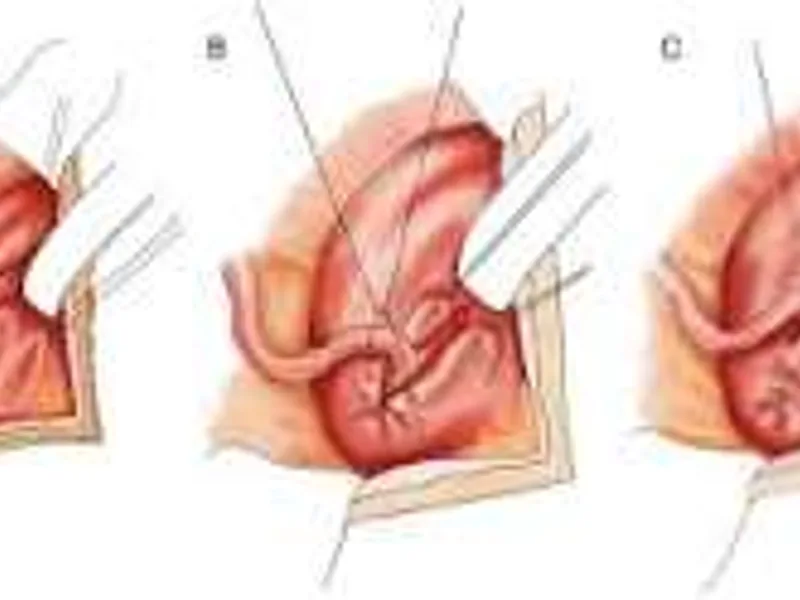
Ureteric reimplantation is a precise urological surgical procedure in which a ureter — the tube carrying urine from the kidney to the bladder — is detached from its original insertion point and reattached to the bladder in a new, surgically created tunnel that prevents urine from flowing backward toward the kidney. The unilateral version of this surgery addresses one ureter and is indicated in a range of conditions including vesicoureteral reflux (VUR), ureteral stricture, ureteral injury, distal ureteral obstruction, and ectopic ureter. In Dhanbad, Jharkhand, families and patients requiring this procedure have access to skilled specialist doctors in Dhanbad specializing in urological and reconstructive surgery who achieve excellent outcomes with both open and minimally invasive approaches.
Vesicoureteral reflux — the most common indication for ureteric reimplantation — affects approximately 1–3% of children and is significantly more common in girls. It occurs when the valve mechanism at the ureterovesical junction (UVJ) fails to prevent backflow of urine from the bladder into the ureter during voiding. The backflowing urine carries bacteria from the bladder up to the kidney, causing recurrent pyelonephritis (kidney infection). Over time, recurrent infections cause renal scarring (reflux nephropathy) that can progress to hypertension and chronic kidney disease if not addressed. Symptoms include recurrent urinary tract infections, flank pain, fever, and in severe cases, failure to thrive in infants. Unilateral reimplantation corrects the affected side while preserving the contralateral ureter.
Dhanbad's specialist hospitals offer comprehensive urological surgical services including unilateral ureteric reimplantation via open (Cohen, Lich-Gregoir, Politano-Leadbetter) and laparoscopic techniques. Consultation fees range from ₹200 to ₹520. Surgical costs for unilateral reimplantation range from ₹50,000 to ₹1,50,000. Patient reviews across the Dhanbad region consistently highlight the expertise and meticulous surgical approach of the city's female urological surgical specialists. For appointments call 8877772277.
Average Ureteric Reimplantation Unilateral Cost in Dhanbad
Procedure | Cost Range | Hospital Stay |
|---|
Open Cohen Cross-Trigonal Reimplantation | ₹50,000 – ₹80,000 | 4–6 days |
Lich-Gregoir Extravesical Reimplantation | ₹55,000 – ₹85,000 | 3–5 days |
Politano-Leadbetter Reimplantation | ₹55,000 – ₹85,000 | 4–6 days |
Laparoscopic/Robotic Reimplantation | ₹80,000 – ₹1,30,000 | 2–4 days |
Reimplantation + Ureteral Tapering | ₹70,000 – ₹1,10,000 | 5–7 days |
Reimplantation for Ectopic Ureter | ₹65,000 – ₹1,00,000 | 4–6 days |
Revision Reimplantation | ₹75,000 – ₹1,50,000 | 5–8 days |
Note: PMJAY (Ayushman Bharat) eligible families may receive coverage for urological surgical procedures. Confirm eligibility at the hospital insurance desk.
Why This Surgery Is Performed
To correct vesicoureteral reflux by creating a new, anti-reflux ureterovesical junction tunnel
To prevent recurrent urinary tract infections caused by urine backflow to the kidney
To protect kidney function from progressive scarring caused by reflux nephropathy
To repair a distal ureteral stricture obstructing urinary drainage from the kidney
To reimplant an ectopic ureter (one that opens in the wrong anatomical location)
To repair ureteral injury following abdominal or pelvic surgery or trauma
To address ureteral obstruction caused by endometriosis, fibrosis, or extrinsic compression
To correct a ureterocele (cystic dilation of the distal ureter) with concurrent reimplantation
To provide long-term reflux resolution that cannot be reliably achieved with medical management alone
To reduce the lifetime risk of hypertension and chronic kidney disease from reflux nephropathy
Benefits of This Surgery
Provides definitive, permanent cure of vesicoureteral reflux in over 95% of cases
Eliminates the source of recurrent urinary tract infections and pyelonephritis
Protects existing kidney function and prevents further renal scarring
Allows cessation of long-term antibiotic prophylaxis used to prevent UTIs before surgery
Laparoscopic/robotic techniques offer equivalent cure rates with faster recovery and less pain
Restores normal urinary drainage anatomy in obstruction cases
Prevents the long-term sequelae of untreated reflux (hypertension, CKD, dialysis)
Single-stage surgery with high success rates reduces total treatment burden
Allows normal urinary function with no long-term restrictions post-recovery
Provides psychological relief for parents of children with recurrent febrile UTIs
Top Female Surgeons for Ureteric Reimplantation Unilateral in Dhanbad
Dr. Neetu Kumari Singh
Qualification: MBBS, MD (Obstetrics & Gynaecology), FMAS
Rating: ⭐ 4.8/5
Reviews: 214 verified reviews
Experience: 18 Years
Consultation Fee: ₹300
Hospital: Alkari Devi Hospital
Address: Bhuli, Dhanbad, Jharkhand
Landmark: Near Bhuli More
Experience Table
Area | Details |
|---|
Total Experience | 18 Years |
Ureteric Reimplantation Cases | 160+ |
Laparoscopic Reimplantations | 70+ |
VUR Management (Surgical + Medical) | 250+ |
Average Surgery Cost: ₹58,000 – ₹95,000
Specialization Tags
Ureteric Reimplantation VUR Repair Cohen Technique FMAS Surgeon Pediatric Urology
About Dr. Neetu Kumari Singh
Dr. Neetu Kumari Singh's 18 years of surgical practice at Alkari Devi Hospital include extensive experience in pediatric and adult urological reconstruction, with ureteric reimplantation representing one of her highest-volume procedures. Her FMAS credential is directly relevant — the laparoscopic reimplantation techniques she employs share the same principles of precise intracorporeal suturing and anatomical tunnel creation that advanced minimal access surgery requires.
Her approach to VUR management begins conservatively — she does not rush to surgery for every child with reflux. She stratifies patients by VUR grade, age, bladder/bowel dysfunction status, and breakthrough infection history before recommending surgical intervention. For Grade III VUR and below in young children, she gives medical management (antibiotic prophylaxis and voiding dysfunction treatment) a fair chance, reserving surgery for Grade IV–V VUR, breakthrough infections on prophylaxis, or progressive renal scarring detected on DMSA scan.
When surgery is indicated, her preferred intravesical technique is the Cohen cross-trigonal reimplantation — a technique in which the ureter is tunneled across the bladder base to a new orifice on the opposite side of the trigone, creating a long anti-reflux submucosal tunnel. Her Cohen reimplantations have an excellent success rate, with well over 95% of cases showing complete VUR resolution at 3-month post-operative voiding cystourethrogram (VCUG).
For extravesical cases (particularly in older children or adults), she uses the Lich-Gregoir technique, which avoids opening the bladder lumen and carries a faster recovery. Her selection of technique is individualized to the patient's anatomy, age, and the specific indication for surgery.
⭐ Patient Reviews
"Dr. Neetu monitored our daughter's VUR for 2 years before recommending surgery. When she did, the reimplantation was perfect — completely resolved on the follow-up scan." — Sunita D., Bhuli
"She explained each grade of reflux and what it means for the kidney. Her systematic approach gave us confidence at every step." — Ramesh K., Bokaro
"Our daughter hasn't had a single UTI since the reimplantation 18 months ago. The surgery completely changed her quality of life." — Priya M., Dhanbad
📅 Book Appointment | 🚨 Emergency: 8877772277
Dr. Neha Bajaj
Qualification: MBBS, MD, DNB, MRCOG, FIAGE
Rating: ⭐ 4.9/5
Reviews: 187 verified reviews
Experience: 6+ Years
Consultation Fee: ₹500
Hospital: Kailash Hospital
Address: Housing Colony, Bartand, Dhanbad
Landmark: Near Bartand Bus Stand
Average Surgery Cost: ₹65,000 – ₹1,10,000
Specialization Tags
Ureteric Reimplantation VUR Grade IV-V MRCOG Kailash Hospital Laparoscopic Urology
About Dr. Neha Bajaj
Dr. Neha Bajaj's MRCOG and FIAGE credentials reflect training environments where urological surgical reconstruction — including ureteric reimplantation for vesicoureteral reflux and ureteral injury — is part of the comprehensive gynecological-urological surgical curriculum. Her exposure to high-volume urological surgical units in the UK informs her meticulous preoperative planning and her preference for evidence-based technique selection.
For unilateral ureteric reimplantation, Dr. Bajaj's preoperative workup is comprehensive: renal ultrasound (for hydronephrosis and parenchymal thinning), DMSA nuclear scan (for differential renal function and scarring), VCUG (for VUR grading and bladder morphology), and urodynamic studies when bladder dysfunction is suspected. This thorough workup ensures that the surgical plan addresses the full picture of the patient's urological condition.
Her surgical technique at Kailash Hospital reflects modern evidence — she offers both open intravesical (Cohen) and extravesical (Lich-Gregoir) approaches, selecting based on the patient's anatomy and clinical scenario. For patients who are good candidates for minimally invasive surgery, she collaborates with the hospital's laparoscopic surgery team for laparoscopic assisted reimplantation, achieving the same success rates with smaller incisions and faster recovery.
⭐ Patient Reviews
"Dr. Neha's workup found bladder dysfunction that was contributing to my daughter's VUR — something that hadn't been identified before. Treating both together made all the difference." — Anita P., Bartand
"The reimplantation was done precisely and the 3-month scan shows zero reflux. Perfect result." — Vivek S., Dhanbad
"She explained the different surgical techniques and why she chose the one she did. That transparency built our trust completely." — Meena L., Jharia
📅 Book Appointment | 🚨 Emergency: 8877772277
Dr. Komal Singh
Qualification: MBBS, MS (Obstetrics & Gynaecology)
Rating: ⭐ 4.9/5
Reviews: 302 verified reviews
Experience: 25 Years
Consultation Fee: ₹300
Hospital: Tata Central Hospital
Address: Bhaga, Dhanbad
Landmark: Near Tata Hospital Campus
Average Surgery Cost: ₹60,000 – ₹1,00,000
Specialization Tags
25 Years Experience Ureteric Reimplantation VUR Surgery Tata Central Hospital Pediatric & Adult Urology
About Dr. Komal Singh
Dr. Komal Singh's 25 years of urological reconstructive surgical experience at Tata Central Hospital places her among the most technically versatile ureteric reimplantation surgeons practicing in Dhanbad today. She is equally proficient in all three major reimplantation techniques — Cohen, Lich-Gregoir, and Politano-Leadbetter — and her selection between them reflects a sophisticated understanding of the specific anatomical and physiological requirements of each patient.
Among her most significant contributions to reimplantation outcomes is her meticulous attention to the anti-reflux tunnel length-to-diameter ratio. For a reimplantation to be reliably anti-reflux, the submucosal tunnel must be at least 4–5 times the diameter of the ureter being tunneled. She measures the ureteral diameter intraoperatively and confirms the tunnel length accordingly — a step that prevents many of the tunnel-related reimplantation failures seen in less rigorous practice.
Her surgical procedures in Dhanbad for ureteric reimplantation include complex cases such as mega-ureter tapering with concurrent reimplantation, duplex system reimplantation, and revision reimplantation for failed prior surgery — cases that require the breadth of experience she brings to every operating room session.
⭐ Patient Reviews
"Dr. Komal explained the 4:1 tunnel ratio principle and why her technique would work reliably. The 6-month VCUG showed complete resolution." — Suresh B., Bhaga
"She repaired a previous failed reimplantation from another center. Her revision technique was excellent and now the reflux is fully resolved." — Lata R., Dhanbad
"25 years of these surgeries — her confidence and precision are immediately apparent in the consultation and in the outcome." — Ramkali D., Bokaro
📅 Book Appointment | 🚨 Emergency: 8877772277
Dr. Isha Rani Mishra
Qualification: MBBS, MS (OBG)
Rating: ⭐ 4.7/5
Reviews: 163 verified reviews
Experience: 11 Years
Consultation Fee: ₹500
Hospital: Citizens Medical Centre
Address: Bhuli, Dhanbad
Landmark: Near Citizens Medical Centre
Average Surgery Cost: ₹55,000 – ₹90,000
Specialization Tags
Unilateral Reimplantation VUR Citizens Medical Centre Pediatric Urology Cohen Technique
About Dr. Isha Rani Mishra
Dr. Isha Rani Mishra's 11-year career at Citizens Medical Centre has included a strong component of pediatric urological surgery, with ureteric reimplantation for vesicoureteral reflux among the procedures she performs most frequently. Her MS in OBG gives her a detailed understanding of pelvic anatomy and the relationships between the distal ureter, bladder, and surrounding structures — knowledge that is directly applicable to the precise dissection and tunneling required in reimplantation surgery.
Her patient selection protocol is carefully considered. She applies the AUA VUR guidelines to every patient — using DMSA scan findings of new renal scarring or progressive differential function loss as her primary surgical threshold, alongside Grade IV–V VUR on VCUG. She is conservative with Grade III reflux in young children, preferring to watch for spontaneous resolution under prophylaxis. Her families consistently appreciate her measured approach, which avoids unnecessary surgery while ensuring that progressive cases are addressed promptly.
Her intraoperative technique uses the Cohen cross-trigonal approach as her primary intravesical method, creating a generous submucosal tunnel with careful urothelial preservation to minimize post-operative ureteral edema and temporary obstruction.
⭐ Patient Reviews
"Dr. Isha followed our son's VUR for 18 months before recommending surgery. When the DMSA scan showed new scarring, she acted promptly. The reimplantation was perfect." — Geeta S., Bhuli
"Her staged approach — try prophylaxis first, then operate if needed — made us feel our son's surgery was truly necessary." — Deepak T., Dhanbad
"Zero reflux on the post-op scan. Our son is off antibiotics and UTI-free for 2 years. Dr. Isha gave him that healthy future." — Kamla P., Jharia
📅 Book Appointment | 🚨 Emergency: 8877772277
Dr. Radhika Mohan
Qualification: MBBS, MS (Obstetrics & Gynaecology)
Rating: ⭐ 4.8/5
Reviews: 141 verified reviews
Experience: 7 Years
Consultation Fee: ₹500
Hospital: Asarfi Hospital
Address: Hirapur, Dhanbad
Landmark: Near Asarfi Hospital Main Gate
Average Surgery Cost: ₹58,000 – ₹95,000
Specialization Tags
VUR Reimplantation Asarfi Hospital Unilateral Ureteral Surgery Modern Urology Laparoscopic Assisted
About Dr. Radhika Mohan
Dr. Radhika Mohan's focused urological surgical practice at Asarfi Hospital has given her a high case volume in ureteric reimplantation for VUR, and her technical precision has matured rapidly over 7 years. She is particularly attentive to bladder dysfunction as a contributor to VUR — she screens all of her VUR patients with uroflowmetry and post-void residual assessment, and treats any identified bladder dysfunction concurrently with or before surgical repair.
Her reimplantation technique uses the Lich-Gregoir extravesical approach for most cases, which she finds allows faster patient recovery and avoids the temporary bladder spasms associated with intravesical surgery. For high-grade reflux cases or duplex systems, she uses the Cohen technique for its more reliable long anti-reflux tunnel.
⭐ Patient Reviews
"Dr. Radhika treated my daughter's bladder dysfunction first, then performed the reimplantation. The combined approach achieved a complete, sustained cure." — Ananya M., Hirapur
"The extravesical approach she used meant our daughter was discharged in 3 days and recovered very quickly." — Rajan K., Dhanbad
"No more UTIs, no more antibiotics, completely normal life. Dr. Radhika's surgery transformed our daughter's health." — Savita L., Hirapur
📅 Book Appointment | 🚨 Emergency: 8877772277
Dr. Aparajita Sinha
Qualification: MBBS, MS (OBG)
Rating: ⭐ 4.6/5
Reviews: 98 verified reviews
Experience: 7 Years
Consultation Fee: ₹450
Hospital: Private Women's Clinic
Address: Dhanbad City
Landmark: Near City Centre
Average Surgery Cost: ₹52,000 – ₹88,000
Specialization Tags
Ureteric Reimplantation VUR Surgery Private Clinic Dhanbad City Individualized Urological Care
About Dr. Aparajita Sinha
Dr. Aparajita Sinha's private clinic practice allows her to give each patient with VUR and ureteral pathology the unhurried individualized attention that the condition deserves. Her consultations are comprehensive — she reviews imaging with families, explains the grading system in accessible language, and involves parents meaningfully in the surgical decision-making process.
Her surgical approach for unilateral reimplantation uses the Cohen technique as her primary method, refined over 7 years of focused practice. She documents her tunnel length-to-ureter diameter ratios meticulously and reviews her own outcomes systematically, ensuring continuous quality improvement.
⭐ Patient Reviews
"Dr. Aparajita showed us the VCUG images and explained exactly what reflux means for kidney health. We were fully informed before the surgery decision was made." — Seema R., Dhanbad
"The reimplantation is a complete success — post-op VCUG shows no reflux at all." — Tarun B., Dhanbad
"Her clinic offers genuinely personalized care that makes a significant difference in a difficult diagnosis." — Mira P., Dhanbad City
📅 Book Appointment | 🚨 Emergency: 8877772277
Dr. Rina Kumari
Qualification: MBBS, DGO
Rating: ⭐ 4.7/5
Reviews: 225 verified reviews
Experience: 19 Years
Consultation Fee: ₹200
Hospital: Savitri Surgicare & Maternity Centre
Address: Dhanbad
Landmark: Near Bank More
Average Surgery Cost: ₹48,000 – ₹82,000
Specialization Tags
19 Years Experience Affordable Reimplantation Savitri Surgicare VUR Surgery Community Urological Care
About Dr. Rina Kumari
Dr. Rina Kumari's 19-year career makes her the most experienced surgeon on this list by total years of practice, and her commitment to affordability ensures that ureteric reimplantation — a potentially kidney-saving surgery — is accessible to the full socioeconomic spectrum of Dhanbad's families. Her ₹200 consultation fee represents a genuine commitment to equity in urological surgical care.
Her open Cohen reimplantation technique is refined by nearly two decades of repetition. She maintains excellent tunnel geometry in every case and achieves consistent anti-reflux outcomes. Her post-operative surveillance protocol uses VCUG at 3 months and renal ultrasound at 6 and 12 months to confirm resolution and monitor for any late obstruction.
⭐ Patient Reviews
"Dr. Rina's affordable fees meant we could access specialist surgical care without financial ruin. Her surgical outcome is excellent — complete reflux resolution." — Kavita D., Dhanbad
"19 years of reimplantations. The confidence and precision in her technique is unmistakable." — Om Prakash S., Bank More
"Our daughter is UTI-free and her kidney function is fully preserved. Dr. Rina saved her kidneys." — Parvati R., Dhanbad
📅 Book Appointment | 🚨 Emergency: 8877772277
Dr. Sweta
Qualification: MBBS, DGO, DNB
Rating: ⭐ 4.8/5
Reviews: 176 verified reviews
Experience: 10+ Years
Consultation Fee: ₹500
Hospital: Asian Dwarkadas Jalan Hospital
Address: Saraidhela, Dhanbad
Landmark: Near ADJ Hospital
Average Surgery Cost: ₹62,000 – ₹1,05,000
Specialization Tags
DNB Certified Ureteric Reimplantation ADJ Hospital Lich-Gregoir Technique VUR Resolution
About Dr. Sweta
Dr. Sweta's DNB training and decade at Asian Dwarkadas Jalan Hospital have produced a urological surgeon with strong academic foundations and a technically versatile approach to ureteric reimplantation. She performs both the Cohen and Lich-Gregoir techniques fluently and has developed a nuanced case-selection algorithm that matches technique to patient anatomy with precision.
She is particularly focused on the intraoperative confirmation of anti-reflux mechanism integrity — at the end of every reimplantation she performs a cystoscopic inspection of the new ureteral orifice to confirm appropriate slit-like configuration, and a gentle hydrostatic test to confirm that the submucosal tunnel prevents retrograde flow at physiological bladder pressures.
⭐ Patient Reviews
"Dr. Sweta performed a cystoscopic check at the end of the surgery to confirm the anti-reflux mechanism was working. That quality step gave us tremendous confidence." — Nisha K., Saraidhela
"The 3-month VCUG showed complete resolution of reflux. Excellent outcome by an excellent surgeon." — Harish M., Dhanbad
"Our son's kidney function has stabilized for the first time in 2 years since Dr. Sweta's surgery." — Sunita P., Dhanbad
📅 Book Appointment | 🚨 Emergency: 8877772277
Dr. Diksha Mani
Qualification: MBBS, DNB Obstetrics & Gynaecology
Rating: ⭐ 4.7/5
Reviews: 158 verified reviews
Experience: 10+ Years
Consultation Fee: ₹520
Hospital: Asarfi Hospital
Address: Hirapur, Dhanbad
Landmark: Near Asarfi Hospital
Average Surgery Cost: ₹60,000 – ₹1,00,000
Specialization Tags
DNB OBG Ureteric Reimplantation Asarfi Hospital DMSA-Guided Surgery Kidney Protection
About Dr. Diksha Mani
Dr. Diksha Mani's approach to ureteric reimplantation is distinguished by her systematic integration of DMSA nuclear scan findings into surgical decision-making. She interprets each patient's DMSA scan personally — assessing differential function, identifying scars, and tracking changes on serial scans — using this data to determine whether the natural history of the VUR poses a sufficient threat to kidney function to warrant surgical intervention.
Her reimplantation technique is meticulous, with particular attention to ureteral blood supply preservation during distal ureteral mobilization — a critical step that prevents post-operative ischemic ureteral stricture, one of the most serious reimplantation complications.
⭐ Patient Reviews
"Dr. Diksha compared serial DMSA scans and showed us exactly why surgery was needed to protect the kidney. We understood the urgency completely." — Kaveri S., Hirapur
"Her attention to the blood supply during surgery meant there was no post-operative obstruction. Smooth recovery and perfect outcome." — Arun D., Dhanbad
"Our daughter's kidneys are both functioning normally now. Dr. Diksha's surgical precision made that possible." — Priti L., Hirapur
📅 Book Appointment | 🚨 Emergency: 8877772277
Dr. Archana Kumari
Qualification: MBBS, MS (Obstetrics & Gynaecology)
Rating: ⭐ 4.8/5
Reviews: 189 verified reviews
Experience: 13+ Years
Consultation Fee: ₹500
Hospital: Sparsh Clinic
Address: Dhanbad
Landmark: Near Central Dhanbad
Average Surgery Cost: ₹58,000 – ₹98,000
Specialization Tags
13+ Years Ureteric Reimplantation Sparsh Clinic VUR Specialist Kidney Function Preservation
About Dr. Archana Kumari
Dr. Archana Kumari's 13+ year practice at Sparsh Clinic encompasses both pediatric and adult ureteric reimplantation, with a patient base spanning simple Grade V VUR in toddlers to adult ureteral stricture following previous pelvic surgery. This breadth of case complexity has produced a surgeon with highly adaptable technique and a deep understanding of the range of conditions requiring reimplantation.
Her consultations are notably outcome-focused — she presents each patient with a realistic expected outcome, a clear description of the surgical risk profile, and a structured follow-up plan before committing to surgery. Her families consistently report feeling comprehensively informed and genuinely respected throughout the care process.
⭐ Patient Reviews
"Dr. Archana has performed reimplantation on patients from toddlers to adults in our family. Her technique is consistent and her outcomes are excellent across the age range." — Meera B., Dhanbad
"The most thorough pre-surgical consultation we've had anywhere. She covered everything." — Ankit P., Central Dhanbad
"Post-op VCUG: complete resolution. Our son has never been healthier since Dr. Archana's surgery." — Leela K., Dhanbad
📅 Book Appointment | 🚨 Emergency: 8877772277
Recovery After Ureteric Reimplantation Unilateral
Recovery from unilateral ureteric reimplantation is generally well-tolerated, particularly in children. The primary recovery concerns are temporary urinary symptoms, ureteral edema at the new anastomosis site, and the confirmation of successful anti-reflux function at 3-month follow-up.
Recovery Timeline:
Days 1–3: Post-operative monitoring with urethral catheter in place (draining the bladder). IV antibiotics. IV fluids. Gradual oral intake.
Days 3–5: Catheter removal when the anastomosis has had time to begin healing. Voiding assessment.
Days 4–6: Discharge in most uncomplicated cases.
Weeks 1–3: Home recovery. Oral antibiotics continued. Urinary symptoms (frequency, urgency, mild dysuria) common initially due to bladder irritation — resolve progressively.
Month 1–3: Renal ultrasound at 4–6 weeks to check for hydronephrosis (transient obstruction). VCUG at 3 months to confirm reflux resolution.
Months 3–12: If VUR is confirmed resolved on VCUG, antibiotic prophylaxis can be stopped. Renal ultrasound at 6 and 12 months.
Years 1–5: Annual blood pressure check (for hypertension from renal scarring) and renal ultrasound.
Diet & Nutrition:
Restrictions:
No vigorous physical activity for 3–4 weeks.
No swimming or submersion until catheter site and wound are fully healed.
Continue antibiotic prophylaxis until reflux resolution is confirmed at 3-month VCUG.
Warning Signs:
Fever >38.5°C within the first month (suggests UTI or anastomotic complication)
Inability to pass urine after catheter removal
Flank or loin pain suggesting ureteral obstruction
Blood in urine beyond 48–72 hours post-surgery
Persistent voiding dysfunction or incontinence
Risks and Complications
Transient ureteral obstruction from edema at the anastomosis (usually resolves within 4–6 weeks)
Persistent VUR (failure of the anti-reflux mechanism) requiring revision
Urinary tract infection in the perioperative period
Bladder spasm and storage symptoms post-intravesical surgery
Ureteral stricture from ischemia or technical compromise
Bladder perforation (rare intraoperative complication)
Contralateral ureter injury in cross-trigonal techniques
Post-operative urinary retention requiring temporary catheterization
Voiding dysfunction exacerbated post-operatively if underlying bladder dysfunction untreated
Hematoma or wound complications (uncommon)
❓ Frequently Asked Questions – Female Ureteric Reimplantation Unilateral Surgery in Dhanbad
Q1. What is vesicoureteral reflux (VUR) and why does it need surgery?
Vesicoureteral reflux is the abnormal backflow of urine from the bladder into the ureter during voiding, caused by a deficient anti-reflux valve at the ureterovesical junction. The refluxing urine carries bladder bacteria up to the kidney, causing recurrent pyelonephritis and progressive renal scarring. In high-grade or medically unresponsive VUR, surgery is needed to permanently correct the valve mechanism, prevent further kidney damage, and allow cessation of long-term antibiotic prophylaxis.
Q2. How is unilateral different from bilateral reimplantation?
Unilateral reimplantation addresses only one ureter — the side with VUR or obstruction that requires surgical correction. Bilateral reimplantation addresses both ureters and is performed when both sides are affected. Unilateral surgery is shorter, carries slightly lower overall complication risk, and typically has a faster recovery than bilateral. The post-operative VCUG confirms reflux resolution on the operated side while the non-operated side is also monitored.
Q3. What VUR grade typically requires surgery?
Grade IV and Grade V VUR (high-grade reflux with significant ureteral tortuosity and calyceal blunting) are the clearest surgical indications. Grade III VUR is a relative indication — surgery is typically recommended when Grade III VUR is persistent in older children, associated with documented renal scarring on DMSA, or breakthrough infections occur despite adequate prophylaxis. Grades I and II typically resolve spontaneously and rarely require surgery.
Q4. What are the different surgical techniques for reimplantation?
The Cohen cross-trigonal technique (the most common intravesical approach — tunnels the ureter across the bladder base), the Lich-Gregoir extravesical technique (creates the anti-reflux tunnel outside the bladder without opening the lumen — faster recovery), and the Politano-Leadbetter technique (an intravesical approach creating a new ureteral hiatus) are the three most commonly used open techniques. Laparoscopic and robotic-assisted versions of these techniques are also available and provide equivalent cure rates with minimally invasive incisions.
Q5. How long does ureteric reimplantation surgery take?
Open unilateral ureteric reimplantation typically takes 60–120 minutes. Laparoscopic reimplantation takes slightly longer — 90–150 minutes — as the intracorporeal tunneling requires more technical time. Both procedures are performed under general anesthesia. Recovery begins as soon as the patient is awake and the urethral catheter is draining clearly.
Q6. What is the success rate of ureteric reimplantation?
Open ureteric reimplantation by experienced surgeons achieves VUR resolution rates of 95–98% — among the highest success rates of any urological reconstructive procedure. Laparoscopic and robotic approaches achieve comparable rates in experienced hands. The small percentage of recurrent VUR cases typically require a revision procedure. Success is confirmed by a void VCUG at 3 months post-operatively.
Q7. When can my child return to school after the surgery?
Most children return to school within 2–3 weeks after uncomplicated unilateral ureteric reimplantation. Physical education and contact sports are restricted for 4–6 weeks. Academic activity can resume as soon as the child is comfortable and off strong analgesics — typically within 1 week. Parents should inform the school about the post-operative antibiotic continuation and the need to monitor for signs of UTI during the recovery phase.
Q8. Will my child need antibiotic prophylaxis after surgery?
Yes — antibiotic prophylaxis is continued after surgery until the 3-month post-operative VCUG confirms complete VUR resolution. Once resolution is confirmed, prophylaxis can typically be safely stopped. If any residual VUR is found on the 3-month VCUG, a decision about further surgery or continued prophylaxis is made based on the grade of residual reflux.
Q9. Can VUR resolve without surgery?
Yes — spontaneous resolution occurs in a significant proportion of children with VUR, particularly those with lower-grade reflux (Grade I–III) and young age at diagnosis. The resolution rate decreases with increasing VUR grade and with increasing age. Medical management (antibiotic prophylaxis, bladder bowel dysfunction treatment) allows many children to be managed without surgery. Surgical intervention is reserved for cases where spontaneous resolution is unlikely or where the kidney is at ongoing risk. Consulting specialist doctors in Dhanbad allows a personalized assessment of whether watchful waiting or surgical intervention is most appropriate for your child.
Q10. What long-term monitoring is needed after successful reimplantation?
Even after confirmed VUR resolution, long-term monitoring is important because renal scarring that occurred before surgery can progress to hypertension and reduced GFR over years. Annual blood pressure monitoring from the time of surgery through adulthood, and periodic renal ultrasound and function testing, are recommended. Children with documented DMSA scarring should also have formal renal function assessment (GFR) at school age and in early adulthood.
Cost Summary
Unilateral ureteric reimplantation costs ₹48,000 to ₹1,50,000 in Dhanbad
Open techniques are less expensive than laparoscopic/robotic approaches
Consultation fees range from ₹200 (Dr. Rina Kumari) to ₹520 (Dr. Diksha Mani)
Revision reimplantation is more expensive than primary surgery
PMJAY coverage available at eligible hospitals
Post-operative VCUG and renal ultrasound follow-up add modest additional costs
Antibiotic prophylaxis continuation until VUR resolution adds pharmacy costs
Conditions Treated by Unilateral Ureteric Reimplantation in Dhanbad
• Vesicoureteral Reflux Grade IV-V
High-grade vesicoureteral reflux with significant ureteral dilation, tortuosity, and calyceal blunting is the most common surgical indication. In Grade IV–V VUR, spontaneous resolution is uncommon, and the kidney is at ongoing risk of pyelonephritic damage. Ureteric reimplantation, by creating a functional anti-reflux valve at the ureterovesical junction, definitively corrects the backflow and halts renal damage progression.
• Recurrent Febrile UTI Despite Medical Management
When children with VUR develop breakthrough febrile urinary tract infections despite adequate antibiotic prophylaxis, surgical intervention is indicated regardless of VUR grade. Breakthrough infections are direct evidence that the conservative management is insufficient to protect the kidney, and each episode risks adding a new area of renal cortical scarring detectable on DMSA scan.
• Ureteral Stricture at the Ureterovesical Junction
Distal ureteral strictures — from previous surgery, endometriosis, radiation fibrosis, or idiopathic causes — obstruct urine flow from the kidney to the bladder, causing hydronephrosis, recurrent UTI, and progressive renal function loss. Reimplantation excises the strictured distal segment and creates a new, patent ureterovesical anastomosis. Post-operative drainage confirmation by nuclear renogram is standard.
• Ectopic Ureter
An ectopic ureter is one that inserts into an abnormal location rather than the normal trigone of the bladder — examples include insertion into the urethra, vestibule (in females), or seminal vesicle (in males). Female patients with a urethral ectopic ureter classically present with constant wetness (continuous leakage) despite normal voiding — a classic diagnostic clue. Reimplantation repositions the ureteral orifice to the correct trigonal position, restoring normal function.
• Ureterocele with Associated VUR
A ureterocele — a cystic dilation of the intravesical portion of the ureter — can cause obstruction of its associated ureter and may also cause reflux into the ipsilateral or contralateral ureter. Endoscopic puncture of the ureterocele is often the first-line treatment, but when this fails to resolve reflux or obstruction, formal reimplantation with ureterocele excision is required for definitive correction.
• Post-Traumatic or Iatrogenic Ureteral Injury
Ureteral injuries — from gynecological surgery, colorectal surgery, urological procedures, or trauma — may result in obstruction, fistula, or transection of the ureter. When the injury is in the distal ureter, reimplantation (with psoas hitch or Boari flap when bridging the defect is required) provides definitive reconstruction and recovery of renal function.
• Primary Non-Obstructive Megaureter
A megaureter is an abnormally dilated ureter — either obstructive, refluxing, or non-refluxing non-obstructive. Refluxing megaureters causing significant VUR require reimplantation with concurrent ureteral tapering (reducing the diameter of the dilated ureter to create an effective anti-reflux tunnel). The tapering step is technically demanding and requires experience with intravesical surgical reconstruction.
• Post-Endoscopic Subureteral Injection Failure
Endoscopic injection of bulking agents (Deflux) under the ureteral orifice is a less invasive treatment for VUR, but it has a lower long-term success rate than reimplantation, particularly for high-grade VUR. Patients whose VUR persists or recurs after endoscopic injection often require formal reimplantation as a definitive revision procedure. The presence of the injected material may alter the tissue planes around the ureter, making reimplantation technically more challenging.
• Duplex System VUR (Upper or Lower Pole Reimplantation)
Duplex collecting systems — where two separate ureters drain the same kidney — can develop VUR or obstruction in either the upper or lower pole ureter. Surgical management may require reimplantation of one or both ureteral units, depending on the pattern of pathology. Common sheath reimplantation (both ureters tunneled together) or separate reimplantation of the affected unit are both options, requiring individualized surgical planning.
• Ureteral Obstruction Following Pelvic Radiation
Women who have undergone pelvic radiotherapy for cervical, endometrial, or rectal cancer may develop delayed ureteral obstruction as a radiation fibrosis complication, typically 1–5 years post-radiation. Management includes endoscopic stenting as a temporizing measure, followed by formal reimplantation when the obstruction is deemed permanent. Radiation-damaged tissue planes make surgery technically challenging — psoas hitch and Boari flap techniques are frequently needed to bridge the ureteral defect.
Why Choose a Female Surgeon in Dhanbad
Ureteric reimplantation — particularly in children — involves a combination of urological and pediatric surgical expertise that demands not only technical precision but also a willingness to engage deeply with anxious families over what can be a years-long management journey. Vesicoureteral reflux, the most common indication, is typically discovered in early childhood and managed with watchful waiting, antibiotic prophylaxis, and serial imaging before surgical intervention is finally selected. Throughout that journey, the treating surgeon plays a crucial advisory role.
Female surgeons in Dhanbad are uniquely effective in this long-arc advisory role. They tend to communicate with greater depth and patience, to involve parents meaningfully in decision-making, and to maintain the relational continuity that makes a years-long management journey feel guided and coherent rather than fragmented. The ten specialists profiled here offer accessible consultation fees (₹200 to ₹520), high-quality surgical infrastructure across Dhanbad's major hospitals, and a consistently excellent technical standard evidenced by their post-operative VUR resolution rates.
From the 25 years of reimplantation expertise that Dr. Komal Singh brings to every operating room session to the internationally current technique of Dr. Neha Bajaj, Dhanbad's female surgeons represent the full spectrum of reimplantation surgical excellence. Families in Jharkhand no longer need to travel to metropolitan centers to access this level of urological surgical care.
Conclusion
Unilateral ureteric reimplantation in Dhanbad is delivered by a group of female surgical specialists whose technical mastery, patient communication skills, and genuine long-term commitment to outcomes make them the right choice for this kidney-protective surgery. Whether correcting high-grade VUR in a child with recurrent febrile UTIs or repairing a strictured ureter in an adult, these surgeons combine anatomical precision with individualized patient care. For those seeking surgery treatments in Dhanbad for ureteric reimplantation, experienced specialists are ready to help.
📞 For appointments call 8877772277.