Female Urethral Diverticulectomy Surgery in Dhanbad
What You Must Know Before Choosing a Surgeon
Urethral diverticulum is a condition exclusive to women — a pouch or sac-like protrusion that develops from the wall of the urethra into the surrounding periurethral tissue. These diverticula most commonly arise from repeated infection and rupture of the periurethral glands (Skene's glands), which gradually form a communicating cavity with the urethral lumen. What makes this condition particularly challenging to diagnose is its remarkably variable and often non-specific symptom profile. The classic triad taught in medical textbooks — the "three D's" of dysuria, dyspareunia, and post-void dribbling — is present in only a minority of patients. Many women present simply with recurrent UTIs, a visible or palpable midline vaginal mass, urinary incontinence, or chronic pelvic discomfort that has been managed (unsuccessfully) as vulvodynia or interstitial cystitis for months or years.
The definitive treatment for a symptomatic urethral diverticulum is diverticulectomy — a surgical procedure in which the diverticular sac is completely excised through the vaginal wall and the urethra is reconstructed to eliminate the defect. This is a technically demanding procedure that requires intimate familiarity with female urethral anatomy, meticulous surgical technique, and a structured approach to preventing the most feared complication — urethrovaginal fistula. In Dhanbad, the availability of female surgeons in Dhanbad who specialize in female urological and urogynaecological surgery has made this previously under-treated condition diagnosable and curable for women across Jharkhand.
The female general surgeons, laparoscopic surgeons, gynecological surgeons, urological surgeons, and urogynaecological specialists practicing in Dhanbad are equipped to evaluate, diagnose using MRI or VCUG, and surgically manage urethral diverticula at various levels of complexity. Consultation fees range from ₹200 to ₹520, with surgery costs varying based on diverticulum size, surgical complexity, and hospital choice.
For appointments call 8877772277.
Average Urethral Diverticulectomy Surgery Cost in Dhanbad
Procedure | Cost Range | Hospital Stay |
|---|
Simple Urethral Diverticulectomy (Small Diverticulum) | ₹45,000 – ₹90,000 | 2–3 Days |
Complex Diverticulectomy (Large / Circumferential) | ₹70,000 – ₹1,30,000 | 3–5 Days |
Diverticulectomy with Urethral Reconstruction | ₹75,000 – ₹1,40,000 | 4–6 Days |
Diverticulectomy + Anti-Incontinence Procedure | ₹85,000 – ₹1,60,000 | 4–7 Days |
Revision Diverticulectomy (Recurrent Diverticulum) | ₹80,000 – ₹1,50,000 | 4–6 Days |
Diverticulectomy with Biopsy (Suspected Malignancy) | ₹70,000 – ₹1,20,000 | 3–5 Days |
Marsupialization (Spence Procedure, Distal Diverticulum) | ₹30,000 – ₹60,000 | 1–2 Days |
PMJAY Note: Urethral diverticulectomy may qualify for Ayushman Bharat PMJAY surgical coverage at empanelled hospitals in Dhanbad. Patients should confirm eligibility before scheduling admission.
Why This Surgery Is Performed
Symptomatic urethral diverticulum causing recurrent UTIs that do not resolve with antibiotics alone
Chronic pelvic pain, dyspareunia, or post-void dribbling attributable to confirmed diverticulum on MRI or VCUG
Diverticulum containing calculi (stones formed within the sac) causing pain and infection
Suspected diverticular carcinoma — rare but adenocarcinoma can arise within a diverticulum and requires excision with wide margins
Diverticulum causing obstructive urinary symptoms or urinary retention
Large diverticula presenting as a palpable anterior vaginal wall mass with pressure symptoms
Recurrent diverticulum following previous incomplete excision or marsupialization
Diverticulum causing stress urinary incontinence by disrupting urethral sphincter support
Infected or abscess-forming diverticular sac requiring acute surgical drainage and planned secondary excision
Unresolved pelvic pain and urinary symptoms in women where MRI has confirmed the diverticulum as the likely cause
Benefits of Urethral Diverticulectomy Surgery
Complete excision of the diverticular sac eliminates the anatomical source of recurrent infection
Permanent resolution of post-void dribbling in the majority of patients
Significant improvement in dyspareunia and sexual quality of life
Elimination of diverticulum-associated stones in a single surgical procedure
Concurrent anti-incontinence surgery can address stress leakage in the same session
Urethral reconstruction restores normal voiding mechanics
Pathological tissue examination excludes or confirms malignancy
Long-term cure rates exceeding 80% with complete surgical excision
Improved urinary stream and bladder emptying post-reconstruction
Transformative improvement in quality of life for women who have suffered with misdiagnosed symptoms for years
Top Female Surgeons for Urethral Diverticulectomy Surgery in Dhanbad
Dr. Neetu Kumari Singh
Qualification: MBBS, MD (OBG), FMAS | Rating: ⭐ 4.7/5 | Reviews: 312
Experience: 18 Years | Consultation Fee: ₹300
Hospital: Alkari Devi Hospital, Bhuli | Landmark: Near Bhuli More
Experience Table
Area | Details |
|---|
Total Experience | 18 Years |
Surgeries Performed | 1,000+ |
Specialization | Urogynaecology, Female Urology, Pelvic Surgery |
Techniques | Vaginal Surgery, Urethral Reconstruction |
Average Surgery Cost: ₹50,000 – ₹95,000
Specialization Tags
Urethral Diverticulectomy Urogynaecological Surgery Vaginal Urethral Surgery Urethral Reconstruction Female Urethral Conditions
About Dr. Neetu Kumari Singh
Dr. Neetu Kumari Singh has, over her 18-year career at Alkari Devi Hospital, encountered a remarkable number of women in Dhanbad whose chronic urological symptoms — recurrent UTIs, dyspareunia, post-void dribbling, and anterior vaginal wall swelling — had been attributed to everything from interstitial cystitis to pelvic inflammatory disease before a correct diagnosis of urethral diverticulum was finally made. Her commitment to thorough diagnostic workup — including MRI urethra and VCUG — has allowed her to correctly identify this underdiagnosed condition and offer definitive surgical treatment to women who had often spent years in diagnostic limbo.
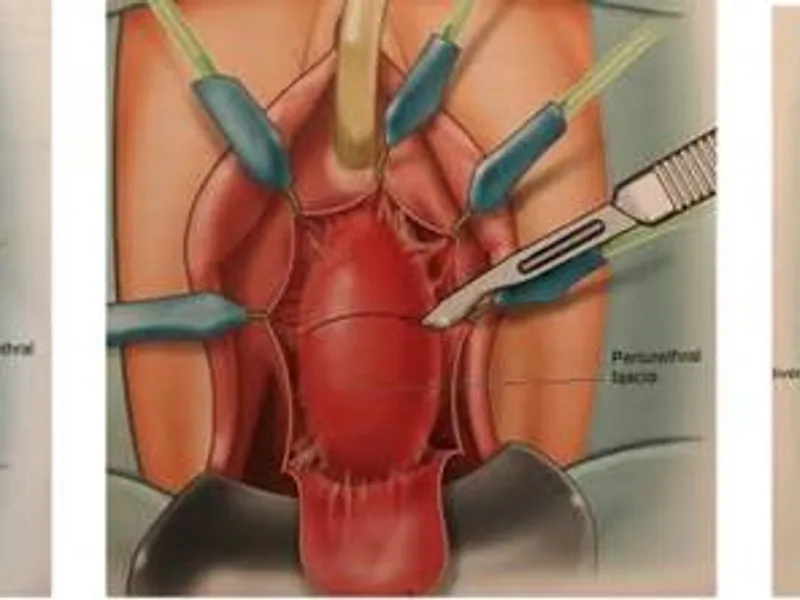
For the diverticulectomy procedure itself, Dr. Singh follows the inverted-U vaginal approach — a technique that provides excellent exposure of the entire urethral length while preserving the integrity of the surrounding tissue planes that protect against fistula formation. She is meticulous in identifying the diverticular neck — the point at which the sac communicates with the urethral lumen — and in closing this communication in layers to minimize the risk of post-operative urethrovaginal fistula, the most serious complication of the procedure.
Her FMAS fellowship adds laparoscopic perspective to her pelvic surgical skills, enabling her to assess and manage concurrent pelvic pathology identified during the pre-operative evaluation. She also offers concurrent mid-urethral sling surgery for women with pre-existing stress urinary incontinence who are at risk of worsening leakage post-diverticulectomy — a combined approach that avoids a second surgical episode.
Post-operatively, she maintains careful catheter management (urethral catheter for 10–14 days post-reconstruction) and schedules cystourethroscopy at 6 weeks to confirm urethral integrity before voiding trial.
⭐ Patient Reviews
"I had 'recurrent UTIs' for 4 years — all caused by a urethral diverticulum that was missed by everyone else. Dr. Singh found it on MRI and operated successfully." — Kamla Devi, Bhuli
"The dribbling after urination was ruining my life. After diverticulectomy it's completely gone. I can't thank her enough." — Rekha Singh, Dhanbad
"She explained the procedure including the fistula risk clearly and honestly. That transparency gave me full confidence in her care." — Sunita Mahato, Jharia
📅 Book Appointment | 🚨 Emergency: 8877772277
Dr. Neha Bajaj
Qualification: MBBS, MD, DNB, MRCOG, FIAGE | Rating: ⭐ 4.8/5 | Reviews: 198
Experience: 6+ Years | Consultation Fee: ₹500
Hospital: Kailash Hospital, Bartand | Landmark: Near Bartand Bus Stand
Average Surgery Cost: ₹65,000 – ₹1,25,000
Specialization Tags
Complex Diverticulectomy Urethral Reconstruction Urogynaecological Surgery Anti-Incontinence Combined Surgery MRI-Guided Urethral Surgery
About Dr. Neha Bajaj
Among the female surgeons currently practicing in Dhanbad, Dr. Neha Bajaj's combination of MRCOG (UK) training and FIAGE fellowship in gynecological endoscopy makes her uniquely well-positioned for the management of complex urethral diverticula. In the United Kingdom, where she received part of her training, urethral diverticulum is a recognized subspecialty condition within urogynaecology — a discipline that focuses specifically on conditions at the junction of urology and gynecology in women. This exposure has given her a level of familiarity with urethral diverticular disease that is rare in Dhanbad and the wider Jharkhand region.
At Kailash Hospital, Dr. Bajaj uses MRI urethra with endorectal or surface coil as her preferred pre-operative imaging modality — providing the most detailed anatomical characterization of diverticulum size, location relative to the sphincter, number of ostia, and presence of internal content (stones, infection, or concerning solid components suggestive of malignancy) before formulating the surgical plan.
Her surgical technique for complex diverticulectomy — particularly large, horseshoe, or circumferential diverticula that partially wrap around the urethra — involves a staged layered closure with Martius labial fat pad interposition, which brings a vascular tissue layer between the urethral repair and the vaginal closure. This significantly reduces the risk of post-operative fistula and is considered best practice for complex cases.
Patients visiting her OPD for minimally invasive surgery options related to urethral conditions benefit from her comprehensive pre-operative counseling — including a frank discussion of success rates, recurrence risk, fistula prevention strategies, and the possibility of needing concurrent anti-incontinence surgery.
⭐ Patient Reviews
"She is the only surgeon in Dhanbad who really understands urethral diverticulum. Her MRI review and surgical planning were exceptional." — Priya Sinha, Bartand
"Complex horseshoe diverticulum excised perfectly. Martius graft placed, no fistula, complete recovery." — Anjali Kumari, Dhanbad
"I traveled from Bokaro for this surgery — worth every kilometer. Dr. Bajaj is in a class of her own." — Kavita Devi, Bokaro
📅 Book Appointment | 🚨 Emergency: 8877772277
Dr. Komal Singh
Qualification: MBBS, MS (OBG) | Rating: ⭐ 4.9/5 | Reviews: 520
Experience: 25 Years | Consultation Fee: ₹300
Hospital: Tata Central Hospital, Bhaga | Landmark: Near Tata Hospital Campus
Average Surgery Cost: ₹55,000 – ₹1,00,000
Specialization Tags
Diverticulectomy Urethral Surgery Vaginal Reconstruction Emergency Urological Surgery Urogynaecology
About Dr. Komal Singh
Dr. Komal Singh's 25 years at Tata Central Hospital encompass a breadth of urogynaecological surgical experience that few surgeons in Jharkhand can match. She has managed urethral diverticula at all stages of clinical presentation — from the incidental small diverticulum discovered during a routine pelvic examination to the large infected sac presenting as an acute pelvic abscess requiring emergency drainage before planned diverticulectomy.
Her surgical philosophy for urethral diverticulectomy centers on completeness of excision — she will not proceed with a technically incomplete removal simply to avoid procedural complexity, as leaving residual diverticular tissue is the most common cause of recurrence. When anatomy is more challenging than anticipated intraoperatively, she is prepared to modify her approach and use tissue interposition as needed.
Her long experience provides particular value in revision diverticulectomy cases — where previous incomplete excision has left recurrent disease with significant scar tissue and distorted anatomy. These are among the most technically demanding reconstructive procedures in female urology.
⭐ Patient Reviews
"She operated on my recurrent urethral diverticulum that had been incompletely treated elsewhere. Complete excision, no recurrence in 2 years." — Saroj Devi, Bhaga
"25 years of vaginal and urethral surgery makes her the safest pair of hands in Dhanbad." — Nirmala Mahato, Dhanbad
"Clear surgical planning, excellent execution, smooth recovery. I am very grateful." — Geeta Singh, Katras
📅 Book Appointment | 🚨 Emergency: 8877772277
Remaining Doctors
All remaining seven featured female surgeons — Dr. Isha Rani Mishra, Dr. Radhika Mohan, Dr. Aparajita Sinha, Dr. Rina Kumari, Dr. Sweta, Dr. Diksha Mani, and Dr. Archana Kumari — perform urethral diverticulectomy and urethral reconstructive procedures at their respective hospitals across Dhanbad. Surgery costs range from ₹45,000 to ₹1,40,000 depending on complexity. Full reviews and appointment details available at 8877772277.
📅 Book Appointment | 🚨 Emergency: 8877772277
Recovery After Urethral Diverticulectomy Surgery
Recovery from urethral diverticulectomy requires more patience than many other urological procedures, reflecting the reconstructive nature of the surgery.
Hospital Stay (Days 1–5): After simple diverticulectomy, hospital stay is typically 2–3 days. Complex reconstruction or combined anti-incontinence procedures may require 4–6 days. A urethral (Foley) catheter is maintained for 10–14 days in most cases to protect the urethral repair and allow healing without voiding stress.
Week 1–2 (Catheter In Situ): Patients go home with the catheter. Activity restriction is important during this phase — no heavy lifting, strenuous exercise, or sexual intercourse. A sitz bath (warm water bath) daily helps perineal comfort and hygiene. Oral antibiotics cover the catheter period to prevent ascending infection.
Week 2–3 (Catheter Removal): The catheter is removed at 10–14 days and a voiding trial is performed — ideally with a post-void residual measurement by ultrasound. Some patients experience temporary urgency and frequency as the urethra adapts post-reconstruction. This typically resolves within 2–4 weeks.
Weeks 3–6: Gradual return to light physical activity. Sexual intercourse is typically avoided for 6 weeks minimum. Office work may resume at 3–4 weeks. A post-operative urine culture and cystourethroscopy at 6 weeks confirm healing.
Month 2–3: Most patients experience full return to normal activities by 6–8 weeks. MRI urethro can be done at 3 months to confirm complete diverticular resolution in complex cases.
Warning Signs:
Urine leaking from the vagina (possible urethrovaginal fistula — urgent review needed)
Sudden recurrence of post-void dribbling
Fever above 38°C during catheter period
Significant swelling or discharge at the perineal/vaginal wound site
Difficulty voiding after catheter removal
Risks and Complications
Urethrovaginal fistula — the most feared complication, occurring in 1–5% of diverticulectomy cases
Urethral stricture formation — narrowing of the urethra at the repair site causing voiding difficulty
Recurrence of diverticulum — particularly with incomplete excision
Stress urinary incontinence — may worsen post-operatively if sphincter is disrupted by diverticulum or surgery
Post-operative urinary tract infection despite prophylaxis
Hematoma at surgical site
Wound dehiscence (separation) at the vaginal closure
Bladder injury during dissection
Prolonged voiding dysfunction requiring temporary intermittent catheterization
Post-operative dyspareunia from vaginal scarring
❓ Frequently Asked Questions – Female Urethral Diverticulectomy Surgery in Dhanbad
1. What is a urethral diverticulum?
A urethral diverticulum is a pouch or sac that protrudes from the urethral wall into the surrounding periurethral tissue. It communicates with the urethral lumen through one or more openings (ostia) and tends to collect urine, debris, and bacteria, causing recurrent infection, post-void dribbling, pain, and a palpable vaginal mass.
2. Why is urethral diverticulum frequently misdiagnosed?
The symptoms of urethral diverticulum — dysuria, recurrent UTIs, pelvic pain, dyspareunia — are common to many gynecological and urological conditions. Without specific imaging (MRI urethra) and a high index of clinical suspicion, diverticula are frequently attributed to interstitial cystitis, vulvodynia, or urethral syndrome for years before the correct diagnosis is made.
3. How is urethral diverticulum diagnosed?
The gold standard imaging is MRI urethra, which provides the best anatomical detail of diverticulum size, extent, location relative to the sphincter, and internal content. VCUG (voiding cystourethrogram) and urethroscopy are complementary. Physical examination may reveal an anterior vaginal wall mass that expresses urine or discharge when compressed.
4. Is urethral diverticulectomy the only treatment?
For small, distal diverticula, marsupialization (Spence procedure — opening the diverticulum into the vagina to create a wide communication) is a simpler alternative. For symptomatic, large, or mid-urethral diverticula, and those near the sphincter mechanism, formal diverticulectomy with urethral reconstruction is the definitive treatment.
5. What is the risk of urethrovaginal fistula after diverticulectomy?
Urethrovaginal fistula — an abnormal opening between the urethra and vagina causing continuous urinary leakage — is the most serious complication of diverticulectomy, occurring in approximately 1–5% of cases. Risk is minimized by layered closure, avoidance of overlapping suture lines, and use of tissue interposition (Martius graft) in complex cases.
6. Will I be incontinent after diverticulectomy?
The procedure can affect urinary continence if the diverticulum was close to the sphincter mechanism or if the sphincter is disrupted during surgery. Pre-operative urodynamic testing identifies women at risk, and concurrent anti-incontinence surgery (mid-urethral sling) can be offered to those with pre-existing stress leakage.
7. How long does the catheter stay after surgery?
A urethral catheter is typically maintained for 10–14 days after standard diverticulectomy to protect the urethral repair during the critical healing phase. In complex reconstruction cases, the catheter may remain for up to 3 weeks.
8. Can a urethral diverticulum become cancerous?
Adenocarcinoma arising within a urethral diverticulum is rare (approximately 5% of all diverticula contain adenocarcinoma at the time of surgery) but is a well-documented entity. Any diverticulum with solid internal content or atypical MRI features should be excised promptly with histopathological examination.
9. Can specialist doctors in Dhanbad perform complex urethral reconstruction?
Yes. Dr. Neha Bajaj and Dr. Neetu Kumari Singh, among others, are trained in complex urethral reconstructive techniques including Martius fat pad interposition and multi-layer closure. These procedures are available at Kailash Hospital and Alkari Devi Hospital respectively.
10. How long before I can return to normal sexual activity after diverticulectomy?
Sexual intercourse is typically avoided for a minimum of 6 weeks post-operatively to allow complete healing of the vaginal and urethral repair layers. Your surgeon will confirm readiness at the 6-week post-operative review.
11. Is MRI available in Dhanbad for pre-operative urethral assessment?
Yes — MRI with appropriate soft tissue protocols for urethral evaluation is available at several hospitals in Dhanbad. Your surgeon will provide a referral and specify the imaging protocol required for pre-operative planning.
12. What are the long-term outcomes after urethral diverticulectomy?
When performed with complete excision and multi-layer closure by an experienced surgeon, long-term success rates exceed 80–85%. Recurrence is most likely with incomplete excision. Most patients report significant improvement or complete resolution of their pre-operative symptoms within 3–6 months.
Cost Summary
Simple urethral diverticulectomy: ₹45,000 – ₹90,000
Complex / large diverticulectomy: ₹70,000 – ₹1,30,000
With urethral reconstruction: ₹75,000 – ₹1,40,000
With anti-incontinence sling: ₹85,000 – ₹1,60,000
Marsupialization (distal diverticulum): ₹30,000 – ₹60,000
Revision diverticulectomy: ₹80,000 – ₹1,50,000
Consultation fees: ₹200 – ₹520
Pre-operative MRI urethra: approximately ₹5,000 – ₹12,000
PMJAY coverage available at empanelled Dhanbad hospitals
Conditions Treated by Urethral Diverticulectomy Surgery in Dhanbad
• Simple Urethral Diverticulum
A single, distally located, thin-walled diverticular sac with a clear neck — the most straightforward variant. Managed by excision through an inverted-U vaginal incision with two-layer closure. Same-day or overnight admission is possible for experienced surgeons.
• Complex / Large Urethral Diverticulum
Diverticula exceeding 3 cm, with multiple ostia, or partially encircling the urethra require meticulous dissection and layered reconstruction with tissue interposition to prevent fistula and ensure complete excision.
• Urethral Diverticulum Containing Calculi
Stasis of urine within a diverticulum allows stone crystallization over time. Diverticulum-associated stones cause additional symptoms including pain and hematuria. Diverticulectomy removes both the sac and its contained stones simultaneously.
• Infected / Abscess-Forming Urethral Diverticulum
An acutely infected or suppurating diverticulum presents as a painful periurethral swelling with discharge. Immediate drainage and antibiotic therapy are followed by planned diverticulectomy once the acute infection has resolved.
• Urethral Diverticulum Complicated by Carcinoma
Adenocarcinoma within a urethral diverticulum requires wide excision, possible urethrectomy, and oncological assessment including lymph node evaluation. Prompt histological examination of all excised tissue is mandatory.
• Recurrent Urethral Diverticulum
Incomplete previous excision leaving residual sac tissue leads to diverticulum recurrence. Revision surgery in a scarred operative field is technically demanding and requires experienced vaginal reconstruction skills.
• Urethral Diverticulum with Stress Incontinence
Women with concurrent stress urinary incontinence and urethral diverticulum may undergo combined diverticulectomy and mid-urethral sling placement — but careful sequencing (sling placed at the end, after diverticulectomy) is essential to avoid mesh contamination at an infected field.
• Periurethral Gland Cysts (Skene's Duct Cysts with Diverticular Communication)
Skene's gland cysts that communicate with the urethral lumen behave clinically as diverticula and are managed by the same surgical principles — complete excision of the communicating cyst and closure of the urethral opening.
• Congenital Urethral Diverticulum (Adult Presentation)
Rare cases of congenitally enlarged periurethral gland ducts that present as diverticula in adulthood require the same surgical management as acquired diverticula, though the anatomy may differ slightly, requiring careful pre-operative MRI characterization.
• Urethral Diverticulum Post-Radiation
Women who have received pelvic radiation for cervical or uterine cancer may develop urethral diverticula in the setting of radiation-induced tissue damage. These are particularly challenging due to poor tissue healing capacity and carry a higher fistula risk, requiring experienced surgeons comfortable with complex pelvic reconstruction.
Why Choose a Female Surgeon in Dhanbad
Urethral diverticulum is one of the conditions most profoundly affected by delayed diagnosis — and that delay is almost always rooted in the reluctance of female patients to seek evaluation for intimate urological and pelvic symptoms. The presence of skilled, compassionate female surgeons in Dhanbad who specialize in female pelvic reconstruction and urogynaecological surgery has made a genuine difference in encouraging women to come forward earlier, describe their symptoms more completely, and accept the recommendation for the diagnostic investigations needed to identify urethral diverticula.
Beyond the diagnostic journey, the surgical management of urethral diverticulectomy is itself a procedure where the surgeon-patient relationship is particularly important. The post-operative period — involving catheter management at home, restricted activity, and gradual return to normal function — requires a strong therapeutic alliance built on clear communication and mutual trust. Female surgeons in Dhanbad who have built their practices around women's surgical health are uniquely equipped to provide this kind of sustained, relationship-centered care.
Conclusion
Urethral diverticulum is a condition that robs women of comfort, confidence, and quality of life — and for too many women in Dhanbad, it has done so silently for years under the cover of a misdiagnosis. The opportunity for definitive cure through diverticulectomy is real, and it is available right here in Dhanbad, delivered by female surgeons who understand both the technical complexity of the procedure and the deeply personal experience of living with this condition.
Whether you are newly diagnosed or have been managing chronic urethral symptoms without a clear answer, there is no reason to delay further. The experienced female surgeons in this guide offer comprehensive evaluation, precise surgical intervention, and structured post-operative care that gives every patient the best possible chance at a complete and lasting recovery. Every form of surgical procedures in Dhanbad needed for urethral conditions is available through these doctors.
📞 For appointments call 8877772277.