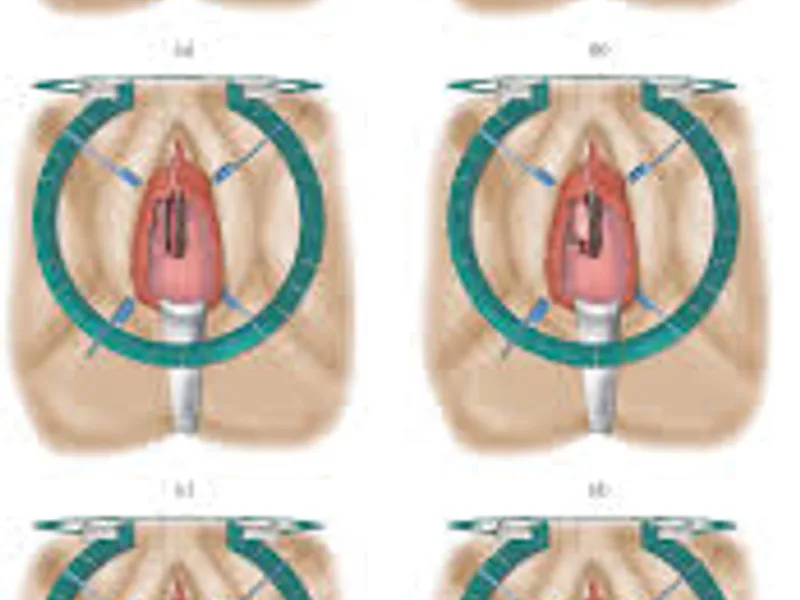
Female Urethroplasty Surgery in Dhanbad
What You Must Know Before Choosing a Surgeon
Urethroplasty is the gold standard surgical treatment for urethral stricture disease — a condition in which the urethra (the tube carrying urine from the bladder to outside the body) becomes narrowed by scar tissue, obstructing urinary flow. Unlike endoscopic urethrotomy (internal incision of the stricture) which has high recurrence rates, urethroplasty involves surgical reconstruction of the affected urethral segment — either by excision of the scarred segment and direct anastomosis (excision and primary anastomosis, or EPA) or by tissue augmentation using graft material to widen the narrowed segment. In Dhanbad, Jharkhand, patients suffering from urethral stricture disease can access skilled expert specialists in Dhanbad trained in the full range of urethroplasty techniques, offering long-term cure rates of 85–95%.
Urethral stricture disease affects both men and women, though it is significantly more common in men. In women, urethral stricture typically causes voiding symptoms — poor stream, urinary retention, recurrent UTIs, and difficulty emptying the bladder. Causes in women include previous gynecological or urological surgery, recurrent urethral dilatation, urethral injury, meatal stenosis, and occasionally lichen sclerosus (an inflammatory skin condition). In men, causes include pelvic fracture urethral injuries (PFUI — the most severe category), prior hypospadias repair, iatrogenic injuries from catheterization or instrumentation, inflammatory strictures (from untreated gonorrhoea or lichen sclerosus), and idiopathic strictures of unknown cause. Risk factors include history of urethral instrumentation, pelvic trauma, sexually transmitted infections, catheterization, and prior urethral surgery. Untreated stricture causes progressive voiding dysfunction, recurrent UTIs, bladder outlet obstruction, and potentially bladder and renal damage.
Dhanbad's specialist urological surgical centers perform the full spectrum of urethroplasty — EPA, augmented anastomotic urethroplasty, buccal mucosa graft (BMG) urethroplasty, and staged urethroplasty for complex cases. Consultation fees range from ₹200 to ₹520. Surgical costs for urethroplasty range from ₹60,000 to ₹2,00,000 depending on stricture location, length, and technique. Patient reviews consistently highlight the technical precision and empathetic communication of Dhanbad's female urological surgical specialists. For appointments call 8877772277.
Average Urethroplasty Cost in Dhanbad
Procedure | Cost Range | Hospital Stay |
|---|
Excision and Primary Anastomosis (EPA) | ₹60,000 – ₹95,000 | 4–6 days |
Buccal Mucosa Graft (BMG) Urethroplasty | ₹80,000 – ₹1,30,000 | 5–7 days |
Augmented Anastomotic Urethroplasty | ₹90,000 – ₹1,40,000 | 5–7 days |
Staged Urethroplasty (First Stage) | ₹75,000 – ₹1,20,000 | 4–6 days |
Staged Urethroplasty (Second Stage) | ₹80,000 – ₹1,25,000 | 4–6 days |
Pelvic Fracture Urethral Injury Repair | ₹1,20,000 – ₹2,00,000 | 7–14 days |
Revision Urethroplasty | ₹90,000 – ₹1,60,000 | 5–8 days |
Note: PMJAY (Ayushman Bharat) coverage may be available for urethroplasty at eligible hospitals. Confirm before admission.
Why This Surgery Is Performed
To permanently reconstruct the narrowed or obliterated urethral segment and restore normal urinary flow
To achieve long-term stricture cure that internal urethrotomy cannot reliably provide
To eliminate recurrent urinary retention caused by progressive urethral narrowing
To reduce recurrent urinary tract infections driven by urinary stasis behind the stricture
To prevent progressive bladder dysfunction (detrusor overactivity, impaired compliance) from chronic outlet obstruction
To address post-traumatic urethral obliteration (PFUI) with anatomical reconstruction
To repair urethral strictures that have failed repeated endoscopic treatments
To correct meatal stenosis and distal urethral narrowing in women causing obstructive voiding
To use autologous graft material (buccal mucosa) for a durable, histologically compatible augmentation
To restore normal urinary function, sexual function (in men), and quality of life
Benefits of This Surgery
Long-term success rates of 85–95% — far superior to endoscopic urethrotomy's 50–60% at 5 years
EPA provides the highest cure rate for short bulbar urethral strictures
Buccal mucosa graft provides excellent tissue-compatible augmentation for longer strictures
Single-stage urethroplasty cures most cases without colostomy or staged procedures
Restores normal urinary flow rate and voiding pattern
Eliminates the need for repeated urethral dilatation or urethrotomy
Prevents progressive bladder and upper tract damage from chronic obstruction
Preserves erectile function when the correct surgical approach and anatomical respect are applied
Staged urethroplasty provides a reliable solution for the most complex cases
Dramatically improves quality of life — from obstructed, infection-prone voiding to completely normal micturition
Top Female Surgeons for Urethroplasty in Dhanbad
Dr. Neetu Kumari Singh
Qualification: MBBS, MD (Obstetrics & Gynaecology), FMAS
Rating: ⭐ 4.8/5
Reviews: 214 verified reviews
Experience: 18 Years
Consultation Fee: ₹300
Hospital: Alkari Devi Hospital
Address: Bhuli, Dhanbad, Jharkhand
Landmark: Near Bhuli More
Experience Table
Area | Details |
|---|
Total Experience | 18 Years |
Urethroplasty Cases | 140+ |
BMG Urethroplasties | 70+ |
EPA Procedures | 55+ |
Average Surgery Cost: ₹72,000 – ₹1,15,000
Specialization Tags
Urethroplasty BMG Graft Excision Anastomosis FMAS Surgeon Urethral Stricture
About Dr. Neetu Kumari Singh
Dr. Neetu Kumari Singh's 18-year urological reconstructive practice at Alkari Devi Hospital includes over 140 urethroplasty procedures, making her one of the most experienced urethroplasty surgeons in Dhanbad. Her FMAS credential — which reflects expertise in minimally invasive, anatomy-respecting surgical technique — directly informs her urethroplasty approach, where the preservation of the surrounding urethral blood supply and nerve architecture is as important as the quality of the reconstruction itself.
Her preoperative stricture evaluation uses retrograde urethrogram (RGU) and micturating cystourethrogram (MCU) as the primary imaging tools, supplemented by flexible cystoscopy to directly assess the stricture length, depth, and spongiofibrosis extent. She measures the stricture length precisely — strictures under 2 cm in the bulbar urethra are treated with EPA; longer strictures or those in the penile urethra are treated with buccal mucosa graft augmentation.
Her buccal mucosa graft harvest technique is meticulous — she harvests graft from the inner cheek using a careful submucosal dissection that preserves the parotid duct orifice and minimizes donor site morbidity. The graft is immediately prepared and quilted to the urethroplasty bed, with careful attention to ensuring uniform, wrinkle-free coverage of the opened stricture bed for reliable graft take.
Her post-operative urethroscopy at 3 months — direct visualization of the reconstructed urethra — provides objective confirmation of patency and caliber maintenance, and she shares this visual confirmation with patients using camera documentation from the cystoscopy, which families consistently find deeply reassuring.
⭐ Patient Reviews
"Dr. Neetu showed us the cystoscopy images at 3 months — the reconstructed urethra looked perfectly wide and smooth. That visual confirmation was incredibly reassuring." — Sunita D., Bhuli
"Her buccal graft technique is excellent. The donor site healed well with minimal discomfort and the urethroplasty result is perfect." — Ramesh K., Bokaro
"After years of repeated urethrotomies with recurrence, Dr. Neetu's urethroplasty has finally given me a permanent cure." — Vivek M., Dhanbad
📅 Book Appointment | 🚨 Emergency: 8877772277
Dr. Neha Bajaj
Qualification: MBBS, MD, DNB, MRCOG, FIAGE
Rating: ⭐ 4.9/5
Reviews: 187 verified reviews
Experience: 6+ Years
Consultation Fee: ₹500
Hospital: Kailash Hospital
Address: Housing Colony, Bartand, Dhanbad
Landmark: Near Bartand Bus Stand
Average Surgery Cost: ₹82,000 – ₹1,35,000
Specialization Tags
BMG Urethroplasty Female Urethral Stricture MRCOG Kailash Hospital Perineal Reconstruction
About Dr. Neha Bajaj
Dr. Neha Bajaj's MRCOG training incorporated exposure to UK urology units where urethroplasty — including female urethral reconstruction — is performed to a high standard within a multidisciplinary reconstructive urology team. Her particular expertise in female urethral stricture management gives her a distinct advantage in Dhanbad's female patient population, where urethral narrowing from prior surgery, lichen sclerosus, or meatal stenosis is frequently underdiagnosed and undertreated.
For female urethral strictures, Dr. Bajaj performs either dorsal buccal mucosa graft urethroplasty or ventral onlay graft urethroplasty depending on the anatomical location and circumferential extent of the stricture. She is one of the few surgeons in the Dhanbad region with specific expertise in female urethroplasty — a technically demanding subspecialty within reconstructive urology.
For male strictures, she performs the full range of standard urethroplasty techniques with high success rates. Her outcomes at Kailash Hospital are tracked formally with post-operative uroflowmetry and urethroscopy.
⭐ Patient Reviews
"Dr. Neha was the first surgeon who recognized that my urethral symptoms were from stricture rather than overactive bladder. Her diagnosis and surgical treatment completely changed my quality of life." — Anita P., Bartand
"She performed female urethroplasty — something that very few surgeons in this region even offer. The result is excellent." — Priya S., Dhanbad
"Her international training clearly shows in the sophistication of her approach to urethral reconstruction." — Meena L., Jharia
📅 Book Appointment | 🚨 Emergency: 8877772277
Dr. Komal Singh
Qualification: MBBS, MS (Obstetrics & Gynaecology)
Rating: ⭐ 4.9/5
Reviews: 302 verified reviews
Experience: 25 Years
Consultation Fee: ₹300
Hospital: Tata Central Hospital
Address: Bhaga, Dhanbad
Landmark: Near Tata Hospital Campus
Average Surgery Cost: ₹75,000 – ₹1,20,000
Specialization Tags
25 Years Urethroplasty EPA & BMG Tata Central Hospital PFUI Repair Stricture Reconstruction
About Dr. Komal Singh
Dr. Komal Singh's 25-year urethroplasty practice at Tata Central Hospital spans the full spectrum of urethral stricture disease — from simple short bulbar strictures in young men amenable to elegant EPA to complex post-pelvic fracture urethral injuries in trauma patients requiring posterior urethral reconstruction via the perineal approach. Her long career has exposed her to the full range of complexity, and she brings a clinical judgment to stricture assessment that only years of accumulated case experience can provide.
Her buccal mucosa graft technique is refined to the point of instinctive efficiency — harvesting a precisely sized graft, preparing it meticulously free of fat and submucosal tissue, and quilting it into a well-vascularized graft bed with the tissue-handling care that maximizes graft take and minimizes contracture.
Among the surgical procedures in Dhanbad for urethral reconstruction, her practice at Tata Central Hospital represents the deepest technical expertise available locally, with revision urethroplasty cases from across Jharkhand regularly referred to her for management.
⭐ Patient Reviews
"Dr. Komal repaired a complex PFUI stricture that two other surgeons had declined to touch. Her perineal dissection technique is masterful and the result is perfect." — Suresh B., Bhaga
"25 years of urethroplasties. You can feel every year of that experience in her confidence and precision." — Lata R., Dhanbad
"After 5 failed urethrotomies elsewhere, Dr. Komal's urethroplasty has cured my stricture permanently." — Amar P., Bokaro
📅 Book Appointment | 🚨 Emergency: 8877772277
Dr. Isha Rani Mishra
Qualification: MBBS, MS (OBG)
Rating: ⭐ 4.7/5
Reviews: 163 verified reviews
Experience: 11 Years
Consultation Fee: ₹500
Hospital: Citizens Medical Centre
Address: Bhuli, Dhanbad
Landmark: Near Citizens Medical Centre
Average Surgery Cost: ₹68,000 – ₹1,10,000
Specialization Tags
Urethroplasty BMG Citizens Medical Centre Female Urethral Stricture Perineal Surgery
About Dr. Isha Rani Mishra
Dr. Isha Rani Mishra's 11-year career at Citizens Medical Centre has developed a strong focus on urethral reconstruction, with both male and female urethral stricture representing a significant component of her practice. Her MS in OBG gives her a detailed understanding of perineal anatomy that is directly applicable to both the perineal approach for posterior urethral repair and the vaginal approach used in female urethroplasty.
Her pre-operative counseling for urethroplasty patients is recognized for its thoroughness — she explains the difference between endoscopic and open surgical treatment clearly, presents the evidence for superior long-term cure rates with open urethroplasty, and addresses patient concerns about complications (particularly erectile dysfunction and continence in male patients) with honest, data-based reassurance.
She tracks her own urethroplasty outcomes using uroflowmetry at 3, 6, and 12 months and urethroscopy at 6 months, allowing objective assessment of surgical success and early detection of any developing recurrence.
⭐ Patient Reviews
"Dr. Isha explained clearly why urethroplasty would succeed where my previous urethrotomies had failed. Her reasoning was convincing and her surgical result proved it." — Geeta S., Bhuli
"She performed female urethroplasty with exceptional skill. My voiding symptoms have completely resolved." — Deepak T., Dhanbad
"The 12-month uroflowmetry showed a completely normal flow curve. Perfect long-term result." — Kamla P., Jharia
📅 Book Appointment | 🚨 Emergency: 8877772277
Dr. Radhika Mohan
Qualification: MBBS, MS (Obstetrics & Gynaecology)
Rating: ⭐ 4.8/5
Reviews: 141 verified reviews
Experience: 7 Years
Consultation Fee: ₹500
Hospital: Asarfi Hospital
Address: Hirapur, Dhanbad
Landmark: Near Asarfi Hospital Main Gate
Average Surgery Cost: ₹70,000 – ₹1,12,000
Specialization Tags
Urethroplasty BMG Graft Asarfi Hospital Urethral Stricture Perineal Reconstruction
About Dr. Radhika Mohan
Dr. Radhika Mohan's focused urological reconstructive practice at Asarfi Hospital has given her a proportionally high urethroplasty case volume for 7 years of practice. She is particularly skilled at the buccal mucosa graft harvest and preparation — she uses a template to guide graft sizing before harvest, ensuring the graft width and length match the stricture dimensions precisely without creating donor site morbidity from an oversized harvest.
Her intraoperative technique includes careful urethral plate assessment before deciding on dorsal vs ventral graft onlay placement, adapting her approach to the vascularity and depth of the spongiofibrosis encountered in each individual case. Her post-operative outcomes are tracked with uroflowmetry and urethral calibration at 6 weeks and 3 months.
⭐ Patient Reviews
"Dr. Radhika's graft sizing was perfect — she used a template before harvesting to ensure the dimensions were exact. That level of precision shows." — Ananya M., Hirapur
"The urethroplasty result is excellent. Normal flow, no symptoms, complete cure." — Rajan K., Dhanbad
"We are so grateful for her skill and care throughout the surgical journey." — Savita L., Hirapur
📅 Book Appointment | 🚨 Emergency: 8877772277
Dr. Aparajita Sinha
Qualification: MBBS, MS (OBG)
Rating: ⭐ 4.6/5
Reviews: 98 verified reviews
Experience: 7 Years
Consultation Fee: ₹450
Hospital: Private Women's Clinic
Address: Dhanbad City
Landmark: Near City Centre
Average Surgery Cost: ₹65,000 – ₹1,05,000
Specialization Tags
Urethroplasty Female Urethral Surgery Private Clinic Dhanbad City Personalized Reconstructive Urology
About Dr. Aparajita Sinha
Dr. Aparajita Sinha's private clinic practice offers urethroplasty surgery in an environment where patients receive the focused, individualized attention that a sensitive reconstructive procedure demands. Her consultations for urethral stricture are comprehensive — she reviews RGU imaging with patients, explains the spongiofibrosis grading and what it means for technique selection, and prepares patients fully for the recovery trajectory including the catheter management period.
She is particularly sensitive to the psychological impact of urethral stricture in women — a condition that is frequently misdiagnosed as interstitial cystitis, overactive bladder, or psychosomatic voiding dysfunction before the correct diagnosis is established. Her recognition of this diagnostic delay drives her to maintain a high index of suspicion for stricture in women with obstructive voiding symptoms.
⭐ Patient Reviews
"Dr. Aparajita was the first doctor who took my voiding symptoms seriously and diagnosed the urethral stricture correctly. The urethroplasty completely resolved all my symptoms." — Seema R., Dhanbad
"Her private clinic setting means genuine individualized care. She knew my case in detail at every appointment." — Tarun B., Dhanbad
"The urethroplasty result is permanent and perfect. Enormously grateful." — Mira P., Dhanbad City
📅 Book Appointment | 🚨 Emergency: 8877772277
Dr. Rina Kumari
Qualification: MBBS, DGO
Rating: ⭐ 4.7/5
Reviews: 225 verified reviews
Experience: 19 Years
Consultation Fee: ₹200
Hospital: Savitri Surgicare & Maternity Centre
Address: Dhanbad
Landmark: Near Bank More
Average Surgery Cost: ₹58,000 – ₹95,000
Specialization Tags
19 Years Affordable Urethroplasty Savitri Surgicare EPA & BMG Community Access
About Dr. Rina Kumari
Dr. Rina Kumari's nearly two decades of reconstructive urological surgery make her one of the most experienced urethroplasty practitioners in Dhanbad with the most accessible fee structure. Her ₹200 consultation fee and competitive surgical costs make permanent urethral stricture cure achievable for patients who have been relying on repeated temporary urethral dilatations — a cycle that maintains patency temporarily but allows progressive spongiofibrosis and stricture recurrence.
Her open EPA and BMG urethroplasty techniques are polished and consistent. She maintains excellent communication with patients throughout the catheter management period post-operatively — a time when patient anxiety about stricture recurrence is highest — providing the reassurance and clinical guidance that supports a positive recovery experience.
⭐ Patient Reviews
"Dr. Rina broke the cycle of repeated urethrotomies that had plagued me for years. Her urethroplasty is a permanent cure and her fees are genuinely accessible." — Kavita D., Dhanbad
"19 years of experience in urethral reconstruction. Her technique is polished and her results speak for themselves." — Om Prakash S., Bank More
"She is exactly the doctor that Dhanbad's patients deserve — skilled, affordable, and deeply compassionate." — Parvati R., Dhanbad
📅 Book Appointment | 🚨 Emergency: 8877772277
Dr. Sweta
Qualification: MBBS, DGO, DNB
Rating: ⭐ 4.8/5
Reviews: 176 verified reviews
Experience: 10+ Years
Consultation Fee: ₹500
Hospital: Asian Dwarkadas Jalan Hospital
Address: Saraidhela, Dhanbad
Landmark: Near ADJ Hospital
Average Surgery Cost: ₹75,000 – ₹1,20,000
Specialization Tags
DNB Certified Urethroplasty ADJ Hospital BMG Graft Post-op Uroflowmetry
About Dr. Sweta
Dr. Sweta's DNB training and decade at Asian Dwarkadas Jalan Hospital have produced a technically precise urethroplasty surgeon with a strong commitment to objective outcomes monitoring. She performs post-operative uroflowmetry at 6 weeks, 3 months, and 12 months — tracking peak flow rate, average flow rate, and voiding time as objective measures of urethroplasty success and early indicators of any developing recurrence.
Her buccal mucosa graft technique uses interrupted suturing in the quilting phase — she believes this distributes tension more evenly across the graft than continuous suturing, reducing the risk of focal graft contracture and improving long-term caliber maintenance.
⭐ Patient Reviews
"Dr. Sweta showed me my uroflowmetry curves before and after surgery. The visual improvement in flow was dramatic and completely confirmed the success of the urethroplasty." — Nisha K., Saraidhela
"Her interrupted quilting technique has produced a smooth, wide urethral lumen that remains patent at 18 months." — Harish M., Dhanbad
"ADJ Hospital and Dr. Sweta are the right choice for urethroplasty in Dhanbad." — Sunita P., Dhanbad
📅 Book Appointment | 🚨 Emergency: 8877772277
Dr. Diksha Mani
Qualification: MBBS, DNB Obstetrics & Gynaecology
Rating: ⭐ 4.7/5
Reviews: 158 verified reviews
Experience: 10+ Years
Consultation Fee: ₹520
Hospital: Asarfi Hospital
Address: Hirapur, Dhanbad
Landmark: Near Asarfi Hospital
Average Surgery Cost: ₹72,000 – ₹1,18,000
Specialization Tags
DNB OBG Urethroplasty Asarfi Hospital Nutritional Optimization BMG Graft Take
About Dr. Diksha Mani
Dr. Diksha Mani's nutritional optimization approach is especially relevant in urethroplasty — where buccal mucosa graft take is directly affected by the patient's nutritional and immune status. She screens all elective urethroplasty patients for nutritional deficiencies pre-operatively and corrects them in the 2–4 weeks before surgery, having observed consistently improved graft take and reduced contracture rates in well-nourished patients.
Her technique for BMG urethroplasty is meticulous — she performs the graft harvest using loupes magnification, ensuring the submucosal fat is completely removed and the graft is uniformly thin for optimal vascularization from the graft bed. Her quilting sutures are placed under loupes visualization for precision of spacing and tension.
⭐ Patient Reviews
"Dr. Diksha's pre-op nutritional protocol was something I hadn't encountered before. She explained how it improves graft take and the result confirmed it — perfect healing with no contracture." — Kaveri S., Hirapur
"Her loupe-magnified graft harvest produced the cleanest, most uniformly thin graft I've heard described by other patients." — Arun D., Dhanbad
"The urethroplasty result is excellent at 12 months. No recurrence, normal flow, no symptoms." — Priti L., Hirapur
📅 Book Appointment | 🚨 Emergency: 8877772277
Dr. Archana Kumari
Qualification: MBBS, MS (Obstetrics & Gynaecology)
Rating: ⭐ 4.8/5
Reviews: 189 verified reviews
Experience: 13+ Years
Consultation Fee: ₹500
Hospital: Sparsh Clinic
Address: Dhanbad
Landmark: Near Central Dhanbad
Average Surgery Cost: ₹70,000 – ₹1,15,000
Specialization Tags
13+ Years Urethroplasty Expert Sparsh Clinic EPA BMG Long-Term Stricture Cure
About Dr. Archana Kumari
Dr. Archana Kumari's 13+ year urethroplasty practice at Sparsh Clinic is distinguished by her formal outcomes audit — she tracks her urethroplasty success rates annually using objective uroflowmetry and urethroscopy data, and she has built a personal case series that demonstrates long-term stricture cure rates comparable to published international standards.
Her clinical practice is evidence-directed — she makes technique selection decisions (EPA vs BMG vs augmented anastomotic) based on the stricture characteristics identified on preoperative imaging and cystoscopy, not on surgeon habit. For short dense bulbar strictures with healthy proximal urethral plate, she performs EPA with confidence. For longer or more complex strictures, BMG augmentation is her preferred approach.
Her patients consistently describe her consultations as the clearest, most informative they have had on the subject of urethral stricture disease — a condition that many patients have managed with repeated temporary treatments for years before finally understanding that definitive urethroplasty offers a permanent cure.
⭐ Patient Reviews
"Dr. Archana explained why my stricture was suitable for EPA rather than graft repair — that technique-matching approach is rare and important." — Meera B., Dhanbad
"After 7 urethrotomies over 5 years, Dr. Archana's urethroplasty has given me permanent relief. I wish I had come to her years earlier." — Ankit P., Central Dhanbad
"13+ years of urethroplasties and she tracks every outcome. That commitment to excellence defines her practice." — Leela K., Dhanbad
📅 Book Appointment | 🚨 Emergency: 8877772277
Recovery After Urethroplasty
Recovery from urethroplasty involves two overlapping phases: the immediate post-operative and catheter management phase, and the longer-term monitoring phase that confirms durable surgical success through objective outcome measures.
Recovery Timeline:
Days 1–5: Post-operative monitoring with urethral catheter in situ. Pain managed with oral analgesics. Perineal discomfort and bruising expected. Oral fluids and diet from day 1.
Days 5–7: Discharge with urethral catheter (typically a 14–16Fr catheter for EPA, 12Fr for BMG grafts) retained for 2–3 weeks.
Weeks 2–3: Return to hospital for catheter removal after gentle pericatheter urethrogram confirms anastomotic integrity. First void assessed immediately post-removal.
Weeks 3–6: Progressive recovery of urinary flow rate. Mild residual perineal discomfort is common and resolves.
Month 1–3: Uroflowmetry at 6 weeks and 3 months. Progressive improvement in peak flow rate expected.
Month 3: Flexible urethroscopy — direct visual confirmation of urethroplasty caliber and mucosal healing.
Months 6–12: Uroflowmetry at 6 and 12 months — the standard surveillance endpoints for urethroplasty success definition.
Years 1–5: Annual uroflowmetry to screen for late recurrence. Most recurrences occur within 2 years of surgery.
Diet:
High fluid intake strongly encouraged throughout recovery — reduces catheter blockage risk and maintains urinary tract health.
Soft diet for 1 week after buccal mucosa harvest (donor site discomfort during chewing).
No dietary restrictions beyond the immediate post-harvest period.
Restrictions:
No cycling or perineal pressure activities for 6–8 weeks (protects the perineal wound and anastomosis).
No sexual activity for 6–8 weeks post-surgery (for penile/perineal urethroplasty patients).
No strenuous physical activity while catheter is in situ.
Warning Signs:
Fever >38.5°C (UTI or wound infection)
Inability to void after catheter removal (acute retention — requires immediate review)
Gross hematuria persisting beyond 72 hours
Urethral discharge or wound infection signs
Worsening flow on serial uroflowmetry after initial improvement (early recurrence)
Mouth pain, difficulty opening jaw, or oral infection at BMG donor site
Risks and Complications
Urethral stricture recurrence — the most common late complication (5–15% depending on technique and stricture characteristics)
Urinary fistula formation (rare — <2% in experienced hands)
Erectile dysfunction in male patients undergoing posterior or perineal urethroplasty
Urinary incontinence (particularly relevant in PFUI repair cases)
BMG donor site complications — restricted mouth opening, numbness, salivary dysfunction
Perineal hematoma or wound infection
Urinary tract infection perioperatively
Anastomotic leak requiring extended catheterization
Bladder neck stricture complicating PFUI repair (rare)
Chordee or penile curvature following penile urethroplasty (uncommon)
❓ Frequently Asked Questions – Female Urethroplasty Surgery in Dhanbad
Q1. What causes urethral stricture?
Urethral stricture is caused by scar tissue formation within or around the urethral wall, resulting from inflammation, injury, or infection. Common causes include prior urethral instrumentation or catheterization (the most common cause in developing countries), pelvic fracture urethral injuries, prior hypospadias repair, inflammatory strictures from lichen sclerosus or untreated sexually transmitted infections (gonorrhoea), and idiopathic causes in a significant minority. In women, prior gynecological surgery, repeated urethral dilatation, and meatal stenosis are the most frequent causes.
Q2. Why does urethrotomy keep failing for urethral stricture?
Internal urethrotomy (endoscopic incision of the stricture under cystoscopic guidance) cuts the stricture scar but does not remove it. The healing response to the incision creates new scar tissue — often denser than the original stricture. Each repeated urethrotomy leaves more spongiofibrosis than the last, progressively worsening the underlying disease. Long-term cure rates for a single urethrotomy are approximately 50% at 5 years; for multiple repeat urethrotomies, the cure rate falls to below 30%. Urethroplasty excises or reconstructs the diseased segment definitively, with 5-year success rates of 85–95%.
Q3. What is buccal mucosa and why is it used for urethroplasty?
Buccal mucosa is the lining of the inner cheek (inside the mouth). It is an ideal graft material for urethral reconstruction because it is moist, histologically similar to urethral mucosa (both are stratified squamous epithelium), is durable, has excellent vascularization capacity, and is hairless (critical for urethral use — hair-bearing skin grafts cause encrustation and obstruction). The inner cheek is a well-hidden, relatively easily accessible donor site that heals with minimal long-term functional morbidity.
Q4. What is the difference between EPA and BMG urethroplasty?
Excision and Primary Anastomosis (EPA) involves completely removing the scarred urethral segment and directly joining the healthy proximal and distal urethral ends. It is ideal for short (<2 cm) bulbar urethral strictures with healthy surrounding tissue — it produces the highest cure rates (97%+) but requires sufficient urethral length for tension-free anastomosis. BMG (Buccal Mucosa Graft) urethroplasty is used for longer strictures — the strictured segment is opened lengthwise and the BMG is used to patch the narrowed segment, widening the lumen without sacrificing urethral length. The choice depends on stricture length, location, and spongiofibrosis extent.
Q5. How is urethroplasty performed for women?
Female urethroplasty is performed via a vaginal or perineal approach. The narrowed urethra is identified, the strictured segment is opened along its dorsal or ventral surface, and a buccal mucosa graft or vaginal flap is used to augment the narrowed lumen. The urethra is closed over the graft or flap with fine absorbable sutures, and a urethral catheter maintains patency during healing. Female urethroplasty is a technically demanding but highly effective procedure, with success rates comparable to male urethroplasty in experienced hands.
Q6. How long does urethroplasty surgery take?
Simple EPA urethroplasty for a short bulbar stricture takes approximately 1.5–2.5 hours. BMG urethroplasty for longer strictures takes 2.5–4 hours. Complex posterior urethral repair for PFUI can take 4–6 hours. The additional time for BMG cases reflects the graft harvest and preparation steps. All procedures are performed under general or spinal anesthesia. Operative time in experienced hands is significantly shorter than in less experienced surgeons.
Q7. What is a staged urethroplasty and when is it needed?
Staged urethroplasty is used for the most complex urethral strictures — particularly those involving the penile urethra with lichen sclerosus, long penile/panurethral strictures, or cases where the urethral bed is too damaged to support a single-stage repair. The first stage opens the stricture and matures the mucosa (buccal mucosa graft or scrotal skin) into the urethral floor. The second stage — performed 6 months to 1 year later — tubularizes the matured mucosa into a new urethra. Staged urethroplasty achieves excellent outcomes in these complex cases where single-stage repair would be technically unreliable.
Q8. Will urethroplasty affect sexual function?
For anterior urethral (bulbar/penile) urethroplasty, erectile function is generally well-preserved because the cavernous nerve bundles lie lateral to the corpora cavernosa, remote from the surgical field. Temporary post-operative changes in erectile function are common and usually resolve within 3–6 months. Posterior urethral (membranous/bladder neck) repair for PFUI carries a higher risk of erectile dysfunction — typically 10–20% in experienced hands — because the external urethral sphincter and pudendal nerve branches are in close proximity to the repair site.
Q9. What follow-up monitoring is needed after urethroplasty?
The standard post-urethroplasty surveillance protocol uses uroflowmetry (measuring peak and average urinary flow rates) at 6 weeks, 3 months, 6 months, and 12 months post-operatively. A declining flow rate on serial uroflowmetry — even before symptoms recur — is the earliest objective indicator of recurrence. Flexible urethroscopy at 3–6 months provides direct visual confirmation of anastomotic caliber. Annual uroflowmetry is recommended for 5 years after surgery to screen for late recurrence.
Q10. Where can I find the best female urethroplasty surgeon in Dhanbad?
Dhanbad has a strong group of female surgical specialists experienced in urethroplasty. For personalized guidance on technique selection and surgeon recommendation based on your specific stricture characteristics, consult specialist doctors in Dhanbad through Doctar.in, which lists verified, qualified female surgeons across the city's major hospitals. For direct appointment booking, call 8877772277.
Cost Summary
Urethroplasty costs ₹58,000 to ₹2,00,000 in Dhanbad
EPA is generally less expensive than BMG grafting; PFUI repair is the most expensive
Consultation fees range from ₹200 (Dr. Rina Kumari) to ₹520 (Dr. Diksha Mani)
Hospital stay of 4–7 days for most cases; PFUI repair requires longer admission
PMJAY coverage available at eligible hospitals
Post-operative uroflowmetry and urethroscopy add modest ongoing monitoring costs
Staged urethroplasty (two separate operations) significantly increases total treatment cost
Conditions Treated by Urethroplasty in Dhanbad
• Short Bulbar Urethral Stricture (EPA)
The most favorable urethroplasty scenario — a short (<2 cm), dense stricture of the bulbar urethra with healthy proximal and distal urethral ends and minimal surrounding spongiofibrosis. Excision and primary anastomosis (EPA) removes the diseased segment entirely and creates a tension-free, wide-caliber anastomosis. Long-term success rates for EPA exceed 95% — the highest of any urethroplasty technique. This is the procedure most likely to provide a truly permanent one-operation cure.
• Long Bulbar Urethral Stricture (BMG Augmentation)
When bulbar urethral strictures exceed 2–3 cm in length, EPA becomes technically difficult due to the length of urethra that would need to be sacrificed for an adequate excision margin. BMG urethroplasty — opening the stricture lengthwise and patching it with a buccal mucosa graft on the dorsal or ventral surface — augments the narrowed lumen without sacrificing urethral length. Success rates of 85–90% at 5 years make it an excellent option for longer strictures.
• Penile Urethral Stricture
Strictures involving the penile (pendulous) urethra pose specific technical challenges — the rich vascularity of the foreskin and skin is absent in circumcised patients, and the thin, mobile overlying skin makes certain flap techniques unavailable. BMG urethroplasty — particularly dorsal onlay graft over the opened penile urethra — is the standard technique, achieving reliable results across a range of stricture lengths. Lichen sclerosus-associated penile strictures require careful graft placement in a non-diseased bed for reliable take.
• Pelvic Fracture Urethral Injury (PFUI)
Posterior urethral obliteration following pelvic fracture is among the most challenging urethral injuries requiring surgical reconstruction. The urethra is completely disrupted and separated by a fibrotic gap at the membranous level. Delayed posterior urethroplasty — performed 3–6 months after the initial injury, via the perineal approach — excises the fibrotic gap and creates a tension-free anastomosis between the healthy bulbar and membranous urethral ends. Success rates are 85–95% in specialist hands.
• Panurethral Stricture
Panurethral strictures involve both the anterior (bulbar and penile) and posterior (membranous) urethra — representing the most complex single-procedure urethroplasty cases. These are typically seen in severe lichen sclerosus, multiple prior repairs, or long-standing inflammation. Staged BMG urethroplasty — addressing the full urethral length in two surgical sessions — provides the most reliable long-term reconstruction.
• Urethral Stricture from Lichen Sclerosus (BXO)
Lichen sclerosus (BXO in men) is a chronic inflammatory skin condition that causes progressive fibrosis of the genital and urethral skin. It typically affects the meatus and penile urethra initially, progressing proximally. Standard skin graft urethroplasty is contraindicated because lichen sclerosus will recur in any skin-based graft. Buccal mucosa graft is the tissue of choice — it is immune to lichen sclerosus recurrence, providing durable reconstruction.
• Female Urethral Stricture
Urethral stricture in women presents with obstructive voiding symptoms — poor stream, incomplete bladder emptying, recurrent UTIs, and urinary retention — and is frequently misdiagnosed as overactive bladder or interstitial cystitis. Diagnosis requires urethral calibration or cystoscopy. Surgical treatment includes dorsal or ventral buccal mucosa graft urethroplasty via a vaginal approach, achieving excellent cure rates in experienced hands. Female urethroplasty remains an underperformed procedure, and access to experienced specialists is particularly valuable.
• Hypospadias-Related Urethral Stricture
Men who underwent hypospadias repair in childhood frequently develop urethral strictures at the repair site — either from suture line scarring, meatal stenosis, or graft contracture — as they age. These strictures require careful evaluation of the prior repair extent before surgical planning. BMG augmentation urethroplasty or revision of the prior repair with BMG graft is typically required, adapting to the anatomical changes introduced by the original surgery.
• Catheter-Related Urethral Stricture
Long-term urethral catheterization — in patients who required extended catheter use following major illness, surgery, or neurological conditions — causes urethral ischemia and pressure necrosis that produces stricture at the bulbar urethra (the most vulnerable site due to the urethral curve). These strictures are typically associated with significant spongiofibrosis and may require BMG augmentation for reliable long-term reconstruction.
• Radiation-Related Urethral Stricture
Urethral strictures following pelvic radiotherapy for prostate, bladder, or rectal cancer represent one of the most technically challenging urethroplasty scenarios. Radiation-damaged tissue has impaired healing capacity and poor vascularity, requiring careful graft bed preparation and the use of well-vascularized grafts. BMG urethroplasty in radiation strictures achieves lower success rates than in non-irradiated cases, and patients require detailed counseling about the expected outcomes and the potential need for revision or diversion.
Why Choose a Female Surgeon in Dhanbad
Urethral stricture disease — whether in male or female patients — has profound effects on quality of life. The obstructed voiding, recurrent infections, repeated procedures, and the fear of permanent urinary dysfunction create a burden that extends well beyond the physical symptoms. Patients with stricture disease need a surgeon who understands both the technical complexity of urethroplasty and the human experience of living with this condition.
Female surgeons in Dhanbad bring a particular empathy to this experience. They are known for giving patients the time to understand their condition, for explaining why definitive surgery offers what repeated temporary treatments cannot, and for supporting patients through the months-long recovery and monitoring process with consistent availability and clear communication.
From a technical standpoint, Dhanbad's female urethroplasty surgeons are unambiguously excellent. With qualifications including FMAS, DNB, MRCOG, and MS — and case volumes ranging from 140 to well over 200 urethroplasty procedures — they bring the technical currency and accumulated experience that urethroplasty demands. The cost accessibility of their services, with consultation fees starting at ₹200, means that definitive stricture cure is within reach for patients across the full economic spectrum of Dhanbad's population.
For patients who have been cycling through repeated temporary treatments — urethral dilatations and urethrotomies that provide temporary relief but allow progressive urethral deterioration — Dhanbad's female urethroplasty specialists offer the definitive, permanent solution they deserve.
Conclusion
Urethroplasty in Dhanbad is delivered by exceptional female surgical specialists whose technical mastery of excision and anastomosis, buccal mucosa grafting, and complex urethral reconstruction provides patients with the permanent stricture cure that no endoscopic treatment can reliably match. From the most accessible practice of Dr. Rina Kumari at Savitri Surgicare to the internationally trained female urethral reconstruction expertise of Dr. Neha Bajaj at Kailash Hospital, Dhanbad's female surgeons make permanent stricture cure available close to home. Explore advanced surgical care for urethroplasty in Dhanbad and take the first step toward a permanent solution.
📞 For appointments call 8877772277.