

Emergency & Help
24/7 Emergency & General Advisory
🚨 24/7 Medical Emergency
Non-Emergency Advisory
10:00 AM – 6:00 PM, Mon–Sat
For appointments & general queries.
24/7 Emergency & General Advisory
🚨 24/7 Medical Emergency
Non-Emergency Advisory
10:00 AM – 6:00 PM, Mon–Sat
For appointments & general queries.
Learn safe and effective tips to potentially speed up your period, understand causes of delay, and when to seek medical advice.
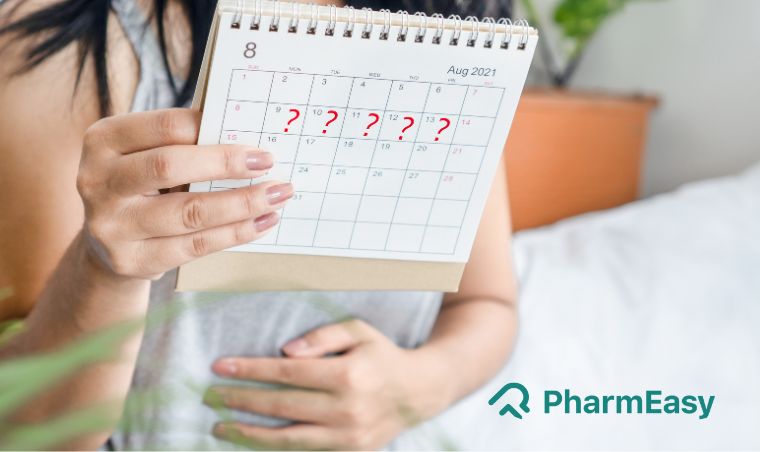
Meena, 45, a homemaker from Jaipur, noticed her monthly flow was over a week late. Usually predictable, this delay caused her significant anxiety, especially with the upcoming Diwali preparations.
She wondered if a change in her diet during the monsoon or the pressure of festival planning could be the culprit. This scenario is not uncommon in India, where lifestyle factors and cultural practices can subtly influence a woman's monthly cycle.
The monthly cycle is a complex interplay of hormones, and variations are normal. However, marked or persistent delays can be concerning. What should you actually do? Understanding the underlying reasons for a delayed flow is the first step towards managing it effectively and safely.
Many elements can contribute to irregularities in your flow. These range from everyday lifestyle choices to underlying health concerns. Understanding these factors helps in identifying potential causes for a delayed cycle.
The reality is, tension is a major disruptor. When you experience marked tension, your body releases cortisol, a stress hormone. Elevated cortisol levels can interfere with the reproductive hormones, specifically gonadotropin-releasing hormone (GnRH), which is crucial for regulating ovulation and menstruation.
Here's where it gets interesting.
This disruption can lead to delayed ovulation or even a missed flow. Studies have shown a direct correlation between high tension levels and menstrual irregularities, with some research suggesting it affects up to 25% of women experiencing missed periods.
What you eat plays a vital role in your overall health, including your reproductive system. Extreme dieting, rapid weight loss, or nutritional deficiencies can signal to your body that it's not an optimal time for reproduction, potentially halting ovulation.
Conversely, considerable weight gain or obesity can also disrupt hormone balance, leading to irregular cycles. For instance, over 101 million Indians are estimated to have diabetes (ICMR, 2023), a condition often linked to weight and hormonal imbalances that can affect menstruation.
While moderate exercise is beneficial, excessive and strenuous physical activity—common among athletes or those with very demanding jobs—can also impact your cycle. The body may perceive such intense exertion as a tensionor, leading to a disorder known as hypothalamic amenorrhea, where the brain signals to stop menstruation.
That alone changes everything.
This is often seen in endurance athletes or individuals who engage in rigorous training regimes without adequate caloric intake.
Underlying health concerns such as Polycystic Ovary Syndrome (PCOS), thyroid disorders, premature ovarian insufficiency, and certain chronic illnesses can significantly affect menstrual regularity. PCOS, for example, affects an estimated 8-13% of women of reproductive age in India (Lancet, 2023), often leading to irregular or absent periods.
Additionally, certain medications, including some contraceptives, antipsychotics, and chemotherapy drugs, can alter your monthly cycle.
Disruptions to your sleep schedule, such as working night shifts or frequent jet lag, can throw off your body's natural circadian rhythms. These rhythms influence the release of hormones, including those that regulate your monthly cycle. Consistent, quality sleep is essential for hormonal balance.
While there's no magic button to instantly induce a flow, certain lifestyle adjustments and natural methods may help encourage its onset if it's slightly delayed. It's crucial to approach these with caution and prioritise safety.
Reducing tension is paramount. Techniques like yoga, meditation, deep breathing exercises, or engaging in hobbies you enjoy can make a major difference.
Even simple practices like spending time in nature or listening to calming music can enable regulate your cortisol levels. Prioritising relaxation, especially during tense periods like festival times or exam weeks, is key.
Here's where it gets interesting.
Focus on a nutrient-rich diet. Include whole grains, lean proteins, fruits, and vegetables. Some women find that incorporating specific foods might benefit. For instance, vitamin C-rich foods like citrus fruits, papaya, and amla are anecdotally believed to benefit, though scientific evidence is limited.
Parsley and turmeric are also sometimes mentioned in traditional practices. Ensure you are consuming adequate calories to support your body's functions. 9 is generally considered healthy.
Drinking plenty of water is fundamental for overall health and can support bodily functions, including hormonal regulation. Aim for at least 8-10 glasses of water daily. Dehydration can sometimes exacerbate feelings of fatigue and discomfort associated with flow delays.
While intense exercise can delay periods, gentle to moderate physical activity can actually aid. Activities like walking, swimming, or light yoga can improve blood circulation and may support stimulate your uterine muscles. Avoid overexertion, especially if you are trying to encourage your flow.
Applying a warm compress to your abdomen or taking a warm bath can support relax your muscles and ease any cramping. This can also promote blood flow to the pelvic region, potentially encouraging uterine contractions and the onset of menstruation. This is a comforting and safe method often used for menstrual discomfort.
Here's where it gets interesting.
Some anecdotal evidence suggests that higher doses of Vitamin C might assist induce menstruation. Vitamin C is thought to potentially increase estrogen levels and lower progesterone levels, which could trigger a period.
However, scientific backing for this is weak, and excessive intake can cause digestive issues. It's best to get Vitamin C from natural food sources.
Certain herbal teas, such as chamomile, ginger, or raspberry leaf tea, are traditionally used to support menstrual health. Ginger, for example, is believed to have emmenagogue properties (substances that stimulate blood flow in the pelvic region).
However, always research the specific herb and its potential effects, and consult with a healthcare provider before consuming them regularly, especially if you have underlying health conditions or are on medication. The World Health Organization (WHO) advises caution with herbal remedies.
While occasional delays are normal, persistent or meaningful irregularities warrant a medical evaluation. So what does that mean for you? If you experience any of the following, it's time to consult a doctor:
Recovery is rarely linear.
A doctor can perform necessary tests—such as blood tests to check hormone levels or an ultrasound—to identify the cause and recommend appropriate treatment. In India, institutions like AIIMS provide specialised gynaecological care.
If health concerns are identified as the cause of your irregular periods, your doctor will discuss care options. This might include hormone therapy, lifestyle modifications, or medication to manage the underlying disorder.
For example, women with PCOS might be prescribed medication to regulate their cycle and manage insulin resistance. The International Diabetes Federation (IDF) highlights the importance of managing conditions that affect hormonal balance.
Visit Hospital
Near You

A cesarean section (C-section) is a surgical delivery in which a baby is born through an incision in the mother's abdomen and uterus. In Kolkata, several experienced obstetricians and well-equipped hospitals offer C-section services for planned and emergency deliveries. Understanding when a C-sectio
July 31, 2026
If you are searching for a Menstrual Disorders in Adolescent Girls Doctor in Kolkata, early evaluation by an experienced gynecologist can help identify the underlying cause of irregular or painful periods. While menstrual irregularities are common during the first few years after puberty, persistent
July 31, 2026
If you are searching for a Fibroid & Endometriosis doctor in Kolkata, choosing an experienced gynecologist with expertise in minimally invasive gynecological surgery is essential. Uterine fibroids and endometriosis are two common but different conditions that can cause pelvic pain, heavy menstrual b
July 31, 2026