

Emergency & Help
24/7 Emergency & General Advisory
🚨 24/7 Medical Emergency
Non-Emergency Advisory
10:00 AM – 6:00 PM, Mon–Sat
For appointments & general queries.
24/7 Emergency & General Advisory
🚨 24/7 Medical Emergency
Non-Emergency Advisory
10:00 AM – 6:00 PM, Mon–Sat
For appointments & general queries.
Debunking the myth that Vitamin C can induce an abortion. Learn about safe, FDA-approved medication abortion and how to access it with support.

In the digital age, information, and unfortunately, misinformation, travels at lightning speed. You might have heard whispers or read online claims about using Vitamin C to induce an abortion. It's a topic that can cause confusion and anxiety, especially for those seeking options. Let's clear the air: the idea that Vitamin C can safely and effectively end a pregnancy is a myth. It's not supported by science and, more importantly, it's not a safe approach. This article aims to debunk this myth, explain why it's not true, and guide you toward reliable, safe, and FDA-approved methods for ending a pregnancy if that's your choice. We understand that making decisions about your reproductive health can be complex, and having accurate information is paramount.
The origins of the Vitamin C abortion myth are somewhat obscure, possibly stemming from a Russian journal article published decades ago, in the 1960s. It's important to understand that this study did not adhere to modern scientific research standards. Since then, numerous scientific investigations have been conducted, and the consensus is clear: Vitamin C does not cause abortion. A comprehensive review of studies in 2016 found no evidence that taking Vitamin C affects pregnancy or increases the risk of miscarriage. Essentially, high doses of Vitamin C simply do not terminate a pregnancy.
Why doesn't Vitamin C work for abortion?
Pregnancy is a complex biological process. Ending a pregnancy requires specific medical interventions that safely manage the process. Relying on unproven methods not only fails to achieve the desired result but can also lead to unnecessary physical discomfort and emotional distress. It's natural to feel overwhelmed when considering your options, but misinformation can lead you down a path that is both ineffective and potentially harmful.
Imagine Priya, who recently discovered she is pregnant and feels unprepared to be a mother. She's heard from a friend of a friend about using Vitamin C to induce an abortion at home. Worried and confused, she starts taking very large doses of Vitamin C supplements, hoping it will work. After a few days of discomfort and no change in her pregnancy, she feels even more anxious and unsure of what to do next.
Priya's situation highlights the dangers of acting on unreliable information. Instead of finding a solution, she experienced only side effects and prolonged uncertainty. Fortunately, there are safe and effective medical options available.
If you are considering ending a pregnancy, it's vital to know that safe, FDA-approved options exist. Medication abortion, often referred to as the abortion pill, is a common and effective method that can be used early in pregnancy. It typically involves a combination of two medications:
The process usually takes between 1 to 3 days to complete. For many, medication abortion offers a private and less invasive way to end a pregnancy at home.
Accessing medication abortion has become more straightforward, especially with advancements in telemedicine.
In some specific medical situations, a healthcare provider might discuss other medication options, such as using misoprostol alone, or in rare cases, methotrexate (an arthritis medication used off-label for abortion). These decisions are always made in consultation with a medical professional who can assess your individual health needs and circumstances.
Navigating reproductive health decisions can feel isolating, but you are not alone. Numerous organizations are dedicated to providing support, information, and resources to individuals seeking abortion care.
These organizations can provide accurate information about your legal rights, connect you with healthcare professionals, and offer financial assistance if needed. They are committed to ensuring you have access to safe and respectful care.
It is always advisable to consult with a qualified healthcare professional when considering your reproductive health options. If you believe you are pregnant and are exploring options for ending the pregnancy, seeking professional medical advice is the safest first step. A doctor can:
Do not rely on unverified online claims or anecdotal advice. Your health and well-being are paramount, and professional medical guidance ensures you make informed decisions based on facts, not myths.
A: No, there is no scientific evidence to support the claim that Vitamin C can induce an abortion. It is ineffective and can lead to gastrointestinal side effects.
A: The safest way to end a pregnancy at home is through medication abortion, using FDA-approved medications like mifepristone and misoprostol, under the guidance of a healthcare professional.
A: You can find out about availability by consulting with a healthcare provider through a telehealth appointment or by contacting organizations like Planned Parenthood or the National Abortion Federation hotline.
A: Organizations like the National Network of Abortion Funds can help you find local resources that offer financial assistance for abortion care.
Visit Hospital
Near You
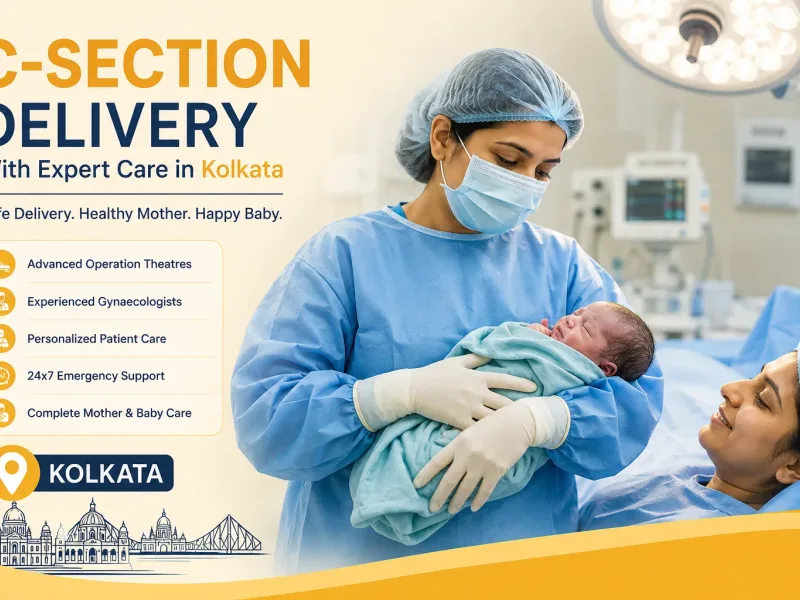
A cesarean section (C-section) is a surgical delivery in which a baby is born through an incision in the mother's abdomen and uterus. In Kolkata, several experienced obstetricians and well-equipped hospitals offer C-section services for planned and emergency deliveries. Understanding when a C-sectio
July 31, 2026
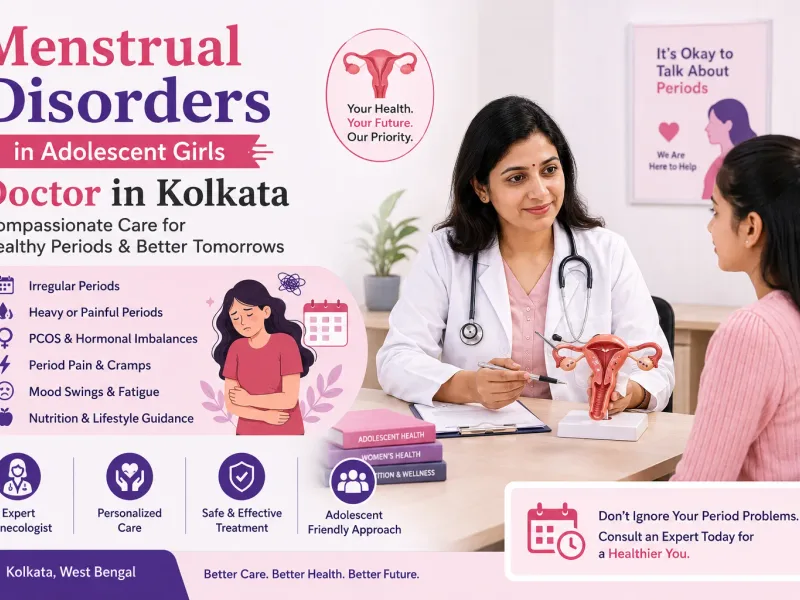
If you are searching for a Menstrual Disorders in Adolescent Girls Doctor in Kolkata, early evaluation by an experienced gynecologist can help identify the underlying cause of irregular or painful periods. While menstrual irregularities are common during the first few years after puberty, persistent
July 31, 2026
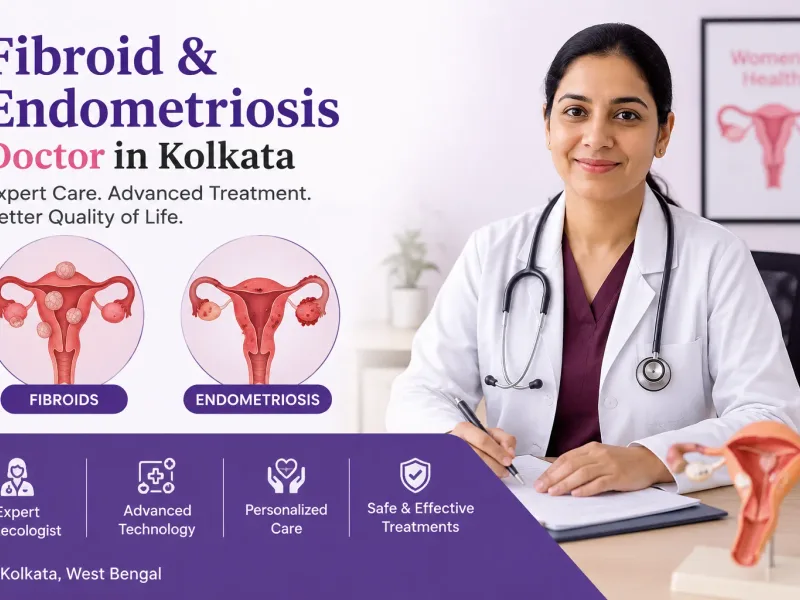
If you are searching for a Fibroid & Endometriosis doctor in Kolkata, choosing an experienced gynecologist with expertise in minimally invasive gynecological surgery is essential. Uterine fibroids and endometriosis are two common but different conditions that can cause pelvic pain, heavy menstrual b
July 31, 2026