

Emergency & Help
24/7 Emergency & General Advisory
🚨 24/7 Medical Emergency
Non-Emergency Advisory
10:00 AM – 6:00 PM, Mon–Sat
For appointments & general queries.
24/7 Emergency & General Advisory
🚨 24/7 Medical Emergency
Non-Emergency Advisory
10:00 AM – 6:00 PM, Mon–Sat
For appointments & general queries.
Explore the potential temporary effects of the COVID-19 vaccine on menstrual cycles and postmenopausal bleeding, backed by research. Learn when to consult a doctor.
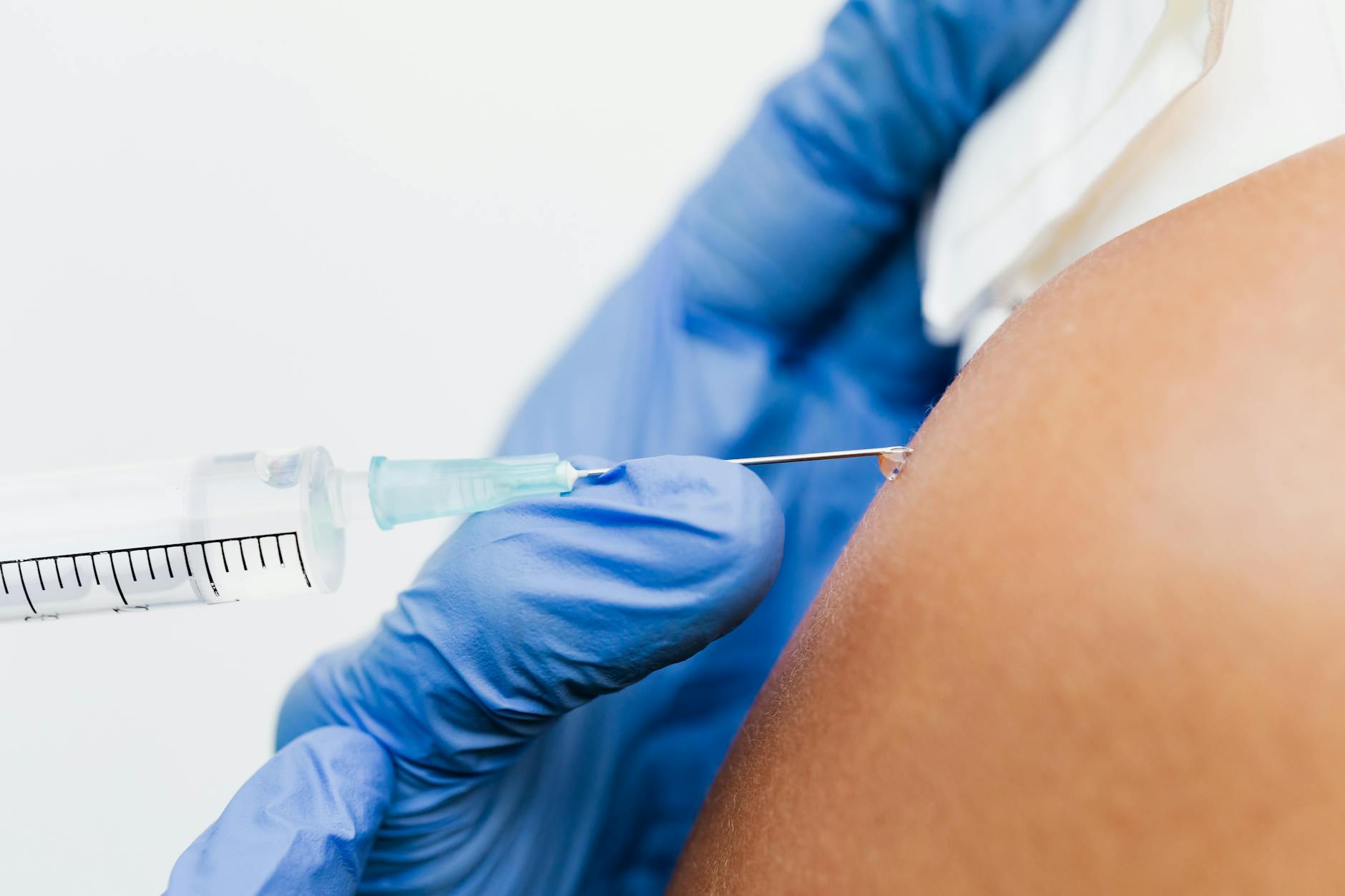
Understanding the COVID-19 Vaccine's Impact on Menstruation and Menopause In recent times, there has been considerable discussion across various online platforms and social media regarding the potential effects of the COVID-19 vaccine on menstrual cycles and menopausal experiences. While many of these conversations are anecdotal, a growing body of scientific research is beginning to shed light on these connections. This article aims to provide a clear, practical understanding for Indian readers about how the COVID-19 vaccine might influence menstruation and postmenopausal bleeding, backed by available evidence. What is Menopause? Menopause is a natural biological process marking the end of a woman's reproductive years. Medically, it is defined as the point in time 12 months after a woman's last menstrual period. The years leading up to menopause, known as perimenopause, are characterized by significant hormonal fluctuations, often leading to irregular menstrual cycles. Symptoms during perimenopause can include: Irregular periods (shorter or longer cycles, lighter or heavier bleeding) Hot flashes and night sweats Sleep disturbances Mood swings Vaginal dryness Changes in libido It is important to note that menstrual irregularities are a common and expected part of perimenopause, irrespective of vaccination status. COVID-19 Vaccine and Menstrual Irregularities Following the rollout of COVID-19 vaccines, reports emerged of temporary menstrual irregularities among vaccinated individuals. Some studies have investigated these reports, suggesting a potential link between the vaccine and changes in menstruation. For instance, a significant number of reports concerning menstrual irregularities and postmenopausal bleeding were submitted to adverse event reporting systems in the UK. However, when compared to the vast number of people vaccinated, these numbers are relatively small. Research indicates that if menstrual changes occur after vaccination, they are typically temporary. These changes often involve a slight lengthening of the overall cycle, rather than an increase in the number of bleeding days. The prevailing theory is that the immune response triggered by the vaccine might temporarily affect reproductive hormones, leading to these minor, short-lived alterations in the menstrual cycle. It is crucial to remember that menstrual cycles naturally vary significantly from person to person and can change throughout a woman's life, especially during perimenopause. COVID-19 Vaccine and Postmenopausal Bleeding There have also been reports linking the COVID-19 vaccine to postmenopausal bleeding. Postmenopausal bleeding refers to any vaginal bleeding that occurs after a woman has reached menopause. While occasional spotting or light bleeding can occur in the perimenopausal transition, persistent or significant bleeding after menopause is not typical and warrants medical attention. Case reports have documented instances of vaginal bleeding in women who had not had a period for many years. While postmenopausal bleeding is not always a sign of a serious condition, it is essential to consult a doctor to determine the underlying cause. The connection between the COVID-19 vaccine and postmenopausal bleeding is an area of ongoing research, and while some studies suggest a possible link, the overall incidence appears to be low. Distinguishing Vaccine Effects from Other Causes It can be challenging to pinpoint the exact cause of menstrual irregularities or postmenopausal bleeding, especially for individuals in perimenopause, where hormonal fluctuations naturally cause such changes. Several factors can influence your menstrual cycle: Stress: Significant emotional or physical stress can disrupt hormonal balance. Diet and Exercise: Extreme changes in diet or intense exercise regimens can affect your cycle. Weight Fluctuations: Rapid weight gain or loss can impact hormones. Medications: Certain medications can influence menstrual regularity. Underlying Medical Conditions: Conditions like Polycystic Ovary Syndrome (PCOS), thyroid disorders, or uterine fibroids can cause irregular bleeding. If you are experiencing unusual bleeding or significant changes in your menstrual cycle, it is vital to consider all potential factors, including but not limited to vaccination status. When to Consult a Doctor While temporary menstrual changes after the COVID-19 vaccine are generally considered harmless and resolve on their own, it is crucial to seek medical advice in certain situations: Persistent or Heavy Bleeding: If your menstrual periods become significantly heavier than usual or continue for an extended period. Postmenopausal Bleeding: Any instance of vaginal bleeding after you have officially reached menopause (12 consecutive months without a period) should be evaluated by a doctor. Severe Symptoms: If you experience severe pain, dizziness, or other concerning symptoms along with the bleeding. Uncertainty: If you are worried about the changes you are experiencing and want to rule out other potential causes. Your doctor can help determine the cause of your symptoms and recommend appropriate management strategies. They can perform necessary examinations and tests to ensure your well-being. Prevention and General Well-being While the direct prevention of vaccine-related menstrual changes isn't possible, maintaining overall health can help your body manage any temporary disruptions. Focus on: Balanced Nutrition: Eat a healthy, balanced diet rich in fruits, vegetables, and whole grains. Regular Exercise: Engage in moderate physical activity. Stress Management: Practice relaxation techniques like yoga, meditation, or deep breathing exercises. Adequate Sleep: Ensure you get 7-9 hours of quality sleep per night. By prioritizing your general health, you support your body's natural resilience and ability to adapt to changes. Conclusion The COVID-19 vaccine has been linked to temporary menstrual irregularities and, in some cases, postmenopausal bleeding. While research is ongoing, current evidence suggests these effects are generally short-lived and not indicative of serious long-term health issues for most individuals. However, it is always advisable to listen to your body, monitor any changes, and consult with a healthcare professional if you have concerns or experience
In summary, timely diagnosis, evidence-based treatment, and prevention-focused care improve long-term health outcomes.
Visit Hospital
Near You
Find trusted cervical cancer specialists in Garden Reach. Learn about early detection, treatment options, and expert care for women's health.
May 19, 2026
Locate skilled cervical cancer specialists in Nadia. Learn about diagnosis, treatment, and prevention options for this vital health concern.
May 19, 2026
Find top cervical cancer specialists in North 24 Parganas. Learn about screening, diagnosis, and treatment options for better outcomes.
May 19, 2026