

Emergency & Help
24/7 Emergency & General Advisory
🚨 24/7 Medical Emergency
Non-Emergency Advisory
10:00 AM – 6:00 PM, Mon–Sat
For appointments & general queries.
24/7 Emergency & General Advisory
🚨 24/7 Medical Emergency
Non-Emergency Advisory
10:00 AM – 6:00 PM, Mon–Sat
For appointments & general queries.
Discover exercises that help strengthen bones and balance hormones after menopause. Learn about resistance training, weight-bearing cardio, water aerobics, and mind-body exercises to combat osteoporosis and improve well-being.
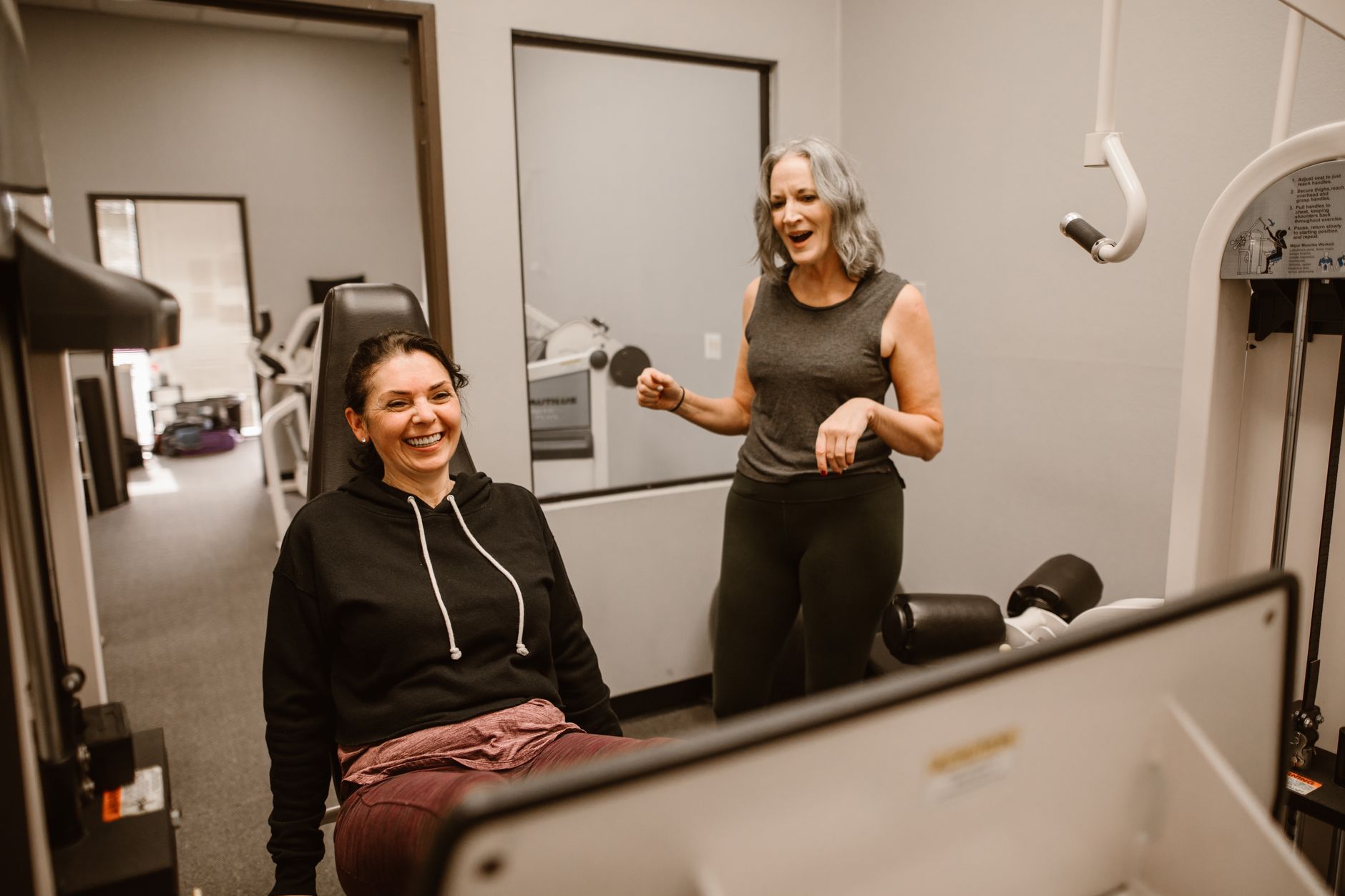
Menopause marks a significant transition in a woman's life, bringing about a cascade of hormonal changes that can profoundly impact overall health, particularly bone density. As estrogen levels decline, the body's ability to maintain bone mass is compromised, leading to a higher risk of osteoporosis. Osteoporosis is a condition characterized by weakened, brittle bones, making them more susceptible to fractures. It's estimated that about half of all postmenopausal women experience osteoporosis, which can lead to debilitating pain, reduced mobility, and a significant decrease in quality of life. However, the journey through menopause doesn't have to mean a decline in bone strength. With a proactive approach focusing on proper nutrition and targeted exercise, women can effectively protect their bone health and mitigate the risks associated with osteoporosis.
Exercise is a cornerstone of managing bone health after menopause. It not only helps to strengthen existing bones but also plays a vital role in maintaining hormonal balance, which is crucial during this life stage. The physical stress placed on bones during exercise stimulates bone-forming cells, leading to increased bone density and strength. Furthermore, certain types of physical activity can influence sex hormone levels, offering a dual benefit for postmenopausal women.
Resistance training, also known as strength training, involves using external forces like weights, resistance bands, or even your own body weight to challenge your muscles. This type of exercise is highly effective for building muscle mass and, importantly, for increasing bone strength. The mechanical stress on the bones during these exercises signals the body to lay down more bone tissue, thereby improving bone mineral density. Studies have also indicated that resistance training can help in balancing sex hormones, including estrogen, which is beneficial for bone health.
It is particularly beneficial to focus on exercises that target the muscles in the back, hips, and thighs, as these are the areas most commonly affected by fractures in postmenopausal women due to osteoporosis.
Weight-bearing exercises are activities where you support your own body weight against gravity. These exercises are essential for strengthening bones, especially in the legs, hips, and lower spine. The impact of your feet hitting the ground during these activities stimulates bone cells and promotes bone growth.
Aerobic exercises, in general, may also contribute to regulating sex hormone levels, further supporting bone health and overall well-being.
While not strictly weight-bearing in the traditional sense, water aerobics offers a unique advantage for postmenopausal women, especially those with osteoporosis or joint pain. The buoyancy of water reduces stress on the joints, making it a safer option for exercise. Despite the reduced impact, water resistance can still help maintain or even promote bone strength. This makes it an excellent choice for individuals who find land-based exercises too strenuous or painful.
Mind-body exercises like Tai Chi and Yoga are invaluable for improving balance, flexibility, and muscle strength. For postmenopausal women, particularly those with osteoporosis, improved balance is critical to reduce the risk of falls, which can lead to serious fractures. These practices can also have positive effects on bone density.
It is essential to consult with your doctor before starting any new exercise program, especially if you have been diagnosed with osteoporosis or have other underlying health conditions. Your doctor can help you create a safe and effective exercise plan tailored to your specific needs and physical condition. They can also advise on appropriate calcium and vitamin D intake, which are vital for bone health.
The menopausal transition presents unique challenges to bone health, but it is not an insurmountable obstacle. By incorporating a variety of exercises, including resistance training, weight-bearing cardiovascular activities, and mind-body practices, postmenopausal women can actively work towards strengthening their bones, improving hormonal balance, and reducing the risk of osteoporosis and fractures. A consistent and well-rounded exercise routine, combined with adequate nutrition and medical guidance, empowers women to maintain an active and healthy lifestyle throughout their later years.
This section adds practical context and preventive advice to help readers make informed healthcare decisions. It is important to verify symptoms early, consult qualified doctors, and avoid self-medication for persistent health issues.
Maintaining healthy routines, following prescribed treatment plans, and attending regular checkups can improve outcomes. If symptoms worsen or red-flag signs appear, immediate medical evaluation is recommended.
Track symptoms and duration.
Follow diagnosis and treatment from a licensed practitioner.
Review medication side effects with your doctor.
Seek urgent care for severe warning signs.
Visit Hospital
Near You
Find trusted cervical cancer specialists in Garden Reach. Learn about early detection, treatment options, and expert care for women's health.
May 19, 2026
Locate skilled cervical cancer specialists in Nadia. Learn about diagnosis, treatment, and prevention options for this vital health concern.
May 19, 2026
Find top cervical cancer specialists in North 24 Parganas. Learn about screening, diagnosis, and treatment options for better outcomes.
May 19, 2026