

Emergency & Help
24/7 Emergency & General Advisory
🚨 24/7 Medical Emergency
Non-Emergency Advisory
10:00 AM – 6:00 PM, Mon–Sat
For appointments & general queries.
24/7 Emergency & General Advisory
🚨 24/7 Medical Emergency
Non-Emergency Advisory
10:00 AM – 6:00 PM, Mon–Sat
For appointments & general queries.
Explore how birth control pills can help manage severe PMDD symptoms, alongside other treatment options like medication, lifestyle changes, and therapies. Learn about potential benefits and side effects.
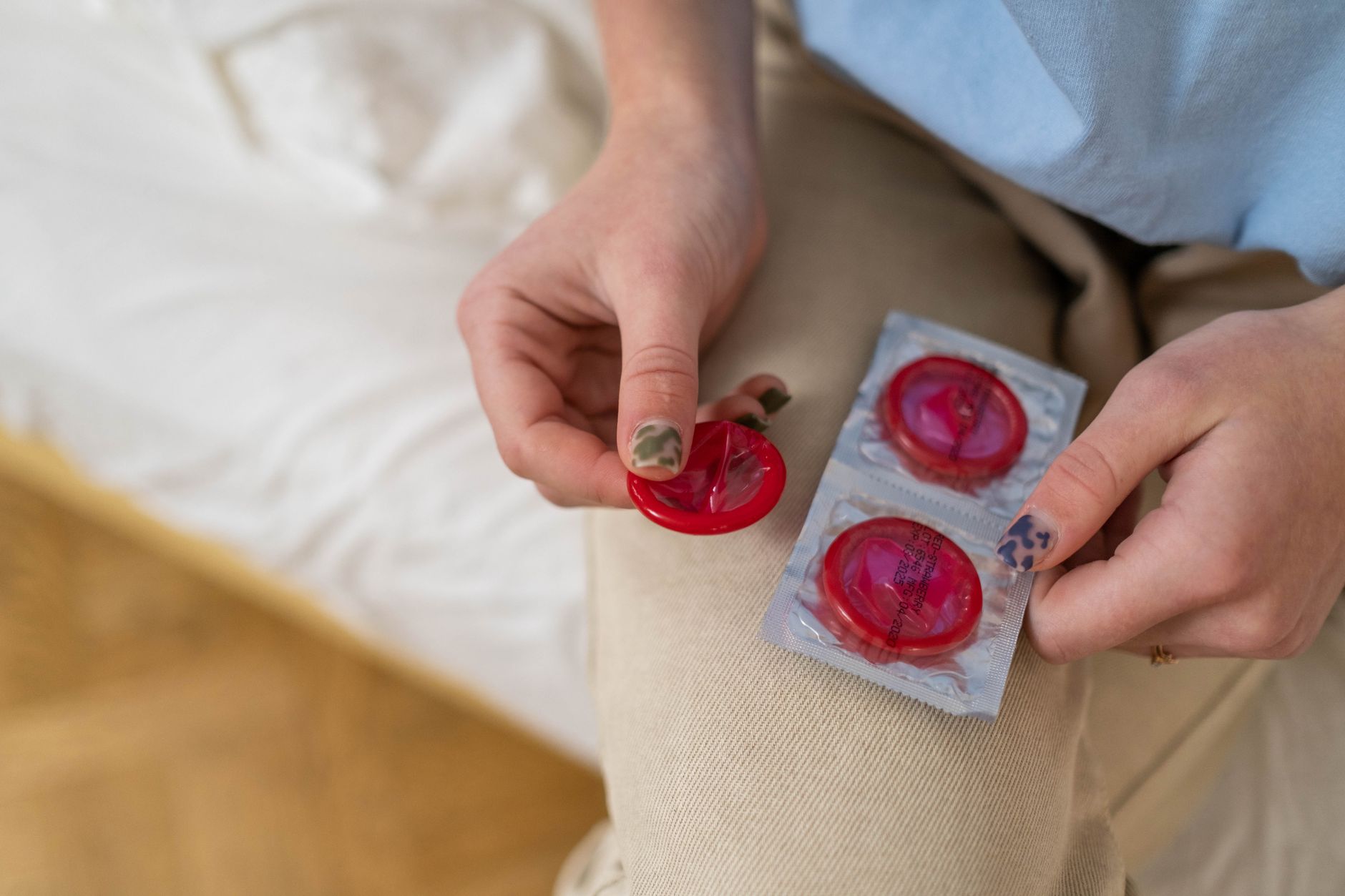
Dealing with Premenstrual Dysphoric Disorder (PMDD) can feel like navigating a storm. It’s more than just the usual premenstrual blues; PMDD can significantly disrupt your life with intense emotional and physical symptoms that appear a week or two before your period. If you’re one of the many women experiencing this chronic condition, you’re likely searching for effective ways to find relief. You might have heard that birth control pills could be an option. Let’s explore how these oral contraceptives might help, what the potential benefits and drawbacks are, and what other avenues you can explore for managing PMDD.
First things first, let’s clarify what PMDD is. Think of it as a severe, debilitating form of Premenstrual Syndrome (PMS). While many women experience mild mood swings, bloating, or fatigue before their period, PMDD symptoms are far more intense. They can include severe depression, anxiety, irritability, mood swings, difficulty concentrating, fatigue, and even suicidal thoughts. These symptoms can be so overwhelming that they interfere with your work, relationships, and daily functioning. It’s a serious condition that deserves proper medical attention and effective management strategies.
The core idea behind using birth control pills for PMDD is to regulate your hormone levels. PMDD is thought to be linked to how your body reacts to normal hormonal fluctuations during the menstrual cycle. Birth control pills, particularly those containing a combination of hormones like ethinyl estradiol and drospirenone, work by suppressing ovulation and stabilizing these hormone levels. This hormonal regulation can lead to a significant reduction in both the emotional and physical symptoms associated with PMDD.
Key Benefits of Birth Control Pills for PMDD:
It’s essential to approach any medication, including birth control pills, with a clear understanding of potential side effects. While many side effects are mild and temporary, some can be more serious. It’s crucial to have an open conversation with your doctor about your health history to determine if birth control pills are a safe option for you.
Common Side Effects May Include:
More Serious Potential Side Effects:
When to Avoid Birth Control Pills:
You should generally avoid hormonal birth control pills if you have a history of:
If you experience a severe reaction or concerning symptoms while on birth control, seek medical attention immediately.
Birth control pills are not the only game in town when it comes to managing PMDD. A comprehensive approach often involves a combination of strategies tailored to your specific needs. Your doctor will likely discuss several options with you:
Selective Serotonin Reuptake Inhibitors (SSRIs): These antidepressants are often a first-line treatment for PMDD. They work by increasing serotonin levels in the brain, which can help regulate mood, reduce anxiety, and alleviate depressive symptoms. SSRIs are FDA-approved for PMDD and can be taken daily or just during the luteal phase (the two weeks before your period).
Other Medications: Depending on your symptoms, your doctor might also consider other types of antidepressants, anti-anxiety medications, or pain relievers.
Dietary Adjustments: While no specific diet cures PMDD, making mindful choices can help. Reducing your intake of salt, sugar, caffeine, and alcohol may lessen symptoms like bloating, mood swings, and irritability. Focusing on a balanced diet rich in fruits, vegetables, and whole grains can support overall well-being.
Stress Management: Chronic stress can exacerbate PMDD symptoms. Techniques like yoga, meditation, deep breathing exercises, and mindfulness can be incredibly beneficial. Finding healthy coping mechanisms is key.
Cognitive Behavioral Therapy (CBT): A 2019 trial highlighted that CBT can significantly improve sleep quality, reduce anxiety and depression, and manage other PMDD symptoms. Talking therapy can equip you with tools to reframe negative thoughts and develop healthier coping strategies.
Regular Exercise: Physical activity can boost your mood, reduce stress, and improve sleep. Aim for regular, moderate exercise that you enjoy.
For managing physical discomfort like cramps, headaches, and body aches, OTC pain relievers such as ibuprofen or naproxen can provide temporary relief. However, it’s always best to consult your doctor before starting any new medication or supplement regimen.
Some women find relief from certain herbal supplements. However, it’s *critically important* to discuss these with your healthcare provider before use. The safety and efficacy of many supplements haven't been rigorously proven for PMDD, and they can interact with other medications or have side effects. Your doctor can guide you on potentially safe options and appropriate dosages.
Deciding on the best PMDD treatment involves a thorough assessment of your unique situation. Your doctor will consider:
Often, the most effective approach is a combination of therapies. You might find that a medication works well alongside dietary changes and stress management techniques. The journey to managing PMDD is personal, and it may take some trial and error to find the perfect combination that brings you relief and allows you to reclaim your life.
If you suspect you have PMDD, or if your premenstrual symptoms are significantly impacting your life, it’s time to reach out to a healthcare professional. Don’t hesitate to discuss your concerns with your primary care doctor or a gynecologist. If you experience severe mood changes, thoughts of self-harm, or any other alarming symptoms, seek immediate medical attention by calling emergency services or going to the nearest hospital.
A1: Yes, PMDD is a recognized and diagnosable medical condition. It is listed in the Diagnostic and Statistical Manual of Mental Disorders (DSM-5) and is considered a severe form of PMS.
A2: While there isn't a definitive cure for PMDD, it can be effectively managed with appropriate treatment. The goal is to reduce symptom severity and improve your quality of life.
A3: PMDD symptoms typically begin in the week or two before menstruation and resolve within a few days of the period starting. However, the duration and intensity can vary among individuals.
A4: While some natural approaches like dietary changes, exercise, and stress management techniques can help alleviate symptoms, it's crucial to discuss any herbal supplements or specific remedies with your doctor. Their effectiveness and safety for PMDD haven't always been conclusively proven through rigorous scientific study.
A5: Most birth control pills, including those used for PMDD, are highly effective at preventing pregnancy when taken correctly. However, no birth control method is 100% foolproof. If preventing pregnancy is a primary concern, discuss the most reliable options with your doctor.
Visit Hospital
Near You
Discover PCOS treatment options in Rajpur Sonarpur. Expert insights on diagnosis, management, and lifestyle changes for women's health.
May 19, 2026
Discover effective PCOS treatment options in Hooghly. Expert guidance and support for managing Polycystic Ovary Syndrome.
May 19, 2026
Seeking an infertility doctor in Bardhaman? Discover top specialists, advanced treatments, and supportive care for your fertility journey.
May 19, 2026