

Emergency & Help
24/7 Emergency & General Advisory
🚨 24/7 Medical Emergency
Non-Emergency Advisory
10:00 AM – 6:00 PM, Mon–Sat
For appointments & general queries.
24/7 Emergency & General Advisory
🚨 24/7 Medical Emergency
Non-Emergency Advisory
10:00 AM – 6:00 PM, Mon–Sat
For appointments & general queries.
Learn about Plan B, emergency contraception, its cost in India, where to buy it, how it works, and when to consult a doctor. Get informed about your reproductive health options.
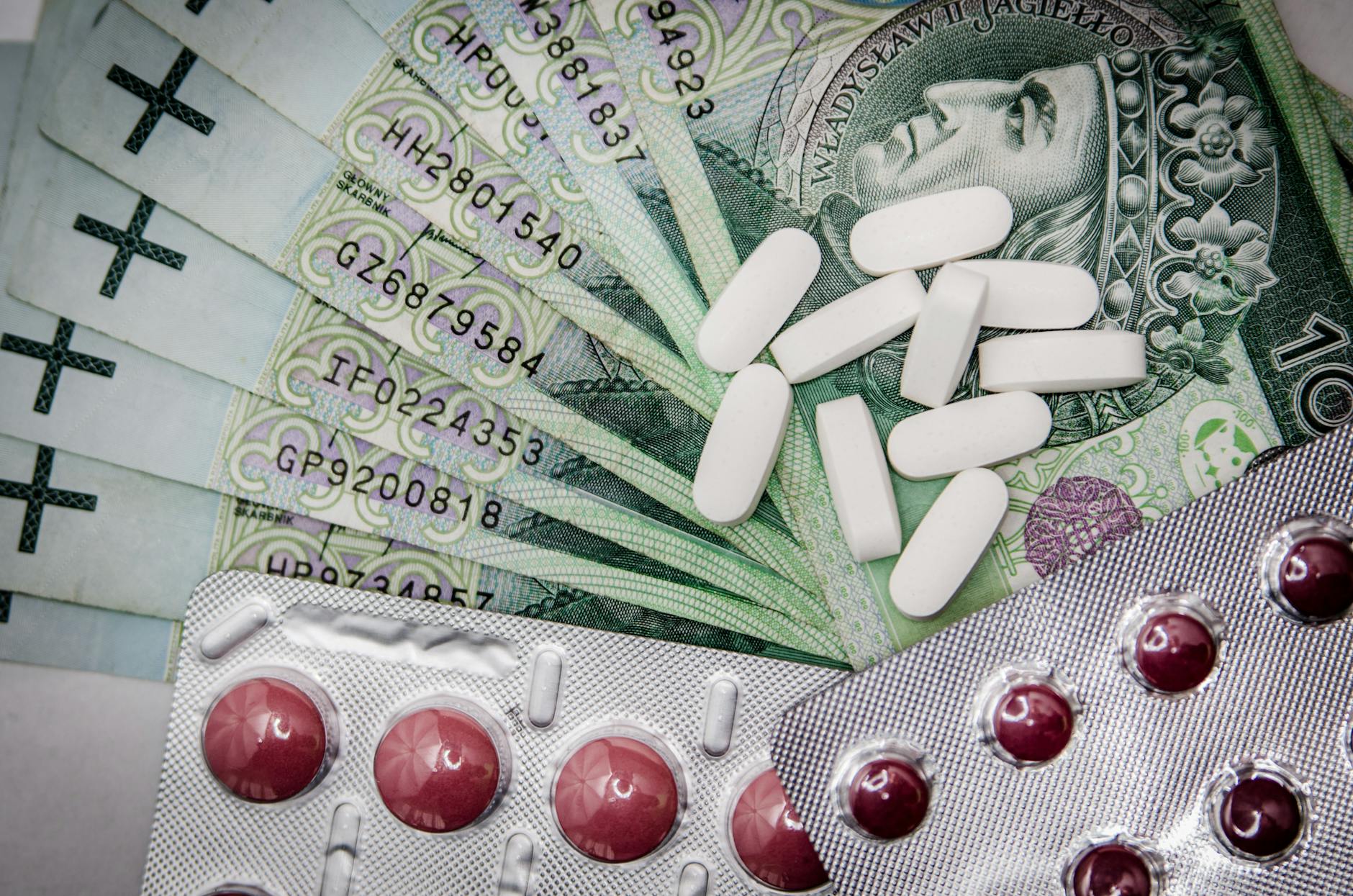
Accidents happen. Unprotected sex, a condom mishap, or maybe you just weren't prepared. In these moments, the thought of an unintended pregnancy can be overwhelming. That's where emergency contraception, commonly known as the “morning-after pill,” comes in. Plan B is a leading brand, but there are other options too. Think of it as a backup plan, a safety net to help prevent pregnancy after unprotected intercourse. It’s not an abortion pill; it doesn't end an existing pregnancy. Instead, it works primarily by delaying or preventing ovulation – the release of an egg from your ovary. Without an egg, sperm has nothing to fertilize. It’s a crucial tool for reproductive health, offering peace of mind when you need it most.
Plan B One-Step is a popular choice, but it's not the only one. You might also hear about generic versions of Plan B, which contain the same active ingredient (levonorgestrel) and work in the same way. Then there’s Ella (ulipristal acetate), another FDA-approved emergency contraceptive. While both are effective, they have slightly different mechanisms and effectiveness rates, especially when taken later within the 72-hour window. Ella is generally considered more effective when taken closer to 72 hours after unprotected sex, and it can also be effective for a slightly longer period. However, Ella often requires a prescription, unlike Plan B and its generics, which are available over-the-counter in many places.
The key to emergency contraception is timeliness. Plan B and its generics are most effective when taken within 24 hours of unprotected sex. The sooner, the better! If you take it within this first day, it’s about 95% effective. That’s a significant chance of preventing pregnancy. However, it can still be taken up to 72 hours (3 days) after unprotected sex. While its effectiveness decreases during this later window – dropping to about 61% between 48 and 72 hours – it’s still a valuable option if you miss the earlier timeframe. Don't delay if you're concerned; take it as soon as you can. If it’s been longer than 72 hours, other emergency contraception options might be considered, or you’ll need to explore other pregnancy prevention methods.
It's natural to feel anxious if your period doesn't arrive on time after taking emergency contraception. If you took Plan B correctly and within the recommended timeframe, but your period is more than three weeks late, it's essential to take a home pregnancy test. If the test is positive, or if you have any concerns, please consult your doctor immediately. They can confirm whether you are pregnant and discuss your options. Remember, emergency contraception is not 100% effective, and sometimes pregnancy can still occur.
Understanding the cost is a major concern for many. In India, the availability and pricing of emergency contraception can vary. While brand-name Plan B One-Step might range from ₹3,000 to ₹4,000 (approximately $40-$50 USD), generic versions are often much more affordable, potentially costing as little as ₹700 to ₹1,000 (around $10-$15 USD). These generic options provide a more accessible choice for many individuals.
Pharmacies: You can typically find generic emergency contraceptive pills at most large pharmacies and chemist shops across India. In many cases, you won’t need a prescription or even an ID to purchase them. Just ask the pharmacist for emergency contraceptive pills. However, it’s always a good idea to check with your local pharmacy beforehand, as stock can vary.
Online Pharmacies & Telehealth: Several online pharmacies and telehealth platforms in India now offer discreet delivery of emergency contraception. Services like Netmeds, 1mg, and PharmEasy might list these products. Some platforms may offer discounted rates or bundle options. When ordering online, ensure you are using a reputable and licensed platform. You may need to provide basic information, but often a prescription isn’t required for the over-the-counter versions. For prescription-based options like Ella, you will need a consultation with a doctor through the platform.
Health Clinics and NGOs: For those facing financial constraints, local health clinics, family planning centers, and non-governmental organizations (NGOs) may offer emergency contraception at a subsidized cost or even for free. Organizations like Marie Stopes India and others dedicated to sexual and reproductive health often provide these services. Don’t hesitate to reach out to these resources if cost is a barrier.
In India, the concept of health insurance covering emergency contraception is less common than in some Western countries, and direct coverage for over-the-counter pills is rare. However, if you have a comprehensive health insurance plan, it’s worth checking the policy details or speaking with your provider. In some specific cases, if prescribed by a doctor as part of a broader reproductive health consultation, it might be claimable. Health Savings Accounts (HSAs) or similar flexible spending accounts, if available through your employer, might allow reimbursement for emergency contraception purchases. Always verify the specific terms and conditions of your plan.
Taking the morning-after pill is straightforward. It’s a single tablet that you swallow with water. The most critical instruction is to take it as soon as possible, ideally within 12 hours and definitely within 72 hours of unprotected sex. There’s no advantage to waiting until the 72-hour mark; your best chance of effectiveness is in the first 24 hours. There are no specific food or drink restrictions, so you can take it with or without a meal. If you happen to vomit within two hours of taking the pill, you should contact your doctor or pharmacist immediately, as you may need to take another dose.
While generally safe, like any medication, emergency contraception can have side effects. These are usually temporary and mild. Common side effects include:
These effects typically subside within a day or two. If you experience severe or persistent side effects, consult a healthcare professional.
A: Absolutely not. Plan B is designed for emergency use only, after unprotected sex. It is not as effective as regular, daily birth control methods (like pills, IUDs, or implants) and should not be relied upon for ongoing contraception.
A: No. Emergency contraception like Plan B does not protect against sexually transmitted infections (STIs). For STI prevention, consistent condom use is essential.
A: While Plan B can be taken at any time during your menstrual cycle, it’s generally not recommended to take it if you are already using regular hormonal birth control. If you missed pills or are concerned about your regular method failing, consult your doctor about the best course of action. Taking Plan B unnecessarily might disrupt your cycle.
A: You can have sex after taking Plan B, but it’s crucial to use a reliable barrier method (like a condom) until your next period starts. This is because Plan B only works for a limited time after you take it and does not offer ongoing protection.
While Plan B is available over-the-counter and generally safe, it’s always wise to seek medical advice in certain situations:
Taking care of your reproductive health is paramount. Understanding your options, including emergency contraception, empowers you to make informed decisions. Remember, Plan B is a valuable tool for unexpected situations, offering a chance to prevent pregnancy when things don’t go as planned. Accessing it affordably and knowing how and when to use it are key steps in managing your sexual and reproductive well-being.
Visit Hospital
Near You
Discover PCOS treatment options in Rajpur Sonarpur. Expert insights on diagnosis, management, and lifestyle changes for women's health.
May 19, 2026
Discover effective PCOS treatment options in Hooghly. Expert guidance and support for managing Polycystic Ovary Syndrome.
May 19, 2026
Seeking an infertility doctor in Bardhaman? Discover top specialists, advanced treatments, and supportive care for your fertility journey.
May 19, 2026