

Emergency & Help
24/7 Emergency & General Advisory
🚨 24/7 Medical Emergency
Non-Emergency Advisory
10:00 AM – 6:00 PM, Mon–Sat
For appointments & general queries.
24/7 Emergency & General Advisory
🚨 24/7 Medical Emergency
Non-Emergency Advisory
10:00 AM – 6:00 PM, Mon–Sat
For appointments & general queries.
Understand the causes, symptoms, and effective coping strategies for depression linked to your menstrual cycle. Learn how hormonal shifts impact mood and when to seek professional help.
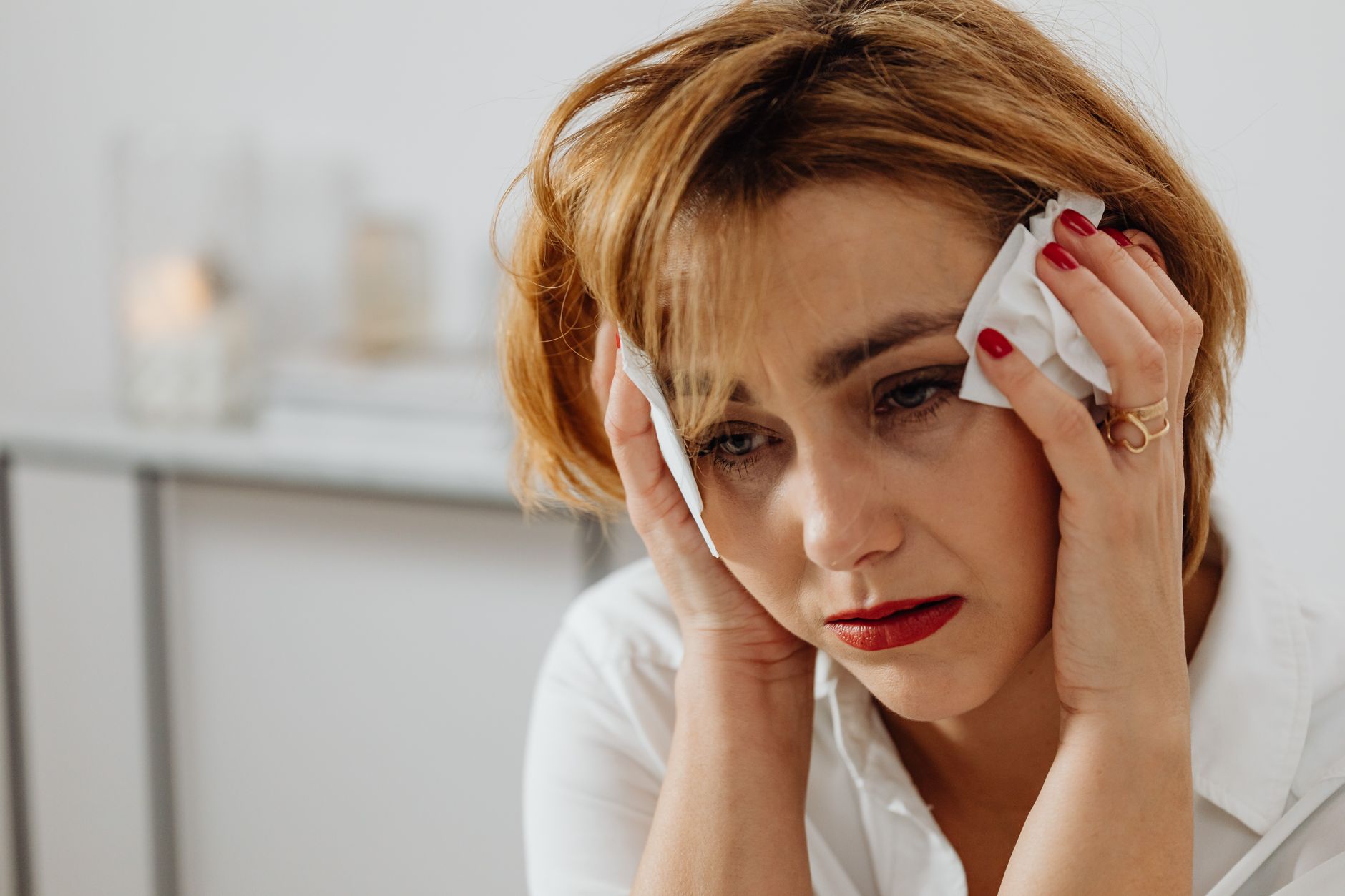
Periods can bring a whole host of uncomfortable symptoms, and for many women in India, these extend far beyond the usual cramps and fatigue. It's incredibly common to experience emotional distress during your menstrual cycle, and for some, this can manifest as symptoms of depression. These mood changes often appear in the days leading up to your period, but they don't always vanish as soon as it starts. They can linger for days, or even longer, with some individuals experiencing depression even after their period has ended. These mood symptoms can significantly impact your daily life, affecting work, relationships, and overall well-being. But what exactly triggers these feelings of depression before, during, and sometimes even after your period? Let's explore the science behind it, along with practical tips for managing these challenging times and guidance on seeking professional support.
While experts are still unraveling the exact causes of mood changes linked to the menstrual cycle, hormones are believed to play a starring role. Throughout your cycle, your hormone levels naturally fluctuate. These shifts can influence other crucial hormones and neurotransmitters in your body, particularly serotonin and dopamine. Both of these are well-known for their impact on mood and are often implicated in depression.
To understand how hormones affect mood, it helps to know the basic stages of your menstrual cycle:
The Hormonal Connection to Mood:
Before ovulation, as estrogen levels climb, dopamine levels also increase. This rise and fall in dopamine might explain why some women notice changes in their working memory and concentration during their period. After ovulation, both dopamine and estrogen decline again. Right before your period starts, there's another significant drop in both estrogen and progesterone. For some women, this post-ovulation dip in estrogen leads to a corresponding drop in serotonin. Research from 2017 highlighted a link between progesterone fluctuations and a decline in dopamine, suggesting that low levels of both progesterone and estrogen can contribute to mood changes, including depressive symptoms.
It's important to remember that not everyone experiences depression during their cycle. Hormones are a major player, but they aren't the only story. Genetics can also play a role, influencing how sensitive you are to hormonal changes. This sensitivity can increase the likelihood of experiencing Premenstrual Syndrome (PMS). For some, PMS symptoms are mild, like slight cramping or bloating. However, for many, PMS symptoms are more intense and can include significant mood swings, irritability, and yes, symptoms of depression.
Period depression, also known as Premenstrual Dysphoric Disorder (PMDD) in its more severe form, shares many symptoms with general depression. However, these symptoms are specifically linked to the luteal phase of your menstrual cycle and typically improve shortly after your period begins. Look out for these common signs:
It's vital to distinguish between the typical moodiness associated with PMS and the more debilitating symptoms of period depression or PMDD. If these symptoms significantly interfere with your daily life, relationships, or work, it's time to seek professional help.
Managing period depression involves a multi-faceted approach, combining lifestyle adjustments, self-care, and sometimes, medical intervention. Here are some effective strategies:
If self-care strategies aren't enough, or if your symptoms are severe, it's crucial to consult a healthcare professional. They can provide a proper diagnosis and discuss treatment options tailored to your needs.
Depending on the severity of your symptoms, your doctor might recommend:
If you experience any thoughts of harming yourself or others, please reach out for help immediately. You can:
These confidential, free hotlines are available 24/7. Remember, you are not alone, and help is available.
While you can't entirely prevent the hormonal changes of your menstrual cycle, you can take steps to mitigate their impact on your mood. Consistent healthy habits – a nutritious diet, regular exercise, sufficient sleep, and effective stress management – form the foundation of good mental health throughout the month. Tracking your cycle and noting your mood patterns can also provide valuable insights, helping you anticipate challenging periods and prepare coping strategies in advance.
Yes. While both involve mood changes related to your cycle, period depression (or PMDD) involves more severe and debilitating symptoms that significantly impact daily functioning, whereas PMS symptoms are generally milder.
For many, lifestyle changes like diet, exercise, stress management, and adequate sleep can significantly help manage milder symptoms. However, for more severe cases, medical intervention may be necessary.
Symptoms usually appear in the week or two before your period and tend to improve within a few days of your period starting. However, for some, symptoms can persist longer.
Effective treatments often include SSRI antidepressants, hormonal therapy, and psychotherapy (like CBT). A combination of these approaches is frequently used.
You should consult a doctor if your mood symptoms are severe, interfere with your daily life, or if you experience thoughts of self-harm.
Visit Hospital
Near You
Discover PCOS treatment options in Rajpur Sonarpur. Expert insights on diagnosis, management, and lifestyle changes for women's health.
May 19, 2026
Discover effective PCOS treatment options in Hooghly. Expert guidance and support for managing Polycystic Ovary Syndrome.
May 19, 2026
Seeking an infertility doctor in Bardhaman? Discover top specialists, advanced treatments, and supportive care for your fertility journey.
May 19, 2026