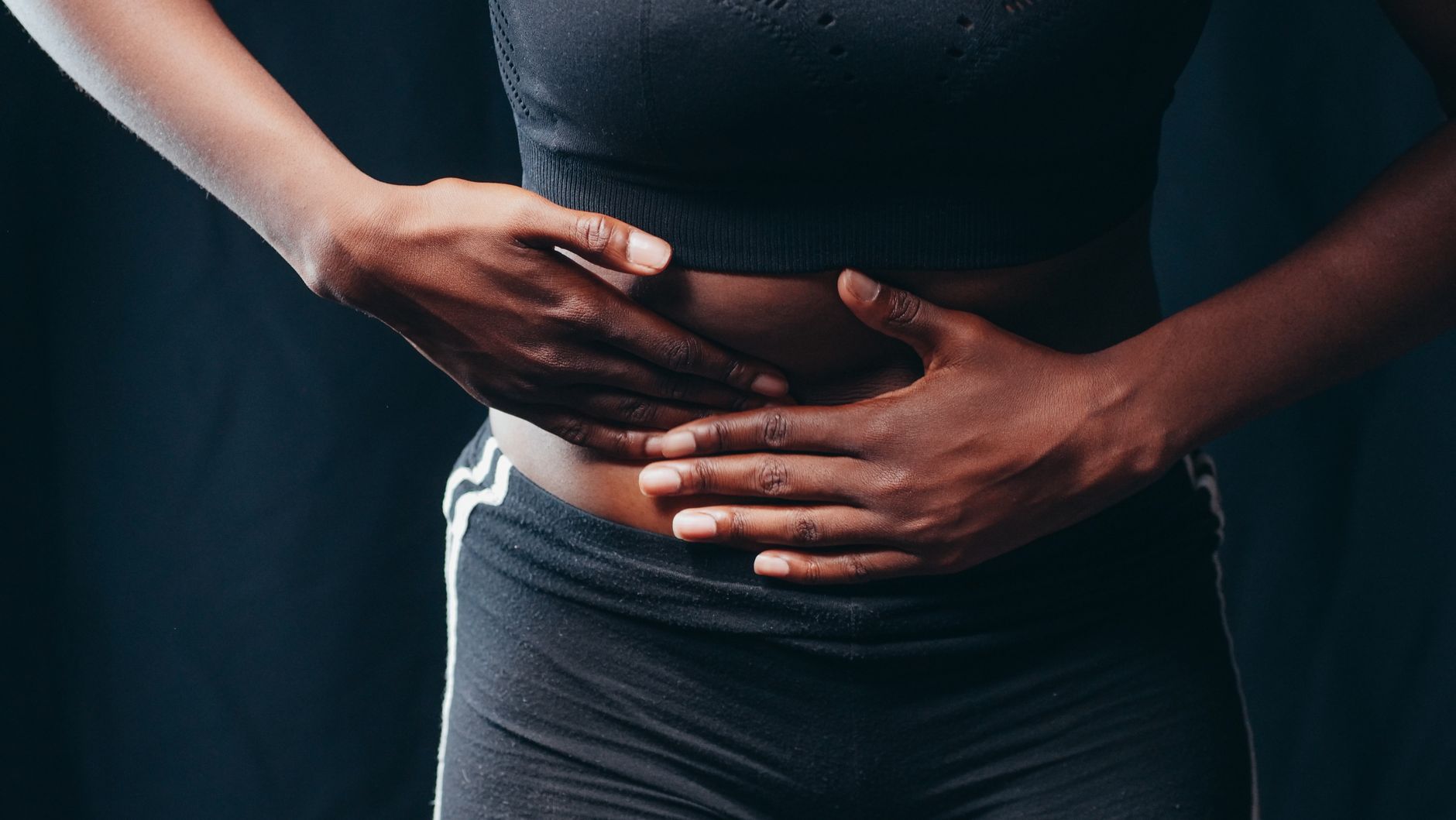
Living with uterine fibroids can feel like a constant battle. You might experience heavy bleeding, that soul-crushing fatigue from anemia, or the persistent ache of pelvic and back pain. These symptoms can make even the simplest daily tasks feel monumental, let alone thinking about exercise. But what if I told you that movement, when done right, could actually be a powerful ally in managing these very symptoms? It sounds counterintuitive, doesn't it? How can physical exertion possibly help when your body already feels pushed to its limit? Let's explore how you can find a way to stay active, honour your body's signals, and potentially even reduce the burden of fibroid symptoms. The general advice for good health is clear: aim for about 150 minutes of moderate aerobic activity each week, plus two days of strength training. This is a fantastic goal for overall well-being. However, when you're dealing with the unique challenges posed by uterine fibroids, a one-size-fits-all approach just won't cut it. You need a plan that’s sensitive to your body's fluctuations, especially during periods of heavy bleeding or increased pain. The key is not to push through the pain, but to listen. Really listen. Your body will tell you what it can handle, and adapting your workouts accordingly is a sign of strength, not weakness. Understanding the Challenges Uterine fibroids are non-cancerous growths that develop in the uterus. They can vary in size and number, and their presence can lead to a range of symptoms that significantly impact quality of life. For many women, the most common and disruptive symptom is heavy menstrual bleeding . This isn't just a slightly heavier period; it can mean prolonged, profuse bleeding that leads to significant blood loss. When this happens day after day, cycle after cycle, it's no wonder fatigue and weakness become constant companions. This is often due to anemia , a condition where your body doesn't have enough healthy red blood cells to carry adequate oxygen to your tissues. Beyond bleeding, fibroids can also cause direct physical discomfort. Pelvic pain , a feeling of pressure in the abdominal area, and nagging lower back pain are very common. Imagine trying to go for a jog or lift weights when you're experiencing these kinds of aches. It's understandable why many women with fibroids shy away from exercise altogether. The thought of exacerbating the pain or feeling even more exhausted is a powerful deterrent. Furthermore, many women experience fluctuations in energy levels related to their menstrual cycle, even without fibroids. With fibroids, these fluctuations can be amplified. You might feel relatively energetic one week, only to be completely drained the next. This is where the concept of listening to your body becomes paramount. It means being attuned to your pain levels, your energy reserves, and your overall comfort. It means giving yourself permission to modify, rest, or choose a different activity based on how you feel on any given day. The Potential Benefits of Exercise Despite the challenges, research and anecdotal evidence suggest that exercise, when approached mindfully, can offer significant benefits for women with uterine fibroids. It's not about intense, grueling workouts. It’s about finding movement that supports your body. Some studies even indicate that regular physical activity might help reduce the risk of fibroids or potentially help manage their growth. While more research is always needed, the idea that exercise could play a role in fibroid management is encouraging. One of the most compelling benefits is the potential for pain reduction . Certain types of exercise, like yoga and stretching, can help alleviate muscle tension, which often contributes to pelvic and back pain. By improving flexibility and releasing tightness, these activities can make you feel more comfortable in your own body. Beyond direct symptom management, exercise offers the well-known benefits of improved cardiovascular health, weight management, and enhanced mood. A 2021 study highlighted that combining aerobic and resistance training might be particularly effective in reducing abdominal fat, which can sometimes be a concern for women with larger fibroids. Better cardiovascular health can also combat the fatigue associated with anemia by improving your body's overall efficiency. Moreover, exercise is a powerful tool for stress management . Living with chronic pain and disruptive symptoms can take a toll on mental health. Engaging in physical activity releases endorphins, your body's natural mood boosters, which can help combat feelings of stress, anxiety, and depression. Finding a routine that you enjoy can become a vital self-care practice. Finding Your Movement: Exercises to Try So, what kind of exercises are best? The goal is to find activities that are gentle yet effective, adaptable to your energy levels, and enjoyable enough to stick with. Remember, starting small is key. Even five minutes a day can help build a consistent habit. Here are some types of exercises that are often well-tolerated and beneficial: 1. Yoga Yoga is a fantastic choice for many reasons. Holding yoga postures, or asanas , can improve your balance and flexibility . Many poses are designed to gently stretch and strengthen the muscles of the back and pelvis, which can directly address fibroid-related pain. Furthermore, the emphasis on mindful breathing and relaxation in yoga can be incredibly effective for managing pain and reducing overall stress. Think of it as a moving meditation that also happens to strengthen your body. Key Poses to Consider: Cat-Cow Pose (Marjaryasana-Bitilasana) for spinal mobility, Child's Pose (Balasana) for gentle rest and stretching, and gentle twists like Reclined Spinal Twist (Supta Matsyendrasana) for back relief. Adaptation: Use props like blocks and bolsters to support your body and make poses more accessible. Listen to your body; if a pose causes pain, ease out of it. 2. Stretching Similar to yoga, stretching is excellent for improving flexibility and reducing muscle stiffness. Static stretching, where you hold a stretch for a period (up to 45 seconds), can lengthen muscles and improve range of motion. Dynamic stretching, which involves moving your joints through their full range of motion, is great as a warm-up before other activities. Focus Areas: Hamstring stretches, quadriceps stretches, hip flexor stretches, and gentle back stretches are particularly beneficial. When to Stretch: Stretching can be done on its own or as part of a warm-up and cool-down for other exercises. 3. Light Aerobic Activity (Jogging, Brisk Walking) Aerobic exercise is vital for heart health and can help with weight management. While high-intensity interval training (HIIT) or intense running might be too much during periods of heavy bleeding or pain, jogging or brisk walking can be excellent options. These activities get your heart rate up, improve circulation, and can be easily modified. Modifications: If jogging feels too jarring, opt for a brisk walk. You can adjust the pace and duration based on how you feel. Warm-up: Always warm up your muscles with dynamic stretches before starting and cool down with static stretches afterward to prevent injury. 4. Light Strength Training Building muscle strength is important for overall health and can support your body. Using light weights, resistance bands, or even your own body weight for exercises can be beneficial. Strength training, when combined with aerobic exercise, has shown promise in reducing abdominal fat. However, it's crucial to choose exercises that don't put excessive strain on your abdomen or back, especially during symptomatic periods. Exercises: Consider bodyweight squats (modified if needed), lunges, push-ups (on knees if necessary), and exercises using light dumbbells or resistance bands for arm and leg work. Caution: Avoid exercises that involve intense abdominal contractions, like certain types of crunches, if they cause discomfort. When to Modify or Rest The most important principle when exercising with uterine fibroids is to honour your body's signals . There will be days when you feel capable of a moderate workout, and days when a gentle stretch is all you can manage. That’s perfectly okay. During Heavy Bleeding: You might find that high-impact activities or those involving intense core work feel too uncomfortable or even painful. Scale back to gentler options like walking, stretching, or very light yoga. Experiencing Pain: If any exercise causes or exacerbates pain, stop immediately. Pushing through pain is not beneficial and can lead to injury. Fatigue: Anemia-related fatigue is real. On days when you feel drained, prioritize rest or choose an extremely low-intensity activity. A short, gentle walk might be all you need. When to Consult Your Doctor It's essential to have an open dialogue with your healthcare provider about your symptoms and your desire to exercise. They can offer personalized advice and help you understand how your fibroids are affecting your body. Before Starting: If you're new to exercise or have significant fibroid symptoms, talk to your doctor before beginning a new fitness routine. Discussing Pain: If you experience persistent or severe pelvic/back pain, or if exercise seems to worsen your symptoms, seek medical advice. Managing Symptoms: Your doctor can discuss treatment options for heavy bleeding, anemia, and pain, which may make it easier for you to exercise. Personalized Guidance: They can help you understand if certain movements
In summary, timely diagnosis, evidence-based treatment, and prevention-focused care improve long-term health outcomes.