

Emergency & Help
24/7 Emergency & General Advisory
🚨 24/7 Medical Emergency
Non-Emergency Advisory
10:00 AM – 6:00 PM, Mon–Sat
For appointments & general queries.
24/7 Emergency & General Advisory
🚨 24/7 Medical Emergency
Non-Emergency Advisory
10:00 AM – 6:00 PM, Mon–Sat
For appointments & general queries.
Discover why breastfeeding doesn't always lead to postpartum weight loss and explore the real factors influencing your body after childbirth, including hormones, sleep, and stress.

The journey of motherhood brings a whirlwind of changes, and one of the most talked-about is postpartum weight. Many new mothers are told that breastfeeding is a magical solution for shedding those extra pounds gained during pregnancy. It’s a common belief, often whispered in new parent groups and even echoed by well-meaning friends and family: “Just you wait, breastfeeding will make you lose the baby weight fast!” This idea can feel like a comforting promise, a light at the end of the tunnel after the immense physical and emotional demands of pregnancy and childbirth. But what if this promise isn't always true? What if, for many women, breastfeeding doesn't lead to rapid weight loss, and in some cases, can even contribute to weight gain?
This blog post aims to demystify the connection between breastfeeding and postpartum weight. We’ll explore why the common notion of breastfeeding as a guaranteed weight loss method is often a myth and delve into the complex factors that influence a mother's body after childbirth. We understand the immense pressure new mothers face to 'bounce back' and regain their pre-pregnancy physique. We've seen it in the media, with public figures like Meghan Markle facing scrutiny over their postpartum bodies. While many applaud her for embracing her reality, the subsequent comments about how quickly she'd shed the weight due to breastfeeding highlight the pervasive societal expectation.
As a dietitian myself, I've experienced this firsthand. The more I breastfed my baby, the more I noticed my weight loss stalling, and sadly, some fat accumulation. This might sound counterintuitive, especially after enduring morning sickness, labor, and the often-painful reality of newborn nursing. You might wonder, “After all that, shouldn’t the universe offer some slack?” It’s a valid question. So, why doesn't the simple math of burning calories through breastfeeding always add up to weight loss? Let's unpack the reasons.
Breastfeeding does burn calories. On average, a breastfeeding mother can burn an extra 300-500 calories per day. This sounds like a significant amount, and it is! This is often the basis for the belief that breastfeeding equals automatic weight loss. However, this calorie expenditure needs to be considered in the context of a new mother's overall energy needs and intake.
Think about it: a simple snack like a glass of milk and a muffin can easily contain 300-500 calories. If a mother unconsciously increases her food intake to compensate for the calories burned, or simply eats more due to increased hunger, the calorie deficit needed for weight loss might not be achieved. Furthermore, the exact number of calories burned can vary significantly from woman to woman based on factors like milk production volume and metabolic rate.
It's important to acknowledge that weight gained during pregnancy isn't just the baby. It includes the placenta, amniotic fluid, increased blood volume, larger breasts, and extra body fat stored to support breastfeeding. While some of this weight is lost naturally shortly after birth (placenta, fluid), a significant portion remains.
A 2015 study indicated that nearly half of pregnant women gained more weight than recommended. A large review of studies has linked this excessive pregnancy weight gain to an additional 10 pounds of weight retention 15 years later. This means that even before breastfeeding begins, many mothers are starting their postpartum journey with a weight retention challenge.
While we are discussing weight retention, it's vital to touch upon pregnancy weight gain itself. It is crucial for both the mother and baby's health. However, gaining too little weight during pregnancy can be problematic. It has been linked to developmental issues for the baby and a risk of metabolic disturbances, and in severe cases, even infant mortality. Therefore, the focus during pregnancy should be on nourishing the body adequately, rather than restrictive dieting.
As a dietitian, I typically advise patients to listen to their bodies during pregnancy. Pay attention to subtle shifts in hunger cues that signal increased needs. Rather than rigidly counting calories, focus on consuming nutrient-dense foods that support both maternal and fetal health. This mindful approach sets a healthier foundation for the postpartum period.
The postpartum period is a hormonal rollercoaster. After childbirth, hormone levels shift dramatically. Hormones like prolactin and oxytocin, essential for milk production and let-down, also play a role in the body's metabolism and fat storage. For some women, these hormonal changes can lead to increased appetite and a tendency to retain fat, especially around the abdomen.
New parenthood is synonymous with sleep deprivation. Those middle-of-the-night feedings mean disrupted sleep patterns. And let's be honest, when you're running on minimal sleep in a semi-deranged, sleep-deprived state, preparing a balanced, healthy meal at 2 AM is often not a priority. Snacking on whatever is easily accessible becomes the norm. This lack of quality sleep not only affects your energy levels but also impacts hormones that regulate appetite, such as ghrelin and leptin, potentially leading to increased cravings for high-calorie foods.
The postpartum period is inherently stressful. The demands of caring for a newborn, combined with recovery from childbirth, potential financial worries, and societal pressures, can significantly elevate stress levels. Research has consistently shown a link between elevated cortisol levels (the primary stress hormone) and weight retention, particularly in the first 12 months postpartum. High cortisol can signal the body to store fat, especially visceral fat, which is linked to various health problems.
Consider Priya, a new mother in Mumbai. She was diligent with breastfeeding, nursing her baby around the clock. She felt constantly hungry and found herself snacking on biscuits and sweets available at home, thinking,
Most people do not notice early warning signs right away. That is common. A simple symptom diary, basic routine checks, and timely follow-up visits can prevent small problems from becoming serious.
If you are already on treatment, stay consistent with medicines and lifestyle advice. If your symptoms change, do not guess. Check with a qualified doctor and update your plan early.
Write down symptoms, triggers, and timing for a few days.
Carry old prescriptions and test reports to your consultation.
Ask clearly about side effects, red-flag signs, and follow-up dates.
Seek urgent care for severe pain, breathing trouble, bleeding, fainting, or sudden worsening.
Visit Hospital
Near You
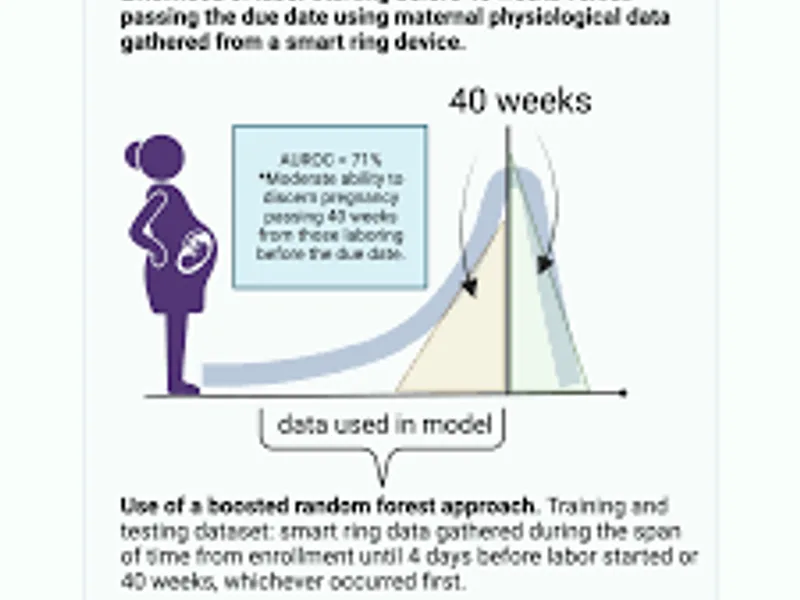
Going past your due date can feel like being stuck in a waiting room with no clock. This guide walks you through what actually happens during monitoring after due date pregnancy — the tests, the decisions, and the emotions nobody really prepares you for.
May 20, 2026
Going past your due date can feel like being stuck in a waiting room with no clock. This guide walks you through what actually happens during monitoring after due date pregnancy — the tests, the decisions, and the emotions nobody really prepares you for.
May 20, 2026
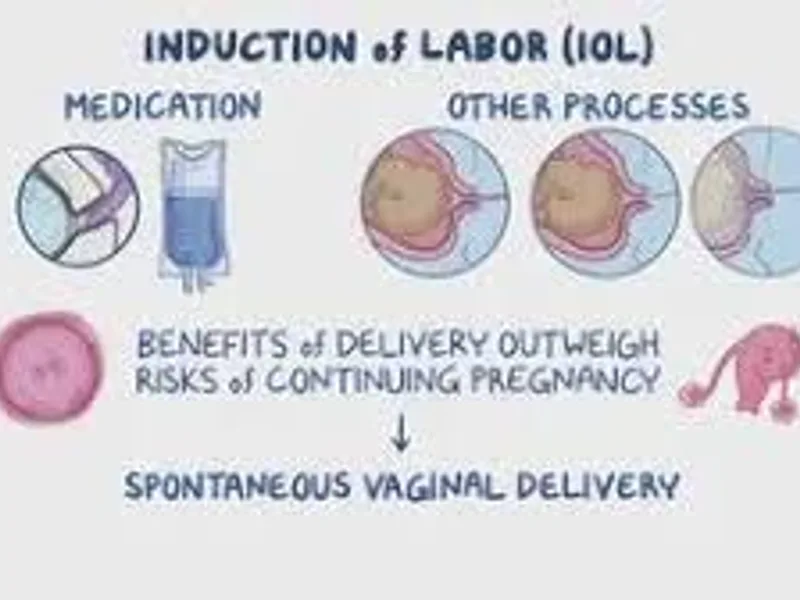
If you’re close to your due date and feeling stuck in waiting mode, this breaks down induction of labor methods in a way that actually makes sense. No jargon, no fluff—just what works, what doesn’t, and what it really feels like from a human perspective.
May 20, 2026