

Emergency & Help
24/7 Emergency & General Advisory
🚨 24/7 Medical Emergency
Non-Emergency Advisory
10:00 AM – 6:00 PM, Mon–Sat
For appointments & general queries.
24/7 Emergency & General Advisory
🚨 24/7 Medical Emergency
Non-Emergency Advisory
10:00 AM – 6:00 PM, Mon–Sat
For appointments & general queries.
Explore the safety and benefits of vaccines during pregnancy. Learn about recommended vaccines like Tdap and COVID-19, address myths about birth defects, and understand why vaccination is crucial for maternal and infant health in India.
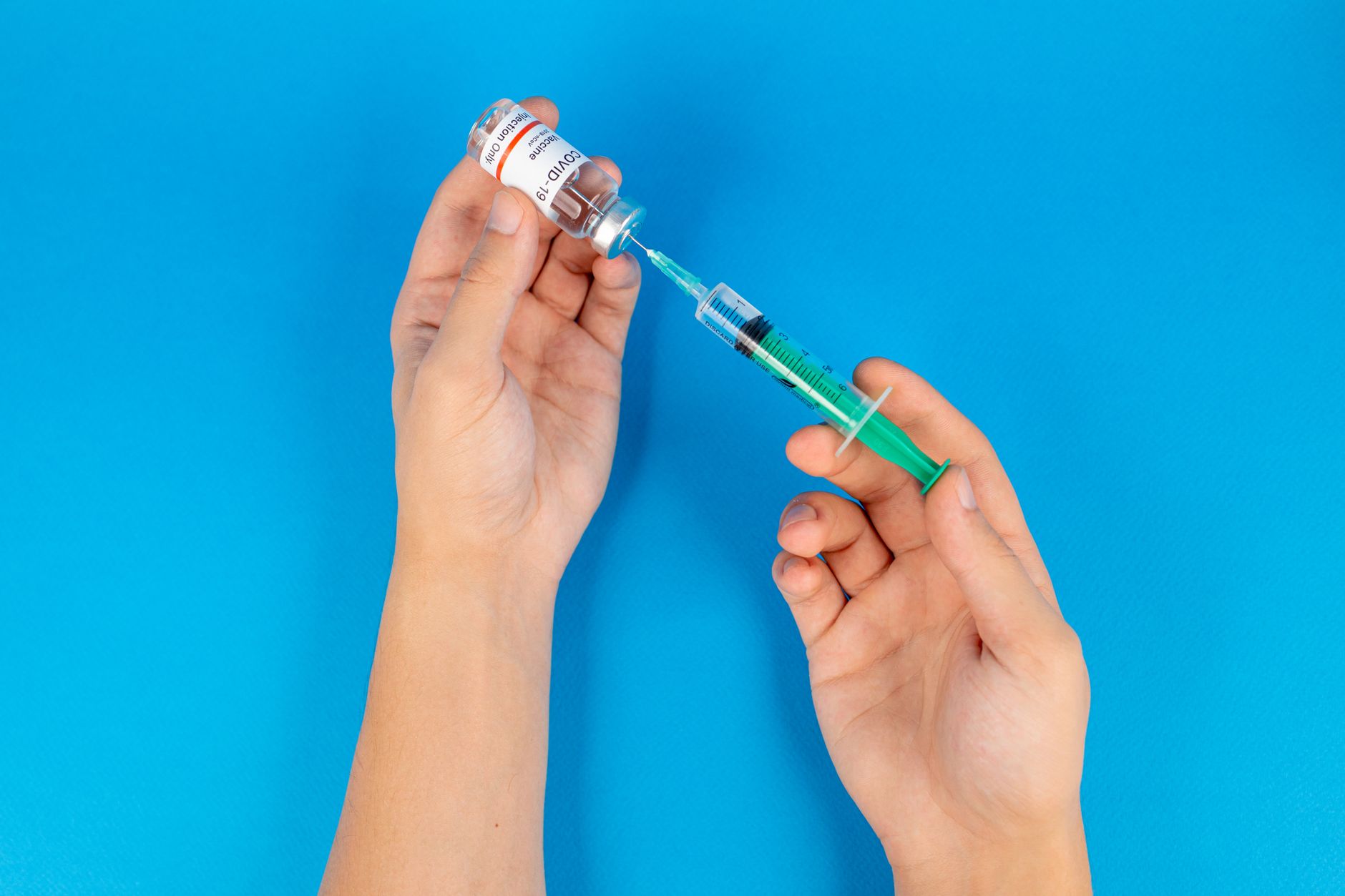
Pregnancy is a time of immense joy and anticipation, but it also brings a host of concerns, especially regarding the health and well-being of your developing baby. Among the many questions expecting mothers have, the safety and necessity of vaccines during pregnancy often arise. It's natural to be worried about what you consume or are exposed to, and how it might affect your little one. This guide aims to provide clear, practical information for Indian mothers-to-be about vaccines during pregnancy, addressing common myths and highlighting the crucial benefits they offer to both mother and child.
One of the most persistent myths surrounding vaccines in pregnancy is that they can cause birth defects. Let's address this head-on: There is no scientific evidence to suggest that vaccines administered during pregnancy cause birth defects or developmental issues in babies. Major studies, including a significant one analyzing over 20 years of data from the national Vaccine Adverse Event Reporting System (VAERS) in the United States, have found no pattern linking vaccines given during pregnancy to birth defects. These vaccines are rigorously tested for safety and efficacy before being recommended for use in pregnant individuals.
Pregnancy is a unique period where your immune system undergoes changes. While these changes help support your growing baby, they can also make you more susceptible to certain infections. These infections, which might be mild for a non-pregnant person, can lead to severe complications for you and your baby, including:
Vaccines play a vital role in preventing these infections by preparing your body to fight them off. Importantly, when you get vaccinated during pregnancy, you not only protect yourself but also pass on protective antibodies to your baby. This passive immunity helps shield your newborn from dangerous diseases during the first few months of life, a period when they are too young to receive their own vaccinations.
While the specific recommendations might vary slightly based on your health status and local guidelines, several vaccines are strongly recommended for pregnant individuals in India. These are generally considered safe across all trimestriers:
Why it's crucial: Pertussis, also known as whooping cough, can be extremely dangerous, even fatal, for infants. Babies typically start their vaccination series at 2 months of age, leaving them vulnerable during the initial period. The Tdap vaccine, given to the mother during pregnancy, provides essential antibodies to the baby, offering protection from birth until they can be vaccinated themselves.
When to get it: The Centers for Disease Control and Prevention (CDC) and many Indian healthcare providers recommend receiving the Tdap vaccine between the 27th and 36th week of pregnancy. Getting it earlier within this window ensures maximum protection for your baby.
Why it's crucial: Pregnant individuals are at a higher risk of severe illness from COVID-19. Vaccination is the most effective way to protect yourself and your baby from the virus and its potential complications, including preterm birth and other adverse pregnancy outcomes.
When to get it: The American College of Obstetricians and Gynecologists (ACOG) and health authorities in India strongly recommend COVID-19 vaccination for all pregnant individuals. It is safe to receive at any stage of pregnancy, and getting vaccinated as early as possible is beneficial.
Why it's crucial: RSV is a common respiratory virus that can cause serious illness in infants, particularly those under six months old. The RSV vaccine given to pregnant individuals helps protect the baby from severe RSV disease.
When to get it: Doctors often recommend the RSV vaccine for pregnant individuals between 32 weeks and 6 days and 36 weeks and 6 days of gestation.
While most vaccines are safe during pregnancy, some vaccines containing live viruses are generally not recommended. This is because live viruses could potentially pose a risk to the unborn baby. However, it's important to note that even with live vaccines, there is no research linking them to birth defects.
Examples of vaccines typically not recommended during pregnancy include those protecting against:
What to do:
Your doctor will conduct a thorough assessment to determine if the benefits of any specific vaccine outweigh the potential risks in your individual case.
Just like any medication or vaccine, it is possible to experience mild side effects after receiving a vaccine during pregnancy. These are typically temporary and a sign that your body is building protection. Common side effects include:
These symptoms usually resolve within a day or two. Severe allergic reactions are extremely rare but are a risk with any vaccine. Healthcare providers are equipped to manage such reactions.
It is essential to have an open discussion with your obstetrician or gynecologist about your vaccination status and any concerns you may have. You should consult your doctor:
Making informed decisions about your health and your baby's health is paramount during pregnancy. Vaccines are a safe and highly effective tool to protect you and your little one from potentially serious infections. By understanding the science behind them and discussing your concerns with your healthcare provider, you can confidently navigate your vaccination journey and ensure the best possible start for your baby.
Visit Hospital
Near You
Going past your due date can feel like being stuck in a waiting room with no clock. This guide walks you through what actually happens during monitoring after due date pregnancy — the tests, the decisions, and the emotions nobody really prepares you for.
May 20, 2026
Going past your due date can feel like being stuck in a waiting room with no clock. This guide walks you through what actually happens during monitoring after due date pregnancy — the tests, the decisions, and the emotions nobody really prepares you for.
May 20, 2026
If you’re close to your due date and feeling stuck in waiting mode, this breaks down induction of labor methods in a way that actually makes sense. No jargon, no fluff—just what works, what doesn’t, and what it really feels like from a human perspective.
May 20, 2026