

Emergency & Help
24/7 Emergency & General Advisory
🚨 24/7 Medical Emergency
Non-Emergency Advisory
10:00 AM – 6:00 PM, Mon–Sat
For appointments & general queries.
24/7 Emergency & General Advisory
🚨 24/7 Medical Emergency
Non-Emergency Advisory
10:00 AM – 6:00 PM, Mon–Sat
For appointments & general queries.
Learn what to expect during a 6-week pregnancy ultrasound, including why it's performed, what structures are visible, and the significance of the fetal heartbeat. Understand potential outcomes and when to consult your doctor.
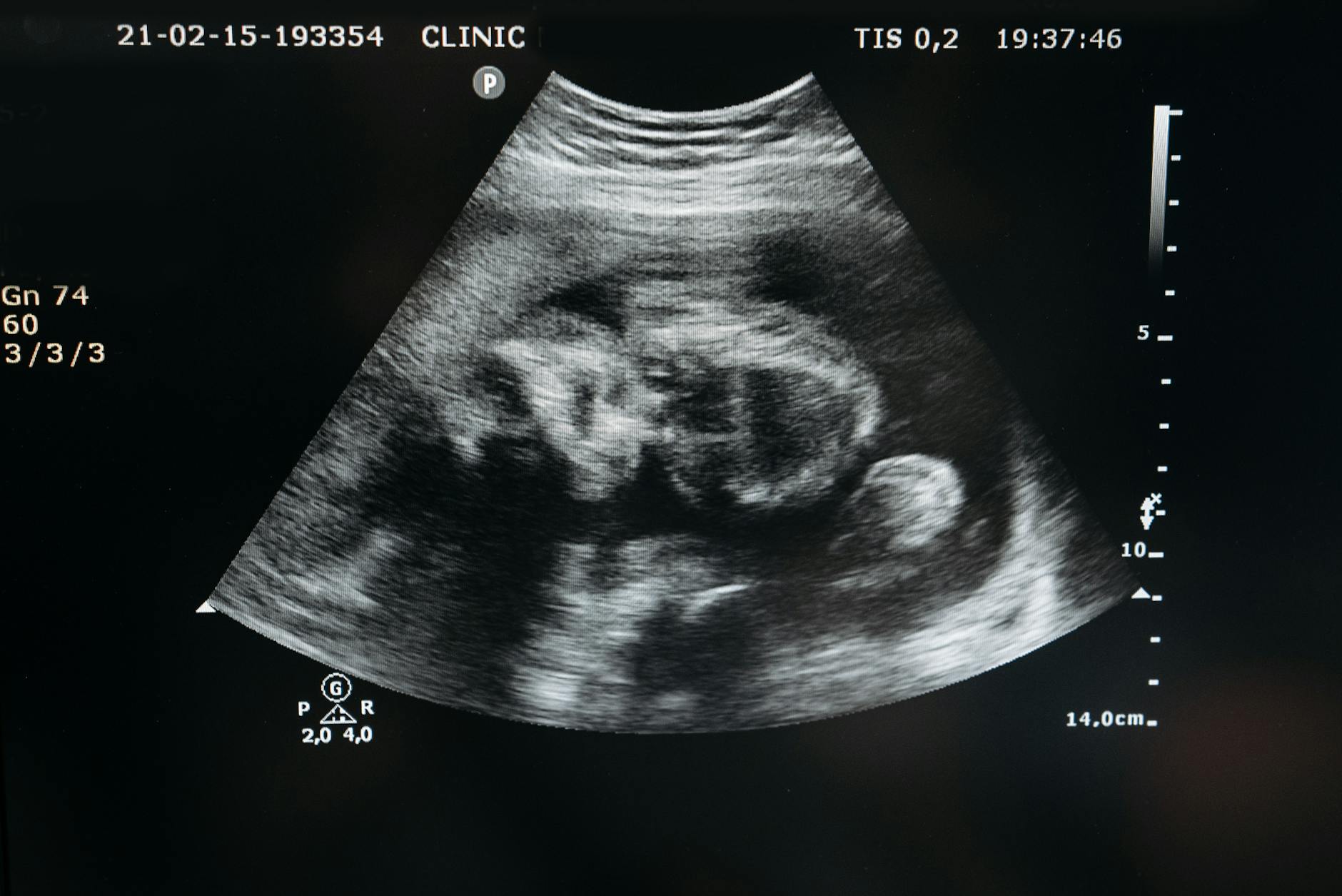
Discovering you're pregnant is an exciting time, often filled with a mix of joy and anticipation. For some, this journey includes an early ultrasound, specifically around the 6-week mark. While the standard first ultrasound is usually later in the first trimester, a 6-week ultrasound serves specific purposes for your healthcare provider. It's natural to feel a bit anxious or curious about what this early scan entails. This guide aims to demystify the 6-week ultrasound, explaining why your doctor might recommend it, what you can expect to see, and what it means if certain things, like a heartbeat, aren't immediately visible.
You might wonder why an ultrasound is scheduled so early in your pregnancy. Typically, the first major ultrasound is around 11 to 14 weeks, offering a detailed view of your developing baby. However, several factors can prompt your doctor or midwife to suggest an earlier scan at 6 weeks:
The process of an ultrasound is non-invasive and generally painless. For a 6-week scan, a transvaginal ultrasound is most commonly used. This involves a small, lubricated probe being gently inserted into the vagina. This method allows for clearer images of the early pregnancy structures because the probe is closer to the uterus.
A transabdominal ultrasound (where the probe is moved over the abdomen) might also be performed, especially if a fuller bladder is needed to visualize the uterus better. The technician, known as a sonographer, will apply a clear gel to your skin and move a transducer (the probe) over the area. The sound waves create images on a monitor.
At 6 weeks, your baby is incredibly tiny, about the size of a lentil or a small grain of rice. You might not see a clearly formed baby. Instead, the focus will be on early gestational structures:
Detecting a heartbeat is a significant milestone in early pregnancy. It's often the first sign that the embryo is developing well. However, it's important to understand that not seeing a heartbeat at exactly 6 weeks doesn't automatically mean something is wrong. Several factors can influence its detection:
Most people do not notice early warning signs right away. That is common. A simple symptom diary, basic routine checks, and timely follow-up visits can prevent small problems from becoming serious.
If you are already on treatment, stay consistent with medicines and lifestyle advice. If your symptoms change, do not guess. Check with a qualified doctor and update your plan early.
Write down symptoms, triggers, and timing for a few days.
Carry old prescriptions and test reports to your consultation.
Ask clearly about side effects, red-flag signs, and follow-up dates.
Seek urgent care for severe pain, breathing trouble, bleeding, fainting, or sudden worsening.
Visit Hospital
Near You

Going past your due date can feel like being stuck in a waiting room with no clock. This guide walks you through what actually happens during monitoring after due date pregnancy — the tests, the decisions, and the emotions nobody really prepares you for.
May 20, 2026
Going past your due date can feel like being stuck in a waiting room with no clock. This guide walks you through what actually happens during monitoring after due date pregnancy — the tests, the decisions, and the emotions nobody really prepares you for.
May 20, 2026

If you’re close to your due date and feeling stuck in waiting mode, this breaks down induction of labor methods in a way that actually makes sense. No jargon, no fluff—just what works, what doesn’t, and what it really feels like from a human perspective.
May 20, 2026