We are here to assist you.
Health Advisor
+91-8877772277Available 7 days a week
10:00 AM – 6:00 PM to support you with urgent concerns and guide you toward the right care.
Join our healthcare community

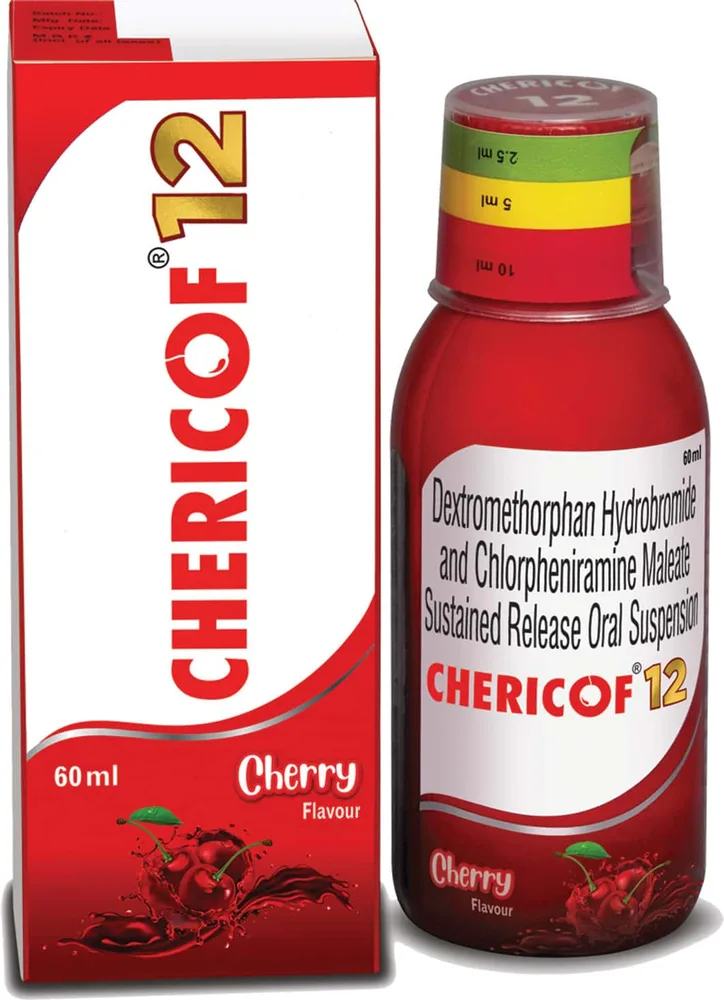
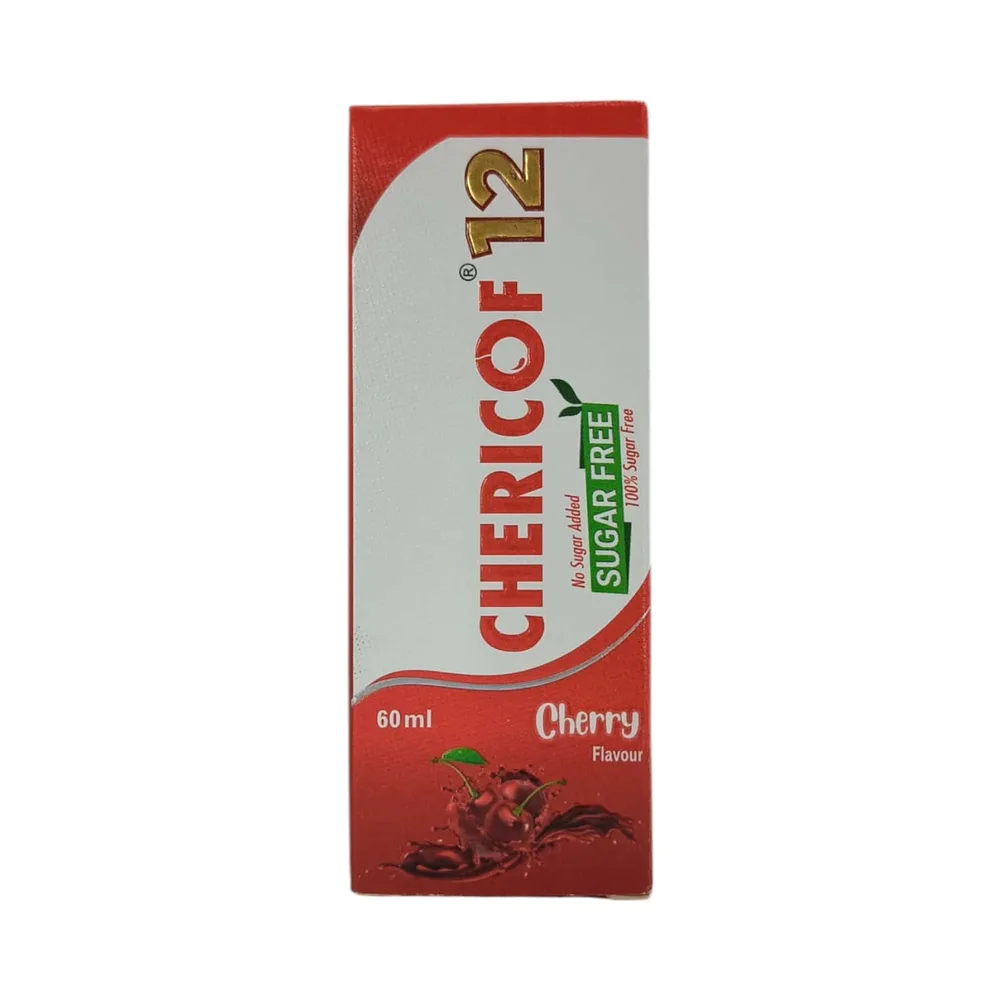
Chericof Syrup is used in treatment or management of Cough and nasal congestion. Learn more about its uses, side effects, dosage, composition, price and order it online from PharmEasy with fast delivery and extra discount.
* Prices shown are indicative. Clicking “Buy” takes you to the retailer's website. Doctar may earn a small affiliate commission at no extra cost to you.
Chericof Syrup is a prescription medication commonly used to treat dry cough and relieve symptoms of allergies and nasal congestion. It helps control persistent coughing, sneezing, runny nose, watery eyes, and throat irritation. The syrup works by calming the cough reflex in the brain while also reducing nasal blockage, making breathing easier.
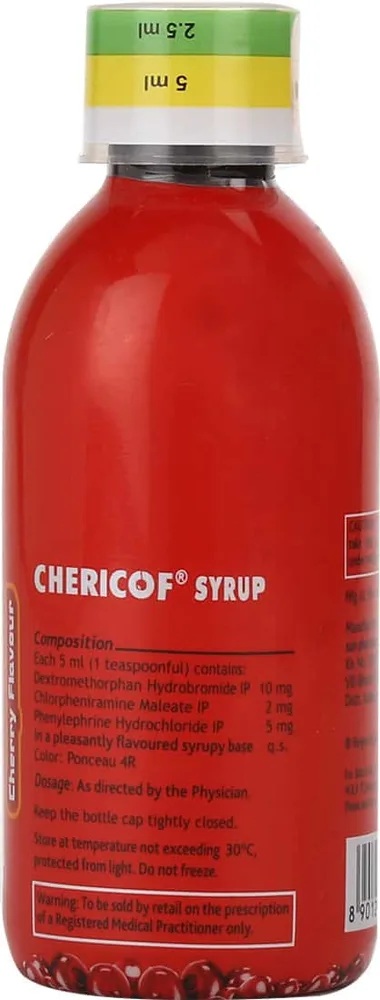
This syrup contains three main active ingredients: Chlorpheniramine, Dextromethorphan, and Phenylephrine. Chlorpheniramine is an antihistamine that manages allergic symptoms such as sneezing and watery eyes. Dextromethorphan acts on the cough centre in the brain to reduce dry cough.
Phenylephrine is a nasal decongestant that shrinks swollen blood vessels in the nasal passages, thereby relieving nasal congestion and stuffiness. Chericof Syrup should be taken exactly as prescribed by your doctor. It can be taken with or without food, but always shake the bottle well before use.
Measure the dose using a proper measuring spoon or cup to ensure accuracy. Do not exceed the recommended dose, as taking more than advised can increase the risk of side effects. Before using Chericof Syrup, inform your doctor if you are pregnant, planning to become pregnant, or breastfeeding.
Also, share your complete medical history, especially if you have high blood pressure, thyroid problems, heart disease, or liver conditions. Let your doctor know about all other medicines and supplements you are taking, as Chericof may interact with them. Other cough syrups with similar ingredients include Alex syrup , Ascoril D Junior syrup , Alcof Junior syrup , Respicure D syrup , and Zeet DX syrup .
However, do not switch or self-medicate with these alternatives without medical advice. Always use Chericof Syrup under proper medical guidance for safe and effective relief from dry cough and nasal congestion.
Symptoms of an overdose of Chericof can be agitation, confusion, fits, drowsiness, flushing and twitching of muscles. If you think you have taken too much of Chericof syrup, contact your doctor immediately or visit the nearest hospital.
If you have missed a dose of Chericof syrup, take the next dose as soon as you remember. However, if it's time for your next dose, then skip the missed dose and continue with your regular dose schedule. Do not take a double dose.
You should consult your doctor before taking this syrup as there is no safety information available on the use of Chericof syrup in pregnancy.
Chericof syrup should not be used by breastfeeding women, please consult your doctor before using it.
You may feel dizzy or drowsy after taking Chericof syrup. It's better to not drive or operate any machinery if you feel such symptoms.
Alcohol consumption along with Chericof syrup can make you feel more dizzy and drowsy. Better limit or avoid alcoholic beverages during the treatment and discuss it with your doctor if you drink too often.
Talk to your doctor if
Chericof syrup can be taken with or without food. Avoid spicy, oily foods as it can cause stomach discomfort.
Chericof syrup may contain sugar or alcohol as addictive. It is advised to tell your health condition to the doctor if you are suffering from diabetes, dependency on alcohol or suffering from liver disease.
No, both the syrup varies in the strength of their ingredients. Chericof junior syrup contains half of the strength of Chericof syrup and it's meant to be used in children. Chericof syrup is meant for use in adults and should never be used in children.
No, it does not contain any steroidal component.
Chericof syrup is used to temporarily relieve cough and allergic symptoms such as sneezing, watery eyes and nasal blockage due to an allergy or cold.
Chericof syrup and Chericof LS syrup have different uses and compositions. Chericof syrup is used to relieve cough and allergy symptoms, while Chericof LS is used to treat bronchospasm symptoms like coughing and breathlessness.
Yes, Chericof syrup may cause drowsiness and sleepiness in some people. If you experience these symptoms, rest and avoid activities that require mental alertness. Always consult a doctor before using any medicine.
No, Chericof syrup is contraindicated if you have an overactive thyroid. Please avoid self-medication and consult your doctor before use.
No, Chericof syrup is not an antibiotic, it is an antihistamine that relieves ough and allergic symptoms such as sneezing, watery eyes, nasal blockage due to an allergy or cold.
The Chericof syrup consists of three active ingredients- chlorpheniramine, dextromethorphan and phenylephrine.
It can cause addiction if used for prolonged duration and in higher doses. So, it is strictly advised to take it in the prescribed dose and duration.
Take Chericof syrup as directed by your doctor for the exact prescribed duration. Consuming more than the prescribed amount might result in increased side effects while consuming less than the prescribed amount results in treatment failure.

Based on 0 reviews
Log in to share your experience with this product.
Log inNo reviews yet. Be the first to review this product!

CHERICOF
Chericof Ls Junior Syrup