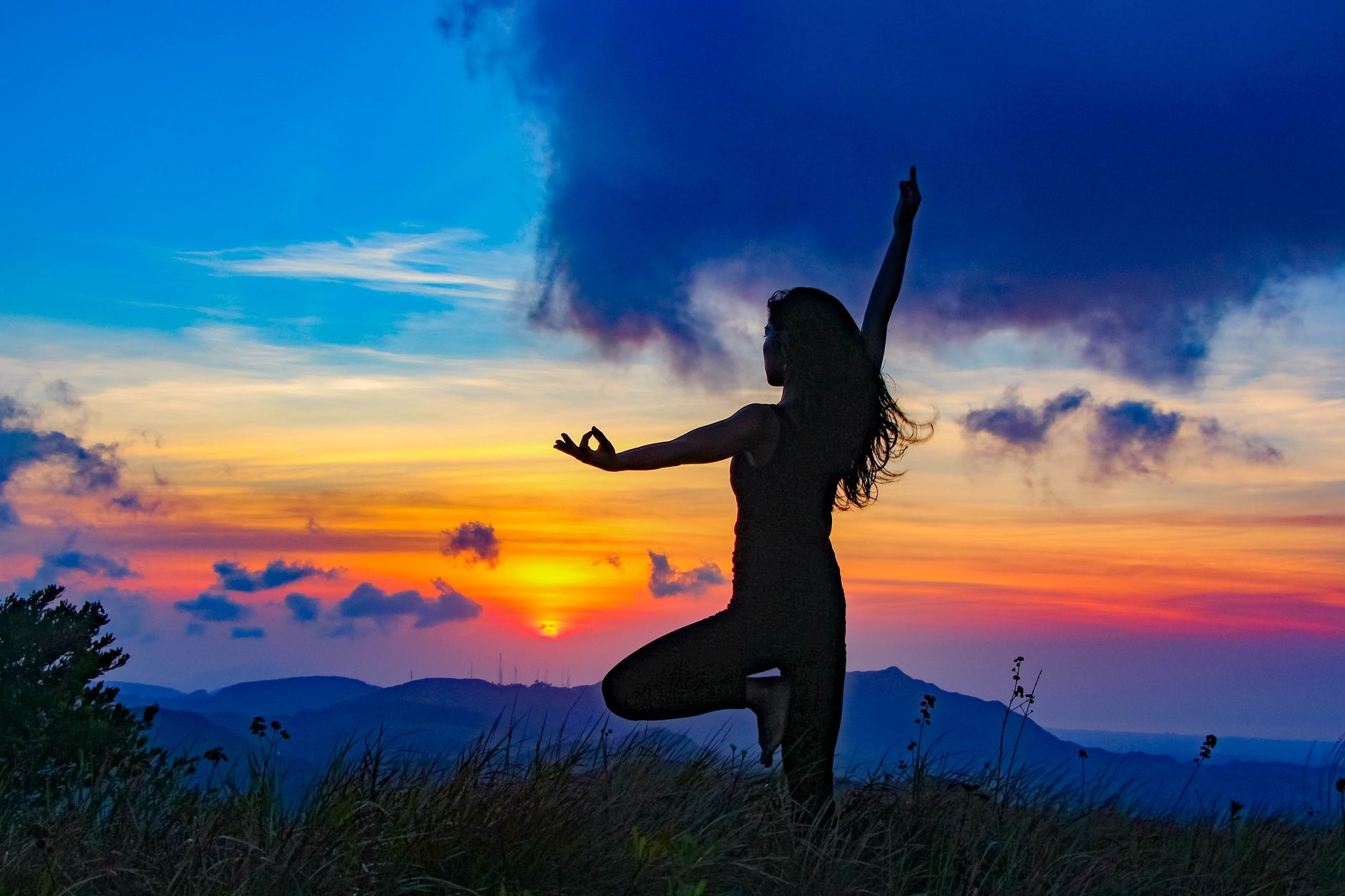
When we hear the word “yoga,” our minds often conjure images of people contorting themselves into pretzel-like shapes, perhaps on a pristine beach or in a serene mountain setting. But this picture, while popular, is only a sliver of the vast and ancient tradition that yoga truly is. At its core, the word “yoga” stems from the Sanskrit root “yuj-,” meaning “to yoke, bind, or connect.” While countless paths and lineages exist within yoga, each with its unique approach and objectives, they all share a common quest: the search for a deeper connection to something beyond ourselves. Among these diverse paths, Bhakti yoga stands out, often referred to as the yoga of devotion or the path of love. It’s a practice that centres on opening the heart and expressing love in myriad devotional ways. Nubia Teixeira, a respected Bhakti yoga teacher and author, describes the essence of Bhakti yoga as a collection of practices designed to help one’s heart express love, not just in one specific way, but in many different devotional forms. The very word “bhakti” originates from the root “bhaj,” which translates to “to pray” or “to share.” While historically, there has often been a strong emphasis on devotion towards specific deities or the Divine, depending on the particular lineage, many contemporary scholars and yoga practitioners now interpret Bhakti yoga in a broader, more inclusive sense. They see it as the practice of cultivating unconditional love for all beings and everything in existence. Unveiling the Roots: The Origins of Bhakti Yoga The human quest to understand and connect with the Divine is as old as contemplation itself. The earliest textual references to practices that resonate with Bhakti yoga can be traced back to the Vedas, the ancient scriptures of Hinduism, dating as far back as 1500 B.C. These foundational texts contain prayers and mantras that are still integral to many Bhakti practices today. Imagine, these are some of the oldest spiritual expressions known to humankind! Later, the Upanishads, a series of profound commentaries on the Vedas, emerged over centuries, roughly from the first century B.C. to around 1400 C.E. Within the Shvetashvatara Upanishad, the term “Bhakti” is described as encompassing “devotion and love for any endeavor,” extending beyond just the pursuit of the Divine. This broadens the scope considerably, suggesting that devotion in any form can be a pathway. However, many yoga scholars and practitioners point to the Bhagavad Gita, an epic poem embedded within the vast Indian epic, the Mahabharata (composed between the first and second century C.E.), as the first explicit teaching of Bhakti yoga as a distinct path. The Bhagavad Gita itself is a profound dialogue, largely devoted to Lord Krishna. While Hindu theology encompasses a rich pantheon of deities, the Gita’s focus highlights a significant aspect of Bhakti practice. Further texts, the Puranas (written between 400 and 1500 C.E.), also offer invaluable insights and are considered pivotal for understanding Bhakti yoga, with their numerous stories dedicated to various deities. It’s fascinating to consider that while these texts codify practices, the human impulse to pray and connect with something greater has existed for millennia, long before these scriptures were written. Swami Rama, a revered yoga guru and Bhakti practitioner, distinguished between “ego-centered prayer,” driven by desires, and “genuine prayer,” which flows from the authentic self. He also highlighted the importance of gratitude practices as a form of genuine prayer. The Four Paths of Yoga: A Glimpse The Bhagavad Gita, a cornerstone of yogic philosophy, thoughtfully outlines four primary paths, or margas, of yoga, each offering a unique route to self-realization and connection: Karma Yoga: This is the yoga of selfless action and service. It emphasizes performing one’s duties without attachment to the results, finding spiritual growth through dedicated action in the world. Think of it as doing good for the sake of doing good. Jnana Yoga: The path of knowledge and wisdom. This involves deep study, introspection, and discrimination between the real and the unreal, seeking liberation through intellectual understanding and self-inquiry. It’s the path of the philosopher and the seeker of truth. Raja Yoga: Often referred to as the royal path, this involves meditation, concentration, and control of the mind and senses. It's the path most commonly associated with the physical postures (asanas) and breathing techniques (pranayama) that many people recognize as yoga today, aiming for mental stillness and self-mastery. Bhakti Yoga: As we’ve been exploring, this is the yoga of devotion, love, and surrender. It involves cultivating intense love and devotion towards the Divine, expressing it through chanting, prayer, service, and remembering the Divine in all aspects of life. It’s a path that engages the heart with profound emotion. Embracing Bhakti Yoga in Your Life: Practical Steps So, how can you weave the beautiful essence of Bhakti yoga into your daily existence, especially for us here in India, where devotion is often deeply ingrained in our culture? Chanting and Mantras: Many Bhakti practitioners find solace and connection through the repetition of sacred sounds and phrases. Whether it's a simple mantra like “Om Namah Shivaya” or a more elaborate kirtan (call-and-response chanting), the rhythmic repetition can quiet the mind and open the heart. You can chant silently to yourself during your commute, while cooking, or even dedicate a few minutes each day to focused chanting. Prayer and Devotional Acts: Prayer is a cornerstone of Bhakti. This doesn’t have to be formal. It can be a heartfelt request, a moment of gratitude, or simply an expression of love. Offer your daily actions, however small, as a form of devotion. When you cook a meal for your family, see it as an act of love and service. When you help a neighbour, frame it as a devotional act. Storytelling and Sacred Texts: Engaging with the stories of saints, deities, and spiritual heroes can be incredibly inspiring. Reading from scriptures like the Bhagavad Gita, the Puranas, or the lives of devotional poets like Mirabai and Aka MahaDevi can deepen your understanding and connection. Share these stories with your children; it’s a wonderful way to pass on cultural and spiritual heritage. Acts of Service (Seva): Bhakti yoga beautifully integrates with Karma yoga. Performing selfless service, or “seva,” is a powerful way to express devotion. This could involve volunteering at a local temple, helping an elderly neighbour, or contributing to a community initiative. See your work, your family responsibilities, and your community involvement as opportunities for seva. Cultivating Gratitude: Make a conscious effort to notice and appreciate the blessings in your life, big and small. Keep a gratitude journal, or simply take a moment each day to reflect on what you are thankful for. This simple practice shifts your focus from lack to abundance, fostering a heart full of appreciation. Connecting with Community: Participating in group chanting (kirtan), devotional gatherings, or temple services can amplify the feeling of connection and shared devotion. The energy of a community coming together in shared purpose is incredibly powerful. Even online groups can offer a sense of belonging and support. The Profound Benefits of Bhakti Yoga Practicing Bhakti yoga offers a rich tapestry of benefits that nourish the mind, body, and spirit. It’s not just about spiritual growth; it touches our everyday well-being. Emotional Well-being: The consistent practice of love, devotion, and gratitude can significantly reduce stress and anxiety. Focusing on something larger than oneself provides perspective and can alleviate feelings of isolation. Studies have even shown that group chanting can improve mood and psychological well-being, highlighting the power of collective spiritual practice. Deeper Self-Awareness: Through introspection and devotion, you begin to understand your own heart and motivations more deeply. This path encourages self-reflection, helping you to identify and transform negative patterns. Enhanced Connection: Bhakti yoga fosters a sense of connection not only to the Divine but also to fellow human beings and the natural world. It cultivates empathy and compassion, breaking down barriers between self and other. Inner Peace and Contentment: By surrendering ego-driven desires and focusing on unconditional love, practitioners often find a profound sense of inner peace and contentment that is not dependent on external circumstances. Resilience: The devotion cultivated in Bhakti yoga can provide a strong anchor during challenging times. It offers a sense of purpose and faith that helps individuals navigate life’s inevitable difficulties with greater strength and equanimity. When to Seek Guidance While Bhakti yoga is a deeply personal and accessible practice, there are times when seeking guidance can enhance your journey. If you are new to yoga or spiritual practices, consulting with an experienced yoga teacher or a spiritual mentor can provide valuable insights and personalized direction. If you find yourself struggling with intense emotions, persistent anxiety, or depression, it is always advisable to consult with a qualified healthcare professional or a mental health expert. Bhakti yoga can be a wonderful complementary practice, but it should not replace professional medical or psychological treatment when needed. Frequently Asked Questions (FAQ) What is the main goal of Bhakti yoga? The primary goal of Bhakti yoga is to cultivate
In summary, timely diagnosis, evidence-based treatment, and prevention-focused care improve long-term health outcomes.