Understanding Tinnitus: The Sound in Your Head
Tinnitus, often described as a ringing, buzzing, roaring, or hissing sound in the ears, is a common condition affecting a significant portion of the adult population. It's a phantom sound, meaning it originates within your own head and has no external source. While the exact prevalence is hard to pinpoint, estimates suggest that up to 25% of adults experience tinnitus to some degree. This persistent sound can be a mild annoyance for some, while for others, it can be profoundly disruptive, impacting sleep, concentration, and overall quality of life.
The Role of Essential Oils in Tinnitus Management
In recent years, there has been growing interest in natural remedies for various health conditions, including tinnitus. Essential oils, derived from plants and often used in aromatherapy, are among these popular alternatives. The idea is that certain essential oils might offer therapeutic properties that could help alleviate tinnitus symptoms. However, it's crucial to approach these claims with a critical and informed perspective.
What are Essential Oils?
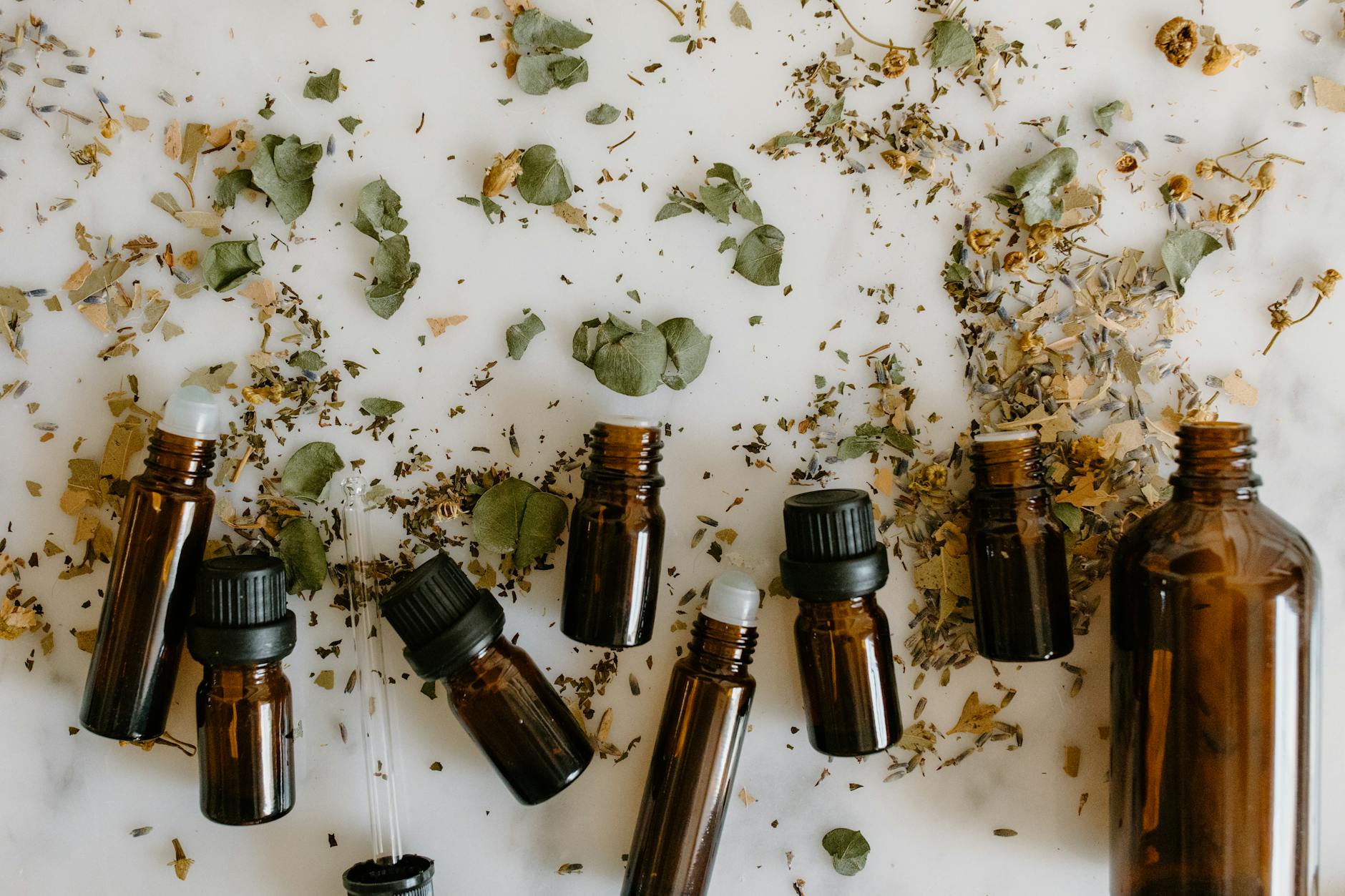
Essential oils are highly concentrated plant extracts that capture the plant's scent and flavor, or 'essence.' They are typically obtained through distillation or mechanical methods like cold pressing. Their use dates back centuries in various traditional medicine systems. While many essential oils are known for their pleasant aromas and potential mood-boosting effects, their efficacy for specific medical conditions like tinnitus is a subject of ongoing research and debate.
Can Essential Oils Actually Help Tinnitus?
The short answer is: there is currently no robust scientific evidence to definitively prove that essential oils can treat or directly reduce tinnitus symptoms. Many claims you might encounter online or from practitioners are anecdotal or based on theoretical benefits rather than rigorous clinical trials. However, some essential oils do possess properties that might indirectly help manage tinnitus. These include promoting relaxation, reducing anxiety, and improving sleep quality. Since stress, anxiety, and poor sleep can often exacerbate tinnitus, any intervention that addresses these factors could potentially lead to a perceived reduction in tinnitus severity.
Promising Essential Oils and Their Potential (Indirect) Benefits
While not a direct cure, some essential oils are frequently mentioned in discussions about tinnitus relief. It's important to remember that their benefits are likely related to their general wellness properties:
- Helichrysum Oil: Some proponents suggest that helichrysum oil may help repair blood vessels and nerves and promote fluid drainage, potentially relieving pressure that could contribute to tinnitus. However, these claims are not scientifically validated for tinnitus treatment.
- Patchouli Oil: This oil is sometimes associated with circulatory benefits and properties that may aid in fluid drainage. Like helichrysum, its direct impact on tinnitus is unproven.
- Basil Oil: There are claims that basil oil might help calm smooth muscle cells in the ears, thereby reducing tinnitus. Additionally, its antibacterial properties could theoretically help if tinnitus is linked to an ear infection, but this is speculative.
- Lavender Oil: A widely popular essential oil, lavender is well-known for its calming and relaxing effects. It may help reduce inflammation and soothe anxiety. By promoting relaxation and better sleep, lavender oil could indirectly help manage tinnitus symptoms that are worsened by stress and lack of rest.
Important Note: The potential benefits of these oils for tinnitus are largely extrapolated from their general therapeutic properties. They have not been specifically proven to target the mechanisms of tinnitus itself.
Safety First: Precautions When Using Essential Oils
Essential oils are potent substances, and their use, especially for medicinal purposes, requires extreme caution. Improper use can lead to adverse effects and may even be harmful to your hearing.
General Safety Guidelines:
- Consult Your Doctor: Always discuss the use of essential oils with your primary healthcare professional before trying them, especially if you have pre-existing health conditions or are undergoing treatment for tinnitus.
- Dilution is Key: Essential oils are highly concentrated and should NEVER be used undiluted. Always mix them with a carrier oil (like coconut, jojoba, or almond oil) before applying to the skin. A typical safe dilution is 2-3 drops of essential oil per ounce of carrier oil.
- Never Apply Directly to the Ear: Do not put undiluted essential oils or any essential oil mixture directly into your ear canal. This can cause severe irritation, burns, or damage to the delicate ear structures.
- Avoid Ingestion: Essential oils are generally not meant for internal consumption unless under the strict guidance of a qualified healthcare professional trained in their internal use.
- Inhalation Risks: While aromatherapy is a common use, improper inhalation can irritate the respiratory tract. Individuals with asthma or other respiratory conditions should be particularly cautious.
- Children and Infants: Exercise extreme caution when considering essential oil use around children and infants. Many oils are not safe for them, and their use should always be discussed with a pediatrician.
- Quality Matters: The essential oil market is not strictly regulated by bodies like the FDA. The purity and quality of oils can vary significantly. Choose reputable brands and research their sourcing and testing practices.
When to Seek Professional Medical Advice
While exploring natural remedies can be part of a holistic approach to health, it's crucial to remember that tinnitus can sometimes be a symptom of an underlying medical issue. You should consult a doctor or an audiologist if:
- Your tinnitus is sudden or has significantly worsened.
- It affects only one ear.
- It is accompanied by hearing loss, dizziness, or vertigo.
- It is causing significant distress, anxiety, or depression.
- You suspect an ear infection or other ear problem.
A healthcare professional can accurately diagnose the cause of your tinnitus and recommend the most appropriate treatment plan, which may include medical interventions, hearing aids, sound therapy, or cognitive behavioral therapy (CBT).
Participating in Research
If you are interested in contributing to the scientific understanding of essential oils and other alternative therapies for tinnitus, you may consider participating in clinical studies. Websites like ClinicalTrials.gov list ongoing research and surveys. Always discuss participation in any study with your healthcare provider to ensure it aligns with your overall health and treatment plan.
Conclusion: A Cautious Approach to Essential Oils for Tinnitus
While the allure of natural remedies like essential oils for tinnitus is understandable, it's vital to maintain realistic expectations and prioritize safety. Essential oils may offer some indirect benefits by promoting relaxation and reducing stress, which can help manage tinnitus symptoms. However, they are not a proven cure, and their use requires careful dilution, adherence to safety guidelines, and consultation with healthcare professionals. Always rely on evidence-based medical advice for the diagnosis and treatment of tinnitus.