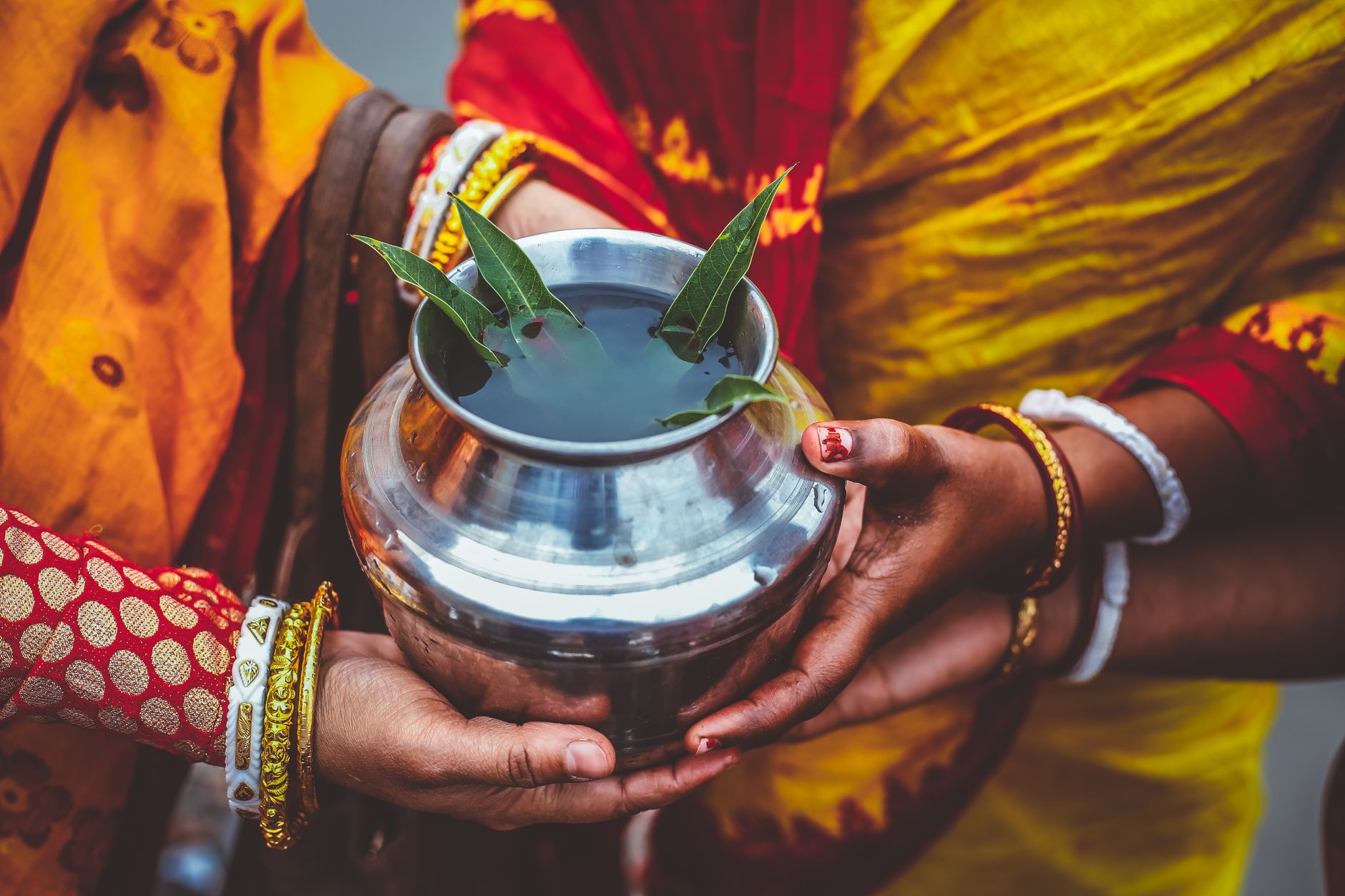
In today's fast-paced world, where modern medicine reigns supreme, there's a powerful resurgence of interest in ancient healing traditions. India, with its rich cultural heritage, is a fertile ground for these practices. We're talking about indigenous healing – wisdom passed down through generations, deeply connected to nature and community. It’s not just about remedies; it's a holistic approach to well-being, encompassing body, mind, and spirit. Think of it as a return to our roots, a way to find balance and healing in a world that often feels disconnected.
What Exactly is Indigenous Healing?
Indigenous healing refers to the traditional health practices of a community or culture, often predating modern medicine. In India, this manifests in diverse forms, deeply woven into the fabric of society. It’s about understanding the interconnectedness of everything – how our environment, our emotions, and our physical health are all linked. These practices are often rooted in a profound respect for nature, utilizing plants, herbs, and natural elements for healing. It’s a wisdom that acknowledges the body's innate ability to heal itself, with guidance from ancient knowledge.
Felicia Coctzin Ruiz, a Kitchen Curandera and author, beautifully articulates this concept. She defines traditional healers, or curanderas, as keepers of knowledge about foods, herbs, and cultural remedies. This knowledge is not just theoretical; it's practical, experiential, and passed down through direct mentorship. Imagine learning from elders who have spent their lives understanding the healing properties of local plants, their hands in the soil, their hearts attuned to the rhythms of nature. This is the essence of indigenous healing – a living tradition, not a relic of the past.
A Glimpse into Ancestral Wisdom
Ruiz’s own journey exemplifies this. Her great-grandmother was her first teacher, taking her on wildcrafting expeditions as a child. She learned to identify plants that could heal skin, hair, and respiratory ailments. This wasn't learned from textbooks; it was the living wisdom of her heritage, a blend of Spanish, Mexican, and Pueblo influences. This deep curiosity for plants and natural healing ways has been with her her entire life.
The story of a childhood stomach flu treated with charred corn tortillas highlights the ingenuity and resourcefulness of these traditions. The neighbor, drawing from her own cultural background, provided a simple yet effective remedy. This highlights how indigenous healing often uses readily available resources, transforming the ordinary into the extraordinary. It’s a testament to the deep understanding of natural elements and their medicinal properties.
The Legacy of Colonization and Resilience
It's vital to acknowledge that these practices have faced immense challenges. Colonization often suppressed indigenous cultures, including their healing traditions. In some parts of the world, indigenous people were not even allowed to practice their own medicine. The American Indian Religious Freedom Act (AIRFA) in 1978 marked a turning point, allowing these traditions to be openly practiced again. This history of resilience is a powerful part of the story of indigenous healing. It underscores the strength and determination of communities to preserve their cultural heritage against formidable odds.
Ruiz points out the harm in erasing this cultural understanding and the hardships endured. When these practices are adopted without acknowledging their origins or the struggles faced by indigenous communities, it can be a form of cultural appropriation. It’s essential to approach these traditions with respect and gratitude, recognizing the deep historical and cultural context from which they arise. This means understanding that these are not just 'alternative' therapies but deeply ingrained cultural systems of care.
Curanderismo: A Blend of Traditions
Curanderismo itself is a beautiful example of how indigenous practices can blend and inform one another. Influenced by proximity and the legacy of colonization, many traditions share remarkable similarities. Ruiz found teachers who worked within the same tradition, guiding her on her learning path. This collaborative spirit and shared knowledge are hallmarks of indigenous healing systems.
The concept of 'Kitchen Curandera' speaks to the integration of healing into everyday life. It’s about preparing food with intention, using herbs and spices not just for flavour but for their medicinal properties. It’s about creating a nurturing environment in the home, where healing can happen naturally. This holistic approach extends beyond physical ailments, addressing emotional and spiritual well-being.
Reiki and Indigenous Roots
Ruiz’s experience in massage school, where she witnessed a Reiki demonstration, is eye-opening. She recognized the energy healing technique as something her grandmother had practiced. This realization that many modern modalities have roots in indigenous practices is profound. It challenges the notion that these traditions are separate or inferior to Western medicine. Instead, it highlights a shared human quest for healing that transcends cultural boundaries.
The language may differ, but the underlying principles of connecting with energy, promoting balance, and facilitating the body's natural healing processes are often the same. This understanding can help bridge gaps between different healing systems and foster greater respect for traditional knowledge.
The Modern Relevance of Indigenous Healing in India
In India, this ancient wisdom is finding new relevance. As people seek more natural and holistic approaches to health, indigenous practices offer a powerful alternative. From the Ayurvedic principles of balance to the use of local herbs and remedies, India’s diverse cultures hold a treasure trove of healing knowledge.
Symptoms and When to Seek Help
While indigenous healing focuses on holistic well-being, it's important to recognize when professional medical help is needed. If you experience:
- Severe pain
- High fever that doesn't subside
- Sudden changes in bodily functions
- Wounds that don't heal
- Persistent fatigue or weakness
- Any symptoms that cause significant distress or interfere with daily life
It is essential to consult a qualified healthcare professional immediately. Indigenous healing should complement, not replace, conventional medical care for serious conditions.
Diagnosis and Treatment
Indigenous healing often involves a holistic assessment. A traditional healer might consider your physical symptoms, emotional state, lifestyle, and spiritual well-being. Diagnosis might involve observing physical signs, understanding energy flow, and listening to your personal narrative. Treatments are highly individualized and can include:
- Herbal remedies
- Dietary adjustments
- Mind-body practices like meditation and prayer
- Energy work
- Community support and rituals
The focus is on restoring balance and harmony within the individual and their environment.
Prevention and Lifestyle
A cornerstone of indigenous healing is prevention. This involves:
- Eating a balanced diet rich in whole, natural foods.
- Maintaining a regular sleep schedule.
- Engaging in physical activity that suits your body.
- Cultivating positive relationships and community connections.
- Practicing mindfulness and emotional regulation.
- Living in harmony with nature.
These lifestyle principles are not just about avoiding illness; they are about thriving and living a full, vibrant life.
When to Consult a Doctor
While embracing indigenous wisdom, it is paramount to remember that it is not a substitute for modern medical diagnosis and treatment, especially for acute or severe conditions. Always consult a qualified medical doctor if you experience:
- Sudden, severe pain
- Difficulty breathing
- High, persistent fever
- Unexplained weight loss
- Blood in stool or urine
- Any symptom that is new, worsening, or causes significant concern.
Indigenous practices can often be used as complementary therapies, discussed openly with your doctor, to support your overall well-being.
FAQ Section
What is the difference between indigenous healing and modern medicine?
Indigenous healing is holistic, community-oriented, and deeply rooted in cultural traditions and nature. Modern medicine tends to be more focused on specific diseases, often using scientific, evidence-based interventions and technology. Both have their strengths, and often, they can complement each other.
Can I use indigenous remedies alongside my prescribed medications?
It is essential to discuss any complementary therapies, including indigenous remedies, with your doctor. Some herbs or practices might interact with your medications. Open communication with your healthcare provider ensures your safety and optimizes your treatment plan.
How can I find authentic indigenous healers in India?
Finding authentic practitioners requires careful research and community connection. Look for individuals recognized by their communities, who practice with transparency and respect for tradition. Word-of-mouth referrals and community elders can be valuable resources. Be wary of those who make exaggerated claims or lack genuine cultural grounding.
Is all traditional Indian medicine considered indigenous healing?
While many traditional Indian systems like Ayurveda and Siddha have indigenous roots, the term 'indigenous healing' specifically refers to the localized, often unwritten, knowledge systems of tribal and distinct cultural communities. Ayurveda, for instance, is a highly codified system, whereas indigenous healing can be more fluid and community-specific.