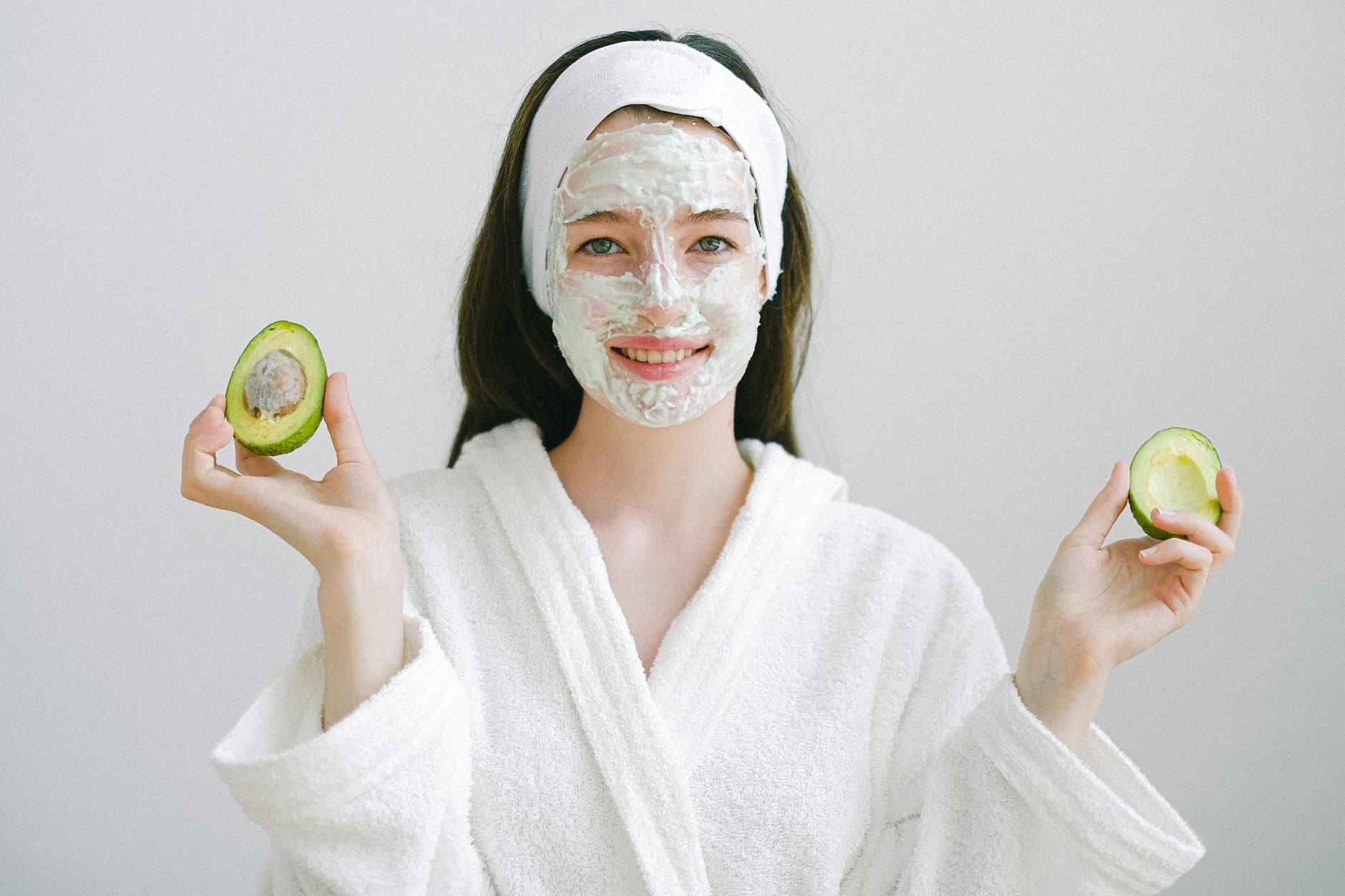
Understanding the Mayonnaise Hair Mask Hype In the realm of DIY beauty treatments, the mayonnaise hair mask has emerged as a popular, albeit unconventional, remedy. Touted for its potential to leave hair soft, smooth, and manageable, this kitchen staple is often recommended, especially for those with curly or wavy hair. But does this creamy condiment truly live up to its promises? Let's delve into the science and practicalities behind using mayonnaise as a hair mask. What is a Mayonnaise Hair Mask? At its core, a mayonnaise hair mask is simply mayonnaise applied directly to the hair and scalp. Mayonnaise, a common condiment, is primarily composed of oil (often canola or soybean oil), egg yolks, vinegar, and lemon juice. Some brands might include additional ingredients like olive oil or Dijon mustard. These components are what give mayonnaise its unique texture and potential benefits for hair. Potential Benefits of a Mayonnaise Hair Mask 1. Moisturizing Properties for Dry and Curly Hair Mayonnaise is essentially an oil-based emulsion. The high oil content, typically from soybean or canola oil, can provide significant moisture to the hair shaft. This is particularly beneficial for individuals with naturally dry, curly, or wavy hair types. These hair textures often lack sufficient natural oils (sebum) to keep them adequately moisturized, leading to dryness, frizz, and a dull appearance. The oils in mayonnaise can help replenish this lost moisture, making the hair feel softer and more hydrated. 2. Frizz Reduction A common side effect of dry or damaged hair is frizz, which is often exacerbated by humidity. By providing essential moisture, a mayonnaise hair mask can help to balance the hair's hydration levels. When hair is properly moisturized, it is less likely to absorb moisture from the humid air, thus reducing frizz. This effect is further enhanced when combined with good hair care practices, such as avoiding excessive heat styling and gently drying hair. 3. Potential for Hair Growth (with caveats) One of the more intriguing claims surrounding mayonnaise hair masks is their ability to promote hair growth. This claim is often linked to an amino acid found in mayonnaise called L-cysteine. Research has indicated that L-cysteine plays a role in building keratin, a crucial protein for hair strength and growth. A study involving menopausal women with hair loss highlighted the importance of nutritional amino acids, including L-cysteine, for hair health. However, it's crucial to note that this research focused on dietary intake and supplements of L-cysteine, not its topical application via mayonnaise. Therefore, while L-cysteine is important for hair growth, the direct impact of a mayonnaise hair mask on hair growth remains largely unproven by scientific studies. 4. Other Unsubstantiated Claims Some sources suggest that mayonnaise hair masks can strengthen hair, protect color treatments, or even help in treating head lice. While mayonnaise contains ingredients like eggs, which have protein, the concentration and form are unlikely to provide significant strengthening benefits. Similarly, claims about color protection or lice treatment lack robust scientific evidence. The theory that mayonnaise can suffocate lice, similar to other thick substances, is not supported by major health organizations like the CDC. While it might temporarily immobilize lice, it's not a proven method for eradication. How to Make and Use a Mayonnaise Hair Mask Making and applying a mayonnaise hair mask is straightforward: Choose the Right Mayonnaise: Opt for full-fat, plain mayonnaise. Avoid varieties with added sugars, artificial flavors, or strong seasonings, as these could irritate the scalp. Organic or homemade mayonnaise can also be good options. Application: Start with dry or slightly damp hair. Apply the mayonnaise generously from the roots to the tips, ensuring all strands are coated. You can use your hands or a comb for even distribution. Massage the Scalp: Gently massage the mayonnaise into your scalp. This can help to stimulate blood circulation and ensure the nutrients are delivered to the hair follicles. Cover and Wait: Once applied, cover your hair with a shower cap or plastic wrap. This helps to trap heat, allowing the mask to penetrate the hair shaft more effectively. Leave the mask on for about 20 to 30 minutes. Rinse and Shampoo: Thoroughly rinse the mayonnaise out of your hair with lukewarm water. Follow up with your regular shampoo and conditioner to remove any residue and ensure your hair is clean. You may need to shampoo twice to completely remove the oily texture. Potential Risks and Considerations While generally considered safe for topical use, there are a few things to keep in mind: Allergies: If you have an egg or vinegar allergy, you should avoid using a mayonnaise hair mask. Perform a patch test on a small area of skin before applying it to your entire scalp and hair. Oily Residue: For individuals with oily hair or fine hair, mayonnaise can sometimes leave a greasy residue if not washed out thoroughly. Smell: The smell of mayonnaise, particularly the vinegar component, can be strong. Ensure you rinse very well and use a fragrant shampoo and conditioner. Lack of Scientific Backing: It's important to remember that most of the claimed benefits, beyond basic moisturizing, are not supported by rigorous scientific research. When to Consult a Doctor While a mayonnaise hair mask is a home remedy and not a medical treatment, you should consult a doctor or dermatologist if you experience persistent scalp issues, excessive hair loss, or other concerns about your hair and scalp health. These could indicate underlying
In summary, timely diagnosis, evidence-based treatment, and prevention-focused care improve long-term health outcomes.