High blood pressure, also known as hypertension, is a silent but serious health concern that affects millions in India and globally. It's a condition where the force of blood against your artery walls is consistently too high. Over time, this relentless pressure can strain your heart, damage blood vessels, and increase your risk of severe health problems like heart disease, stroke, and kidney failure. While medications play a role, your diet is a powerful first line of defense. We're going to explore how certain beverages, readily available and often enjoyed, can be a delicious part of managing your blood pressure naturally.
Understanding High Blood Pressure
Imagine your blood vessels as pipes carrying fluid. High blood pressure means the fluid is pushing too hard against the pipe walls. This happens when your heart has to work harder to pump blood, leading to wear and tear on both the heart muscle and the vessel lining. Factors like dietary choices, lack of exercise, and underlying conditions such as diabetes and obesity contribute significantly to its development. Treating high blood pressure is vital to prevent these domino effects on your overall health. While medical treatments are effective, incorporating blood pressure-friendly foods and drinks can complement these therapies, offering a more holistic approach without the potential side effects of some medications.
Beverages That Can Help Lower Blood Pressure
Let's explore some specific drinks that research suggests can be beneficial:
1. Beetroot Juice
Beetroot juice is a powerhouse of dietary nitrates. Your body converts these nitrates into nitric oxide, a molecule that helps relax and widen your blood vessels, thereby reducing blood pressure. Studies have shown that both raw and cooked beet juice can improve blood pressure, with raw beet juice demonstrating a more pronounced effect. The benefits are thought to go beyond just the nitrates, suggesting other beneficial compounds in beets are also at play.
Scenario: Mr. Sharma, a 55-year-old software engineer, recently discovered he has borderline high blood pressure. He’s looking for natural ways to manage it and starts his day with a small glass of fresh beetroot juice. He notices he feels a bit more energetic and his doctor is pleased with his initial progress in the follow-up visit.
2. Tomato Juice
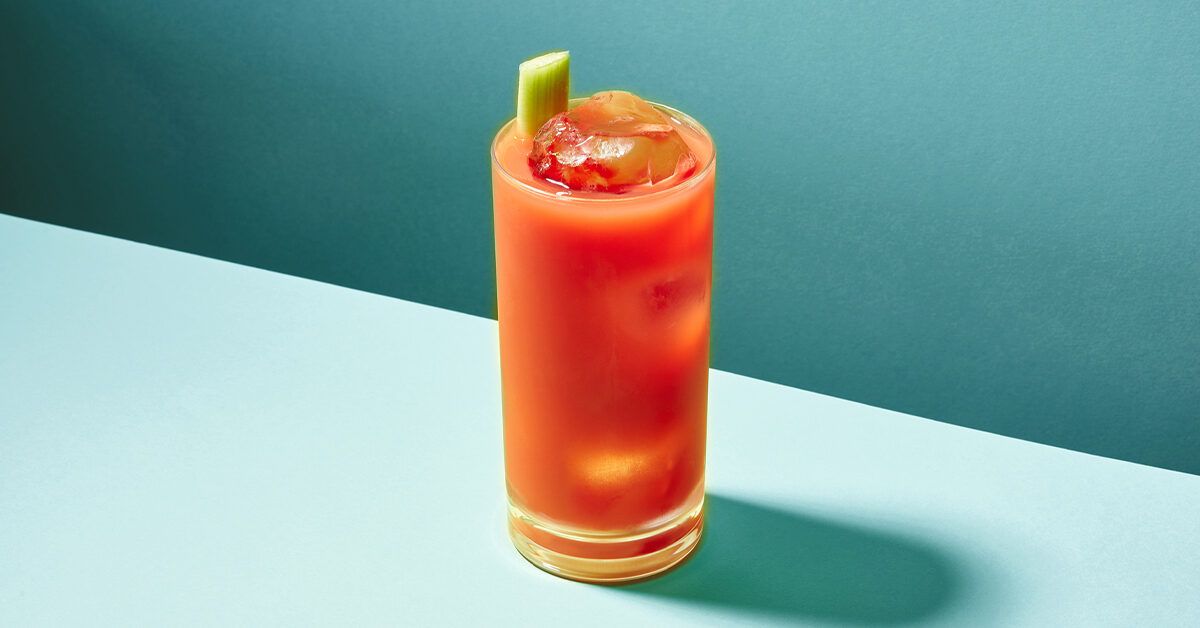
Unsalted tomato juice is another excellent choice. Research, including a 2019 study on individuals with heart disease risk factors, found that drinking about a cup of tomato juice daily improved both systolic and diastolic blood pressure. It also showed positive effects on LDL cholesterol levels. Similar results have been observed in people with early-stage hypertension and even pregnant women, highlighting its broad benefits.
3. Pomegranate Juice
Studies suggest that regular consumption of pomegranate juice may help lower both systolic and diastolic blood pressure. When choosing pomegranate juice, always opt for 100% pure juice with no added sugars to maximize its health benefits. Its rich antioxidant profile is key to these effects.
4. Berry Juices (Cranberry and Cherry)
Both cranberry and cherry juices have shown potential in improving blood pressure levels, according to a 2020 review. Berries, in general, are packed with antioxidants and compounds that can benefit cardiovascular health. Including a variety of berries in your diet, whether as juice or whole fruit, can contribute to lower systolic blood pressure and improved cholesterol.
5. Low-Fat Milk
For those who consume dairy, low-fat milk is a beneficial option. A 2022 study indicated that increased intake of low-fat milk was associated with lower systolic and diastolic blood pressure. It's a good source of calcium and vitamin D and aligns well with dietary approaches like the DASH (Dietary Approaches to Stop Hypertension) diet.
6. Green and Black Tea
A 2020 review of studies found that regular consumption of both black and green tea may positively impact blood pressure. These teas are rich in flavonoids, antioxidants that can improve blood vessel function and reduce inflammation. Aim for unsweetened versions to get the full benefit.
Drinks to Consume with Caution
While the above drinks can be beneficial, some beverages have a more complex relationship with blood pressure:
- Coffee: Coffee's effect on blood pressure can vary. While some studies show a temporary increase, others suggest regular moderate consumption might not be harmful for many. However, if you have high blood pressure, it's wise to monitor your reaction and discuss it with your doctor.
- Alcohol: Excessive alcohol intake is strongly linked to elevated blood pressure. Moderate consumption might have different effects, but it's a sensitive area. If you drink alcohol, do so in moderation and consult your doctor, especially if you have hypertension.
When to Consult a Doctor
Making dietary changes is a positive step, but it's not a replacement for professional medical advice. You should consult a doctor if:
- You have been diagnosed with high blood pressure.
- You are experiencing symptoms like persistent headaches, dizziness, shortness of breath, or chest pain.
- You are considering significant dietary changes, especially if you are on medication for blood pressure or other conditions.
- You want personalized advice on managing your blood pressure through diet and lifestyle.
Your doctor can provide a proper diagnosis, recommend a treatment plan tailored to your needs, and guide you on how to best incorporate these beneficial drinks into your overall health strategy.
Frequently Asked Questions (FAQ)
- Can I replace my blood pressure medication with beetroot juice?
No, you should never replace prescribed medication without consulting your doctor. While beetroot juice can be a helpful addition, it's not a substitute for medical treatment.
- How much tomato juice should I drink daily?
Studies often use about one cup (around 240 ml) per day. Opt for unsalted versions.
- Are there any side effects of drinking these juices?
Generally, these juices are safe when consumed in moderation as part of a balanced diet. However, excessive intake might lead to digestive upset. Always choose 100% juice with no added sugar.
- Can I add sugar to my beet or tomato juice?
It's best to avoid adding sugar, as excess sugar can negatively impact blood pressure and overall health.
What This Means In Daily Life
Most people do not notice early warning signs right away. That is common. A simple symptom diary, basic routine checks, and timely follow-up visits can prevent small problems from becoming serious.
If you are already on treatment, stay consistent with medicines and lifestyle advice. If your symptoms change, do not guess. Check with a qualified doctor and update your plan early.
Simple Action Plan
Write down symptoms, triggers, and timing for a few days.
Carry old prescriptions and test reports to your consultation.
Ask clearly about side effects, red-flag signs, and follow-up dates.
Seek urgent care for severe pain, breathing trouble, bleeding, fainting, or sudden worsening.