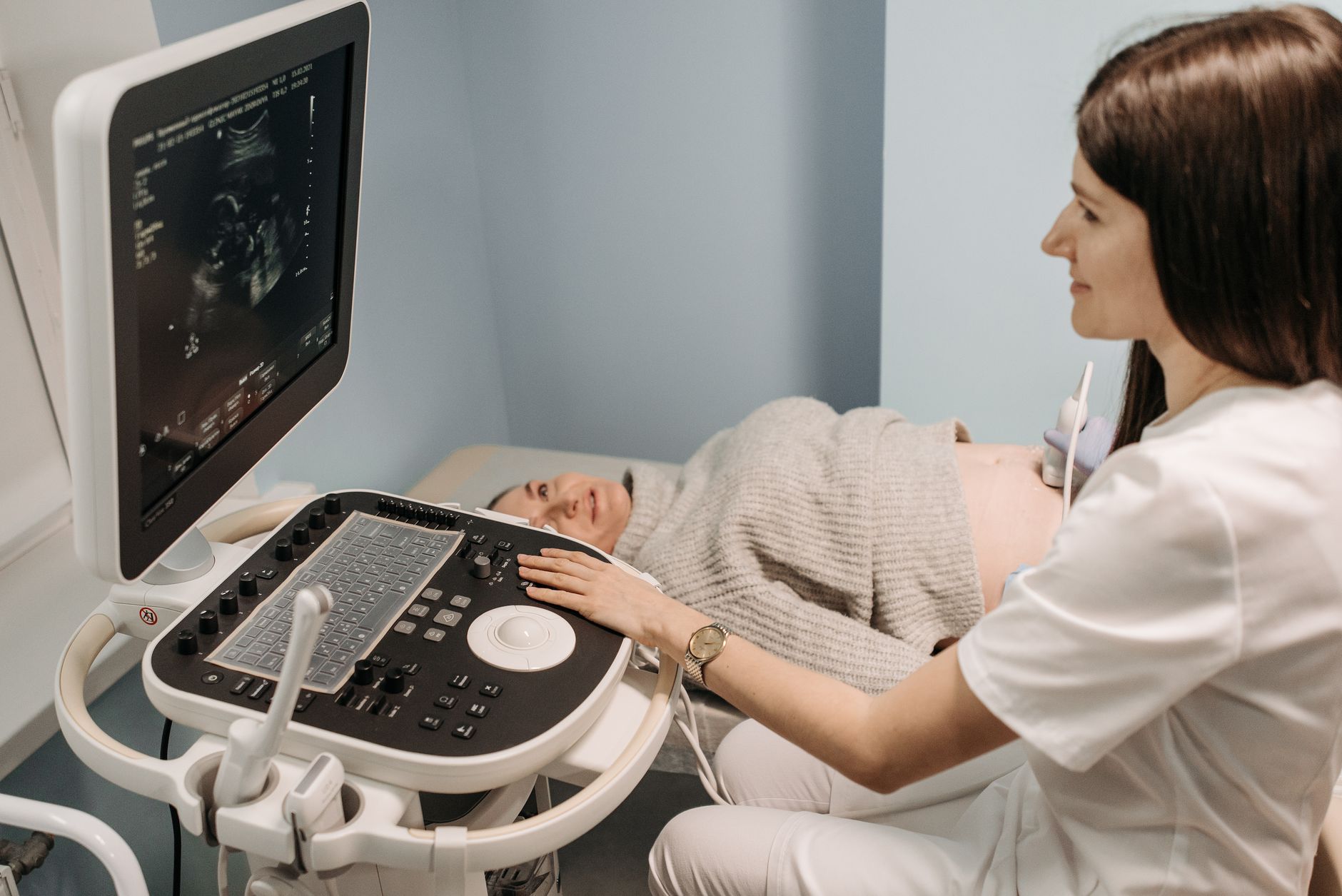
Your heart is a remarkable organ, working tirelessly to pump blood throughout your body. Sometimes, doctors need a closer look at how this vital muscle is functioning, and that's where an echocardiogram comes in. Think of it as an ultrasound for your heart, using sound waves to create moving pictures of your heart's chambers, valves, and walls. This non-invasive test gives your doctor invaluable information about your heart's size, strength, and overall health.
What is an Echocardiogram?
An echocardiogram, often shortened to 'echo', is a diagnostic test that employs ultrasound technology. High-frequency sound waves are transmitted from a handheld device called a transducer, which is gently placed on your chest. These sound waves travel through your body and bounce off your heart's structures, creating echoes. A computer then captures these echoes and translates them into real-time images of your heart in motion. This allows your doctor to see your heart beating and pumping blood, providing a clear picture of its performance.
The images produced by an echocardiogram help doctors assess several key aspects of your heart health:
- Heart Size and Shape: They can determine if your heart chambers are enlarged or if the heart muscle walls have thickened, which can indicate underlying problems.
- Pumping Strength: The test measures how effectively your heart's main pumping chamber, the left ventricle, is ejecting blood with each beat.
- Valve Function: Echocardiograms are excellent at showing how well your heart valves are opening and closing. Problems like leakage (regurgitation) or narrowing (stenosis) can be clearly identified.
- Heart Wall Motion: Doctors can see if all parts of your heart muscle are contracting in a coordinated way. Areas of reduced movement might suggest damage, perhaps from a previous heart attack.
- Blood Flow: Doppler ultrasound, often used with echocardiograms, can visualize blood flow through the heart and its vessels, helping to detect abnormal patterns or pressures.
Why Might You Need an Echocardiogram?
Your doctor might recommend an echocardiogram for various reasons. Often, it's because they've heard something unusual during a physical examination, like a heart murmur, or noticed an irregular heartbeat. Other common reasons include:
- Investigating symptoms like chest pain, shortness of breath, dizziness, or swelling in the legs.
- Evaluating the effects of a known heart condition, such as heart failure or valve disease.
- Checking the heart's condition after a heart attack.
- Assessing congenital heart defects (heart problems present at birth).
- Monitoring the effectiveness of treatments for heart conditions.
- Screening for heart problems in individuals with a family history of heart disease.
Imagine this scenario: You've been feeling unusually tired lately and sometimes experience a fluttering sensation in your chest. Your primary care physician listens to your heart and hears a slight whooshing sound they haven't noticed before. They might order an echocardiogram to understand the cause of the murmur and your symptoms, ensuring everything is functioning as it should be.
Types of Echocardiograms
There are several variations of the echocardiogram, each suited for different diagnostic needs:
Transthoracic Echocardiogram (TTE)
This is the most common type. The transducer is placed directly on your chest (thorax). It's quick, painless, and provides a good overview of your heart's structure and function. You'll typically be asked to lie on your side, and the technician will move the transducer over different areas of your chest, sometimes applying a special gel to ensure good contact.
Transesophageal Echocardiogram (TEE)
For a clearer view, especially of the heart valves and certain posterior structures, a TEE might be performed. In this procedure, a flexible tube containing a transducer is gently guided down your esophagus (food pipe). Since the esophagus is so close to the heart, this provides highly detailed images. You'll usually receive a mild sedative and a local anesthetic for your throat to make the procedure comfortable. You won't be able to drive for several hours afterward due to the sedative.
Stress Echocardiogram
This test assesses how your heart functions under physical stress. You'll have an echocardiogram taken both before and immediately after exercising (usually on a treadmill or stationary bike) or after receiving medication to increase your heart rate. This helps doctors see if blood flow to your heart muscle decreases when it's working harder. It's a valuable tool for diagnosing coronary artery disease.
Three-Dimensional (3-D) Echocardiogram
This advanced technique uses specialized equipment to create a 3-D model of your heart. It can offer a more comprehensive view of complex heart structures and is particularly useful for planning heart valve surgeries or evaluating heart defects in children.
Fetal Echocardiogram
Performed on expectant mothers, typically between weeks 18 and 22 of pregnancy, this specialized ultrasound examines the heart of the developing fetus. It helps identify any potential heart abnormalities before birth. The transducer is placed on the mother's abdomen, and the procedure is considered safe for both mother and baby.
What to Expect During the Test
Preparing for an echocardiogram is generally straightforward. For a standard TTE, there are usually no specific dietary restrictions, though your doctor will advise you if any are needed. For a TEE, you'll be instructed not to eat or drink for about 8 hours beforehand to prevent vomiting. You might also be asked to stop certain medications, so always follow your doctor's specific instructions.
On the day of the test, you'll likely change into a hospital gown. For a TTE, a technician will apply a gel to your chest and then press the transducer firmly against your skin, moving it to capture images from various angles. You won't feel any pain, and breathing should be normal. The procedure typically takes about 20 to 40 minutes. For a TEE, after sedation, the transducer is gently inserted into your esophagus. You might feel some pressure, but it shouldn't be painful.
After a TTE, you can usually resume your normal activities immediately. If you had a TEE, you might need to rest for a short while due to the sedation and avoid hot liquids for a few hours until the throat numbness wears off. Your doctor will likely provide specific post-procedure instructions, such as avoiding strenuous activity for a day or two.
Interpreting the Results
Once the images are captured, a cardiologist (a heart specialist) will review them. They will analyze all the measurements and visual information to form a diagnosis. Sometimes, results are available immediately, while other times, your doctor might discuss them with you in a follow-up appointment within a few days. They will explain what the images show about your heart's health and discuss any necessary next steps, whether it's further testing, medication, or lifestyle changes.
Are There Any Risks?
Echocardiograms are considered very safe tests. The ultrasound waves used are not harmful, and the procedure is generally painless. The main risks are associated with specific types of echocardiograms:
- TEE: Minor risks include discomfort in the throat, temporary hoarseness, or, very rarely, damage to the esophagus. Sedation also carries its own minimal risks.
- Contrast Echocardiogram: If a contrast dye is injected to enhance images, there's a very small chance of an allergic reaction.
- Stress Echocardiogram: While rare, there's a slight risk of developing an abnormal heart rhythm or other cardiac issues during the exercise portion. Your medical team will monitor you closely throughout.
Overall, the benefits of gaining critical information about your heart health far outweigh these minimal risks for most individuals.
When to Consult a Doctor
If you experience persistent chest pain, unexplained shortness of breath, irregular heartbeats, severe fatigue, or swelling in your legs and ankles, it's important to see a doctor. These could be signs of a heart condition that requires medical attention. Don't hesitate to seek professional medical advice if you have concerns about your heart health or if you're scheduled for an echocardiogram and have questions about the procedure or your preparation.
Frequently Asked Questions (FAQ)
Is an echocardiogram painful?
No, a standard transthoracic echocardiogram is painless. You might feel some pressure from the transducer, but there is no pain. A transesophageal echocardiogram involves a mild sedative and local anesthetic for the throat, making it comfortable.
How long does an echocardiogram take?
A standard transthoracic echocardiogram usually takes between 20 to 40 minutes. A stress echocardiogram might take slightly longer due to the exercise component, typically around 30 to 60 minutes in total. A transesophageal echocardiogram also takes about 20 to 40 minutes, plus recovery time from sedation.
Can I eat before an echocardiogram?
For a standard transthoracic echocardiogram (TTE), you can usually eat and drink normally unless your doctor specifies otherwise. However, for a transesophageal echocardiogram (TEE), you'll need to fast for about 8 hours beforehand.
What if my echocardiogram shows a problem?
If your echocardiogram reveals an issue, your doctor will discuss the findings with you in detail. They will explain the nature of the problem, its severity, and the recommended course of action. This might involve further tests, medication adjustments, lifestyle changes, or referral to a cardiology specialist for more advanced treatment options.