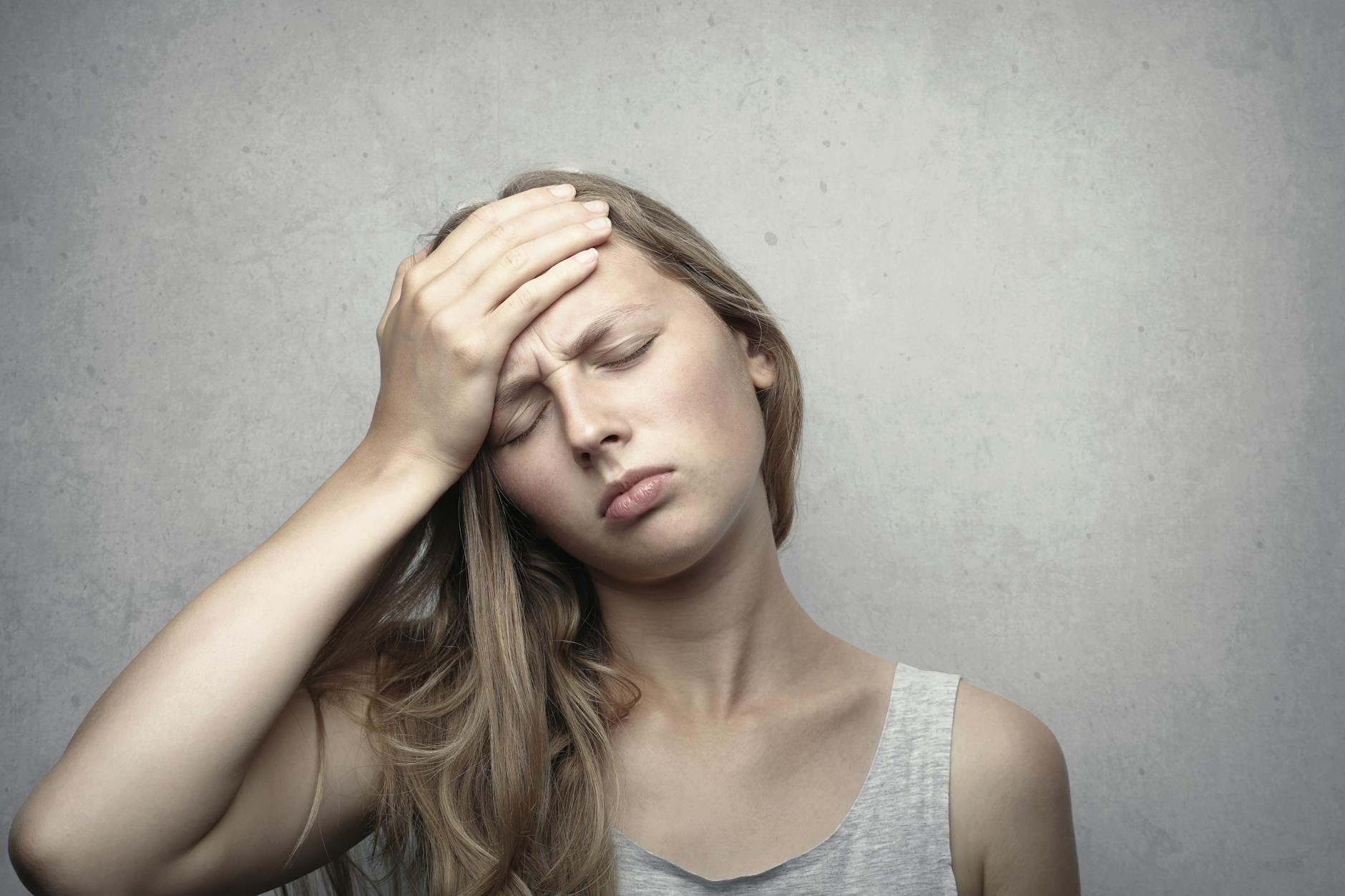
For decades, people have wondered if a pounding headache is a sign that your blood pressure has climbed too high. It's a question many of us have asked ourselves when a headache strikes, especially if it feels more intense than usual. While the idea that headaches are a direct symptom of high blood pressure is common, the reality is a bit more complex. Let's explore what the science says about the link between your blood pressure and those bothersome headaches. Understanding High Blood Pressure (Hypertension) High blood pressure, medically known as hypertension, is a condition where the force of blood against your artery walls is consistently too high. Think of it like a water hose: if the pressure is too strong, it can damage the hose over time. Similarly, high blood pressure can strain your blood vessels and vital organs like the heart, brain, and kidneys. What's concerning is that hypertension often shows no symptoms, earning it the nickname 'the silent killer.' Many people live with high blood pressure for years without knowing it, making regular check-ups incredibly important. The Age-Old Belief: Headaches as a Symptom Historically, especially in the early 20th century, headaches, particularly those that occurred in the morning, were widely considered a primary indicator of high blood pressure. This belief was quite prevalent. However, as medical research has advanced, our understanding has evolved. While it's not impossible for headaches to be related to blood pressure, current medical consensus suggests this connection is much less common than previously thought, especially for typical, everyday hypertension. Most of the time, if you have high blood pressure, you won't experience headaches as a direct result. When Headaches Might Signal Danger: Hypertensive Crisis There's a critical exception to the rule that headaches are rarely a symptom of high blood pressure. This occurs in a medical emergency known as a hypertensive crisis . This is a situation where your blood pressure suddenly skyrockets to extremely dangerous levels, often above 180/120 mmHg. In such cases, a severe headache can indeed be a warning sign. Other symptoms that accompany this type of headache might include: Sudden blurred vision or vision changes Chest pain Shortness of breath Numbness or weakness, especially on one side of the body Difficulty speaking Nausea or vomiting Anxiety Nosebleeds If you experience a severe headache along with any of these symptoms, it is vital to seek immediate medical attention. Do not wait. Call your local emergency services (like 108 or 112 in India) or get to the nearest hospital emergency room right away. A hypertensive crisis can lead to serious complications like stroke, heart attack, kidney damage, and even death if not treated promptly. The Migraine Connection: A Different Story The relationship between high blood pressure and headaches becomes more nuanced when we talk about migraine. Migraine is a specific type of headache disorder characterized by intense, often throbbing pain, usually on one side of the head, and frequently accompanied by nausea, vomiting, and sensitivity to light and sound. Recent research suggests a potential two-way street here: High blood pressure might worsen migraines: Some studies indicate that hypertension could potentially exacerbate migraine symptoms or increase their frequency. Migraine sufferers may be more prone to high blood pressure: Conversely, evidence suggests that individuals who experience migraines might have a higher likelihood of developing high blood pressure later on. The reasons for this are still being investigated, but scientists speculate it could be due to shared underlying biological mechanisms or even genetic factors that predispose individuals to both conditions. A 2024 study, for instance, found that high blood pressure might contribute to the development of chronic migraine – a condition where headaches occur at least 15 days a month for over three months, with at least eight of those being migraines. Another study from 2018 involving thousands of women found a moderate increased risk of high blood pressure in those who suffered from migraines compared to those who didn't. Other Potential Causes of Headaches It's important to remember that headaches are very common and can stem from numerous causes unrelated to blood pressure. If you're experiencing frequent or severe headaches, it's essential to consider other possibilities. Some common culprits include: Primary Headache Disorders These are headaches that are not caused by another underlying medical condition. Migraine is a prime example. Cluster headaches, which are less common but intensely painful, also fall into this category. Tension headaches, often described as a dull, aching sensation all over the head, are perhaps the most frequent type. Cervical Osteoarthritis (Neck Arthritis) Many people, especially as they age, develop arthritis in their neck (cervical spine). This condition can sometimes radiate pain to the head, causing headaches that might be mistaken for other types. This is particularly relevant for older adults who might also have high blood pressure. Stress, Anxiety, and Depression Our mental and emotional well-being has a profound impact on our physical health. There's a well-documented link between mental health conditions like anxiety and depression, and the occurrence of headaches. The stress and tension associated with these conditions can manifest as physical pain, including headaches. Lifestyle Factors Dehydration, lack of sleep, skipping meals, excessive caffeine intake or withdrawal, and even certain foods can trigger headaches in susceptible individuals. Environmental Triggers Bright lights, loud noises, strong smells, and changes in weather can also set off headaches for some people. Dietary Considerations for Headache and Blood Pressure Management While the direct link between typical hypertension and headaches is weak, managing your diet is beneficial for both blood pressure control and potentially reducing headache frequency. For instance, some research suggests that altering your intake of essential fatty acids might help. Specifically, reducing omega-6 fatty acids and increasing omega-3 fatty acids in your diet could be beneficial. Good sources of omega-3 include fatty fish like salmon and mackerel, flaxseeds, and walnuts. Conversely, a diet high in processed foods often contains excessive omega-6. What Should You Do? Practical Steps So, what's the takeaway? If you're experiencing headaches, here’s a practical guide: Monitor Your Headaches: Keep a headache diary. Note down when they occur, how severe they are, what other symptoms you experience, what you ate, how much you slept, and any potential triggers. This information is invaluable for your doctor. Check Your Blood Pressure Regularly: If you have risk factors for hypertension or are over 40, get your blood pressure checked at every doctor's visit. If you don't have regular check-ups, make an appointment with your family doctor or visit a local clinic for a screening. You can also find automated blood pressure machines at many pharmacies. Know the Emergency Signs: Understand the symptoms of a hypertensive crisis. If you suspect you're in one, seek emergency medical help immediately. Discuss with Your Doctor: Don't self-diagnose. If your headaches are frequent, severe, or changing in pattern, consult your doctor. They can help determine the cause and recommend the right treatment. Adopt a Healthy Lifestyle: Focus on a balanced diet, regular physical activity, adequate sleep, stress management, and limiting alcohol and smoking. These habits benefit both your blood pressure and overall well-being, potentially reducing headache frequency. When to Consult a Doctor You should seek medical advice if you experience any of the following: Sudden, severe headaches Headaches accompanied by fever, stiff neck, confusion, seizures, double vision, weakness, numbness, or difficulty speaking Headaches after a head injury A chronic headache that worsens over time or changes in pattern Headaches that interfere with your daily activities If you suspect your blood pressure is very high and you have a severe headache. A real-life scenario: Imagine Priya, a 55-year-old homemaker, who recently started experiencing nagging headaches every afternoon. She also feels a bit more tired than usual. Her husband, who has high blood pressure, urges her to get it checked, fearing it might be her blood pressure. Priya, however, also notices she's been sleeping less due to family commitments and drinking less water. This highlights the need to consider multiple factors beyond just blood pressure when a headache occurs. Frequently Asked Questions (FAQ) Q1: Can I have high blood pressure without knowing it? A1: Yes, absolutely. High blood pressure is often asymptomatic, meaning it doesn't cause noticeable symptoms until it leads to significant organ damage or a crisis. This is why regular blood pressure monitoring is essential, especially if you have risk factors like a family history, being overweight, or leading a sedentary lifestyle. Q2: If I have a headache, does it automatically mean my blood pressure is high? A2: No, not usually. While a severe headache can be a sign of a hypertensive crisis (dangerously high blood pressure), most common headaches are not directly caused by typical hypertension. Many other factors, like stress, dehydration, or migraine, are more common causes. Q3: What is the best diet for managing blood pressure and potentially reducing headaches? A3: A heart-healthy diet, such as the DASH (Dietary Approaches to Stop Hypertension) diet, is recommended. This includes plenty of fruits, vegetables, whole grains, lean proteins, and low-fat dairy. Limiting sodium, saturated
In summary, timely diagnosis, evidence-based treatment, and prevention-focused care improve long-term health outcomes.