Living with Type 2 Diabetes (T2D) and Chronic Kidney Disease (CKD) presents a significant challenge, especially when it comes to protecting your heart health. These three conditions, T2D, CKD, and heart disease, share many common risk factors. High blood sugar, elevated blood pressure, and a sedentary lifestyle can all contribute to the development and progression of all three. If you have T2D, you are at a higher risk of developing CKD and heart disease. The persistent high blood sugar levels can gradually damage the delicate blood vessels and nerves within your kidneys and heart, eventually leading to serious complications like CKD and heart disease. Furthermore, CKD itself can exacerbate the problem by increasing your blood pressure, placing additional strain on your already vulnerable heart.
Understanding the Interconnectedness
It's crucial to understand that these conditions are not isolated. They form a complex web where one can influence and worsen the others. High blood sugar, a hallmark of T2D, is a primary culprit. Over time, it can lead to a condition called diabetic nephropathy, which is damage to the kidneys caused by diabetes. This kidney damage can then lead to hypertension (high blood pressure), which is a major risk factor for heart disease. Similarly, heart disease can affect kidney function by reducing blood flow to the kidneys.
Key Risk Factors Shared by T2D, CKD, and Heart Disease
- High Blood Sugar (Hyperglycemia): Uncontrolled blood sugar levels are a direct threat to blood vessels throughout the body, including those in the kidneys and heart.
- High Blood Pressure (Hypertension): This is a silent killer that puts immense pressure on your arteries, increasing the risk of heart attacks, strokes, and kidney damage.
- Obesity: Excess body weight is linked to insulin resistance, high blood pressure, and high cholesterol, all of which contribute to these conditions.
- High Cholesterol (Hyperlipidemia): Elevated levels of LDL (bad) cholesterol can lead to plaque buildup in arteries, narrowing them and restricting blood flow.
- Physical Inactivity: A lack of regular exercise contributes to weight gain, poor blood sugar control, and increased blood pressure.
- Smoking: Smoking damages blood vessels and significantly increases the risk of heart disease and kidney problems.
- Family History: A genetic predisposition can increase your susceptibility to these conditions.
Strategies for Protecting Your Heart Health
The good news is that by adopting a proactive approach and making informed lifestyle choices, you can significantly reduce your risk and protect your heart health, even when managing T2D and CKD. Here are some essential strategies:
1. Strict Blood Sugar Control
Maintaining your blood sugar levels within the target range recommended by your doctor is paramount. This involves:
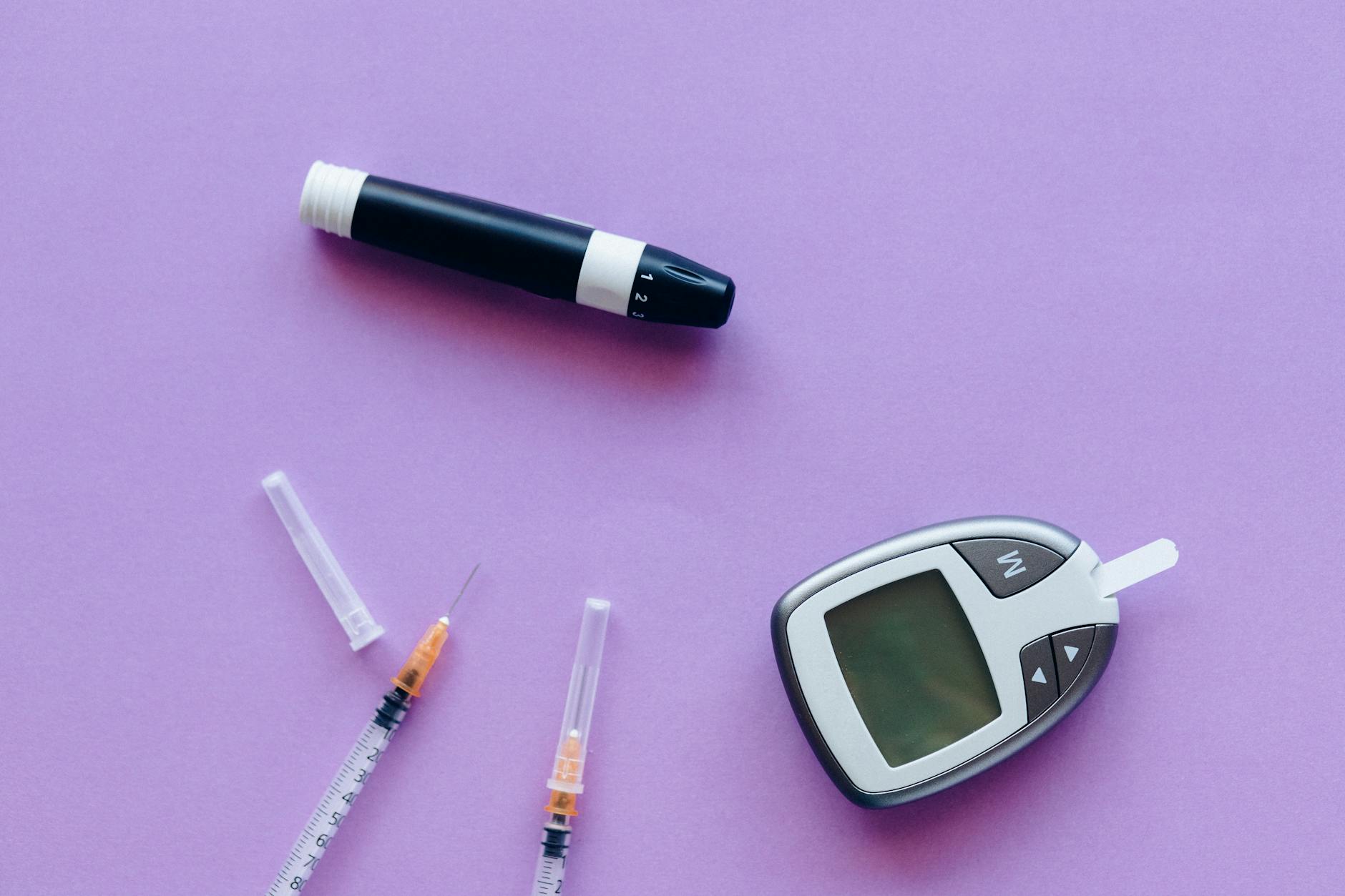
- Regular Monitoring: Use a glucose meter to check your blood sugar levels as advised by your healthcare provider.
- Medication Adherence: Take your diabetes medications (oral or insulin) exactly as prescribed. Do not skip doses or alter the dosage without consulting your doctor.
- Dietary Discipline: Follow a balanced diet low in refined carbohydrates and added sugars. Focus on whole grains, lean proteins, fruits, and vegetables.
2. Blood Pressure Management
Keeping your blood pressure under control is vital for preventing further damage to your heart and kidneys. This includes:
- Regular Monitoring: Check your blood pressure at home or at your doctor's office regularly.
- Medication: If prescribed, take your blood pressure medications diligently.
- Dietary Adjustments: Reduce your sodium intake. Avoid processed foods, canned soups, and salty snacks.
- Lifestyle Changes: Regular physical activity and stress management can also help lower blood pressure.
3. Heart-Healthy Diet
A diet tailored for diabetes and kidney health can also be beneficial for your heart. Focus on:
- Lean Proteins: Fish, poultry, beans, and lentils.
- Healthy Fats: Avocados, nuts, seeds, and olive oil.
- Fruits and Vegetables: A variety of colorful options, rich in vitamins, minerals, and antioxidants.
- Whole Grains: Brown rice, quinoa, oats, and whole wheat bread.
- Limit: Saturated and trans fats, processed foods, sugary drinks, and excessive salt.
4. Regular Physical Activity
Engaging in regular exercise is one of the most effective ways to improve cardiovascular health, manage blood sugar, and control blood pressure. Aim for at least 150 minutes of moderate-intensity aerobic activity per week, such as brisk walking, cycling, or swimming. Consult your doctor before starting any new exercise program, especially if you have existing health conditions.
5. Weight Management
If you are overweight or obese, losing even a small amount of weight can have a significant positive impact on your blood sugar, blood pressure, and cholesterol levels. A combination of a healthy diet and regular exercise is key to sustainable weight loss.
6. Smoking Cessation
If you smoke, quitting is one of the best decisions you can make for your overall health. Smoking dramatically increases the risk of heart disease, stroke, and kidney failure. Seek support from your doctor or smoking cessation programs to help you quit.
7. Medication Management
Work closely with your healthcare team to ensure you are on the right medications for all your conditions. This may include medications for diabetes, blood pressure, cholesterol, and potentially medications to protect your kidneys, such as ACE inhibitors or ARBs.
8. Regular Medical Check-ups
Attend all your scheduled appointments with your doctor, endocrinologist, nephrologist, and cardiologist. These regular check-ups allow for monitoring of your conditions, early detection of any complications, and adjustments to your treatment plan as needed.
When to Consult a Doctor
It is essential to seek immediate medical attention if you experience any of the following symptoms, which could indicate a worsening of your heart condition or a new cardiac event:
- Chest pain or discomfort (angina)
- Shortness of breath, especially with exertion or when lying down
- Irregular heartbeat or palpitations
- Swelling in your legs, ankles, or feet (edema)
- Unusual fatigue or weakness
- Dizziness or lightheadedness
- Nausea or vomiting
Also, consult your doctor if you notice significant changes in your kidney function, such as decreased urine output or changes in urine color.
Frequently Asked Questions (FAQ)
Q1: Can I reverse kidney damage caused by diabetes?
While severe kidney damage may not be fully reversible, early intervention and strict management of blood sugar and blood pressure can slow down or halt the progression of kidney disease. Lifestyle changes and prescribed medications play a crucial role.
Q2: What are the best exercises for someone with diabetes, kidney disease, and heart concerns?
Low-impact aerobic exercises like walking, swimming, or cycling are generally recommended. Strength training can also be beneficial. Always consult your doctor before starting any new exercise regimen to ensure it is safe and appropriate for your condition.
Q3: How does CKD affect heart health?
CKD can lead to high blood pressure, electrolyte imbalances, and inflammation, all of which put extra strain on the heart and increase the risk of heart disease. It can also lead to fluid buildup in the body, further stressing the heart.
Q4: Are there specific foods I should avoid?
Yes, it's generally advised to limit foods high in sodium, saturated fats, trans fats, added sugars, and refined carbohydrates. Processed foods, sugary drinks, and excessive red meat should be consumed in moderation. Your doctor or a registered dietitian can provide personalized dietary advice.
Q5: How often should I get my heart and kidney function checked?
The frequency of check-ups depends on the severity of your conditions and your doctor's recommendations. Typically, regular monitoring of blood sugar, blood pressure, kidney function tests (like creatinine and eGFR), and heart health assessments (like ECG) are advised at regular intervals, which could be every few months to annually.
Disclaimer: This information is for educational purposes only and does not constitute medical advice. Always consult with a qualified healthcare professional for any health concerns or before making any decisions related to your health or treatment.