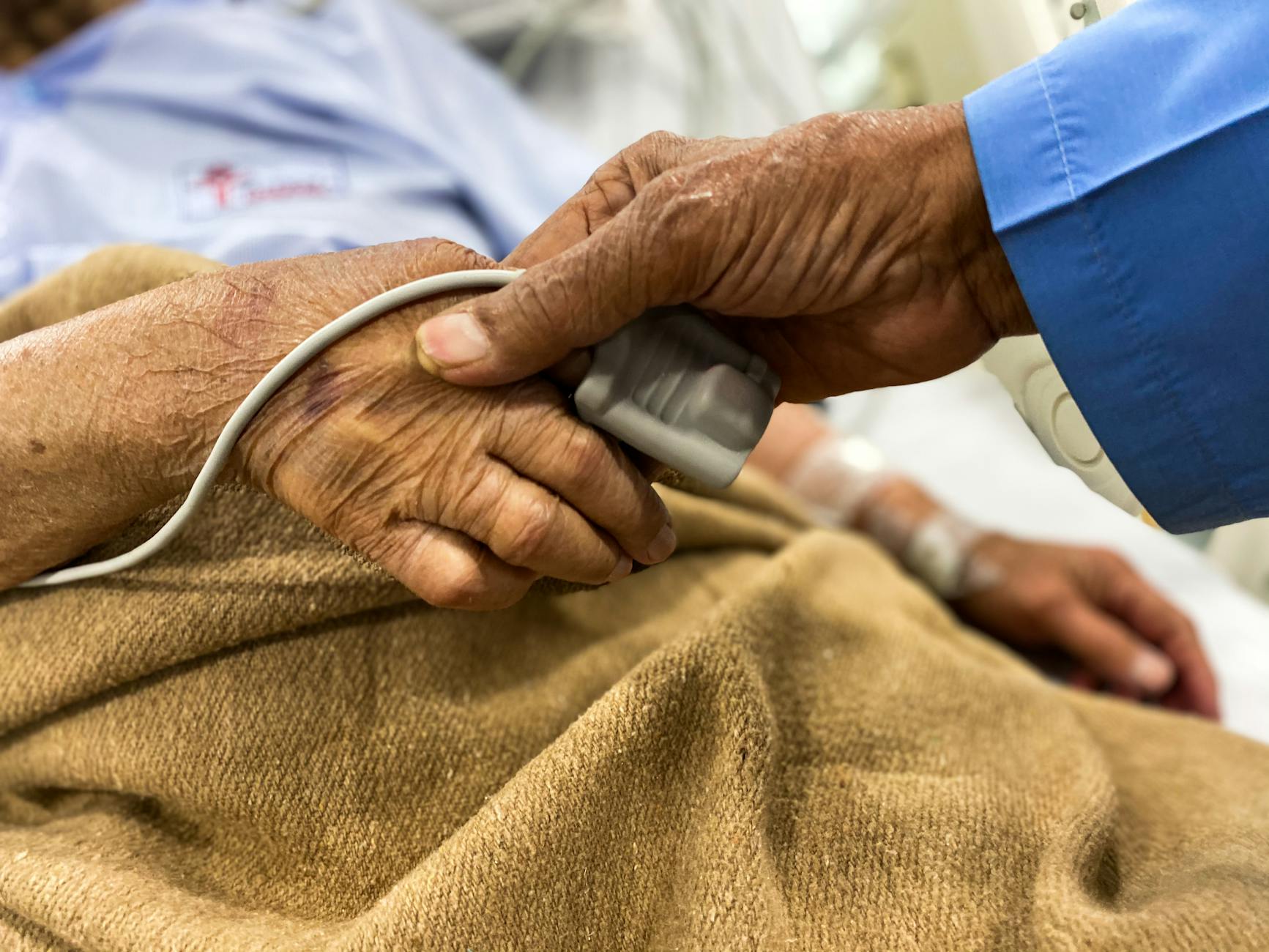
Experiencing a heart attack can be a life-altering event, leaving you with a mix of fear, uncertainty, and a strong desire to recover fully. While the immediate medical care is paramount, the journey doesn't end there. In fact, a critical phase of recovery often begins shortly after you leave the hospital: cardiac rehabilitation, a specialized form of physical therapy designed to help your heart heal and strengthen. For us in India, understanding and embracing this phase is key to reclaiming a healthy, active life and significantly reducing the risk of future cardiac events.
What is Cardiac Rehabilitation?
Think of cardiac rehabilitation as your personalized roadmap back to heart health after a heart attack or another significant cardiac event. It’s not just about pushing yourself physically; it’s a comprehensive program supervised by a team of medical professionals. This team typically includes doctors, nurses, dietitians, and, importantly, physical therapists. They work together to create a tailored plan that addresses your unique needs and recovery goals. The primary aim is to improve your cardiovascular fitness, help you adopt healthier lifestyle habits, and ultimately, boost your quality of life. This program can last anywhere from 2 to 8 months, with many programs settling around the 3-month mark, depending on your individual progress and needs.
The statistics paint a compelling picture of its effectiveness. Studies have shown that participating in cardiac rehabilitation can decrease the chances of dying from any cause in the years following a cardiac event by a significant margin, around 32%. Furthermore, research suggests a notable reduction in the likelihood of experiencing another heart attack, potentially by about 13%. These numbers aren't just statistics; they represent real lives, healthier futures, and the profound impact of dedicated recovery efforts.
Why is Physical Therapy So Important After a Heart Attack?
Following a heart attack, your heart muscle has undergone stress and potential damage. Physical therapy, as part of cardiac rehab, plays a vital role in its recovery. It's about gradually and safely reintroducing your body to physical activity. This helps in several ways:
- Strengthening the Heart Muscle: Just like any other muscle, your heart can be strengthened through carefully guided exercise. This improves its pumping efficiency.
- Improving Blood Circulation: Regular physical activity enhances blood flow throughout your body, delivering vital oxygen and nutrients to all your organs.
- Reducing Risk Factors: Cardiac rehab often includes guidance on managing risk factors like high blood pressure, high cholesterol, and diabetes, all of which are significant contributors to heart disease.
- Weight Management: Achieving and maintaining a healthy weight is crucial for heart health. The program helps you incorporate physical activity and dietary changes to support this.
- Boosting Confidence and Reducing Anxiety: The fear of physical activity after a heart attack is common. A supervised program helps build confidence and reduces the anxiety associated with movement, empowering you to return to daily life.
What Can You Expect During Cardiac Physical Therapy?
Your journey through cardiac rehabilitation will be unique, but there are common elements you can expect. The process typically begins even before you are discharged from the hospital, or very soon after. Your healthcare team, led by a physical therapist, will conduct a thorough assessment.
Initial Assessment:
This is where your personalized plan begins. A physical therapist will evaluate your current physical condition. This might involve:
- A detailed physical examination.
- Fitness tests to gauge your stamina and strength.
- Possibly imaging tests of your heart, depending on your condition.
Based on these findings, your therapist will design a program that starts gently and gradually increases in intensity as you get stronger and fitter. Safety is always the top priority.
Components of the Therapy Program:
A well-rounded cardiac rehabilitation program usually includes:
- Aerobic Exercise: These are activities that get your heart rate up and improve its endurance. Think of brisk walking, cycling on a stationary bike, or even swimming. The intensity and duration are carefully controlled.
- Resistance Training: Once you've built a good foundation of aerobic fitness, your therapist may introduce light resistance exercises using weights or resistance bands. This helps strengthen your muscles and bones, which is important for overall functional recovery.
- Breathing Exercises: Sometimes, after a cardiac event or surgery, your breathing patterns can be affected. Specific exercises help retrain your respiratory muscles, improving lung capacity and efficiency.
- Lifestyle Counseling: This is a huge part of the program. You’ll receive expert advice on nutrition from a dietitian, tips for stress management, guidance on quitting smoking (if applicable), and education on understanding your medications and managing your condition at home.
- Education Sessions: Understanding your heart condition, recognizing warning signs, and knowing how to manage your health long-term are essential. These sessions provide you with the knowledge you need to take control of your health.
Progression and Monitoring:
Your progress will be closely monitored. Your heart rate, blood pressure, and how you feel during exercise will be checked regularly. As you improve, the duration and intensity of your exercises will be increased. This gradual progression ensures you are always working within safe limits while continuously challenging yourself to get stronger.
Beyond Heart Attacks: Who Else Benefits?
It's a common misconception that cardiac rehabilitation is only for those who have experienced a heart attack. The truth is, it's a vital part of recovery for a wide range of cardiac conditions and procedures. If you have undergone:
- Heart surgery (such as bypass surgery or valve repair)
- Angioplasty or stenting
- Heart failure
- Heart transplant
- Other serious heart conditions
…your doctor might recommend a cardiac rehabilitation program. It's designed to help anyone whose cardiovascular health has been compromised and who stands to benefit from structured exercise, education, and lifestyle support.
When Should You Consult a Doctor?
While cardiac rehabilitation is a supervised program, it's crucial to be aware of your body and communicate any concerns. You should always consult your doctor or cardiac rehab team if you experience:
- Unusual chest pain or discomfort
- Shortness of breath that is severe or doesn't improve
- Dizziness or lightheadedness
- Irregular or rapid heartbeat
- Extreme fatigue
- Swelling in your legs or ankles
These could be signs that something is wrong, and prompt medical attention is necessary.
FAQs About Cardiac Physical Therapy
Q1: How long does cardiac rehabilitation usually last?
A1: Most programs last about 3 months, but they can range from 2 to 8 months, depending on your individual needs and recovery pace.
Q2: Is cardiac rehabilitation covered by insurance in India?
A2: Insurance coverage can vary significantly. It's essential to check with your specific insurance provider and discuss the possibility of coverage with your doctor and the rehabilitation center.
Q3: Can I exercise on my own after a heart attack?
A3: While independent exercise is the goal, it should only begin after you have completed a supervised cardiac rehabilitation program and received clearance from your doctor. Starting too soon or doing the wrong type of exercise can be dangerous.
Q4: What if I have other health conditions, like diabetes or arthritis?
A4: Cardiac rehabilitation programs are designed to be adaptable. Your team will consider any co-existing conditions when creating your exercise and lifestyle plan.
Q5: Will physical therapy make my heart attack symptoms return?
A5: No, the program is designed to be safe and progressive. Your physical therapist will monitor you closely and ensure that exercises are appropriate for your current condition, aiming to improve your heart's function, not to provoke symptoms.
Embarking on cardiac rehabilitation is a brave and proactive step towards a healthier future. It's an investment in your well-being, offering not just physical recovery but also the mental and emotional resilience needed to live a full life after a heart attack. Embrace the process, trust your medical team, and take charge of your heart's journey back to strength.