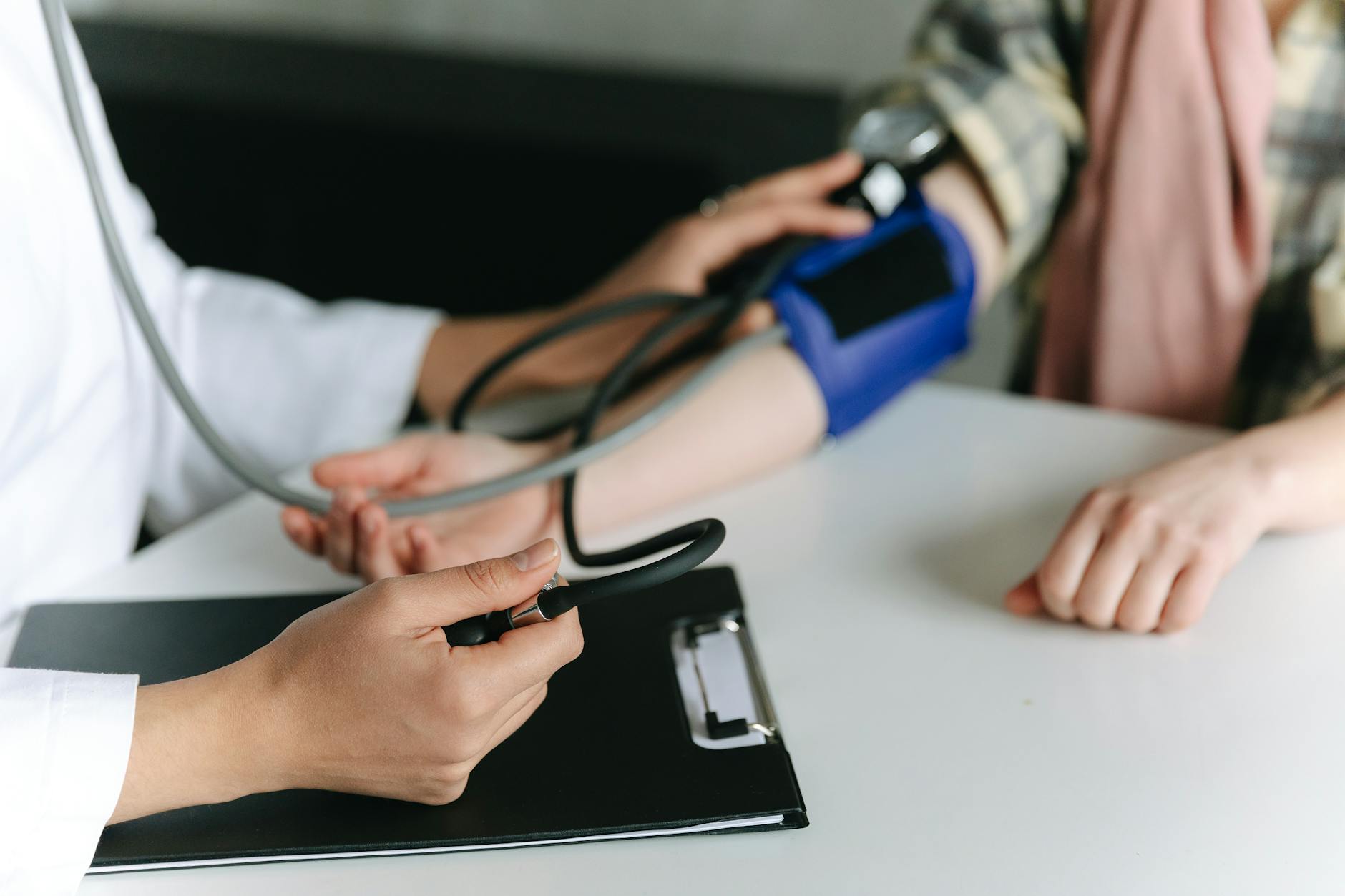
We often hear about high blood pressure, or hypertension, but do we truly understand its far-reaching consequences? It’s more than just a number on a doctor’s report; it’s a silent force that can profoundly impact your heart and brain. In India, where lifestyle changes are rapidly transforming our health landscape, understanding this connection is paramount. This isn't just about medical jargon; it's about safeguarding your life and the lives of your loved ones. Let's unravel the intricate relationship between hypertension, heart disease, and stroke, and empower ourselves with knowledge.
Imagine your arteries as highways for blood, carrying vital oxygen and nutrients throughout your body. Hypertension is like an overloaded truck constantly slamming against these highways, causing wear and tear. Over time, this relentless pressure damages the artery walls, making them stiff and less flexible. This is where the problems begin, setting the stage for serious health conditions.
The Vicious Cycle: Hypertension's Impact on Your Heart
When your blood pressure is consistently high, your heart has to work overtime. Think of it as trying to push water through a narrow, kinked hose – it requires much more effort. To cope with this increased demand, the heart muscle begins to thicken. While this might seem like a sign of strength, it actually makes the heart less efficient and more prone to damage. This strain can lead to several heart conditions:
- Coronary Artery Disease (CAD): The high pressure damages the arteries supplying blood to your heart. Over time, fatty deposits, or plaque, build up inside these arteries, a process called atherosclerosis. This narrows the arteries, restricting blood flow to the heart muscle. It’s like traffic jams forming on our vital blood highways.
- Heart Attack: If the plaque in the coronary arteries ruptures, a blood clot can form, completely blocking blood flow to a part of the heart muscle. This is a heart attack, a medical emergency that requires immediate attention.
- Heart Failure: The constant exertion weakens the heart muscle. Eventually, it may not be able to pump blood effectively to meet the body's needs. This is heart failure, a chronic condition that significantly impacts quality of life.
These conditions don't develop overnight. They are the result of sustained, uncontrolled high blood pressure, a silent thief that erodes your heart’s health over years.
When the Brain is at Risk: Hypertension and Stroke
The same damaging effects of hypertension on arteries extend to the blood vessels supplying your brain. High blood pressure can:
- Weaken and Narrow Arteries: The constant force can damage the delicate lining of the arteries leading to your brain. This makes them more susceptible to blockages from plaque buildup or blood clots.
- Cause Ruptures: In some cases, the high pressure can cause a weak spot in an artery wall to rupture, leading to bleeding in the brain. This is known as a hemorrhagic stroke.
- Lead to Ischemic Stroke: More commonly, hypertension contributes to ischemic stroke. This occurs when a blood clot blocks an artery supplying blood to the brain, cutting off its oxygen supply. The brain cells begin to die within minutes without oxygen.
A stroke is a devastating event. It can lead to long-term disability, affecting speech, movement, and cognitive functions. The link between high blood pressure and stroke is undeniable; it's a major risk factor that we cannot afford to ignore.
The Intertwined Fate: Heart Disease and Stroke
The relationship between heart disease and stroke isn't one-sided. They often coexist and exacerbate each other's risks:
- Heart Disease Increases Stroke Risk: If you have heart disease, your heart may not pump blood efficiently. This can lead to blood clots forming in the heart, which can then travel to the brain and cause a stroke. In fact, heart disease is a significant risk factor found in a substantial portion of stroke patients.
- Stroke Increases Heart Complications: Conversely, having a stroke can put a strain on your heart. A 2020 study highlighted that stroke survivors have an increased risk of developing heart problems like heart attacks and heart failure. The stress on the body and the potential damage to the nervous system can affect cardiovascular function.
This complex interplay underscores the importance of managing both conditions proactively.
Prevention is Key: Taking Control of Your Blood Pressure
The good news is that hypertension, heart disease, and stroke are largely preventable. Lowering your blood pressure is one of the most effective strategies to safeguard your health:
- Lifestyle Modifications: These are the cornerstones of blood pressure management.
- Healthy Diet: Focus on a diet rich in fruits, vegetables, whole grains, and lean proteins. Limit your intake of salt, processed foods, saturated fats, and sugary drinks. The DASH (Dietary Approaches to Stop Hypertension) diet is an excellent model.
- Regular Exercise: Aim for at least 150 minutes of moderate-intensity aerobic exercise per week. Brisk walking, jogging, swimming, or cycling are great options.
- Maintain a Healthy Weight: Losing even a small amount of weight if you are overweight can significantly lower your blood pressure.
- Limit Alcohol Intake: If you drink alcohol, do so in moderation.
- Quit Smoking: Smoking damages blood vessels and dramatically increases your risk of heart disease and stroke.
- Manage Stress: Chronic stress can elevate blood pressure. Practice relaxation techniques like deep breathing, meditation, or yoga.
- Medication: For many individuals, lifestyle changes alone may not be enough. Your doctor may prescribe medications to help lower your blood pressure. It's vital to take these medications exactly as prescribed and not to stop them without consulting your doctor.
- Regular Check-ups: Regular blood pressure monitoring is essential, especially if you have a family history of hypertension, heart disease, or stroke. Early detection and management are key.
When to Seek Medical Help
Don't wait for symptoms to appear. High blood pressure is often called the “silent killer” because it typically has no warning signs. Make regular health check-ups a priority. If you experience any of the following symptoms, seek immediate medical attention:
- Sudden numbness or weakness in the face, arm, or leg, especially on one side of the body.
- Sudden confusion, trouble speaking, or difficulty understanding speech.
- Sudden trouble seeing in one or both eyes.
- Sudden trouble walking, dizziness, loss of balance, or coordination.
- Sudden severe headache with no known cause.
- Chest pain or discomfort.
- Shortness of breath.
- Palpitations or a racing heart.
These could be signs of a stroke or a heart attack, and prompt medical care can make a world of difference.
Frequently Asked Questions (FAQ)
Can high blood pressure be completely cured?
While high blood pressure often cannot be completely cured, it can be effectively managed and controlled through lifestyle changes and, if necessary, medication. The goal is to bring your blood pressure down to a healthy level and keep it there.
How much does lowering blood pressure reduce the risk?
Studies suggest that lowering systolic blood pressure by just 10 mm Hg can significantly reduce the risk of coronary heart disease, heart failure, and stroke. Aiming for a blood pressure below 130/80 mm Hg is generally recommended by medical professionals.
Are there any natural remedies for high blood pressure?
While lifestyle changes like diet and exercise are powerful natural approaches, it's crucial to consult your doctor before relying solely on any
Overall, early action and medically verified advice remain the safest approach.