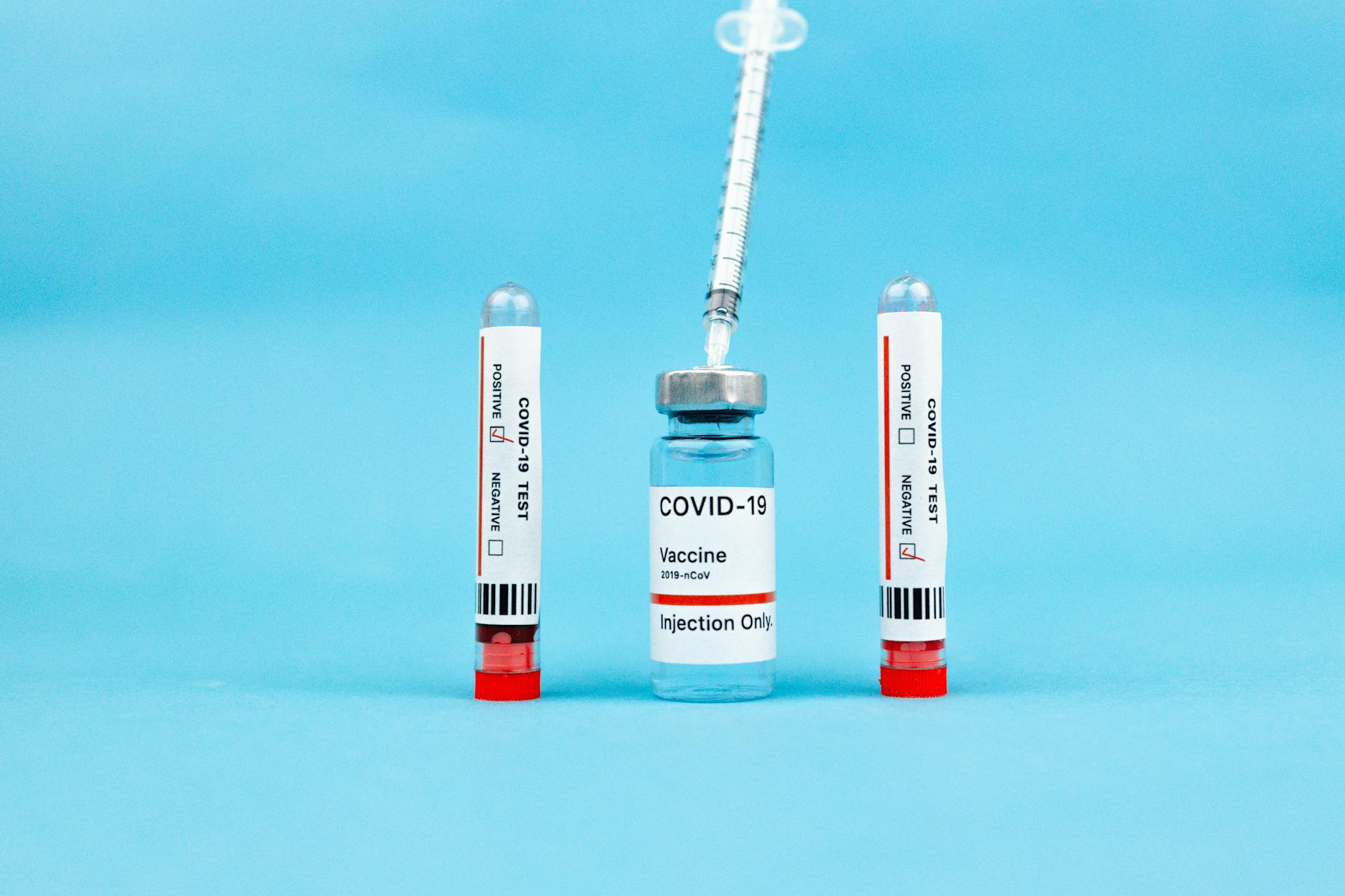
Our bodies are constantly engaged in a silent, complex battle to keep us healthy. Two key players in this fight are antigens and antibodies. While they sound similar and work together, they have very different roles. Think of it like a war: antigens are the invaders, and antibodies are the soldiers defending your body. Understanding this distinction is fundamental to grasping how our immune system functions and how medical tests and treatments, like vaccines, work.
What Exactly Are Antigens?
An antigen, sometimes called an immunogen, is essentially a foreign substance that triggers your immune system into action. It's something your body recognizes as potentially harmful and needs to fight off. Antigens can be found in many forms:
- Bacteria and Viruses: These are the most common culprits. When a bacterium or virus enters your body, its unique markers act as antigens, signaling your immune system to prepare for battle.
- Toxins: Some bacteria produce toxins that can be harmful. These toxins themselves can act as antigens.
- Other Foreign Substances: This category includes things like pollen (an allergen), certain proteins in foods, or even foreign blood cells from another person during a transfusion.
Your immune system, particularly a type of white blood cell called lymphocytes, identifies these antigens. This identification is the first step in mounting an immune response. The presence of an antigen flags the body, prompting the creation of specific defenses.
Types of Antigens
Antigens can be broadly classified into two main types:
- Heteroantigens: These are foreign to your body. Examples include components of viruses, bacteria, protozoa, foreign blood cells, snake venom, and allergens like pollen or certain food proteins. Anything that originates from outside your body and causes an immune reaction falls into this category.
- Autoantigens: These are substances produced by your own body. Normally, your immune system can distinguish between 'self' and 'non-self'. However, in autoimmune conditions, the immune system mistakenly identifies the body's own cells or proteins as foreign antigens and attacks them. This is a sign that something has gone wrong with the immune system's self-recognition mechanism.
Understanding Antibodies
Antibodies, also known as immunoglobulins (Ig), are the specialized defenders produced by your immune system. They are Y-shaped proteins created by a specific type of lymphocyte called B cells (or B lymphocytes). These B cells are like factories that produce antibodies designed to combat specific antigens.
The primary job of an antibody is to neutralize or eliminate the antigen that triggered its creation. They do this in a few ways:
- Locking On: Each antibody is highly specific, designed to bind to a particular antigen, much like a key fits a specific lock. This binding neutralizes the antigen's ability to cause harm.
- Tagging for Destruction: Once an antibody attaches to an antigen, it essentially 'tags' it, making it easier for other immune cells to find and destroy the invader.
- Blocking Entry: Antibodies can also prevent antigens, especially viruses, from entering healthy cells and causing infection.
The Different Classes of Antibodies
Our immune system produces several types of antibodies, each with slightly different functions and locations:
- IgG: These are the most abundant antibodies in your blood plasma. They provide long-term immunity and are crucial for detoxifying harmful substances. They are the main antibodies you have after recovering from an infection or being vaccinated.
- IgM: These are the first antibodies that B cells produce when they encounter a new antigen. They are important in the early stages of an infection.
- IgA: Found in body fluids like mucus, tears, saliva, and breast milk, IgA antibodies help to prevent antigens from entering the body through these pathways. They 'collect' antigens and help remove them.
- IgE: Primarily involved in allergic reactions and protecting against parasitic infections. They are found in small amounts in the skin, lungs, and mucous membranes.
- IgD: These antibodies are found on the surface of B cells and play a role in signaling B cells to release IgM antibodies, thus helping to regulate the immune response.
How Antigens and Antibodies Work Together: The Immune Response
The interaction between antigens and antibodies is the cornerstone of your adaptive immune response. When an antigen enters your body:
- Detection: Immune cells recognize the antigen as foreign.
- Activation: B cells are activated to produce specific antibodies against that antigen.
- Neutralization: Antibodies bind to the antigens, neutralizing them or marking them for destruction by other immune cells like T cells or macrophages.
- Memory: After the infection is cleared, some B cells become memory cells. These cells 'remember' the antigen, allowing for a much faster and stronger antibody response if the same antigen is encountered again in the future. This is the basis of long-term immunity.
Consider a scenario: You accidentally ingest food contaminated with a harmful bacterium. The bacteria contain antigens. Your immune system detects these antigens. B cells then produce antibodies specific to that bacterial antigen. These antibodies attach to the bacteria, preventing them from multiplying and helping your body's other defense mechanisms clear the infection. If you encounter the same bacteria again, your memory B cells quickly produce a large amount of the right antibodies, often preventing you from getting sick at all.
Antigens and Antibodies in Medical Testing and Treatments
The distinct roles of antigens and antibodies are harnessed in various medical applications, especially in diagnostics and preventative medicine.
Vaccinations: Training Your Immune System
Vaccines are a brilliant application of our understanding of antigens and antibodies. A vaccine works by introducing your body to a harmless form of an antigen. This could be:
- A weakened or inactivated version of a virus or bacterium.
- A specific part of the pathogen (like a protein).
- Genetic material (like mRNA) that instructs your cells to produce a harmless piece of the antigen.
When your body encounters this 'fake' antigen from the vaccine, your immune system responds just as it would to a real infection. Your B cells produce antibodies against it, and importantly, create memory B cells. If you are later exposed to the actual pathogen, your body is already prepared with a robust supply of antibodies and immune cells to fight it off effectively, preventing serious illness.
Diagnostic Tests
Many diagnostic tests rely on detecting either the presence of antigens or antibodies in your body:
- Antigen Tests: These tests look for the actual antigen (e.g., a protein from a virus) in a sample like a nasal swab. They can often detect an infection early on. For example, rapid COVID-19 antigen tests check for parts of the SARS-CoV-2 virus.
- Antibody Tests: These tests look for antibodies produced by your immune system in response to an infection or vaccination. They indicate if you have had a past infection or if your body has developed immunity. For instance, an antibody test for COVID-19 might show if you've developed antibodies after vaccination or a previous infection.
When to Consult a Doctor
While understanding antigens and antibodies is fascinating, it's important to know when to seek professional medical advice. If you experience symptoms of an infection, such as fever, persistent cough, unusual fatigue, or unexplained rashes, it's wise to consult a doctor. They can perform the necessary tests to identify the cause, whether it's a bacterial or viral infection, and recommend the appropriate treatment. Early diagnosis and intervention are key to managing many infectious diseases and ensuring a full recovery. For instance, if you develop a severe sore throat and fever, a doctor might perform a rapid strep test to check for bacterial antigens or order blood work to look for antibodies if a viral cause is suspected.
Frequently Asked Questions (FAQ)
What is the main difference between an antigen and an antibody?
An antigen is a substance that causes your immune system to produce antibodies. Antibodies are proteins produced by your immune system to fight off specific antigens.
Can antigens make you sick?
Yes, many antigens, such as those found on bacteria and viruses, are what cause illness or disease.
Are antibodies always good?
Generally, antibodies are beneficial as they protect your body. However, in autoimmune diseases, antibodies mistakenly attack the body's own healthy tissues, causing harm. Also, IgE antibodies are responsible for allergic reactions, which can be harmful.
How do vaccines use antigens?
Vaccines introduce a weakened, inactive, or partial form of an antigen into your body. This 'trains' your immune system to recognize and create antibodies against that specific antigen, so it's prepared to fight a real infection.
Can you have antigens in your body without being sick?
Yes. For example, allergens like pollen are antigens, and while they can cause symptoms in allergic individuals, they don't necessarily mean you have an infection. Also, harmless bacteria naturally present in your gut have antigens.